
resources
A Landlord’s Guide to Property Management: Handling Wear and Tear & Tenant Issues
Content Contributor
04 Nov 2025

Determining the difference between regular wear and tear and tenant damage is a primary challenge for landlords; knowing how to deal with extreme situations such as tenant abandonment is also important.
Continue reading this guide as we describe these common issues, as well as offer actionable best practices on how to maintain your property, protect your investment, and carry out your responsibilities with confidence.
Are Replacing Light Bulbs Normal Wear and Tear?
Many landlords question whether are replacing light bulbs normal wear and tear, and understanding this helps clarify tenant responsibilities.
In property management, normal wear and tear is defined as the actual wearing out of the premises by use, but light bulbs do not wear and tear. They are consumable items, like batteries.
Therefore, in the course of the ordinary maintenance of the premises, it is fairly the tenant's responsibility during the term of his tenancy to change light bulbs. In order to avoid such disputes, it is important to have this clearly set out in the lease.
It is necessary to have this explained, since there are many landlords who question whether light bulbs are wear and tear.
What to Do When a Tenant Abandons a Property in Massachusetts
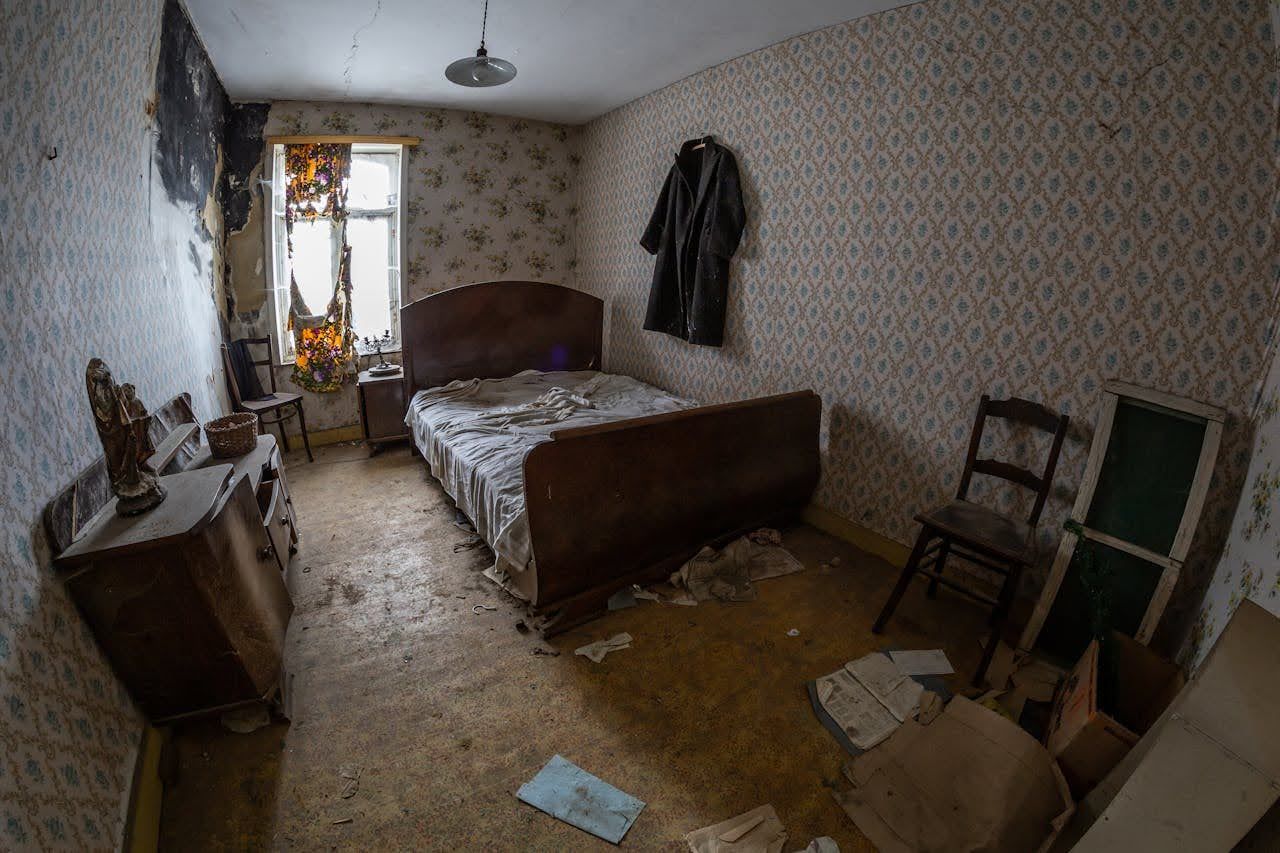
Finding out that a tenant has disappeared is a stressful situation. Under Massachusetts law, it is important to take certain legal steps before regaining possession of the property in order to minimize your legal risks.
Confirm Abandonment and Provide Notice
It is important to gather evidence of abandonment, and some of that evidence may involve information like mail piling up, the lack of payment of rent, and comments from neighbors, etc.
Then you will be required to post a formal (24) twenty-four-hour notice of entry at the property, which signifies your intent to inspect the property, and is an important first step before taking this next step.
Formal Court Determination & Lease Termination
If the property has been examined and confirmed as abandoned, you cannot just change the locks. You ought to file a “Summary Process” action in Housing Court terminating the lease, since this is what protects you from the tenant returning at some later time and claiming an illegal eviction, a very serious risk.
Secure the Property and Manage Belongings
Once you have the legal green light, protect the property by changing the locks. Massachusetts law requires you to itemize and store any personal property that is found to be abandoned for a reasonable length of time. You must furnish the tenant with a notice of the manner in which the property could be reclaimed prior to any disposition of a tenant's property.
Assess Damages and Handle the Security Deposit
Document all the conditions of the rental with photos and videos. Cleaning and repairs are typically needed after a tenant abandons a property in Massachusetts. This expense can be charged against the security deposit; however, Massachusetts law requires the preparation of an itemized statement of damages to be sent to the tenant's last known address.
Best Practices for Maintaining Your Rental Property
Proactive maintenance is a vital concern in nurturing the value of your properties, the happiness of your tenants, and the amount of long-term return on your investment. Here are some strategies to implement:
1. Conduct Regular, Scheduled Inspections
Every six months, routine inspections should be performed on each unit. The tenants should be given proper notification as is required by law. Look for leaks, pest problems, malfunctioning smoke detectors, and overall wear and tear. This will enable you to find minor problems before they turn into serious and expensive repair problems.
2. Create a Comprehensive Maintenance Checklist
Create a seasonal checklist for yourself and your tenants. For example, note to tenants to check smoke detectors monthly and change HVAC filters quarterly. Schedule for the gutters to be professionally serviced during the fall and the air conditioning units in the spring.
You can create this checklist yourself or have real estate AI tools help you create it. But regardless, this makes for a scheduled maintenance plan and shares the responsibility.
3. Encourage Proactive Communication with Tenants
Encourage tenants to report problems as soon as they occur, regardless of size. An attentive landlord will encourage a cooperative relationship in which tenants will be more inclined to care for the property. Utilize a single communications channel regarding maintenance requests so that everything is well-documented.
4. Build and Maintain a Reliable Vendor Network
The best course of action is to establish a relationship with licensed and insured plumbers, electricians, HVAC technicians, and other general handymen. This way, you will have a reliable workforce that can respond to service requests without delay, giving you the time and opportunity to make necessary repairs and reduce tenant frustration.
5. Document Everything Meticulously
Keep records of all maintenance requests, repairs, inspections, and communication. Take and keep photos and videos prior to the tenant’s move-in and once they move out. This documentation is important in case of a security deposit dispute and for tracking the condition of your property.
6. Budget Smartly for Repairs and Capital Expenditures
Using the 50 percent rule as a guideline, plan on spending about half of your rental income on the operating costs of owning the property, including maintenance. In addition, reserve 1% to 2% of the value of the property each year in a separate capital expenditure fund to be used for high-priced items such as a new roof or replacement of appliances.
7. Prioritize Safety and Code Compliance Above All
Be aware of the local building codes and safety ordinances. This means that all plumbing systems and electrical systems are up to code, smoke detectors and carbon monoxide detectors are in place and are current, and any environmental issues, such as lead paint or mold, are dealt with immediately.
8. Address Emergency Repairs Immediately
Prepare a clearly defined plan for after-hours emergencies, such as broken pipes, power outages, etc. Residents must know who to call and where to locate the main water shut-offs. A prompt response can limit property damage greatly.
Conclusion
Effective property management is about knowing the difference and having effective systems. Specific definitions of normal wear and tear, a specific plan of abandonment, and a pro-packed maintenance program are some ways to protect your investment and minimize conflict. These best practices will result in a well-maintained property, longer tenant stays, and a profitable, sustainable rental operation.


