
business resources
A Practical Guide To Implementing GPS In Your Business
18 Apr 2026

Modern companies need to keep track of their tools and vehicles to stay competitive. Managing a growing inventory without digital help creates many mistakes that are hard to fix later. Errors cost money and slow down your workers every single day.
Small mistakes in tracking lead to big financial losses for a growing business. Adopting new technology can make daily operations much smoother for everyone involved. You can start small and grow your system as your company expands its reach.
Setting Clear Business Goals
Success starts by identifying the specific problems your company faces. You might want to stop theft or find ways to save on fuel each month. Knowing your path makes the whole process easier for everyone on your staff.
Managing expensive tools requires a plan that keeps teams organized and productive. Seeing everything through real-time visibility helps managers react faster to unexpected changes in the schedule. The oversight reduces the chance of losing items during busy shifts.
Each goal requires a different set of tools and software features. Focus on what helps your daily workflow the most. Spending money on extra gadgets you do not need is a common mistake that hurts your budget.
Understanding The Global Market Growth
Technology is moving fast, and more businesses are joining the trend every year. The hardware is getting cheaper and much more reliable for daily use in tough settings. You can find options that fit almost any budget or industry need without a struggle.
A market study suggests the industry for tracking devices will hit $4.14 billion. It represents a 15% jump from the previous year. More companies are spending money on tools to keep up with their competitors.
High demand keeps manufacturers pushing for better battery life and signal strength. Using tools puts you in line with global industry standards.
Selecting The Right Tracking Hardware
Different tasks require different types of sensors and receivers. Some need long battery lives, whereas others need to be very small to fit on handheld tools. Selecting the wrong device can lead to signal drops or high maintenance costs.
Industry research shows that fleet management represents 42% of the market demand. It shows that many businesses prioritize tracking their vehicles over other types of equipment. Picking the right sensor for your specific truck or van is the first step toward success.
Pick hardware that matches the environment where your assets stay. Cold storage or wet construction sites need very tough casings for the electronics. Testing a few units before buying a hundred is a smart move that saves your company from big errors.
Integrating Software With Existing Systems
New tools should talk to the programs your team already uses. Connecting everything into one dashboard makes the data much easier to read. It saves time when you do not have to switch between five different apps to see where your trucks are.
Technical guides explain that fixing minor issues quickly can lengthen your asset lifecycle. Catching a problem early keeps your machines running for many more years.
Staff training is another piece of the puzzle for successful integration. Everyone needs to understand how to read the new maps and alerts. Clear training manuals help workers feel confident using the new tech, which keeps them happy at work.
Managing Data For Better Performance
Numbers only matter if you use them to make smart choices. Look for patterns in how your vehicles move or how often tools sit idle.
Using data correctly helps you spot waste in your daily routines. You might notice that certain routes always have heavy traffic at noon. Changing those routes saves time and reduces wear on your cars, which lowers your repair bills.
- Check idle times for all heavy machinery.
- Monitor fuel usage across the entire fleet.
- Review route history to find shorter paths.
Maintaining Your New System
Digital systems need regular checks to stay secure and functional for a long time. Check your devices every few months to see if they need new batteries or loose mountings. Physical damage can happen to sensors on outdoor equipment, so a manual inspection is a good idea.
Software updates often fix bugs and add helpful new features. Staying current keeps your information accurate and protects against glitches. It is a simple task that prevents major headaches later when you really need the data.
Ask your team for feedback on how the system is working. Their daily experience can highlight small problems that the software might miss. Listening to your workers helps you refine the process and build a better workplace.
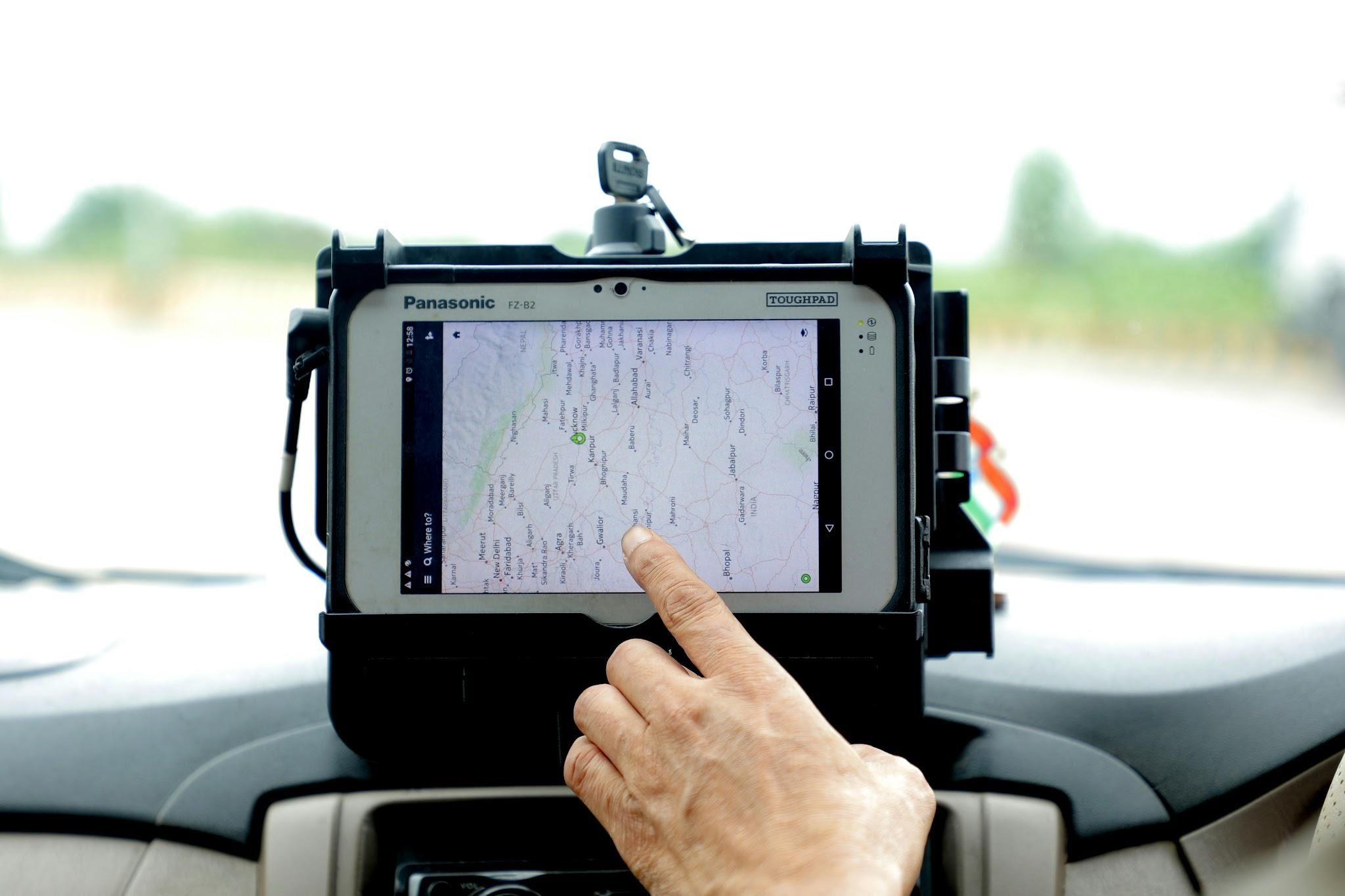
Starting a tracking project takes effort, but the rewards are worth the work for your team. Your business will run better when you know where your assets are at all times. You can stop guessing and start making decisions based on facts that come from your data.
Better organization leads to happier customers and less stress for your workers on the job. Taking steps today sets your company up for long-term success in a crowded market. You will see the benefits in your bottom line very soon as your efficiency grows.


