
resources
Activities That Boost Communication Among Team Members
Writer
22 Oct 2025

Teams that communicate effectively are more productive, innovative, and collaborative. That’s why many organizations are investing in activities to boost communication and create an environment where team members feel comfortable sharing ideas and feedback. Let’s discuss several engaging activities designed to strengthen communication among team members and improve team performance.
Team-Building Workshops
Team-building workshops include several structured activities that promote collaboration and problem-solving skills. Communication-focused exercises like role-playing scenarios can help participants practice responding to different situations and improve how they convey messages. Participants learn to listen actively and express their thoughts clearly in these settings.
Many organizations blend fun with strategic communication skill enhancement. Mock scenarios relevant to the workplace may highlight strengths and areas for improvement. Team members can engage in open discussions post-activity to reflect on their experiences and lessons learned. Workshops provide an opportunity for individuals to step out of their comfort zones and facilitate better interpersonal relationships.
Outdoor Experiences
Outdoor activities boost communication and collaboration amongst team members. Engaging in nature-based experiences, whether through hiking, ropes courses, or scavenger hunts, encourages participants to rely on one another as they navigate challenges. These adventurous activities stimulate team engagement and require individuals to problem-solve collaboratively.
Experiences offer both fun and learning, allowing participants to share their thoughts and strategies while enjoying the outdoors. Many companies in the area organize team unity programs around Sydney that focus on outdoor challenges designed to improve teamwork and communication. This combination of fresh air and physical activity promotes openness and encourages individuals to communicate more freely and creatively.
Icebreakers and Introductions
Icebreakers serve as an excellent way to promote familiarity and ease among team members in both new and existing teams. These short, fun activities can be tailored to any context and break down barriers, making it easier for participants to share their thoughts. Ask participants to share their favorite travel destination and why, which can provide insight into personal interests.
More structured icebreakers can involve group tasks. These activities compel team members to communicate and collaborate effectively from the start. Such experiences will result in enjoyable conversations that build a cohesive team atmosphere. The use of icebreakers can set a positive tone for meetings and create a culture where individuals feel valued and heard.
Collaborative Learning Initiatives
Workshops, seminars, and group learning sessions all encourage team members to share knowledge and insights from their experiences. A team could host a presentation where different members showcase their projects, lessons learned, and challenges faced. This format creates an avenue for open dialogue and discussion so that team members can ask questions and offer suggestions.
The process of teaching others reinforces individual learning, as participants gain deeper insights by articulating their thoughts. Collaborative learning cultivates ownership and responsibility for projects within the team. Members become more invested and committed when they know that their insights and expertise are valued.
Social Events Outside Work
Organizing social events outside of the workplace allows for more relaxed interactions than formal work settings, breaking down professional barriers. Casual settings can help employees bond over shared interests, hobbies, and experiences, promoting stronger workplace relationships.
Common activities might include team lunches, happy hours, sporting events, or volunteer outings, which can create memorable shared experiences. Engaging in these activities builds trust among team members, leading to more open communication back at the office. When colleagues know each other better on a personal level, they are more likely to support and collaborate effectively in professional settings.
Feedback Sessions
With periodic feedback sessions, team members can express their thoughts on team dynamics, project processes, or individual contributions openly. Creating an environment where giving and receiving feedback is encouraged promotes transparency and accountability. For these sessions to be effective, teams must cultivate a culture that embraces constructive criticism.
Managers should lead by example and demonstrate how to frame feedback positively and productively. Encouraging team members to speak openly can lead to insights that drive improvements. Structure these sessions effectively so that participants feel comfortable sharing their thoughts with no fear of retaliation. Effective feedback sessions improve internal communication, making everyone feel like they contribute to the team's success.
Communication Skills Training
Organizations investing in communication skills training focus on developing employees' skills in active listening, assertiveness, and non-verbal communication. By providing structured guidance on these aspects, organizations can create meaningful change in workplace interactions.
Training sessions can be conducted in-house or led by external experts. Role-playing scenarios can be invaluable, allowing participants to practice techniques they learn in real-time. Such training guarantees employees feel more confident and prepared to engage in difficult conversations or collaborate effectively across teams. Employees will notice improved communication in the workplace and stronger relationships.
Utilizing Technology for Communication
Technology can streamline communication among team members. Various tools and platforms, such as instant messaging apps, project management software, and video conferencing, promote quick and effective exchanges of information. Teams can overcome geographical barriers and stay connected regardless of physical location. These tools can also improve collaboration on projects so that team members to share updates, assign tasks, and provide feedback in real time.
Encouraging the use of these tools can help establish a culture of open communication, where team members feel empowered to voice opinions and contribute ideas. Organizations must provide adequate training and technical support, and everyone will feel confident in utilizing available technology.
Problem-Solving Activities
Problem-solving activities challenge employees to work together towards a common goal, requiring collective brainstorming and open dialogue. Escape room experiences, puzzles, or simulations that necessitate teamwork to achieve success. Such experiences encourage individuals to express their thoughts freely, challenge each other's ideas respectfully, and think creatively as a group. They uncover hidden talents and strengths, further improving the team's productivity.
In a high-pressure situation, working together towards a common goal strengthens relationships and promotes a collaborative mindset. When team members can solve problems together, they develop a stronger bond that translates into smoother communication in the workplace.
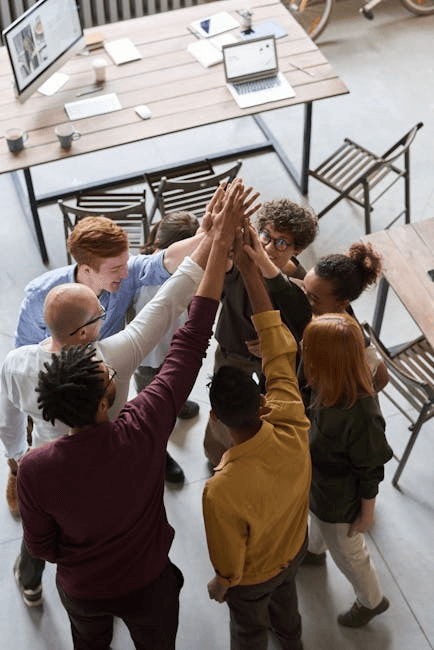
Image source: https://www.pexels.com/photo/photo-of-people-holding-each-other-s-hands-3184433/
Organizations must establish clear communication in workplace dynamics. Through team-building workshops, icebreakers, feedback sessions, collaborative learning, social events, and more, teams can encourage stronger relationships conducive to open dialogue. Encouraging a culture where communication is valued and prioritized will lead to a more cohesive and successful team.


