


resources
Baby Wrap Mistakes That Make Carrying Harder Than Needed
19 Nov 2026

A soft wrap looks simple in the product photos: a long piece of fabric, a content baby, and a parent with a relaxed smile. Then the real-life version arrives. The fabric slides, the baby squirms, and a first attempt at tying ends with a tangled knot and a crying infant. If that sounds familiar, you are in good company. Almost every parent makes a few predictable missteps with a wrap, and nearly all of them are easy to fix once you know what to look for.
This article covers the mistakes that cause the most frustration, from fabric choices and tying errors to airway checks, heat, and giving up too soon. Each section pairs the problem with a practical fix, so you can adjust your approach tonight rather than waiting for the next shopping trip. The goal is a wrap that feels secure for your baby and comfortable for you, whether you wear it around the house or on a long walk.
Choosing Fabric Without Thinking About Stretch
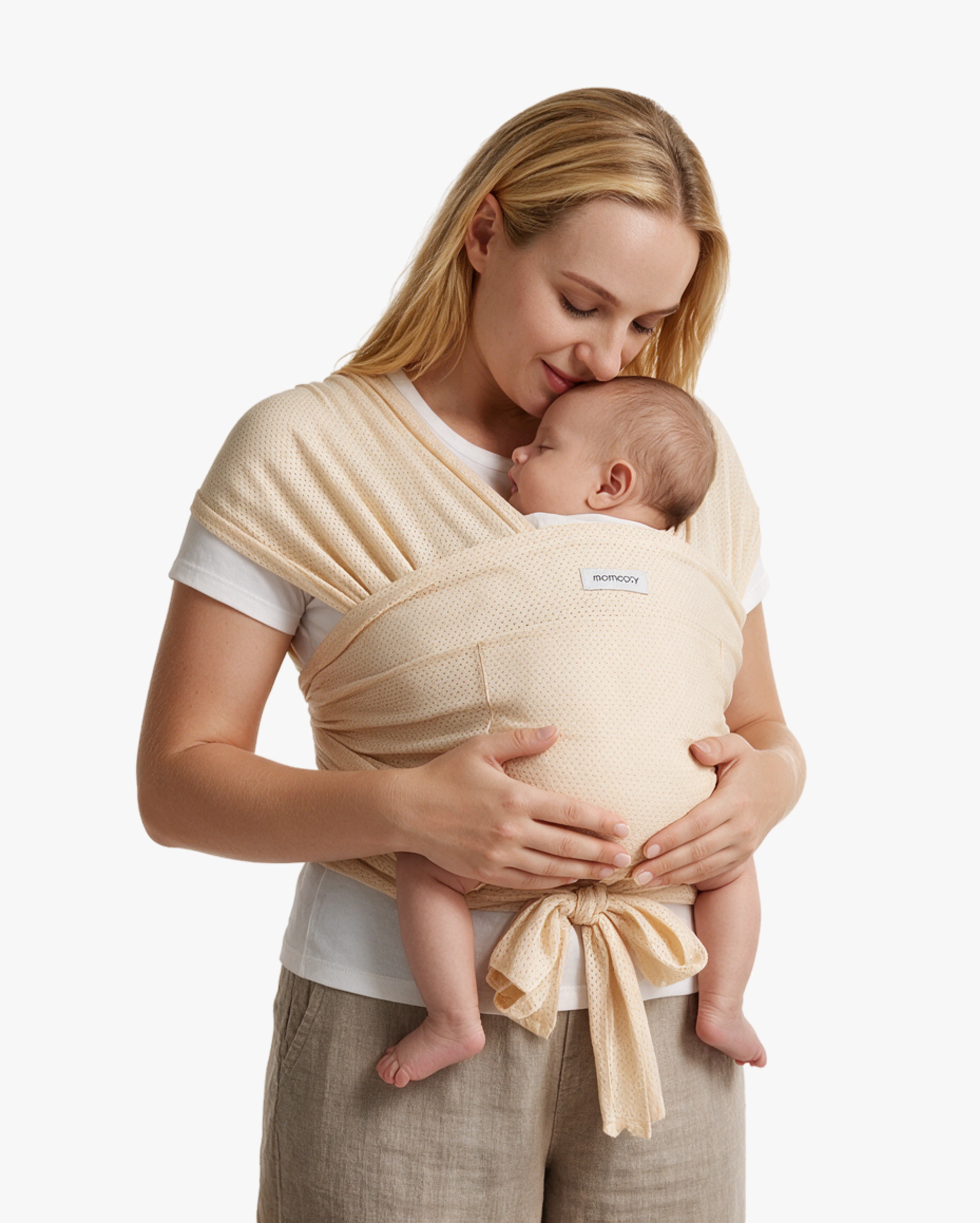
The first misstep often happens before the wrap is ever opened. Many new parents assume all fabric behaves the same, then discover that their baby wrap is either too stretchy to feel secure or too stiff to mold around a tiny body. A gently stretchy knit tends to suit newborns and the early months, because it hugs close and adjusts as the baby moves. Heavier babies and older infants may feel more comfortable in a fabric with less give, which spreads weight more evenly across your shoulders.
Check how the fabric feels against your own skin. Cotton blends that breathe well are usually pleasant in warm weather, while a thicker knit can feel cozy in winter but trap heat in July. Wash the wrap once before first use, following the care label, since some fabrics soften and relax a little after laundering. A wrap that feels slightly loose is also easier to tighten than a stiff one is to loosen.
Length matters too. If the wrap is shared between parents of different sizes, a smaller person may need extra turns or a shorter tail, while a taller person may need every inch. A pre-tied style simplifies sharing, since each wearer only needs to adjust the straps.
Tying Too Loose, Too Low, or Too Fast
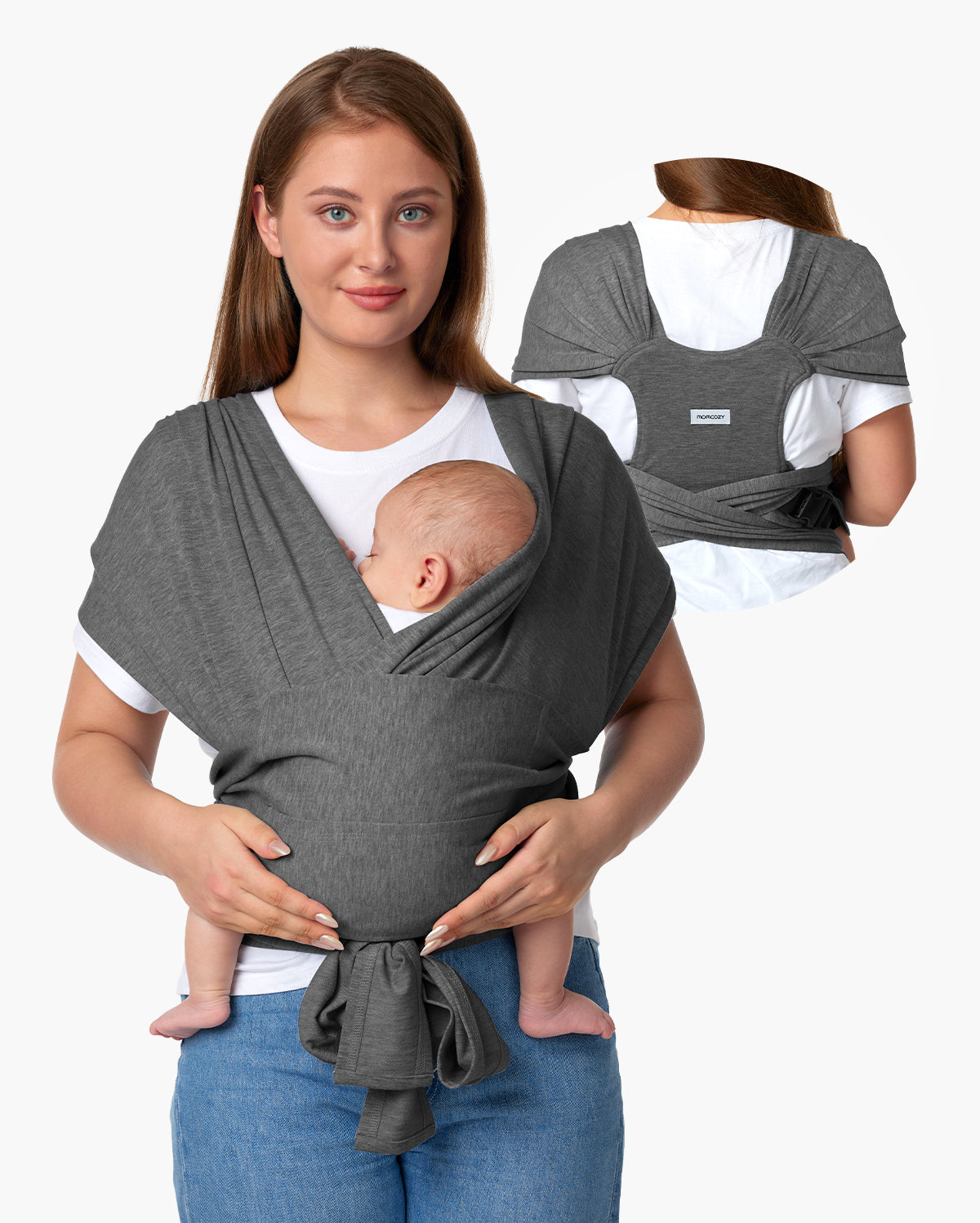
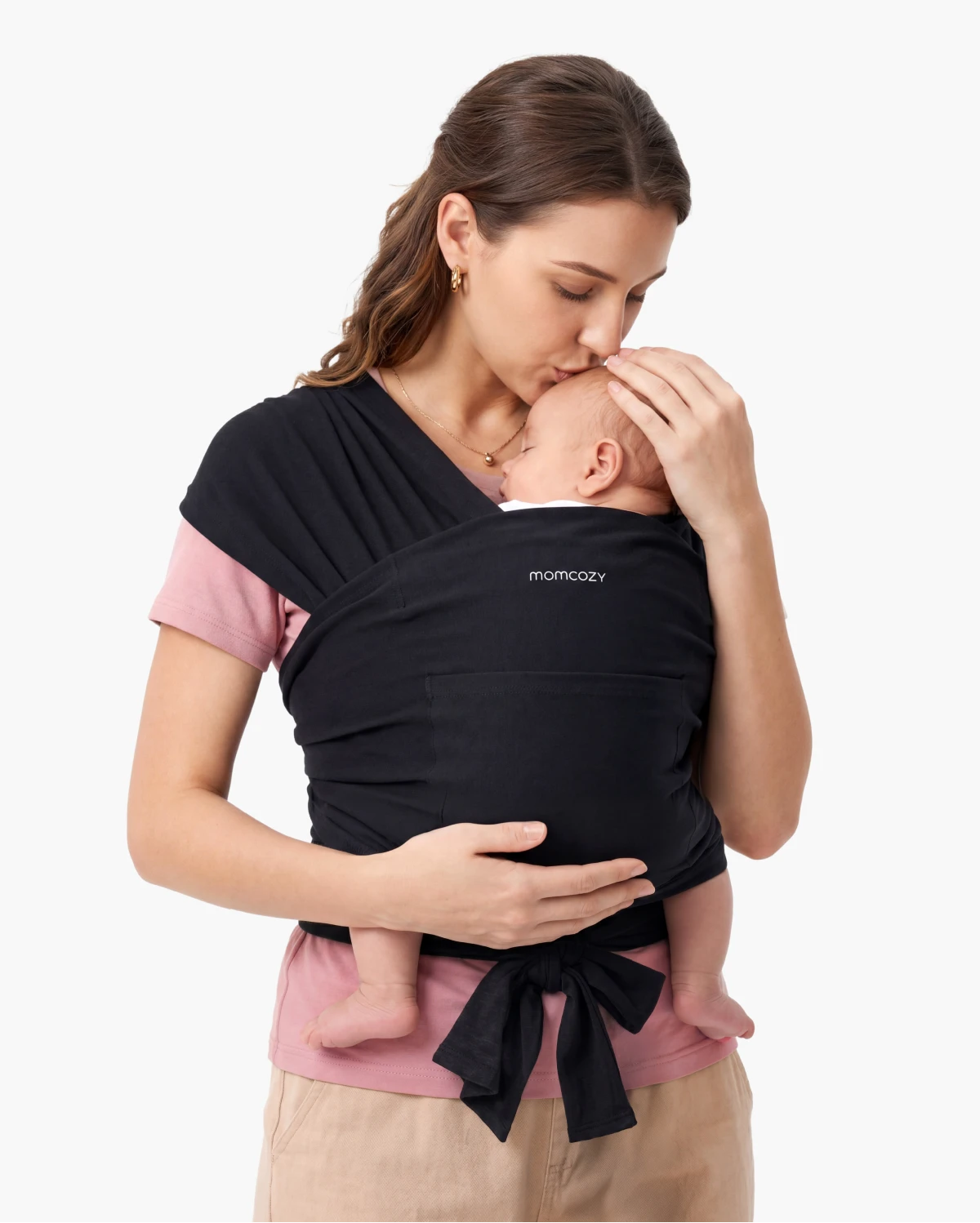
Looseness is the most common tying error, and the one with the biggest consequences. When the fabric is slack, the baby sinks lower, pulling on your neck and back, and may slump into a position that restricts breathing. A baby should sit high enough that you can kiss the top of their head by tipping your chin down. Pull each layer snug before moving to the next, working from the bottom upward, and tighten again after the baby is in, since fabric settles once weight is added.
Rushing causes trouble as well. Many parents try to tie the wrap with the baby already crying, which leads to uneven passes and crooked knots. Tie the wrap onto your own body first, leaving the pouch ready, then place the baby inside. Keep one hand on your baby's back during every step. If you are using a stretchy wrap, practice in front of a mirror until the crossing pattern feels natural.
Before you walk anywhere, run through a quick tightness check:
- The fabric is snug across the baby's back, with no gaps or sagging pockets.
- The baby's head is high enough to kiss without straining.
- Their knees sit higher than their bottom, with legs in a relaxed seat.
- Nothing pulls or pinches at your neck or shoulders.
Overlooking Airway and Posture
Safety checks matter more than any tying technique. The baby's face should stay visible and uncovered; fabric should never drape across the nose or mouth. Their chin should rest away from their chest, with room for a couple of fingers between chin and breastbone, because a chin pressed down can narrow the airway. Their back should be supported in its natural curve, and their legs in a relaxed seat rather than dangling straight down.
Check often, especially with a sleeping baby, since sleepy heads tend to droop forward. Glance down every few minutes in the early weeks, and make a habit of looking again whenever you bend, climb stairs, or change direction. Newborns, premature babies, and infants with breathing concerns need extra care, so ask your pediatrician before wearing if you have any doubt about your child's health.
Your own posture deserves attention, too. Stand tall, keep your shoulders loose, and bend at the knees instead of the waist when you pick something up. Support the baby with a hand whenever you lean forward.
Ignoring Heat, Layers, and Time Limits
A wrap adds a layer of fabric to both bodies, which is lovely in the cold and a problem in the heat. Babies cannot regulate temperature as well as adults, so dress them in a thin layer and feel the back of their neck now and then. Drink water yourself, too. In cold weather, choose a large coat or cover that goes around both of you instead of piling thick clothes onto the baby, which can make the wrap fit badly.
Time limits are another overlooked point. Even a comfortable wrap becomes tiring after a while. Take it off to stretch, feed the baby, and give both of you a break from pressure on the same patch of skin. Short, regular sessions beat one marathon, and building them up gradually helps your shoulders adjust.
Giving Up Too Early
Many parents quit after the first awkward attempt and conclude that wraps are not for them. In truth, the learning curve is real but short. Most people feel comfortable after a handful of tries, particularly when they practice with a doll first. Try tying the wrap during calm periods, such as after a feed, rather than in the middle of a meltdown. Let the baby settle their weight before you begin walking, and add a gentle sway or hum to help them relax.
If your first wrap does not work out, consider whether the problem is the tying or the design. Some families find that a pre-tied wrap carrier is easier than a long piece of fabric, while others enjoy the endless adjustability of a traditional wrap. Momcozy, for example, makes wrap-style carriers for parents who want a gentle introduction to babywearing, and comparing a few types can show which suits your build and your baby.
Small Fixes That Make a Wrap Work for You
Most wrap frustrations come from a short list of causes: fabric that does not suit the baby's age, a tie that is too loose, missed airway checks, too much heat, and too little patience. Fixing them rarely needs new gear. It usually takes a bit of practice, a mirror, and a habit of checking your baby's position each time you set out.
Be kind to yourself while you learn. Practice in short sessions, tie the wrap before the baby is fussy, and tighten once more after the weight settles. Within a couple of weeks, the steps tend to feel automatic, and the wrap becomes what it was meant to be: a quiet way to keep your baby close while your hands stay free.


