


resources
Building Your Dream Metropolis: A Guide to Cities: Skylines City Design
12 Nov 2025

So, you're dreaming of crafting your own urban masterpiece, are you? Whether it’s a bustling, sprawling metropolis or a charming, cozy town, Cities: Skylines provides the comprehensive toolkit to bring that vision to life. This acclaimed simulation game positions you squarely in the mayor's seat, empowering you to make all the pivotal decisions concerning infrastructure, development, and, crucially, ensuring your citizens' well-being. While its sheer scope might appear a tad overwhelming at first glance, with numerous systems to oversee, the learning curve is surprisingly rewarding, leading to hours of enjoyable, strategic gameplay. This comprehensive guide is designed to smoothly onboard you, helping you lay the groundwork for your very own thriving Cities: Skylines city.
Key Takeaways
- Start with the absolute essentials: ensure robust power, water, and sewage systems are fully operational before venturing into other developments.
- Roads serve as the crucial arteries of your city, connecting everything and facilitating movement. Strategic planning from the outset is paramount.
- Zoning is your directive to the game, indicating where residential, commercial, and industrial areas should flourish. Get this balance right for a harmonious urban environment.
- Never lose sight of your populace! They require vital services like police, fire stations, and educational institutions to foster contentment and productivity.
- Traffic congestion is an undeniable challenge in this game. Thoughtful consideration of vehicular movement and the proactive introduction of public transport options are critical.
Laying The Foundation For Your Cities: Skylines City
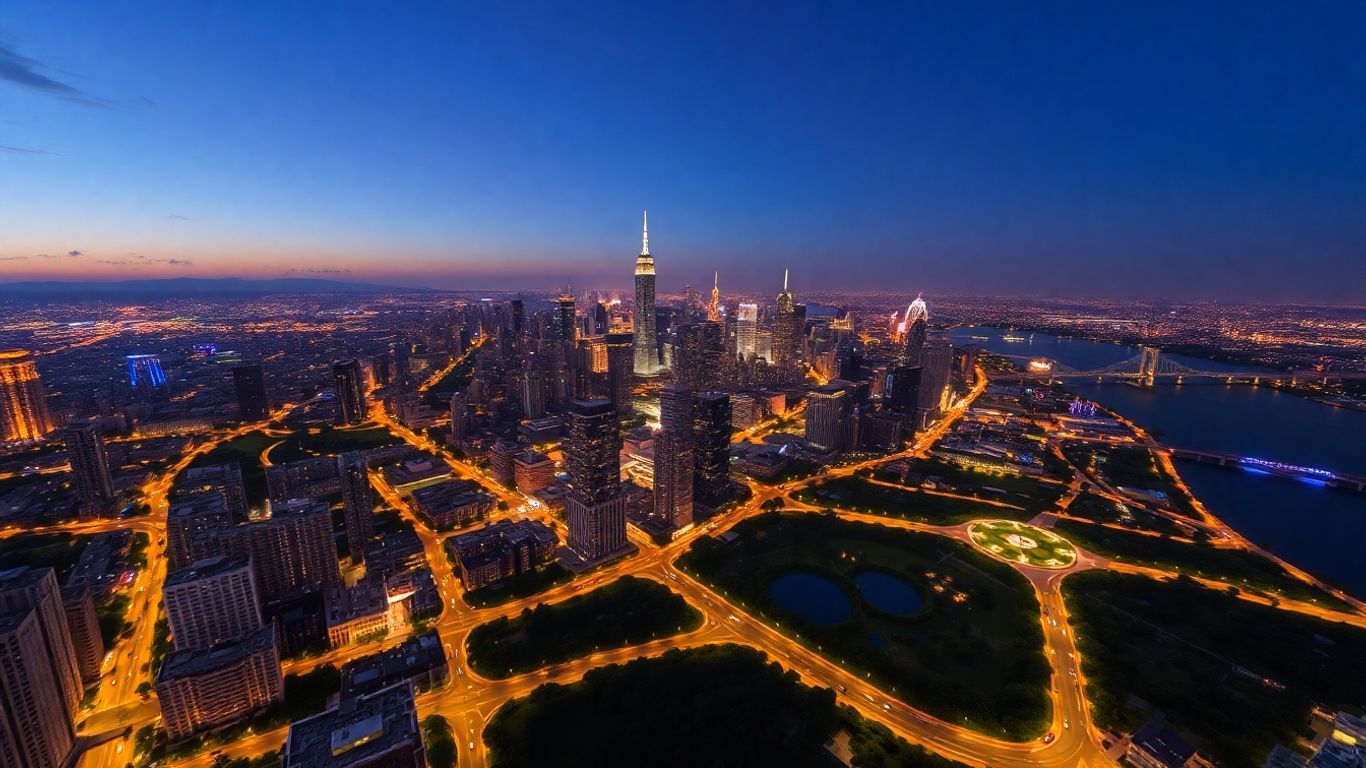
Alright, let's roll up our sleeves and get serious. Embarking on the journey of building a city from scratch in Cities: Skylines is quite analogous to real-world urban planning—you simply can't haphazardly plop down buildings. A robust, well-conceived plan is essential, beginning with the fundamental trifecta: utilities, roads, and zoning. Nail these foundational elements, and your burgeoning city stands a significantly better chance of thriving rather than crumbling before it even gets off the ground.
Consider these vital services the very lifeblood of your city. Without power, there are no lights, no functioning industries. Lacking water, your citizens face thirst, unhygienic conditions, and unproductive agriculture. And inadequate sewage management? Well, that's an open invitation for widespread discontent—and your residents will certainly make their displeasure known. You'll need to strategically place power plants, water towers or pumps, and sewage outlets. Crucially, connecting these to your road network is key, as buildings draw their power and water from adjacent roads and, conversely, discharge waste into them. It might sound straightforward, but optimizing their initial placement to effectively cover your nascent zones without incurring exorbitant costs can indeed prove to be a delightful puzzle.
- Power: Initially, opt for a fundamental solution like a wind turbine or a compact coal power plant. Always monitor your power demand graph; you'll want to avoid overbuilding too soon, but equally, you certainly don't want your city plunged into darkness.
- Water: Water towers are an excellent early-game choice, ideally situated on land with access to good groundwater. A critical — and often overlooked — beginner's tip: ensure your sewage outlet is positioned downstream from your water intake to prevent polluting your own precious water supply.
- Sewage: As mentioned, sewage outlets absolutely must be placed downstream from your water sources. While they don't necessitate a direct connection to the road network, their pipes will, naturally, need to reach them.
The judicious placement of your initial utility buildings cannot be overstated. When deciding where to situate your first power plant or water pump, always cast an eye towards future expansion. The last thing you want is to be forced to demolish an entire, flourishing neighborhood later simply to accommodate increased capacity.
More than mere conduits for travel, roads are the indispensable arteries of your urban landscape. The specific type of road you select directly influences traffic speed, ambient noise pollution, and the amount of precious land it occupies. For your inaugural city, you'll likely commence with basic two-lane roads. But as you progress, ponder your city’s envisioned growth trajectory. Will you opt for a classic grid pattern—easy to manage, yet prone to congestion if not meticulously planned—or a more organic, winding layout, which can be visually appealing but potentially challenging to connect efficiently? Your primary goal will be to link your initial residential, commercial, and industrial zones with a robust road system, but also consider how you'll establish vital connections to the outside world for trade and the influx of new citizens. To truly master your city-building skills, delve into essential tips on zoning, traffic flow, and resource management—they're the keys to cultivating a thriving metropolis in Cities: Skylines.
With your utilities humming smoothly and your essential roads meticulously laid out, the next crucial step is zoning. This mechanism communicates to the game precisely what types of buildings are permitted to emerge within a given area. You'll primarily work with three fundamental categories:
- Residential: This is where your citizens will establish their homes. Low-density housing is ideal for initial growth, but you'll undoubtedly require high-density options later to accommodate a burgeoning population.
- Commercial: Encompassing shops and offices, these areas require workers drawn from residential zones and attract customers from across the city.
- Industrial: Factories and warehouses fall under this category. They provide valuable jobs but, as a trade-off, generate pollution and also depend on a consistent workforce.
As a best practice, strive to maintain a reasonable buffer between industrial zones and residential areas to mitigate the adverse effects of pollution. Furthermore, ensure your commercial zones are easily accessible for eager shoppers. Achieving a harmonious balance between these disparate zones is an ongoing, dynamic challenge; missteps here can quickly lead to disgruntled citizens or businesses struggling to find either employees or customers.
Designing Your Cities: Skylines Metropolis
Now that your foundational utilities are humming and your crucial roads are expertly laid out, the exciting phase of truly distinguishing your city begins. This is where your metropolis starts to acquire its own unique character, transcending mere functionality to become a truly desirable place to live and visit. Think of this stage as imbuing your urban creation with personality and that essential polish.
Creating a Visually Appealing Skyline
Your city's skyline is, in essence, its initial handshake with the world. It’s the defining silhouette visible from afar, lending your urban area a distinct identity. To cultivate an truly impressive skyline, you'll want to foster a thoughtful blend of building heights and architectural styles. Resist the urge to uniformly deploy a single type of skyscraper; instead, introduce variety to create dynamic visual interest. Consider designating a central business district for taller, more contemporary structures, perhaps complementing these with slightly shorter, more traditional-looking buildings in the surrounding districts.
- Mix building heights: A monotonous skyline can feel rather uninspiring. Deliberately introduce a diverse range of building heights to forge a visually dynamic and engaging urban profile.
- Consider architectural styles: Different zones or districts offer fantastic opportunities for distinct architectural themes, ranging from Art Deco elegance to sleek, modern glass towers.
- Strategic placement of landmarks: Tall, unique buildings are more than just structures; they can serve as powerful focal points, drawing the eye and imbuing your city with an undeniable sense of identity.
Incorporating Parks and Recreation
It's important to remember that people need tranquil spaces for relaxation and enjoyment. Parks, inviting plazas, and diverse recreational facilities aren't merely decorative; they significantly enhance both citizen happiness and land value. When planning these green spaces, envision a variety of types:
- Small neighborhood parks: These are ideal for local residents, seamlessly integrated within residential areas, offering convenient access to greenery.
- Large central parks: These can evolve into significant citywide attractions, providing a rich array of activities such as sports fields, playgrounds, and extensive walking paths.
- Waterfront areas: Thoughtfully developing riverbanks or coastlines with picturesque promenades and various recreational amenities can dramatically elevate a city's overall appeal.
The addition of green spaces transcends mere aesthetics; it represents a fundamental pillar of citizen well-being and plays a pivotal role in mitigating pollution. A strategically placed park, for example, can profoundly transform the quality of life in its surrounding neighborhoods.
Building Iconic Landmarks
Landmarks are the unmistakable signature pieces of your city—the structures that render it truly unforgettable. These can range from faithful replicas of celebrated real-world marvels to distinctive in-game monuments. Strategic placement of these can captivate tourists, significantly boost local happiness, and imbue your city with a unique, memorable identity. Pause to consider where a magnificent statue, a renowned museum, or a soaring monument would exert the most profound impact. They often serve as natural central meeting points or crucial visual anchors for disparate sectors of your city.
Managing Your Cities: Skylines Population
Once your city truly begins to flourish, you'll inevitably observe a steady influx of new residents. While this is certainly a positive indicator of growth, it simultaneously ushers in an entirely new set of responsibilities. Keeping your citizens not only content but also healthy is absolutely paramount for cultivating a truly thriving metropolis. At this stage, it's no longer solely about supplying basic necessities; you must thoughtfully consider their daily routines, their evolving needs, and their overarching sense of well-being.
Providing Essential Citizen Services
Your citizens are utterly reliant on a comprehensive suite of services to ensure comfortable and secure lives. These extend far beyond mere utilities; they form the very backbone of a functional society. Indeed, think of them as the attributes that transform your city into a place people genuinely desire to live, rather than just a place they can live.
- Police and Fire Departments: These institutions are absolutely critical for upholding order and ensuring safety. Position them with careful consideration to provide comprehensive coverage across your residential, commercial, and industrial zones. A well-protected city translates directly into fewer crime incidents and significantly faster response times to fires, thereby safeguarding your citizens and preserving your valuable buildings.
- Healthcare: Clinics and hospitals are indispensable for maintaining the health of your populace. A scarcity of accessible healthcare can quickly lead to widespread citizen unhappiness and, in severe cases, even a noticeable decline in population. Ensure a sufficient number of facilities are available to serve everyone, particularly within densely populated areas.
- Education: Educational establishments, from elementary schools to esteemed universities, play a profound role in the long-term prosperity of your city. An educated citizenry is, demonstrably, a more productive citizenry, capable of filling higher-skilled jobs, which in turn fuels more advanced industries and generates greater tax revenues. Under no circumstances should you skimp on education!
- Garbage and Crematoriums: As your population inevitably expands, so too does the sheer volume of refuse. You'll need to construct garbage depots and landfills, and eventually, crematoriums or cemeteries to manage the departed. A failure to effectively manage waste can rapidly lead to debilitating pollution and widespread citizen dissatisfaction.
Addressing Housing Demands
People inherently seek places to reside, and they certainly possess preferences. You'll observe fluctuating demand for various types of housing, often clearly reflected in the game's UI or through direct feedback from your citizens. Adequately meeting these demands is precisely how you foster sustained growth and maintain a stable population.
- Residential Zoning: Continue to thoughtfully zone new residential areas as demand escalates. Pay close attention to the density levels you're enabling. While higher density housing can accommodate a greater number of people in a smaller footprint, it also undeniably places increased strain on existing services and traffic infrastructure.
- Upgrading Existing Homes: Occasionally, citizens will express a desire to enhance their current dwellings. This can occur organically as a neighborhood matures, or if you proactively provide superior services and amenities nearby. Keep a vigilant eye on your established neighborhoods; they might well be ripe for an upgrade.
- Affordability: While not always a directly explicit game mechanic, the overarching cost of living can significantly influence where people opt to settle. Should your city become prohibitively expensive, prospective new residents might seek alternatives, or existing ones could become increasingly dissatisfied.
Keeping Citizens Happy and Engaged
Content citizens are, unequivocally, productive citizens. They dutifully pay their taxes, generate fewer problems, and contribute meaningfully to the holistic success of your urban endeavor. There are several proven strategies for maintaining their contentment:
- Leisure and Recreation: Parks, inviting plazas, sports fields, and other recreational facilities are absolutely essential for citizen happiness. They furnish individuals with spaces to unwind and socialize, effectively mitigating stress and elevating their overall quality of life. A city generously endowed with green space is, almost invariably, a happier city.
- Low Pollution: Industrial zones and heavy traffic can unfortunately generate both air and ground pollution, which predictably renders citizens unwell and unhappy. Therefore, meticulously manage your industry placement and traffic flow to minimize these detrimental impacts. Moreover, consider implementing policies or facility upgrades specifically designed to reduce pollution.
- Good Accessibility: Citizens fundamentally require the ability to conveniently access their workplaces, shops, and leisure activities. This point intrinsically links back to the efficacy of your road networks and public transport systems. If people find themselves perpetually ensnared in traffic or forced to endure excessively long journeys for basic necessities, their happiness levels will inevitably plummet.
The feedback you receive from your citizens is an utterly invaluable resource. Pay meticulous attention to the subtle icons that materialize over buildings and the messages that populate your notification feed. These often directly pinpoint problems requiring immediate attention, ranging from the absence of a nearby bus stop to an overflowing landfill. Disregarding these crucial signals is, quite simply, a guaranteed path to witnessing your city's happiness meter steadily decline.
Effectively managing your population is, by its very nature, an ongoing and adaptive process. As your city expands and naturally evolves, so too will the diverse needs and inherent desires of its inhabitants. Remain attentive, adapt your services judiciously, and you will undoubtedly construct a city that not only functions flawlessly but truly flourishes.
Navigating Traffic Challenges in Cities: Skylines
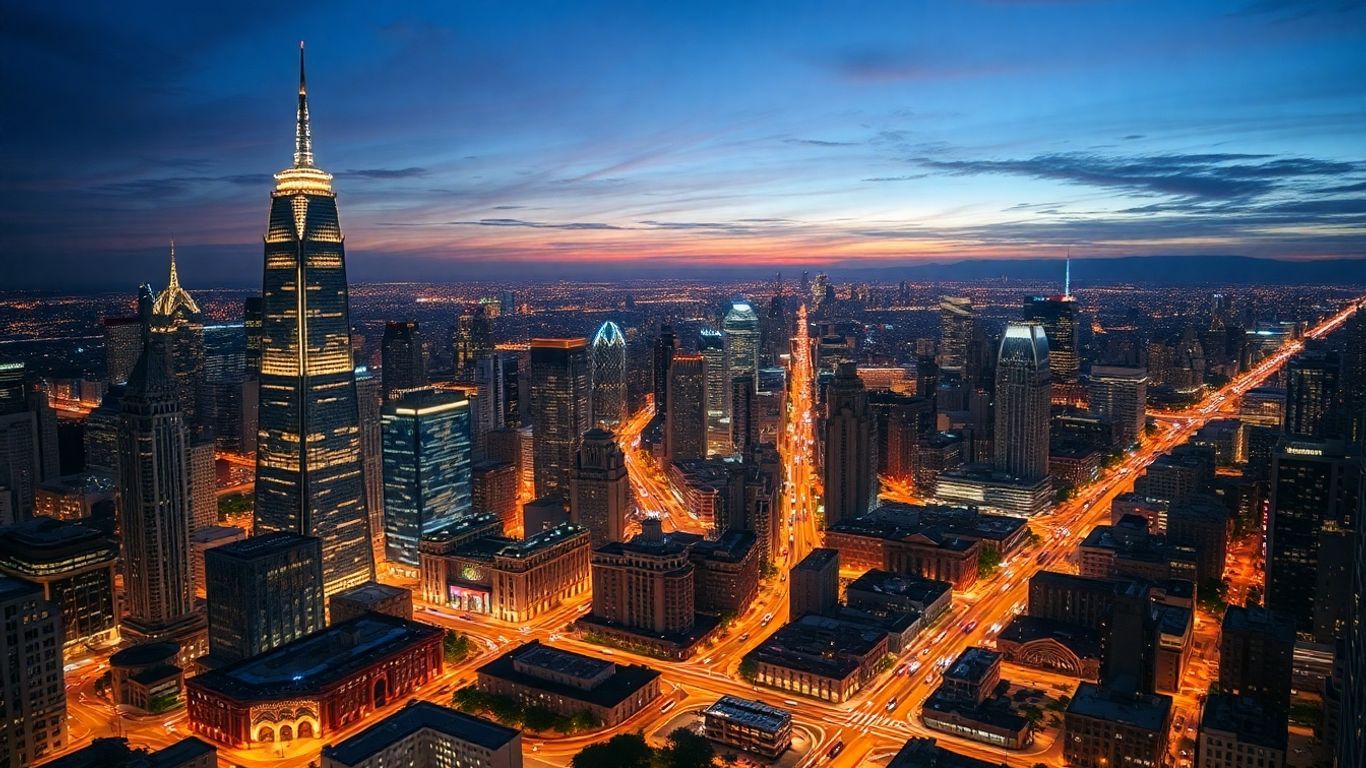
Ah, traffic. It truly is the bane of many a mayor's existence in Cities: Skylines. You've painstakingly constructed a visually stunning city, zoned it with meticulous precision, and then—BAM!—cars are backed up for miles, your citizens are grumbling, and your city's once-thriving economy grinds to a disheartening halt. It can sometimes feel as though the game is less about crafting a dream metropolis and more about the Sisyphean task of managing endless traffic jams. But fear not; despair is unwarranted, as there are indeed effective strategies to tackle this pervasive issue.
Understanding Traffic Flow Dynamics
Before you can effectively mitigate traffic, it's crucial to grasp the underlying reasons for its occurrence. In Cities: Skylines, vehicles operate on a complex pathfinding system that dictates their routes. Occasionally, this system can exhibit peculiar behaviors, such as multiple lanes inexplicably merging into one, or vehicles stubbornly refusing to execute a turn even when it represents the most direct route. This isn't always indicative of a bug; quite often, it's a direct consequence of how roads are interconnected and how demand for various destinations is distributed across your urban fabric.
- Lane Usage: A common observation is that vehicles often favor the leftmost lanes on highways and major thoroughfares. This tendency can inadvertently generate congestion, especially if an exit or the next crucial turn is located on the right. It’s a frequent point of frustration for players, to be sure.
- Pathfinding Quirks: The game's AI doesn't always, shall we say, choose the most intuitively logical path. This is particularly noticeable in complex intersections or when a multitude of routes are theoretically available.
- Demand and Supply: An elevated demand for specific goods or services in a particular area, when coupled with restricted road access, will, quite predictably, lead to significant traffic buildup.
The game's traffic AI can, at times, exhibit behaviors that are rather peculiar. It's not always about adhering strictly to real-world driving logic; rather, it's about how the game internally calculates the shortest or most 'efficient' path based on its predefined rules. Grasping these intrinsic quirks is, in itself, half the battle won.
Implementing Efficient Road Networks
Your road layout isn't just arbitrary lines on a map; it's the fundamental backbone governing your city's traffic flow. A meticulously designed network can ensure smooth, continuous movement, whereas a poorly conceived one will inevitably lead to perpetual gridlock.
- Road Hierarchy: Adopt a layered approach by considering different types of roads for distinct purposes. Utilize highways for long-distance travel, main arteries for connecting major districts, and smaller streets for local access. A key tip: endeavor to minimize the number of intersections that are placed too closely together on your primary routes.
- Intersections: Design your intersections with utmost care. Thoughtfully incorporating turning lanes, traffic lights, and even roundabouts (once they become available) can significantly enhance traffic management. Where feasible, try to avoid T-junctions on heavily trafficked roads.
- One-Way Streets: The judicious and strategic deployment of one-way streets can be incredibly effective in directing traffic flow and proactively preventing head-on collisions, particularly within dense urban sectors.
- Lane Management: Pay diligent attention to the number of lanes available. Ensure that roads leading into bustling areas possess adequate capacity, and that highway exits are equipped with a sufficient number of lanes to smoothly handle merging traffic.
Exploring Public Transportation Solutions
When your road infrastructure alone proves insufficient, public transportation emerges as your indispensable ally. Successfully encouraging citizens to forgo their personal vehicles in favor of buses, trains, or trams can dramatically alleviate road congestion, offering a sustainable path forward for your growing metropolis.
- Buses: An excellent starting point, buses effectively connect residential areas to commercial and industrial zones. They offer remarkable flexibility and are relatively cost-effective to implement, making them a go-to early solution.
- Trains and Metro: These options are ideally suited for high-capacity, high-speed transit over greater distances. They excel at connecting disparate parts of a sprawling city or efficiently moving vast numbers of daily commuters.
- Trams: A robust choice for medium-density areas, trams strike an effective balance between passenger capacity and operational flexibility. While they can often share road space with cars, providing dedicated lanes will yield superior results and efficiency.
- Connections: Meticulously ensure that your public transport stops are strategically positioned and that different lines seamlessly connect to each other, facilitating effortless transfers. A truly well-integrated network is absolutely pivotal for encouraging widespread ridership.
Expanding Your Cities: Skylines Domain
As your burgeoning metropolis continues its upward trajectory, you'll naturally find yourself pressing against the boundaries of your initial land tile. This marks the commencement of an exhilarating new phase: expansion. This allows you to claim fresh territory and, in doing so, sculpt a far more expansive urban landscape. It's not merely about getting bigger; it's about cultivating smart, sustainable growth and deftly adapting to the unique challenges and opportunities the game presents.
Unlocking New Geographic Regions
The organic growth of your city is intrinsically linked to reaching specific milestones. As you achieve predetermined population thresholds and various city development objectives, you'll earn the invaluable ability to acquire new land tiles immediately adjacent to your existing urban footprint. These tiles are rarely just empty spaces; they frequently boast diverse terrain features, contain valuable resources, and sometimes even offer distinct geographical advantages. Pause to consider, for instance, how a meandering river might be the perfect spot for a new water source, or how a picturesque hilly area could be ideally developed for scenic residential zones. What new possibilities will your next acquisition unveil?
- Milestone Progression: Keep a keen eye on your milestone progress bar. Each successfully met milestone unlocks access to new buildings, enhanced services, and, most crucially, the coveted opportunity to purchase additional land.
- Strategic Tile Choice: When presented with multiple available tiles, carefully deliberate what your city currently needs most. Is it more expansive industrial space? A fresh locale for dynamic commercial hubs? Or perhaps a vast expanse earmarked for tranquil parks and engaging recreation facilities?
- Resource Management: Some tiles may harbor valuable natural resources, such as rich ore deposits or fertile agricultural land. Securing these resources early in your development can confer significant economic benefits further down the line.
Strategic Land Acquisition
The act of purchasing new land tiles represents a substantial financial investment, making thoughtful, proactive planning an absolute imperative. Resist the urge to simply acquire the closest available tile; instead, envision the long-term trajectory for your city. Consider how new road networks will seamlessly integrate, where future residential enclaves might naturally extend, and how you intend to manage the intricate flow of traffic between your established and newly acquired districts. Undertaking careful planning now will undoubtedly spare you a multitude of logistical headaches and costly reworkings in the future.
While the initial setup of your city holds undeniable importance, resist any internal pressure to expand too rapidly. A meticulously managed, compact starting area is unequivocally superior to a sprawling, chaotic mess that constantly siphons away your precious budget. Prioritize perfecting the fundamentals before you begin acquiring every available plot of land.
Adapting to Diverse Terrains
Each new tile you bring into your domain will invariably present its own unique blend of challenges and opportunities, directly shaped by its inherent terrain. Flat plains, for instance, offer ease of construction but might lack distinct character. Hilly or mountainous regions provide breathtaking views for residential developments but necessitate more intricate road networks and often entail higher construction costs. Coastal tiles could be perfect for bustling ports or vibrant tourist areas, while land rich in natural resources can underpin specialized industries. You'll need to flexibly adjust your building strategies to harmonize with the prevailing landscape, ensuring each expansion feels like a fresh, engaging puzzle to unravel. Learning to work sympathetically *with* the land, rather than aggressively *against* it, is fundamental to creating a believable and truly functional city. This adaptive mindset, indeed, is what distinguishes a mere functional town from a truly impressive urban masterpiece.
Here's a quick look at how terrain can influence your decisions:
| Terrain Type | Advantages | Challenges |
|---|---|---|
| Flat Plains | Easy construction, high density potential | Can be monotonous, limited natural features |
| Hilly/Mountainous | Scenic views, natural barriers for districts | Difficult road construction, higher building costs |
| Coastal/Waterfront | Port development, tourism, unique aesthetics | Flood risk, limited buildable land, specialized infrastructure |
| Forested | Natural beauty, potential for lumber industry | Clearing land, fire risk, habitat preservation |
| Resource Rich | Industrial specialization, economic boost | Environmental impact, potential for depletion |
Mastering Advanced Cities: Skylines Design
So, you've competently handled the fundamentals. Your roads are flowing smoothly, your zones are bustling with activity, and, for the most part, your citizens aren't staging protests. Now, it's time to truly delve into what elevates a city from merely functional to genuinely extraordinary. This is the juncture where we move beyond simply constructing a habitable place and begin the nuanced art of crafting a metropolis imbued with personality and profound depth.
Utilizing the Skill Tree for Progression
Cities: Skylines II thoughtfully introduces a comprehensive skill tree, which effectively serves as your city's organic progression system. As your urban center expands and successfully achieves specific milestones, you'll earn valuable points to strategically allocate towards unlocking new features and abilities. This isn't just about gaining access to more buildings; it's about actively shaping the very identity and long-term trajectory of your city. Do you, for instance, wish to prioritize an efficient public transport network early on, or perhaps champion unique industrial specializations? The choices you make within this tree will undeniably ripple throughout your entire gameplay experience. It's an intelligent mechanism for guiding your development without ever dictating every single step.
- Early Game Focus: During the initial phases, prioritize essential services and fundamental road upgrades to ensure your early growth remains smooth and unimpeded.
- Mid-Game Specialization: As your city matures, decide whether you wish to lean into tourism, bolster industry, or perhaps cultivate a city more centered on residential appeal. The skill tree thoughtfully offers distinct pathways for each.
- Late-Game Expansion: Unlock advanced features such as specialized districts, unique city-wide policies, and more intricate transportation options to truly refine and perfect your sprawling city.
The skill tree, then, is your direct conduit for influencing your city's future. It's wise to consider the kind of urban environment you ultimately aspire to build before you begin spending those hard-earned points.
Implementing Unique Architectural Styles
Beyond the purely functional aspects, the aesthetic appeal of your city is undeniably paramount. While the base game offers a commendable array of architectural styles, true mastery emerges from curating a cohesive and visually striking look. This involves the thoughtful, deliberate placement of buildings, the artful use of landscaping tools to define distinct neighborhoods, and a keen understanding of how diverse building types interact visually. You might, for example, choose for your downtown core to feature sleek, modern skyscrapers, while your older districts proudly showcase charming, historically inspired structures. The cornerstone here is an unwavering commitment to both consistency and intentionality in all your design choices.
Leveraging Mods and Assets for Customization
For those eager to push the creative boundaries even further, the expansive world of mods and custom assets is where your city can genuinely evolve into a one-of-a-kind creation. The community surrounding Cities: Skylines is incredibly vibrant and active, consistently producing everything from meticulously detailed new building models and unique props to entirely novel gameplay mechanics. While embracing this path often requires a slightly greater degree of technical understanding—and can occasionally influence game performance—it offers an unparalleled degree of creative freedom. You can discover assets that perfectly match specific historical periods, meticulously craft hyper-realistic industrial zones, or even conjure fantastical cityscapes limited only by your imagination. Exploring these myriad options can profoundly transform your game into a deeply personalized sandbox for urban design, enabling you to build your dream city with an almost limitless palette of possibilities.
- Research: Prior to downloading, always diligently check reviews and compatibility notes for any mods and assets you're considering.
- Organization: Maintain your downloaded content in an organized fashion; this helps prevent conflicts and significantly streamlines any necessary troubleshooting.
- Experimentation: Don't shy away from trying new things, but as a crucial safeguard, always back up your save files before implementing any major changes.
Your City Awaits
So, you've thoughtfully journeyed through the fundamental principles of city design in Cities: Skylines. From meticulously laying down those inaugural roads to expertly managing intricate traffic flows and, critically, ensuring your citizens remain content, you've absorbed a wealth of essential knowledge. Remember, every magnificent metropolis began somewhere, often with a straightforward plan, a healthy dose of experimentation, and numerous iterations of trial and error. Therefore, don't hesitate to experiment boldly, learn gracefully from any missteps, and, most importantly, relish the immersive process of constructing the city of your dreams. The tools are now firmly in your hands, and the realm of possibilities is as vast and boundless as your own imagination. Now go forth, esteemed Mayor, and build something truly extraordinary.
Frequently Asked Questions
What is Cities: Skylines about?
Cities: Skylines is an incredibly engaging simulation game that empowers you to assume the role of mayor, granting you the exciting opportunity to construct your very own city from its nascent beginnings. You'll make all the crucial decisions, from strategically placing roads and residential areas to establishing bustling commercial districts and industrial zones. Ultimately, the game is a nuanced exercise in meticulous planning and creative design, all aimed at ensuring your city is both aesthetically pleasing and highly functional for its inhabitants.
How do I start building my city?
To properly commence your urban development, you'll first need to establish the foundational utilities, such as robust power and water systems, alongside effective sewage management. Following these essential installations, proceed to lay down a basic road network. From there, you can begin to zone distinct areas for residential dwellings, commercial enterprises, and industrial workplaces, gradually bringing your city to life.
Why is traffic such a big problem in the game?
As your city inevitably expands and its population swells, more and more citizens take to the roads in their personal vehicles. Effectively managing how these cars navigate your urban landscape without succumbing to persistent congestion becomes an incredibly significant, indeed central, challenge within the game. Many players will even humorously concede that it often feels more akin to a 'traffic management simulator' than a traditional city builder!
Can I make my city look really unique?
Absolutely, the possibilities for customization are immense! You have the creative freedom to construct a wide array of distinctive features, including towering skyscrapers, beautifully landscaped parks, and even iconic landmarks. The game provides extensive tools for shaping your city's visual identity, and for those seeking even greater individuality, a vibrant community creates special add-ons, often called 'mods,' to personalize their cities further.
What are the 'skill trees' in Cities: Skylines II?
In Cities: Skylines II, as your city successfully achieves certain development goals and milestones, you'll unlock access to new capabilities and options via a 'skill tree.' This system allows you to strategically choose new elements to build, such as complex roundabouts or advanced traffic light systems, thereby empowering you to progressively enhance your city's infrastructure and functionality.
Is Cities: Skylines good for beginners?
Indeed, Cities: Skylines is an excellent entry point for individuals new to the genre of city-building games! The more recent versions feature exceptionally helpful tutorials that expertly guide you through the fundamental aspects of constructing roads, designating zoned areas, and establishing critical services like electricity and water, making the initial learning experience considerably smoother and more accessible.


