


resources
Exploring the Largest Cities in Britain by Population
Industry Expert & Contributor
14 Jun 2025

Britain is home to some amazing cities, each with its own vibe and history. Ever wonder which ones are the biggest? It’s not just about how many people live there, but also how these numbers shape the city itself. We’re going to take a look at the largest cities in Britain by population, checking out what makes them tick, from their economy to their unique culture.
Key Takeaways
- London is by far the biggest city in the UK, both in terms of people and land area.
- The UK has a bunch of different cities, and each one has its own special feel.
- From London’s old buildings to Liverpool’s music scene, there’s something for everyone.
- Lots of the UK’s biggest cities grew a lot during the Industrial Revolution.
- Today, these major cities are still super important for the country’s money and culture.
Understanding Population Dynamics in Britain’s Major Cities
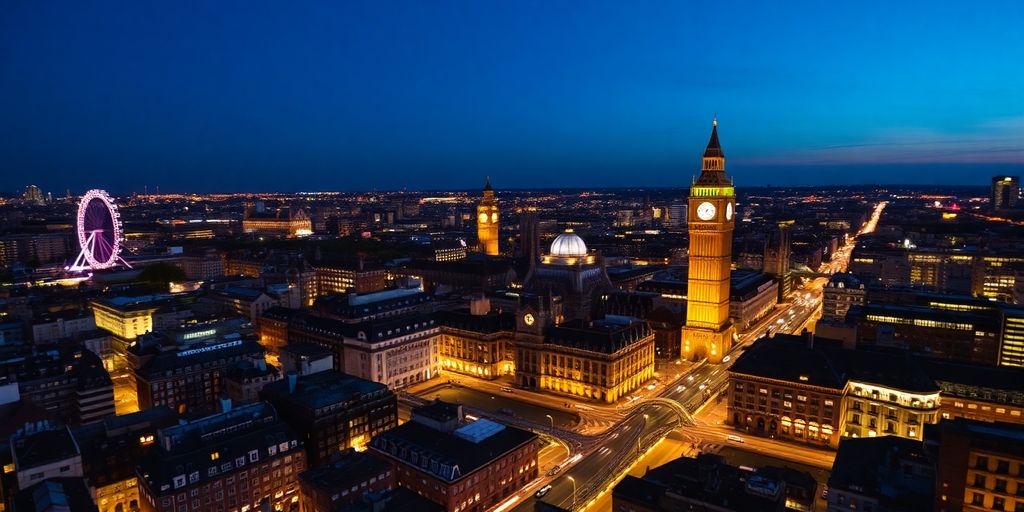
It’s interesting to look at how populations change in big cities across Britain. You see growth, movement, and all sorts of things happening. The national numbers show that cities in the UK keep pulling people in. This makes them grow and adds to the different cultures you find there.
Key Factors Influencing Urban Growth
So, what makes cities get bigger? Well, a few things. More people are born than die, and more people come to live in the city than leave. London is a big example of this. It’s growing fast because it’s a global business center that attracts young people and people from other countries. This growth is good, but it also means the city needs more homes, better roads, and more services for everyone.
Demographic Shifts in British Cities
British cities are changing. More people want to live in cities because they offer jobs, schools, and fun things to do. As cities get more crowded, it’s important to plan carefully and spend money on things like transportation and housing. This way, the city can grow without making life hard for the people who live there. It’s all about making sure everyone has a good place to live and can enjoy city life. Understanding population trends is key.
Population Density and Urban Planning
Migration has really changed the populations of cities. Cities have become popular for people looking for new chances and experiences. This has made them more culturally diverse. When new people come, they bring different skills, ideas, and traditions, which makes the cities richer and more interesting. But, this also means we need to think about how to make sure everyone feels welcome and has what they need to succeed. Urban growth can lead to problems like not enough affordable housing, traffic jams, and public services being stretched too thin. But, good city planning and smart choices can help fix these problems. They can make cities where everyone can do well and feel like they belong.
It’s important to understand how population trends affect cities. Urban growth leads to challenges like finding affordable housing, traffic issues, and stretched public services. Good city planning and smart policy choices can help solve these problems. They can create cities where everyone can thrive and feel included.
Exploring Britain’s Most Populous Urban Centers
London’s Dominance in Population
Okay, so let’s talk about London. It’s not exactly news that London is huge, but it’s worth digging into just how huge it is. London is by far the most populous city in the UK, and it’s not even close. It’s the kind of place where you can walk for hours and still feel like you’ve only seen a tiny fraction of it. The sheer number of people living there shapes everything from its economy to its culture. You can find more information about London’s population online.
Birmingham’s Significant Urban Presence
Birmingham is another big player in the UK urban scene. It’s often called the "second city," and for good reason. It’s a major hub for industry, culture, and education. It has a rich history, especially tied to the Industrial Revolution, and that legacy still influences the city today. It’s a diverse place with a lot to offer, and it’s definitely a city on the rise. Here are some key aspects of Birmingham:
- A major industrial center.
- A diverse cultural scene.
- Home to several universities.
Leeds and Glasgow: Northern Powerhouses
Moving up north, we have Leeds and Glasgow. These cities are real powerhouses in their respective regions. Leeds is a major financial and commercial center, while Glasgow has a strong industrial heritage and a vibrant arts scene. Both cities have seen significant regeneration in recent years, and they’re becoming increasingly important players on the national stage. They each have their own distinct character, but they share a common thread of resilience and innovation.
These cities aren’t just about numbers; they’re about people, culture, and history. They’re places where things are happening, where new ideas are born, and where the future is being shaped. Understanding their role is key to understanding the UK as a whole.
Economic Impact of Britain’s Largest Cities
Contribution to National GDP
Britain’s biggest cities are economic powerhouses, plain and simple. They aren’t just collections of buildings and people; they’re major drivers of the UK’s overall financial health. London, of course, takes the crown, contributing a huge chunk to the national GDP. But it’s not a one-city show. Places like Manchester and Birmingham also play a big role, each with its own strengths.
Think of it this way:
- London: Finance, tech, and a whole lot more.
- Manchester: Media, digital, and science stuff.
- Birmingham: Manufacturing and engineering.
These cities attract investment, spark innovation, and create jobs. It’s a ripple effect that benefits the entire country. In 2023, London’s GDP exceeded 569 billion British pounds, making it the UK’s highest-contributing region.
Job Markets and Employment Opportunities
If you’re looking for a job, big cities are where it’s at. They’re packed with businesses, government offices, and cultural spots, which means tons of different job options. You’ve got high-paying gigs in finance, tech, and law, but also plenty of service jobs in retail, hospitality, and tourism. It’s a mix that attracts people with all sorts of skills and backgrounds.
Local governments often try to boost job creation with training programs. This helps people get the skills they need for in-demand jobs. Plus, the universities in these cities are job-market feeders. Graduates often stick around, adding fresh talent and driving economic growth. The arrival of new people brings various skills, viewpoints, and traditions, making these urban areas richer and more colorful. Migration helps the economy, too. New arrivals join the workforce, start businesses, and increase the number of customers. Plus, the exchange of different cultures brings fresh ideas, food, and art, making these cities lively and modern.
Challenges of Economic Inequality
Okay, it’s not all sunshine and rainbows. Big cities also face some serious challenges, especially when it comes to economic inequality. Competition for jobs can be fierce, and the gap between the rich and poor can be pretty wide. Cost of living is a big factor, too. Housing, transportation, and everyday expenses can be tough for some people to manage. It is important to work on these economic inequalities so that everyone can benefit from growth in urban areas.
Addressing these inequalities is key to making sure everyone benefits from the economic success of these cities. It’s about creating opportunities for all, not just a few.
Here’s a quick look at some of the issues:
- Wage disparities: Some jobs pay way more than others.
- Housing costs: Rent and home prices can be crazy high.
- Access to resources: Not everyone has the same access to education, healthcare, and other important services.
Historical Significance of Britain’s Major Cities
Industrial Revolution’s Lasting Legacy
Britain’s major cities were at the heart of the Industrial Revolution. Manchester, for example, transformed into a global textile manufacturing hub during the 18th and 19th centuries. This rapid industrial growth led to significant population increases, economic changes, and societal shifts. The remnants of this era, such as old mills, canals, and warehouses, still stand as testaments to Manchester’s industrial past.
- The Industrial Revolution spurred technological advancements.
- It created new job opportunities.
- It also led to significant social and environmental challenges.
The Industrial Revolution not only reshaped the physical landscape of these cities but also laid the foundation for their future economic and social development. It’s a period that continues to influence urban planning and economic strategies today.
Evolution of Urban Landscapes
The urban landscapes of Britain’s major cities have evolved dramatically over centuries. London, with its history spanning over two millennia, began as a Roman settlement and grew into a global metropolis. The city’s iconic landmarks, including the Tower of London, Buckingham Palace, and the Houses of Parliament, reflect different eras and pivotal moments in British history. These cities have shown remarkable resilience, rebuilding after events like the Great Fire and World War II bombings. This ability to adapt has shaped their unique character.
Cultural Heritage and Development
The cultural heritage of Britain’s major cities is rich and diverse, shaped by centuries of migration, trade, and cultural exchange. London, a melting pot of cultures, exemplifies this diversity with its varied cuisine, music, art, and traditions. These cities are home to numerous historical sites, from ancient ruins and medieval castles to Victorian buildings and industrial landmarks. The UK’s commitment to preserving its heritage is evident in its many museums, art galleries, and historical sites. These institutions play a vital role in educating both locals and visitors about the nation’s past and its contributions to art, literature, science, and technology. You can see the local government reforms that have shaped these cities.
Unique Aspects of Britain’s Largest Cities
Cultural Diversity and Vibrancy
The UK’s biggest cities are melting pots, plain and simple. You’ve got generations of people coming from all over, mixing things up. It’s not just about having different restaurants (though that’s a plus!). It’s about how people live, what they create, and how they see the world. This cultural mix is what makes these cities so vibrant.
Think about it:
- Festivals celebrating different cultures pop up all the time.
- You can find food from pretty much anywhere on the planet.
- The art scene is constantly changing because of all the different influences.
It’s easy to take this diversity for granted if you’ve lived here your whole life, but it’s a huge draw for people moving to the UK. It creates a sense of openness and acceptance that you don’t find everywhere.
Architectural Styles and Landmarks
From super old castles to shiny new skyscrapers, these cities have it all. You can walk down one street and see buildings from three different centuries. It’s like a history lesson just by looking around. The historical landmarks are a big part of what makes each city unique.
Here’s a quick rundown:
- London: Iconic structures like the Tower of London and the Houses of Parliament.
- Edinburgh: Dominated by its historic castle perched atop an extinct volcano.
- Bath: Famous for its well-preserved Roman baths and Georgian architecture.
Innovation and Modern Development
These cities aren’t just about the past; they’re also looking to the future. There’s a ton of investment in new technologies, green initiatives, and creative industries. Universities play a big role, churning out graduates and research that fuels innovation. Plus, you’ve got a lot of startups and tech companies setting up shop, drawn by the talent and opportunities. This focus on population dynamics helps the cities stay competitive on a global scale.
Here’s a quick look at some areas of innovation:
- Fintech: London is a major hub for financial technology.
- Green Tech: Cities like Bristol are leading the way in sustainable technologies.
- Creative Industries: Manchester is known for its music and media scene.
Working Age Populations in British Cities
Distribution of Working Age Residents
Okay, so when we talk about the working-age population, we’re generally looking at people between 16 and 64. Across the UK, this group makes up a pretty significant chunk of the population. According to recent estimates, around 62.8% of the UK population falls into this category. That’s a lot of potential workers! But, the distribution isn’t even across all cities. Some cities have a much larger proportion of working-age folks than others. For example, cities with big universities or major industries tend to attract and retain more people in this age bracket. London, being a global hub, has a large working-age population, but so do places like Cambridge and Manchester. It’s all about where the jobs and opportunities are. Understanding the poverty impact on this demographic is key to addressing economic disparities.
Impact of Universities on Workforce
Universities play a huge role in shaping the workforce of a city. They not only educate future workers but also attract a younger demographic, boosting the working-age population. Think about it: students come to a city for their studies and often end up staying after graduation, especially if there are good job prospects. This influx of young, educated individuals can have a significant impact on the local economy. Cities like Oxford and Cambridge, known for their prestigious universities, have some of the highest proportions of working-age residents. It’s a pretty clear connection. Plus, universities often collaborate with local businesses, creating even more opportunities for graduates and contributing to the overall economic vitality of the area.
Regional Variations in Employment
Employment rates can vary quite a bit depending on where you are in Britain. Some regions have booming economies with plenty of job opportunities, while others struggle with higher unemployment rates. This can be due to a number of factors, including the types of industries present in the area, the level of education and skills among the workforce, and government policies. For example, London and the South East generally have higher employment rates compared to other parts of the country. But, cities in the North, like Manchester and Leeds, are working hard to close that gap by investing in new industries and infrastructure. It’s a complex picture, but understanding these regional variations is crucial for addressing economic inequality and promoting growth across the country.
It’s interesting to see how different cities are adapting to changing economic conditions. Some are focusing on attracting tech companies, while others are investing in renewable energy or creative industries. This diversification is key to creating a resilient economy that can withstand future challenges.
Here’s a quick look at some cities and their estimated working-age populations:
- London: Over 68% of the population is aged 16-64.
- Birmingham: Around 64.8% of residents are of working age.
- Leeds: Approximately 65.5% of the population falls into the 16-64 age group.
- Glasgow: A significant 70.5% of the population is within working age.
Conclusion
So, we’ve looked at the biggest cities in Britain. Each one, from London’s busy streets to Manchester’s industrial past, adds something special to the country. Knowing about their populations, economies, and histories helps us get a better idea of what urban life in Britain is like. Birmingham has a lot of different people and cultures, and Bristol has a cool history with the sea. These cities really help make Britain what it is, and they offer lots of chances for people to grow and explore. Go check out the lively feel of Britain through its biggest cities, and see all the great things they have to offer.
Frequently Asked Questions
Why is London the biggest city in the UK?
London is the biggest city in the UK because it’s the capital and a major hub for business, money, and culture. Lots of people move there for jobs and opportunities, making its population grow steadily.
What are some of the biggest cities in the UK?
The UK has many large cities, like London, Birmingham, Manchester, Glasgow, and Leeds. These cities are important for different reasons, like business, history, and culture.
What makes a city’s population change?
The population of a city changes because of things like people moving in or out, birth rates, and death rates. Good job opportunities and universities can make a city’s population grow.
How do big cities help the country’s economy?
Big cities help the country’s economy a lot. They create many jobs, attract businesses, and bring in money through tourism and trade. They are like engines for the whole country’s economy.
How did history shape the UK’s major cities?
Many of the UK’s big cities grew a lot during the Industrial Revolution, when factories and industries were booming. This history shaped them into the busy places we see today, with lots of old buildings and new developments.
Why do some cities have more working-age people?
Cities like London and Manchester have a high number of working-age people because they offer many jobs and have good universities. Young people often move there for school and then stay for work, which keeps the workforce strong.


