
Cities
The Rise of Cities in Texas: A Deep Dive into the Lone Star State's Urban Boom

Cities in Texas are exploding fast! From Princeton’s record-breaking growth to Austin’s tech boom, the Lone Star State is rewriting the rules of urban living. But with skyrocketing demand comes big challenges: Can Texas balance affordability, infrastructure, and sustainability?
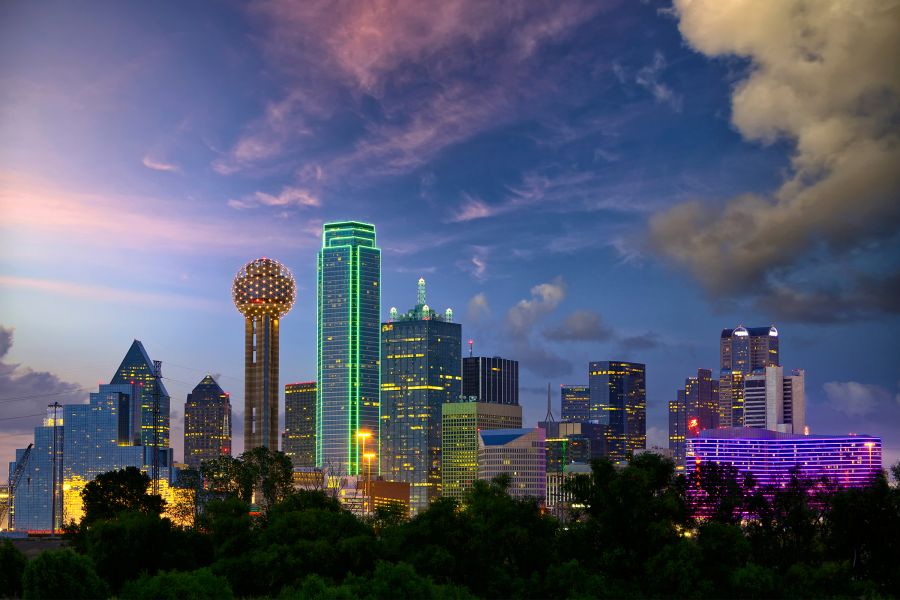
The recent phenomenon happening in Texas starts to be more and more acclaimed. More and more people are moving to the ‘Lone Star State’ as you’re reading this article.
Texas, the second-largest state in the U.S., has always been known for its vast landscapes, booming economy, and distinctive cultural identity. In recent years, however, the state’s cities have become hotspots for rapid urban growth. The population surge, fueled by an influx of newcomers, has transformed Texas cities into dynamic hubs of opportunity.
Yet, with this growth comes a pressing need for strategic urban planning that balances development with sustainability. In this article, we’ll examine the fastest-growing cities in Texas, the factors driving this growth, the challenges on the horizon, and the strategies that can ensure the state’s continued success.
Cities in Texas on the Rise: Rapid Growth and Increasing Popularity
Texas has been a primary destination for migration from across the country and even abroad, largely due to its relatively low cost of living, business-friendly environment, and abundant job opportunities. Between 2023 and 2024, the Texas Triangle—the region encompassing Austin, Dallas-Fort Worth, Houston, and San Antonio—has experienced some of the highest population growth in the nation. According to U.S. Census Bureau estimates, cities like Princeton and Fulshear have skyrocketed in population, while others like Celina and Leander are also witnessing meteoric growth. The Texas Triangle alone is home to nearly 23 million people, accounting for more than half of the state’s population.
In terms of national rankings, Princeton topped the list, not only as the fastest-growing city in Texas but also in the entire country. According to Census data, Princeton’s population grew by an astounding 30.6% in just one year, as its once small-town vibe quickly morphed into an appealing suburban community for young professionals and families. Other cities in the area, such as Fulshear, Celina, and Hutto, also experienced significant population surges, driven by their proximity to major metropolitan hubs and the affordability of living in these areas compared to the core cities.
Read article: Top 10 Most Growing Cities in Texas
Key Factors Behind Texas’ Urban Growth
Affordability: A Major Draw for New Residents
One of the main reasons cities in Texas are attracting new residents is the relatively low cost of living. Compared to other major metropolitan areas like New York, San Francisco, or Los Angeles, Texas offers an attractive proposition for people seeking affordable housing, lower taxes, and an overall reasonable cost of living.
For example, Princeton, the fastest-growing city in the U.S., boasts a median home price of just $337,000—significantly lower than cities along the coasts. As of 2024, Texas also maintains a no state income tax policy, allowing residents to retain more of their income than they would in states like California or New York. This financial advantage has made the state particularly appealing to retirees, remote workers, and families who want to stretch their dollar further while still enjoying urban amenities and job opportunities.
Proximity to Major Job Markets
cities in Texas, especially those within the Texas Triangle, offer proximity to major job markets in industries like tech, energy, healthcare, and finance. For instance, Dallas-Fort Worth serves as a major hub for industries like banking, technology, and logistics, while Houston is the energy capital of the world, providing ample opportunities in oil, gas, and renewable energy. These cities are ideal for professionals looking to advance their careers while enjoying lower living costs compared to cities like Silicon Valley or Manhattan.
In suburban areas like Leander and Celina, people benefit from access to the job markets in Austin and Dallas while enjoying the space and lower housing costs of the suburbs. Additionally, the state’s ongoing infrastructure development, including expanded highways and public transit systems, continues to support this trend by making commuting from suburban cities easier.
Community and Quality of Life
While affordability and job opportunities are key, cities in Texas are also appealing for their quality of life. From the cultural vibrancy of San Antonio to the outdoor lifestyle in Austin, there is no shortage of entertainment, recreation, and community-building activities. Celina, for example, has made a name for itself not only with affordable homes but also with a strong community ethos, hosting over 25 events each year, including festivals like Cajun Fest and Christmas on the Square. The town’s welcoming atmosphere makes it an attractive option for retirees and young families alike.
Additionally, cities in Texas have a rich history and strong cultural ties that help foster a sense of pride and community. San Antonio, with its deep Hispanic roots, offers retirees a chance to experience a blend of history, food, music, and entertainment. Other cities like McKinney and Georgetown boast beautiful, historic downtown areas that attract visitors and residents seeking a peaceful, small-town atmosphere while remaining within driving distance of major cities.
Read article: Best Cities in Texas for Young Professionals
Challenges of Rapid Growth: Infrastructure, Traffic, and Housing Demand
While the Texas urban boom is largely positive, it does come with challenges. The sheer speed of growth has placed significant pressure on the state’s infrastructure, transportation systems, and housing markets. Cities like Princeton and Fulshear are struggling to keep pace with the demand for housing, leading to delays in construction projects and rising home prices. This growing demand has made affordability a moving target in some areas.
Transportation is another critical challenge. As more people flock to suburban cities, traffic congestion in the Texas Triangle continues to worsen. For instance, Houston and Dallas are notorious for long commute times, which can impact retirees’ quality of life. Efforts are underway in many Texas cities to expand public transit and improve road infrastructure, but these projects often require significant investments of time and money.
Environmental sustainability is also becoming a growing concern as cities expand outward into rural areas. Texas cities are grappling with issues related to water conservation, air quality, and green spaces. While many cities have launched sustainability initiatives—such as Austin’s 2050 carbon neutrality goal and Houston’s Climate Action Plan—the challenge remains to balance growth with the preservation of the state’s natural resources.
Cities in Texas Growing the Fastest: Key Metrics
The following table showcases the fastest-growing cities in Texas based on U.S. Census Bureau data, with an emphasis on population growth and housing affordability.
| Rank | City | Population (2024) | Growth Rate (2023–2024) | Median Home Price (2024) | Cost of Living Index | Key Sectors |
| 1 | Princeton | 37,019 | +30.6% | $337,000 | 82.0 | Suburban development, retail, healthcare |
| 2 | Fulshear | 59,321 | +16.39% | $398,000 | 95.0 | Energy, tech, retail |
| 3 | Celina | 60,323 | +16.41% | $399,000 | 88.0 | Tech, suburban expansion, family-friendly |
| 4 | Hutto | 42,661 | +9.4% | $335,000 | 89.0 | Technology, retail |
| 5 | Leander | 92,871 | +7.4% | $500,000 | 105.0 | Tech, retail, suburban lifestyle |
| 6 | Seguin | 40,375 | +5.71% | $320,000 | 82.0 | Manufacturing, retail, healthcare |
| 7 | Manor | 24,273 | +9.14% | $325,000 | 85.0 | Retail, construction |
| 8 | Georgetown | 101,344 | +4.8% | $425,000 | 95.0 | Education, retail, tourism |
| 9 | New Braunfels | 110,958 | +4.8% | $375,000 | 94.0 | Retail, tourism |
| 10 | Edinburg | 108,733 | +8.4% | $280,000 | 80.0 | Retail, education |
The Road Ahead: Texas’s Urban Evolution
As Texas continues to grow, its cities must balance development with sustainability. Population growth, while essential for the economy, must be met with investments in infrastructure, transportation, and housing that ensure the quality of life for all residents.
Cities in Texas are at the forefront of a shift in urban planning, with many looking to implement green building practices, renewable energy initiatives, and eco-friendly public transportation systems. However, the rapid urban expansion demands careful planning to avoid pitfalls such as traffic congestion, infrastructure strain, and environmental degradation. By embracing sustainable urban development and smart infrastructure investments, Texas cities will continue to be desirable destinations for new residents while safeguarding the state’s future.
In conclusion, Texas cities’ explosive growth presents both immense opportunity and significant challenges. The cities that lead in growth—like Princeton and Celina—represent the future of Texas: innovative, diverse, and sustainable. If Texas can continue to grow while balancing environmental, social, and economic factors, it will serve as a model for the future of urban living in America.


