
resources
Discover the Most Populous Cities in England: A Comprehensive Ranking
19 Feb 2026

Ever wondered about England's most populous cities? It's a question frequently posed, and when we speak of 'biggest,' we typically refer to their inhabitant count. This particular ranking provides invaluable insight into the demographic distribution across England, from the sprawling capital to its many other significant urban hubs. We'll explore the underlying factors contributing to their expansion and their profound significance for the nation. Ultimately, our focus is on England's cities as defined by population—and the compelling narratives these figures reveal.
Key Takeaways
- London undeniably stands as England's most populous city, dominating by a substantial margin.
- Beyond the capital, several other major urban areas—including Birmingham, Manchester, and Liverpool—emerge as vital population centers.
- Northern England, too, is home to crucial cities boasting considerable populations, notably Leeds and Sheffield.
- Further south, cities like Bristol in the South West and Nottingham in the Midlands also serve as significant demographic hubs.
- Examining England's cities through the lens of population offers valuable insights into both regional distribution and underlying economic activity.
Understanding Cities in England By Population
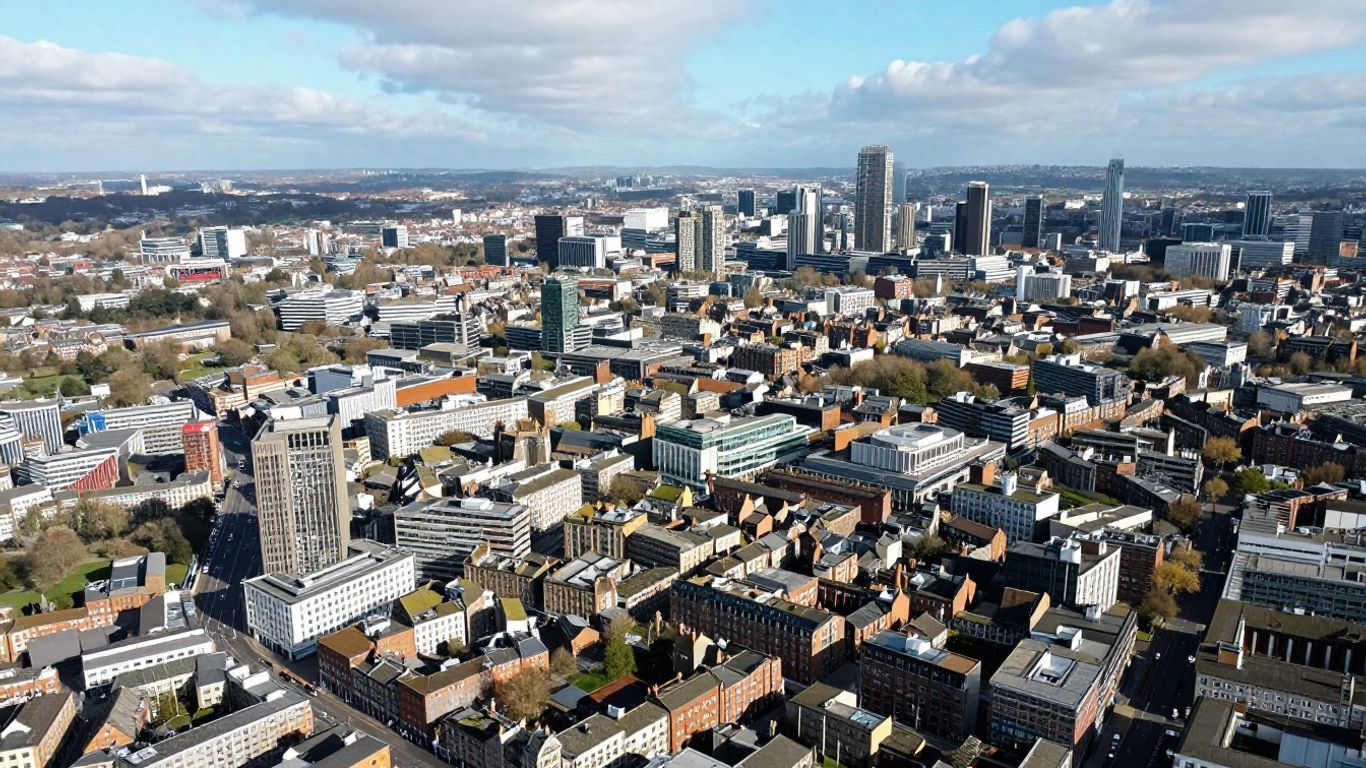
Defining 'Biggest': Population vs. Other Metrics
The notion of a city being 'biggest' often leads us directly to considering its population figures. And indeed, for the scope of this particular article, that's precisely our focus—the sheer number of inhabitants. However, it's crucial to acknowledge that 'biggest' isn't a monolithic term; its interpretation can vary significantly. One might, for instance, consider a city's physical footprint, its expansive land area. Alternatively, the discussion could revolve around economic prowess or its far-reaching cultural influence. Consider London, for example: while it unequivocally leads in population, its geographical expanse is also remarkably substantial when set against other prominent urban centers.
To provide some context, here’s a brief overview of how several major English cities compare in terms of their respective land areas:
| City | Area (sq mi) |
|---|---|
| London | 607 |
| Manchester | 243.4 |
| Birmingham | 231.2 |
| Leeds | 221.0 |
| Liverpool | 204.1 |
The Significance of Population Data for Urban Centers
Indeed, population data offers much more than mere statistics; it truly narrates a city's ongoing story. A substantial populace frequently signals a thriving economy, a richly diverse community, and a notable cultural landscape. It inherently suggests an appealing destination where individuals aspire to reside, work, and perhaps even establish families. For urban planners and policymakers, these figures are absolutely paramount. They provide critical insights into the burgeoning demand for essential services—think housing, public transport, educational facilities, and healthcare provisions. Moreover, such data underscores a city's broader influence, both within its region and across the entire nation. Typically, highly populated cities evolve into dynamic hubs for innovation and vigorous economic activity, spearheading trends that can swiftly permeate the country—much akin to the transformative impact of Industry 4.0 on global economies [cbba].
Sources for Population Rankings
Pinpointing truly accurate population figures can often be a nuanced endeavor, fraught with complexities. Varied surveys and official enumeration exercises may well produce slightly divergent outcomes, largely contingent upon the specific methodology employed and the year of their execution. For the purposes of this ranking, we have meticulously consulted the most recent available data, primarily drawn from official statistical bodies and highly reputable surveys—data generally compiled around February 2026. It's vital to bear in mind that these presented figures pertain specifically to the population residing within a city's defined administrative boundaries, which, quite often, can diverge from the numbers encompassing its broader metropolitan or urban sprawl.
To offer greater clarity, consider these general insights regarding population data:
- Official Census Data: While typically the most reliable source, it might not always reflect the very latest figures.
- Estimates and Projections: Statistical agencies frequently release estimates in the inter-census years to bridge the gap.
- Surveys: A range of organizations conduct surveys, which can offer supplementary perspectives on demographic shifts.
- Defining City Boundaries: The very definition of what constitutes a "city" can vary, directly impacting the final population counts.
London: The Unrivaled Metropolis
London's Dominance in Population
Whenever discussions turn to England's largest cities, one name invariably emerges as the undeniable frontrunner: London. It proudly claims the title not only of England's most populous city but also that of the entire United Kingdom and, indeed, Europe. Its sheer, breathtaking scale truly distinguishes it from all other urban centers. Boasting a population that has comfortably exceeded the 8 million threshold within its Greater London administrative area for some time, and with its wider metropolitan expanse accommodating over 14 million inhabitants, London truly operates in a league entirely of its own. This monumental population isn't merely a statistic; rather, it powerfully underscores the city's enduring status as a preeminent global magnet.
Factors Contributing to London's High Population
So, what precisely underpins London's status as such a formidable population powerhouse? A confluence of factors, developed over centuries, has undeniably played a pivotal role. Historically, its genesis as a key Roman port city afforded it an early, strategic advantage in commercial trade. Subsequently, its evolution into the seat of government and the monarchy irrevocably cemented its national importance. The advent of the Industrial Revolution and the subsequent expansion of the British Empire further catalyzed its growth, drawing individuals from virtually every corner of the globe in pursuit of burgeoning opportunities.
- Economic Opportunities: London remains the primary economic engine for the UK, generating a substantial portion of the nation's GDP. It functions as a global nerve center for finance, insurance, media, and technology, thereby offering an extensive spectrum of high-value employment prospects.
- Educational Institutions: The city hosts an impressive array of world-class universities, attracting a considerable number of both domestic and international students, many of whom frequently choose to remain post-graduation.
- Cultural and Lifestyle Appeal: London's incredibly vibrant arts scene, its wealth of historical landmarks, diverse culinary landscape, and dynamic social life collectively render it an exceptionally appealing place to reside and visit.
- Connectivity: As a vital international transport hub, complete with extensive air and rail networks, London is remarkably accessible, further stimulating both internal migration and international tourism.
London's Role as a Global Hub
Indeed, London's profound influence stretches considerably beyond its mere population statistics. It's a city perpetually in a state of self-reinvention, all while steadfastly upholding its robust global connections. This remarkable adaptability, synergized with its deep historical significance and formidable economic might, unequivocally secures its standing not merely as England's largest city, but as a genuinely world-leading metropolis.
The city's ability to attract people from all walks of life, speaking over 300 languages, creates a unique and dynamic cultural tapestry that influences trends in media, politics, and tourism worldwide.
Major Urban Centers Beyond the Capital
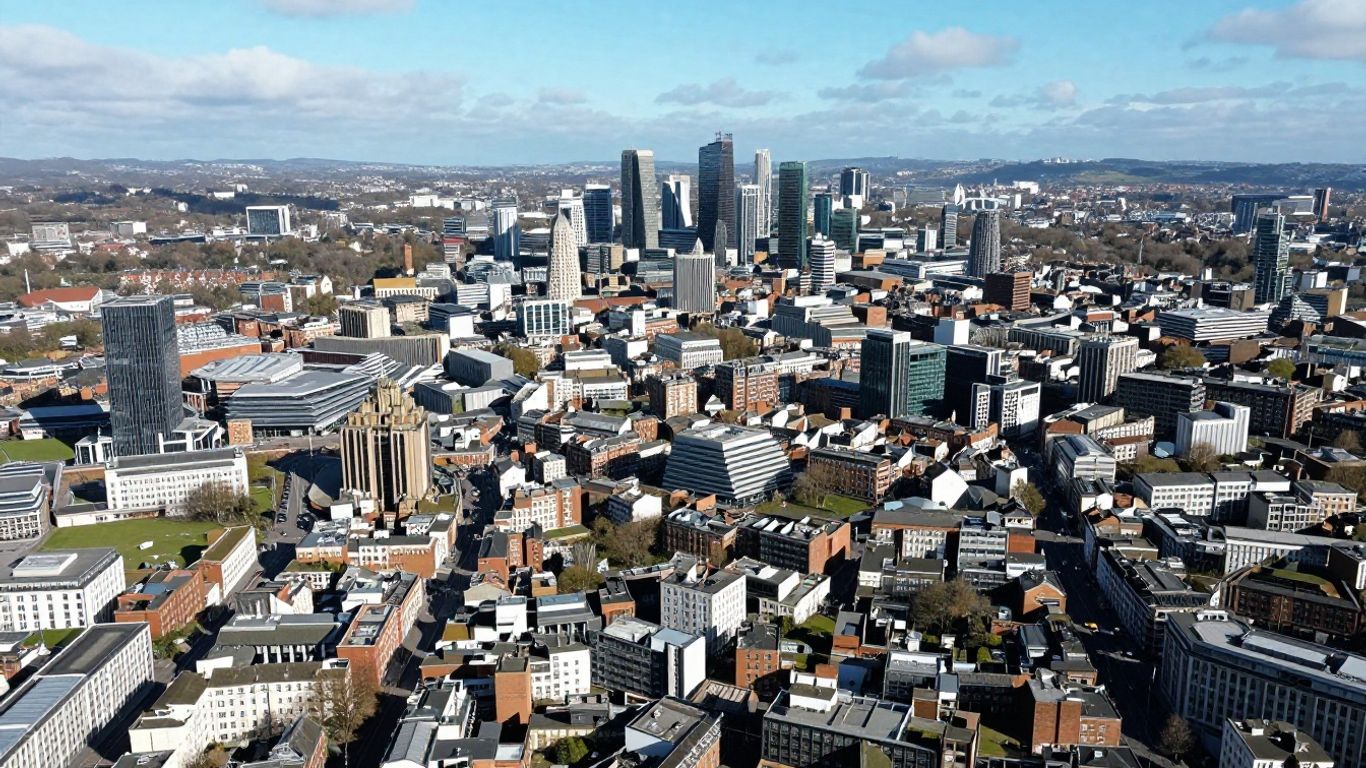
While London undoubtedly reigns supreme as England's most populous city, the nation proudly presents numerous other significant urban areas that contribute vitally to its economic and cultural fabric. These cities—many of them deeply rooted in industrial heritage—have gracefully transformed into dynamic epicenters of commerce, education, and groundbreaking innovation. Let's delve deeper into some of these key players.
Birmingham's Significant Population
Birmingham, a true testament to England's rich industrial past, also embodies a profoundly vibrant present. Historically revered as the "Workshop of the World," this West Midlands powerhouse has undergone a remarkable metamorphosis, evolving from a nexus of skilled craftsmanship and invention into a formidable modern economic engine. Its strategic geographical positioning and a robust, resilient economy consistently attract new residents, firmly establishing it as one of the UK's largest cities by sheer population.
Presently, Birmingham flourishes on a highly diversified economic foundation, featuring particularly strong sectors in finance, technology, and professional services. It proudly hosts several leading universities, which, in turn, draw a youthful, multicultural populace—a significant contributor to its notably energetic atmosphere. What’s more, its excellent transport infrastructure further solidifies its standing as a pivotal urban center.
Manchester's Urban Footprint
Manchester, a city whose very name is synonymous with the Industrial Revolution, possesses a profoundly rich legacy as a global epicenter for manufacturing and trade. Its initial expansion, vigorously propelled by the burgeoning textile industry, famously earned it the moniker of the world's first industrial city. While traditional manufacturing has indeed undergone a transformation, Manchester has deftly reinvented itself, emerging as a frontrunner in contemporary sectors such as music, media, science, and engineering.
The city's profound influence is also clearly evident in its vibrant cultural and sporting arenas, proudly boasting both world-class universities and iconic football clubs. MediaCityUK, notably the BBC's northern operational base, further solidifies its position as an undeniable media powerhouse. This compelling amalgam of innovation, robust infrastructure, and a spirited cultural landscape collectively ensures Manchester remains at the vanguard of England's primary urban areas.
Liverpool's Enduring Presence
Liverpool, a city steeped in a storied maritime history, consistently maintains its status as a significant urban center within England. For centuries, its bustling port played an absolutely crucial role in global trade, profoundly shaping both its distinctive identity and its capacity to attract diverse populations. While its industrial might has certainly evolved, Liverpool nonetheless preserves a potent cultural presence and an undeniably unique character.
The city's regeneration efforts have revitalized its waterfront and historic areas, making it an attractive place to live and visit. Its music heritage, famously associated with The Beatles, draws many tourists, while its universities contribute to a growing student population.
Indeed, these cities—each possessing its own distinctive history and developmental trajectory—collectively underscore the remarkable breadth and profound depth of England's urban tapestry, stretching far beyond the capital. They function not merely as demographic centers but rather as vibrant hubs of dynamic activity, innovation, and culture, each contributing significantly to the nation's overarching identity.
Key Cities in Northern England
Northern England stands as a region of profound historical depth and a vibrantly dynamic present, encompassing several major urban centers that contribute significantly to the nation's broader landscape. These cities, though perhaps not rivaling London in sheer scale, are nonetheless formidable powerhouses in their own right—each playing a crucial part in shaping the UK's economy, cultural narrative, and overall identity.
Leeds: A Thriving Northern Hub
Leeds, nestled in West Yorkshire, serves as a compelling emblem of England's rich industrial heritage and its impressive modern evolution. For more than a millennium, it has flourished as a vibrant market town, with tangible influences from its Viking past still discernible in its street nomenclature. The burgeoning wool trade robustly propelled its growth throughout the 17th and 18th centuries, meticulously laying the foundations for its present-day prominence. Today, Leeds functions as a preeminent financial and legal hub, proudly housing the largest regional financial district beyond London. Its vibrant retail landscape—most notably the elegant Victoria Quarter—and its highly respected universities continue to attract individuals from across the globe.
Indeed, Leeds constitutes a truly significant economic engine for the entire North of England.
| Aspect | Detail |
|---|---|
| Region | West Yorkshire |
| Population | Approx. 503,000 |
| Key Industries | Finance, Legal Services, Retail, Education |
| Notable Attractions | Royal Armouries Museum, Kirkgate Market |
Sheffield's Population Dynamics
Sheffield, historically renowned as the "Steel City," enjoys a picturesque location on the very fringes of the stunning Peak District National Park. This distinctive city presents an exceptional blend of vibrant urban living and unspoiled natural beauty, evidenced by its truly impressive array of parks and verdant spaces. Sheffield’s population base is considerable, positioning it firmly among the UK's larger cities. While its industrial heritage remains undeniably robust, the city has commendably transitioned to become a leader in advanced manufacturing, cutting-edge engineering, and sustainable technologies. It's also widely acknowledged for its rich sporting legacy, famously playing host to the world's oldest football club.
Sheffield's transformation from a manufacturing hub to a center for innovation highlights its adaptability and forward-thinking approach.
Newcastle Upon Tyne's Regional Importance
Newcastle upon Tyne, a truly prominent city situated in the North East, pulses as a vibrant hub, possessing a uniquely distinct identity. Its substantial population firmly establishes it as a pivotal urban area within its region. Historically, it served as a bustling center for coal mining and shipbuilding; however, much like its northern counterparts, it has successfully diversified its economic landscape. Today, Newcastle is widely celebrated for its remarkably lively cultural scene, its impressive architectural grandeur, and a palpable, strong sense of community. It effectively functions as a major nexus for retail, education, and the creative industries, consistently drawing both visitors and residents with its infectious, energetic atmosphere.
To summarize, here are some key aspects defining Newcastle upon Tyne:
- Economic Diversification: A strategic move beyond traditional heavy industries to embrace burgeoning sectors like digital technology and specialized services.
- Cultural Hub: Proudly home to a plethora of theaters, dynamic music venues, and a globally renowned nightlife scene.
- Educational Center: Hosting significant, well-regarded universities that attract a diverse cohort of international students.
- Geographic Significance: Serving as an important gateway to the broader North East region and its many compelling attractions.
South West and Midlands Population Centers
Venturing beyond the bustling industrial north and the sprawling capital, we encounter a constellation of significant population hubs nestled within England's South West and Midlands regions. These areas, while certainly not reaching the sheer demographic scale of London, nonetheless stand as vital centers of commerce, vibrant culture, and robust community life.
Bristol's Growing Population
Bristol, a truly dynamic urban center, undeniably stands out as a major city in the South West. Historically, it functioned as a pivotal port—absolutely crucial for trade and, regrettably, the transatlantic slave trade in earlier centuries. Yet, its economy has undergone a dramatic, impressive transformation. Today, Bristol is a recognized leader in burgeoning fields such as aerospace, pioneering green technology, and dynamic media. This remarkable economic diversity consistently draws a steady influx of residents and businesses alike, significantly bolstering its substantial population figures.
Nottingham's Urban Landscape
Nestled in the very heart of the Midlands, Nottingham emerges as yet another city distinguished by a notable and growing population. Famously steeped in a rich history—including, of course, the enduring legend of Robin Hood—the city has deftly evolved into a thoroughly modern urban center. Its economy is robustly supported by sectors such as retail, education, and, notably, an increasingly prominent technology industry. The presence of several major universities further shapes its unique demographic makeup, consistently attracting a vibrant cohort of students and esteemed academics.
Leicester's Demographic Profile
Leicester, another significant urban entity also positioned within the Midlands, proudly showcases a notably diverse and consistently growing population. It boasts an extensive history, but its contemporary identity is distinctly forged by its vibrant multicultural community and a strong, enduring presence in manufacturing and retail sectors. The city's strategic positioning within the Midlands renders it a crucial hub for both transport and commerce, invariably influencing its complex population dynamics.
For a concise overview, consider the approximate populations for these pivotal cities:
| City | Region | Approximate Population |
|---|---|---|
| Bristol | South West | 571,922 |
| Nottingham | Midlands | 311,823 |
| Leicester | Midlands | 470,965 |
These cities, each with their unique histories and economic drivers, contribute significantly to the overall population distribution across England. They represent areas of continued growth and development, offering distinct opportunities and lifestyles.
Regional Population Distribution
When we consider the demographic landscape of England, our focus extends beyond merely identifying the largest cities overall; it crucially encompasses how populations are meticulously distributed across its various distinct regions. This comprehensive perspective provides a far clearer understanding of where individuals reside and pursue their livelihoods, moving past a sole emphasis on major urban centers. Grasping these intricate patterns helps us to truly appreciate the unique character intrinsic to different areas of the country.
Largest Cities in the North West
The North West of England proudly hosts a number of truly significant population hubs. While Manchester frequently captures the primary attention, other cities within this vibrant region also substantially contribute to its overall demographic influence. These areas are, in many instances, defined by a compelling fusion of deep-seated historical industrial roots and contemporary economic advancement.
Prominent Cities in the North East
Journeying further north-eastward, we discover cities endowed with markedly distinct identities and demographic profiles. These urban centers have historically fulfilled a vital role in England's unfolding narrative and continue to serve as crucial focal points for their respective communities. The population in this particular region may well exhibit a greater concentration within specific urban locales, perhaps more so than in some other parts of the country.
Key Urban Areas in the Midlands
The Midlands region is, by its very nature, remarkably diverse, featuring several cities that function as substantial population centers. This geographical heartland essentially serves as a crossroads for England, and its constituent cities vividly mirror a rich blend of diverse cultures and robust economies. The distribution of inhabitants here is notably dispersed across a multiplicity of significant towns and cities, thereby establishing it as an exceptionally dynamic segment of the nation. For a deeper understanding of how these areas are officially defined, one might consider visiting IntelligentHQ.com.
To provide further context, here's an overview illustrating how different sizes of built-up areas (BUAs) are generally classified according to their population:
| BUA Size Classification | Population Range | Approximate Settlement Type |
|---|---|---|
| Minor | 0-4,999 | Hamlet or Village |
| Small | 5,000-19,999 | Larger Village / Small Town |
| Medium | 20,000-74,999 | Medium Towns |
| Large | 75,000-199,999 | Large Towns / Smaller Cities |
| Major | 200,000+ | Cities |
The way we define and measure urban areas can change, which means comparing data from different years needs careful attention. For instance, the 2021 Census used a new method for identifying built-up areas, making direct comparisons with older data tricky. This is important to remember when looking at population figures.
Wrapping Up Our Look at England's Biggest Cities
And so, we conclude our comprehensive tour through England's most populated cities. It has become unequivocally clear that London, while undeniably the largest, shares the stage with numerous other cities that also serve as significant population centers—each imbued with its own distinctive character and rich historical narrative. Whether one's interest lies in the exhilarating hustle and bustle of a major urban expanse or the more intimate, unique vibe of a smaller city, England truly presents a wealth of options. Ultimately, this detailed ranking offers a compelling snapshot of where a significant portion of the populace calls home, powerfully illuminating the nation's remarkably diverse urban tapestry.
Frequently Asked Questions
What truly establishes London as England's largest city?
London holds the distinction of being the largest city primarily due to its immense population—it simply accommodates the most residents. As England's esteemed capital, it also functions as a preeminent global hub for employment, vibrant culture, and extensive travel. The continuous influx of individuals seeking professional opportunities and educational pursuits plays a crucial role in sustaining its exceptionally high population density.
Beyond London, which other urban centers boast substantial populations?
Apart from the capital, Birmingham and Manchester stand out as two extraordinarily large cities within England, each supporting significant populations. Likewise, Liverpool, Leeds, and Sheffield are home to numerous inhabitants and serve as pivotal urban centers in their respective regions.
By what criteria do we determine a city to be 'biggest'?
When we refer to a city as 'biggest,' we are typically—though not exclusively—referring to its population size, meaning the total number of people residing within its boundaries. However, it's worth noting that 'biggest' can also sometimes be interpreted in terms of geographical land area or even its overall economic output.
Does Northern England possess a notable population density?
Absolutely, Northern England is indeed home to several large cities that house substantial populations. Leeds and Sheffield, for instance, are prominent regional hubs, while Newcastle upon Tyne also constitutes an important urban center in the Northeast.
What about cities located in the South West and Midlands?
Cities such as Bristol in the South West, along with Nottingham and Leicester in the Midlands, similarly command large populations and represent crucial urban areas within their respective regions.
Is London considered the largest city in all of Europe?
While London is undeniably immense, it doesn't hold the title of the absolute largest city in Europe by population; cities like Istanbul and Moscow typically surpass it in sheer inhabitant count. Nevertheless, London emphatically remains one of the most vital and densely populated cities across the entire continent.
Share

citiesabc resources
Citiesabc is a digital transformation platform dedicated to empowering, guiding, and indexing cities worldwide. Established by a team of global industry leaders, academics, and experts, it offers innovative solutions, comprehensive lists, rankings, and connections for the world's top cities and their populations


