
resources
Discovering Cities and Towns in South Carolina: A Comprehensive Guide
21 Oct 2025

South Carolina, with its remarkable diversity, genuinely offers something compelling for every visitor. From its stunning coastlines and deeply historic cities to a myriad of charming smaller towns scattered across its landscape, the choices are abundant. Whether your ideal getaway involves a serene beach escape, an immersive journey through history, or perhaps a dash of invigorating outdoor adventure, this comprehensive guide to the cities and towns in South Carolina aims to provide an excellent starting point. We’ll delve into some of the most sought-after destinations, alongside a few hidden gems that truly deserve a closer look.
Key Takeaways
- Charleston truly distinguishes itself with its exceptional culinary scene and profound history, cementing its status as a premier destination.
- The Upstate region proudly displays its natural splendor, featuring magnificent parks such as Caesars Head and Table Rock.
- Coastal communities like Myrtle Beach and Folly Beach provide quintessential seaside enjoyment for all, from sunbathing to water sports.
- Columbia, the state capital, presents a compelling fusion of history, culture, and urban dynamism.
- Be sure not to overlook distinctive locales such as Aiken, renowned for its equestrian heritage, or the singularly unique South of the Border roadside attraction.
Coastal Charm and Historic Cities
South Carolina’s expansive coastline is, without question, a veritable treasure trove, rich in both captivating history and breathtaking natural beauty. It's a place where one can effortlessly transition from wandering ancient streets—imbibing centuries of stories—to unwinding by the soothing rhythm of the ocean. This particular stretch of the state masterfully weaves together the old and the new, creating an atmosphere that is truly special.
Charleston: A Culinary and Historic Gem
Charleston is a city that bears its illustrious history with an undeniable elegance. Strolling along its cobblestone thoroughfares, you're greeted by architectural marvels that have weathered generations, perhaps even catching the gentle clip-clop of horse-drawn carriages echoing through the historic district. It’s hardly surprising, then, that Charleston consistently earns accolades as a top culinary destination. The local food scene is wonderfully vibrant, presenting everything from soul-satisfying, classic Lowcountry dishes – truly a taste of home – to inventive new interpretations of old favorites that promise to delight and surprise your palate. Beyond the extraordinary gastronomy, there’s an immense depth of history waiting to be explored. Esteemed plantations like Middleton Place and Magnolia Plantation offer poignant glimpses into the past, complete with exquisitely maintained gardens and compelling narratives. Indeed, for a truly immersive historical experience, a guided walking tour is an excellent choice, or perhaps a visit to the Old City Jail for a decidedly different perspective. Meanwhile, the Gibbes Museum of Art proudly showcases works from local artists, and each late spring, the city comes alive with the internationally renowned Spoleto Festival USA, a grand celebration of the performing arts.
Beaufort: Antebellum Elegance and Boutique Shops
Journeying a bit further southeast, one feels the air shift, acquiring that distinctive salty tang, as graceful Spanish moss drapes elegantly from ancient oak trees. This, dear traveler, is the heart of the Lowcountry, and Beaufort shines as one of its most cherished jewels. It’s a town that seemingly moves at its own unhurried pace, with stately, beautifully preserved antebellum homes gracing its tree-lined streets. Imagine spending your days exploring the serene waterfront, perhaps ducking into one of the many unique boutique shops, or simply absorbing the pervasive, tranquil atmosphere. Beaufort’s deep connection to its past is evident everywhere, particularly in its remarkably intact architectural heritage. It's a place where you can genuinely experience authentic Southern hospitality and gain a profound appreciation for a different rhythm of life—one intimately connected to the water, the land, and the changing seasons.
Barrier Island Exploration
South Carolina’s barrier islands truly represent a world apart, offering an unparalleled opportunity to reconnect with nature and discover profound tranquility. These islands, such as those situated near Charleston and Beaufort, harbor delicate, unique ecosystems. You can readily explore winding trails that meander through maritime forests, always keeping a keen eye out for the diverse local wildlife. The expansive marshes, for instance, are not merely scenic but vital components of this intricate landscape, and delving into their ecological significance can be quite fascinating. Many islands thoughtfully offer programs designed to help visitors better understand the natural environment, whether through engaging guided walks or informative talks. It's an exceptional way to encounter a distinct facet of the coast, far from the bustling towns, and to truly appreciate the region's wilder, untamed beauty.
Life on the coast here often follows the rhythm of the tides and the seasons, a pace that feels more natural and inherently connected to the environment. It's a lifestyle that deeply values community, rich history, and the sheer splendor of the natural world.
Upstate Exploration and Natural Wonders
The northwestern corner of South Carolina, affectionately known as the Upstate, presents a decidedly different kind of allure when compared to its coastal counterparts. Here, the landscape gently rolls and then dramatically rises into picturesque foothills and, ultimately, majestic mountains, ushering in cooler air and fostering a profound connection to the great outdoors. It's a region where you could quite conceivably spend your morning hiking to a cascading waterfall and your afternoon exploring a lively, culture-rich downtown area. This part of the state, while celebrated for its undeniable scenic beauty, also boasts a surprisingly dynamic cultural scene, particularly evident in its principal city, Greenville.
Greenville's Vibrant Downtown
Greenville has truly undergone a remarkable metamorphosis over the years, transforming into a magnet for individuals who appreciate fine dining, diverse art, and abundant outdoor activities. The downtown area is wonderfully pedestrian-friendly, with the tranquil Reedy River flowing gracefully right through its heart. Falls Park on the Reedy stands as a prominent highlight, featuring an elegant suspension bridge and a stunning waterfall—all situated right within the city center. It honestly feels like a serene urban oasis, offering a peaceful escape amid the city's bustle.
- Food Scene: Greenville boasts an eclectic array of dining establishments, ranging from comforting Southern classics to sophisticated international flavors. Many restaurants prioritize sourcing ingredients from local farms, which undoubtedly contributes to the exceptional freshness and taste of their dishes.
- Arts and Culture: The renowned Peace Center regularly hosts major theatrical productions and concerts, drawing talent from around the globe. Beyond its main stages, you’ll discover numerous art galleries and studios scattered throughout the downtown area. For a taste of local craftsmanship and fresh produce, the TD Saturday Market is an absolute must-visit.
- Outdoor Access: The Prisma Health Swamp Rabbit Trail offers a fantastic paved pathway, ideal for biking or walking. This extensive trail stretches for many miles, conveniently connecting to nearby towns and providing a thoroughly enjoyable way to experience the area's scenic charm.
Mountain Towns and Outdoor Adventures
Moving beyond the urban core, the Upstate's natural splendor truly comes into its own. Here, you’ll encounter charming small towns that are intrinsically linked to their surroundings. Locales such as Travelers Rest, for instance, are thoughtfully built around their scenic beauty, making them popular hubs for tourism and community-focused events. Many of these towns proudly host festivals celebrating Appalachian music, traditional crafts, and delectable regional cuisine – truly a feast for the senses.
- Table Rock State Park: This magnificent park is dominated by its namesake, a colossal granite monolith. It’s an ideal destination for hikers, with trails leading to the summit that reward visitors with awe-inspiring panoramic views of the countryside and its pristine lakes. Fishing and paddling on Pinnacle Lake and Table Rock Lake are also immensely popular activities here.
- Caesar's Head State Park: Renowned for its dramatic overlook, which offers breathtaking vistas, and its challenging hiking trails, this park provides stunning opportunities to witness majestic waterfalls in their natural glory.
- Walhalla and surrounding areas: These picturesque towns serve as excellent gateways to the Blue Ridge Mountains, providing convenient starting points for exploring countless hiking trails, discovering hidden waterfalls, and embarking on scenic drives.
The Upstate region presents a distinct experience, characterized by its cooler climate, gently rolling hills, and impressive mountainous terrain. It’s a destination that eagerly invites exploration, whether you’re seeking an adrenaline-fueled adventure on a challenging hiking trail or a tranquil afternoon by a placid lake. This unique blend of natural landscapes and evolving urban centers firmly establishes it as a truly unique part of South Carolina.
Waterfalls and Scenic Trails
The Upstate is generously dotted with exquisite waterfalls and meticulously maintained trails, making the exploration of its natural landscape an absolute delight. These areas are perfectly suited for memorable day trips and offer a wonderful opportunity to forge a deeper connection with nature.
- Dukes Creek Falls Trail: A relatively accessible hike culminating in a truly picturesque waterfall.
- Raven Cliff Falls Trail: A more demanding hike that amply rewards adventurers with spectacular views of a stunning waterfall cascading dramatically down a sheer cliff face.
- Jones Gap State Park: Offers an inviting variety of trails, including those that gracefully follow a winding river and lead to captivating scenic overlooks.
The inherent natural beauty of the Upstate, from its mesmerizing waterfalls to its commanding mountain vistas, provides a refreshing contrast to the coastal areas and extends a warm invitation for visitors to discover its rugged, yet undeniable, charm.
The Heart of South Carolina: The Midlands
Nestled right in the geographical center of South Carolina, one discovers the diverse region known as the Midlands. This area gracefully bridges the gap between the majestic mountains to the north and the serene coast to the south. It proudly hosts Columbia, the state’s capital, yet it's also liberally dotted with smaller towns where agriculture – farming – continues to play a pivotal role. Here, you encounter an intriguing blend where bustling city life seamlessly transitions into wide-open fields, and the palpable spirit of community truly comes alive, especially noticeable during those exhilarating Friday night football games.
Columbia: State Capital Attractions
Columbia stands as the energetic core of the Midlands. As the venerable state capital, it perpetually hums with activity. The University of South Carolina, a significant presence, injects a vibrant, youthful energy into the city’s pulse. Visitors can readily spend their time exploring the impressive South Carolina State House, an architectural marvel, or perhaps wander through the engaging South Carolina State Museum to gain a deeper understanding of the state’s rich history and diverse culture. The Riverbanks Zoo and Garden is another highly favored attraction, offering a delightful escape into nature right within the city limits. Indeed, Columbia masterfully delivers a compelling fusion of both profound history and dynamic modern city life.
Cultural and Economic Hubs
Beyond Columbia, the Midlands boasts other locales that hold considerable cultural and economic significance. Towns such as Aiken, for instance, are celebrated for their deeply rooted equestrian traditions, regularly hosting events that attract enthusiasts from across the nation and beyond. As you traverse the landscape, you might notice horse farms dotting the scenery—a charming reminder of this proud heritage. Lake Murray, a vast reservoir, serves as a powerful magnet for recreation, drawing visitors eager to boat, fish, and simply savor its expansive waters. It’s truly a place where various communities converge and connect.
Historic Districts and Landmarks
This region is also undeniably steeped in history. Places like Camden possess a deep and storied past, with numerous historic sites that narrate tales from vastly different eras. Here, one can discover ancient buildings and significant landmarks that evoke a vivid sense of what life was like centuries ago. It’s crucial to remember that history isn't solely confined to the grand cities; these smaller towns often fiercely preserve their heritage, making them particularly fascinating destinations for exploration.
The Midlands might not always command the same national spotlight as the vibrant coast or the dramatic mountains, yet it possesses a quiet, enduring strength. It's where one can distinctly observe how various facets of South Carolina thoughtfully intertwine, from the academic pulse of Columbia to the rustic charm of its smaller communities. It is, unequivocally, a region that is both practical and brimming with character.
Here's a quick look at some key features:
- Government and Education: Columbia effectively functions as both the political epicenter and home to a major state university.
- Recreation: Lake Murray stands out as a prime destination for a wide array of water activities.
- Tradition: Towns such as Aiken and Camden actively uphold and celebrate unique cultural heritages, particularly in equestrian pursuits.
- Agriculture: Farming steadfastly remains an important component of the economic landscape in many of the region’s rural areas.
Colonial Heritage and Early Settlement Patterns
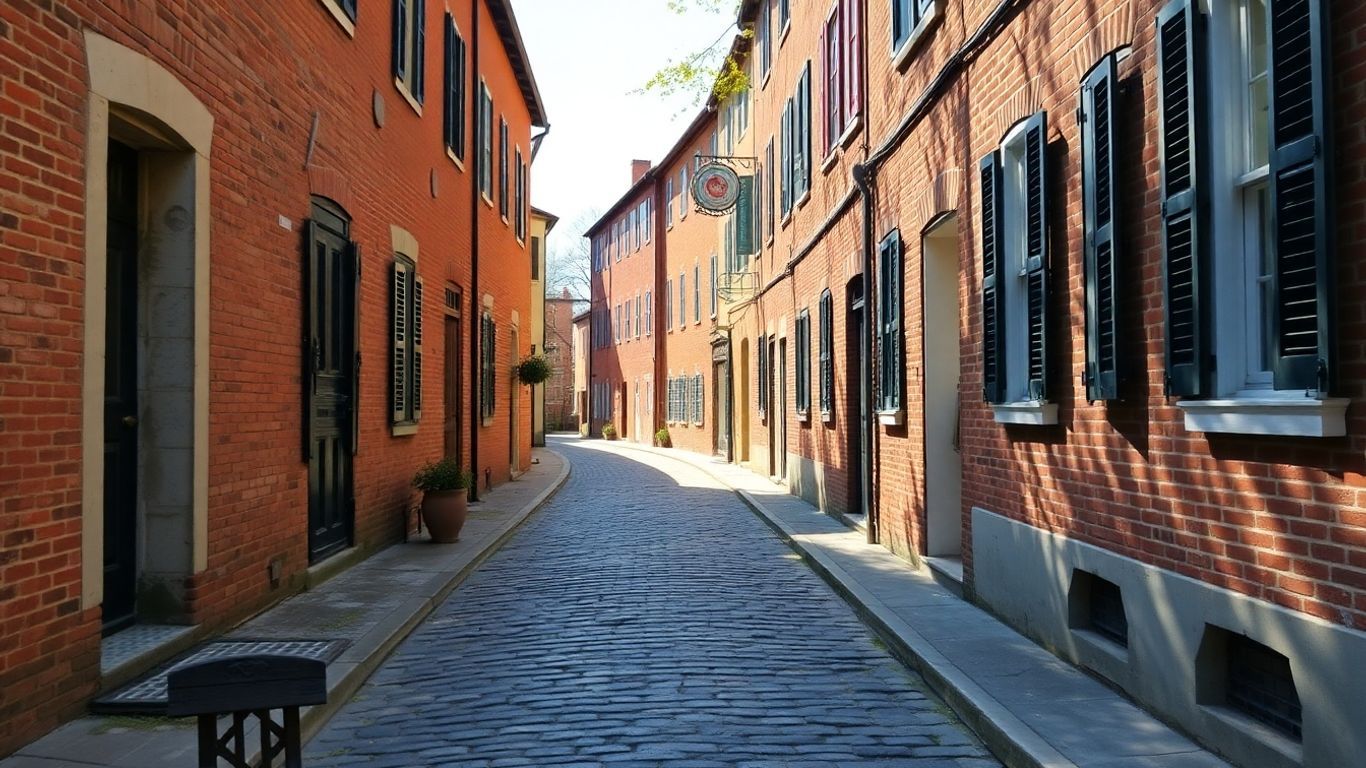
South Carolina's enduring narrative truly commences with the foundational decisions regarding where and how its first inhabitants chose to establish roots. Long before the arrival of English settlers, Spanish and French explorers had already traversed these lands, encountering the Indigenous peoples who had long called this territory home. This pivotal early contact, in many respects, set a remarkably diverse stage for the centuries that were to follow.
Intriguingly, settlement patterns were profoundly influenced by the region's unique geography. Early inhabitants naturally gravitated towards areas boasting easy access to vital waterways—imagine the network of navigable rivers and, of course, the expansive coast. This inherent preference rendered locations like Charleston prime candidates for establishing thriving communities. These initial, strategic choices about where to settle profoundly shaped not only the physical blueprint of subsequent towns but also their economic and cultural evolution for many centuries thereafter.
Port Access and Trade Centers
During the colonial era, the intricate network of the coastline and its rivers essentially served as the primary highways for commerce. Consequently, establishing strategically located ports was absolutely crucial for both survival and sustained growth. These burgeoning centers facilitated the vital exchange of goods, both internally within the nascent colonies and externally with European nations, ensuring a steady influx of supplies and the reliable export of valuable resources. This unwavering focus on trade naturally spurred the development of bustling towns that quickly emerged as indispensable economic hubs.
- Charleston: Established in 1670, it swiftly ascended to become the colony's principal port and a thriving nexus for commerce, drawing merchants and skilled artisans from a diverse array of European nations.
- Georgetown: Strategically positioned on Winyah Bay, this town also played a significant role as an important port, particularly vital for the export of rice and indigo.
- Other smaller settlements: Numerous smaller communities sprang up along the banks of various rivers, effectively serving as crucial collection points for local agricultural produce before it embarked on its journey to larger ports and beyond.
The strategic importance of these early ports cannot be overstated. They served as the indispensable gateways through which the colony maintained its connections with the broader world, thereby profoundly influencing its economy, its population demographics, and indeed, its very nascent identity.
Diverse Population Roots
It's worth noting that South Carolina wasn't settled exclusively by a single demographic group. Rather, from its earliest days, the population began to diversify in significant ways. Alongside the wave of European settlers arriving from England, Scotland, and Ireland, enslaved Africans were forcibly brought to the region, quickly becoming a substantial portion of the labor force and contributing immensely to the emerging culture and economy. This rich tapestry of peoples, each bringing their distinct traditions and invaluable skills, forged a unique social fabric right from the outset.
Foundational European Influences
While Indigenous peoples were undoubtedly the original inhabitants of this land, powerful European nations such as England, France, and Spain all played a role in the early exploration and territorial claims of the region. However, it was ultimately the English who established the most enduring colonial presence, thereby shaping the fundamental political and social structures. The discernible influence of these European powers can still be observed today in various aspects—from place names and distinctive architectural styles to the very legal and governmental systems that were meticulously established during those formative years.
The Impact of Civil War and Reconstruction
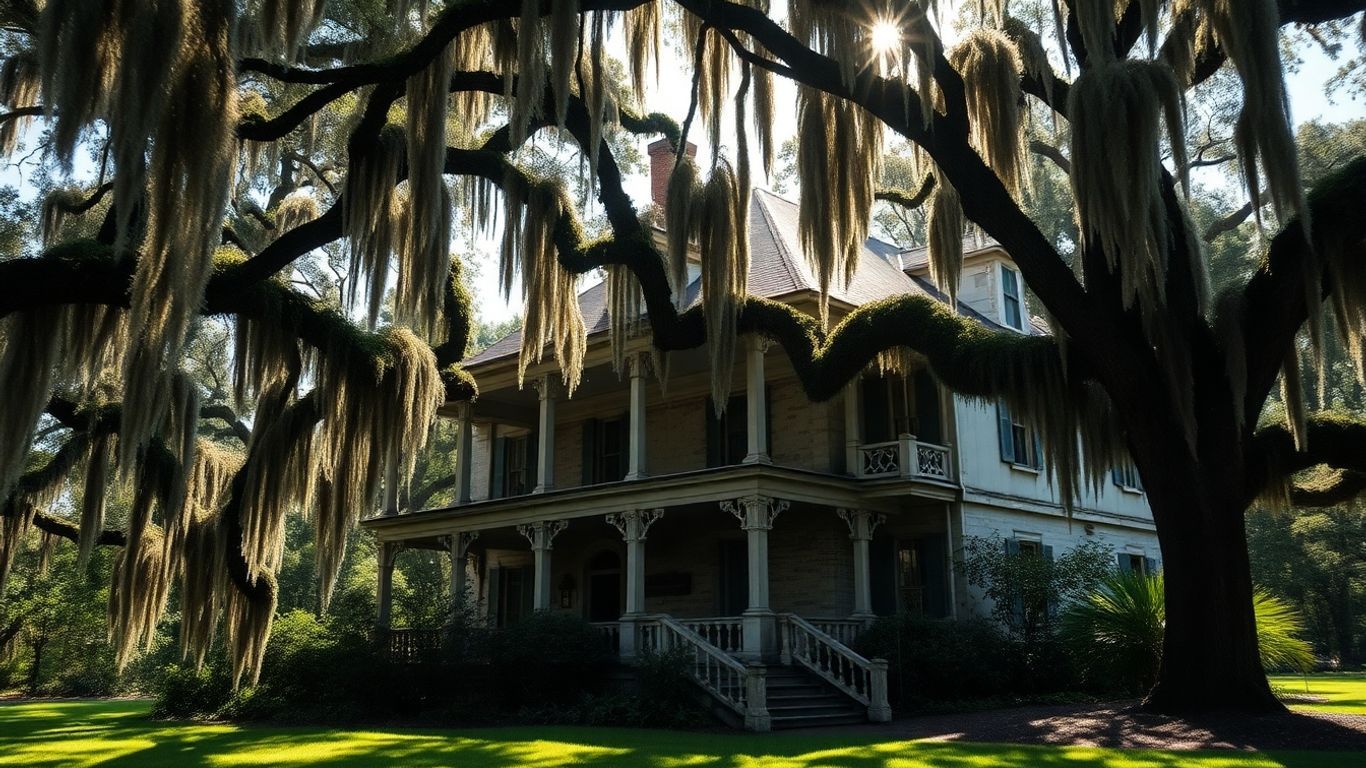
The profound upheaval of the Civil War, followed by the ambitious, yet often tumultuous, Reconstruction era, left an indelible mark on South Carolina, fundamentally reshaping its landscape and societal fabric. The conflict itself wrought widespread devastation, with prominent cities like Charleston and Columbia suffering significant damage from intense battles and prolonged blockades. In the wake of the war, the period of Reconstruction endeavored to rebuild the state’s infrastructure and to painstakingly redefine its social and political structures—a monumental undertaking, to be sure.
Transforming Societal Fabric
Reconstruction heralded truly radical changes to the very societal fabric of South Carolina. New governmental bodies were established, and, for a fleeting period, African Americans achieved unprecedented levels of political participation. This era witnessed the tentative emergence of a new social order, though it was, without question, a period fraught with deep tension and fervent resistance. Both the state’s leadership and local governance experienced substantial shifts during this pivotal time.
Economic Shifts and New Industries
Economically, the state confronted immense challenges. The deeply entrenched plantation system, which had once formed the very backbone of the economy, was irrevocably dismantled. This necessitated a protracted period of adjustment, marked by the decline of old agricultural models and the gradual, sometimes halting, emergence of new industries. Urban centers began to expand as populations migrated from rural areas in search of fresh opportunities. The focus, by necessity, began to shift decisively towards rebuilding infrastructure and assiduously fostering economic recovery.
The Reconstruction era in South Carolina (1865-1877) was a profoundly difficult period, often characterized by military rule, the disenfranchisement of certain groups, and—regrettably—widespread corruption.
Enduring Legacies in Local Museums
Many of the lasting impacts of this transformative period remain vividly discernible today. Historic homes, revered neighborhoods, and especially local museums serve as poignant keepers of memory, diligently preserving the stories and artifacts from these pivotal years. These sites offer a tangible connection to the past, helping contemporary generations comprehend the immense struggles and remarkable triumphs that ultimately shaped modern South Carolina. Exploring these places provides a much deeper appreciation for the state's complex history and, indeed, the enduring resilience of its people. You can uncover many of these historical markers when visiting South Carolina.
College Towns That Shape South Carolina
Vibrant Collegiate Energy
South Carolina’s college towns are far more than mere locations with universities; they are, in fact, dynamic communities where academic life effervescently spills out into the streets, subtly yet profoundly influencing everything from the local economy to the prevailing cultural scene. These towns often pulsate with a distinct youthful energy, owing largely to the constant influx of students, dedicated faculty, and visiting families. Just consider the electrifying atmosphere during a football game weekend, or the quiet, focused hum of activity that envelops the campus throughout the academic year. These institutions function as formidable economic engines, generating employment, fostering innovation, and ensuring a continuous flow of fresh ideas. They draw individuals from across the globe, thereby enriching the state’s already diverse population and cultivating a unique blend of cherished tradition and exciting modernity.
Student Life and Local Economy
The very presence of a university profoundly impacts the local economy. Businesses, particularly those within the retail, food service, and housing sectors, consistently benefit from a steady stream of patrons. Students and staff, naturally, require places to dine, shop, and reside, which directly underpins the success of local entrepreneurs. Beyond day-to-day expenditures, college towns frequently host significant events such as academic conferences, major sporting events, and cultural festivals that attract visitors, further augmenting local revenue. Furthermore, robust alumni networks play an integral role, often maintaining strong connections and contributing meaningfully to the local community long after their graduation.
Here's a look at how some key universities influence their towns:
| Town | University | Approximate Student Population | Key Local Impact |
|---|---|---|---|
| Columbia | University of South Carolina | 35,000+ | Drives business, arts, and sports events |
| Clemson | Clemson University | 27,000+ | Powers tech startups, game days, research |
| Charleston | College of Charleston | 10,000+ | Inspires historic preservation, festivals |
| Rock Hill | Winthrop University | 5,000+ | Boosts arts, housing, community programs |
| Aiken | USC Aiken | 3,200+ | Links to local industries, internships |
Community Events and Diversity
College towns frequently serve as vibrant hubs for cultural exchange and profound community engagement. Universities, in their commitment to public service, often meticulously organize public lectures, captivating art exhibits, diverse musical performances, and spirited sporting events that are readily accessible to the broader community. These multifaceted activities not only enrich the local culture but also provide residents with invaluable opportunities to connect with both students and faculty members. The diverse student body itself naturally introduces a rich tapestry of perspectives and traditions, contributing to a more vibrant and inclusive local atmosphere. Many towns actively strive to seamlessly integrate campus life with the wider community, thereby fostering a shared sense of place and collective pride.
The inherent energy of a college campus often extends far beyond its physical gates, creating a unique and palpable rhythm for the surrounding town. This symbiotic relationship ensures that local businesses truly thrive, cultural events are plentiful and diverse, and there's a constant, invigorating infusion of new perspectives—all combining to make these towns particularly lively and engaging places to reside in or visit.
These distinct towns collectively offer a truly unique flavor of South Carolina life, gracefully blending rigorous academic pursuits with the everyday experiences of their residents, thereby crafting places that are both intellectually stimulating and profoundly engaging.
Diversity of Recreation and Natural Spaces
South Carolina, quite wonderfully, offers an impressive array of opportunities to immerse oneself in the great outdoors and thoroughly enjoy the diverse natural beauty, regardless of your location within the state. It’s certainly not just about the bustling major cities or the world-famous beaches; indeed, there’s an extraordinary amount of variety thoughtfully packed into this vibrant state. Whether you're seeking to elevate your heart rate with vigorous activity or simply yearning for a tranquil spot to unwind, you’ll undoubtedly find it here.
Urban Parks and Trails
City life in South Carolina absolutely doesn't necessitate being confined indoors. Many towns and cities have, in fact, invested considerable effort into creating inviting green spaces and accessible pathways. Take Greenville, for instance; the Prisma Health Swamp Rabbit Trail is a quintessential example of this commitment. This splendid paved path stretches for over 20 miles, gracefully connecting downtown Greenville to the charming town of Travelers Rest. Locals and visitors alike utilize it for invigorating biking, brisk running, or simply a leisurely stroll alongside the picturesque Reedy River. What makes it particularly convenient, you ask? Its numerous entry and exit points, coupled with comfortable benches and readily available water stops, ensure a seamless and enjoyable experience.
- Extensive Paved Trails: Ideal for cycling, jogging, and walking enthusiasts of all ages.
- Scenic River Views: Delight in the tranquil beauty of the Reedy River as you traverse the path.
- Convenient Access Points: Easily locate entry points throughout the city and its surrounding areas.
- Well-Maintained Amenities: Enjoy the convenience of benches, water fountains, and even dedicated bike repair stations along the route.
Charleston, too, boasts its fair share of enchanting urban green spaces, with beautifully landscaped parks dotted throughout its historic district and gracefully lining its waterfront. These verdant havens offer a much-needed breath of fresh air amidst the charming—but often busy—cobblestone streets.
Rural Outdoor Pursuits
Should your preference lean towards expansive open spaces and a more rugged, untamed experience, South Carolina’s rural areas are more than ready to deliver. Imagine casting a line in quiet, meandering rivers, exploring the depths of dense, ancient forests, or perhaps embarking on a serene hunting expedition. These authentic activities connect you directly with the natural landscape in a profound way that city parks, charming as they are, simply cannot replicate. It’s a distinctly different pace, an invaluable opportunity to truly disconnect and deeply appreciate the untamed natural world.
The inherent appeal of rural recreation truly lies in its elegant simplicity and its direct, unmediated connection to the land itself. It’s all about those quiet, reflective moments, the patience often required for a successful fishing outing, or the exhilarating thrill of spotting wildlife in its untouched, natural habitat. These are experiences deeply rooted in tradition, and they consistently offer a profound sense of peace and rejuvenation.
For those with a keen interest in the state's unique ecosystems, Congaree National Park is, without question, a must-visit destination. It proudly shelters the largest remaining tract of old-growth bottomland hardwood forest in the entire Southeast. Here, visitors can embark on elevated boardwalks, such as the accessible 2.4-mile Boardwalk Loop Trail, which allows for breathtaking views of towering trees without disturbing the delicate forest floor. For a more extended exploration, the Kingsnake Trail ventures deeper into the wilderness. Alternatively, consider canoeing or kayaking on Cedar Creek for a unique, water-level perspective of this ancient, magnificent forest.
Beaches and Coastal Activities
South Carolina’s expansive coastline is undoubtedly a major draw, offering an incredible spectrum of activities, from the simple pleasure of sunbathing and swimming to more active pursuits like surfing and fishing. The beaches here are wonderfully varied, encompassing everything from the bustling, popular shores of Myrtle Beach to the more secluded, tranquil stretches found on some of the pristine barrier islands. It’s a versatile destination where you can either leisurely relax on the soft sand or venture out onto the inviting waters for adventure. What will your choice be today?
- Swimming and Sunbathing: Classic, enduring beach activities perfect for individuals and families of all ages.
- Surfing and Water Sports: Seek the thrill of catching waves or explore other exhilarating water-based adventures.
- Fishing and Boating: Cast a line directly from the shore, or embark on a more extensive exploration of the waters by boat.
- Wildlife Watching: Keep a watchful eye out for playful dolphins, graceful shorebirds, and a host of other captivating coastal creatures.
The Coastal Discovery Museum on Hilton Head Island presents an excellent opportunity to delve into the rich natural and cultural history of the Lowcountry. The museum grounds themselves are remarkably beautiful, featuring historic buildings, vibrant gardens, and serene walking paths that eloquently showcase the island's unique environment. It’s an ideal location to gain a deeper understanding of the local flora, fauna, and historical context, whether as a prelude or a postlude to your beach adventures.
Your South Carolina Adventure Awaits
South Carolina truly does offer a little something for everyone, doesn't it? From the timeless, historic charm of Charleston to the sun-drenched beaches of Myrtle Beach and the invigorating natural beauty of the Upstate, each town and city here exudes its own unique, compelling vibe. While we've merely scratched the surface of this magnificent state's offerings, we sincerely hope this guide has provided you with an excellent and inspiring starting point. Whether you're meticulously planning a visit, contemplating a relocation, or simply indulging a curious spirit, countless places are eagerly awaiting your discovery. So, why not grab your map, delve a little deeper into the intriguing spots that have caught your eye, and prepare yourself to uncover the many wonders of South Carolina firsthand? You might just stumble upon your new favorite destination – who knows?
Frequently Asked Questions
What are the most popular cities to visit in South Carolina?
Charleston, for instance, is celebrated for its profound history and exceptional culinary scene. Meanwhile, Greenville stands out with its vibrant downtown and the captivating natural beauty surrounding it. For quintessential beach experiences, Myrtle Beach remains a premier choice, while Columbia, the state capital, offers a wealth of intriguing historical and cultural attractions.
What kind of nature can I find in South Carolina?
South Carolina truly boasts an impressive array of natural landscapes! You can venture into the majestic mountains and discover cascading waterfalls in the Upstate region, explore dense forests and vital marshes along the coast, or simply relax on miles of pristine sandy beaches. Additionally, the state is home to numerous parks, perfect for hiking and fully embracing the great outdoors.
Are there historical places to visit in South Carolina?
Yes, absolutely! South Carolina is profoundly rich in history. Visitors can explore beautifully preserved old buildings and delve into the past in cities such as Charleston and Beaufort. The state also features a multitude of museums and significant landmarks that eloquently narrate stories from the Civil War era and much earlier periods.
What makes college towns in South Carolina special?
College towns infuse South Carolina with an abundance of energy and innovative ideas. They are frequently characterized by lively events, a dynamic atmosphere, and a diverse mix of people, often bringing a vibrant academic pulse to the community. Furthermore, the student population actively contributes to the local economy and significantly enhances the community's spirit.
What activities can I do in South Carolina's towns and cities?
The range of activities is incredibly vast! You can savor delectable cuisine in Charleston's renowned restaurants, embark on an invigorating hike near Greenville's scenic trails, enjoy swimming and recreational activities on the beautiful beaches, or immerse yourself in exploring historic sites. Many towns also host lively local festivals, showcase intriguing art galleries, and offer diverse shopping experiences.
Is South Carolina a good place for outdoor recreation?
Without a doubt! South Carolina provides an extensive spectrum of outdoor recreational opportunities. You can embark on challenging hikes in the mountains, kayak peacefully on its rivers, try your hand at ocean fishing, or simply enjoy a relaxing stroll in a charming city park. Of course, the state's magnificent beaches are also perfect for swimming, sunbathing, and various water sports.


