


resources-malaysia
Discovering the Top Places to Go in Kuala Lumpur: Your Ultimate 2025 Travel Guide
Industry Expert & Contributor
16 Oct 2025

Kuala Lumpur, the vibrant heart of Malaysia, is a city of captivating contrasts. Here, towering skyscrapers stand shoulder-to-shoulder with colonial-era architecture, bustling markets teem with life, and the aroma of incredible food is never far away. If you're planning a trip for 2025, you are in for an unforgettable experience. This guide will walk you through the very best places to explore in Kuala Lumpur, whether your interests lie in history, food, shopping, or simply soaking in the spectacular sights.
Key Takeaways
- Make sure the Petronas Twin Towers and KL Tower are on your list for breathtaking city views that capture the spirit of modern Malaysia.
- Discover the country's rich cultural diversity by exploring spiritual landmarks like the Batu Caves and Thean Hou Temple.
- Lose yourself in the lively atmosphere of Chinatown and Bukit Bintang to experience local charm, fantastic shopping, and entertainment.
- Prepare your taste buds for a culinary journey, from affordable and delicious hawker stall fare to elegant fine dining.
- Carve out some time to unwind in the serene Lake Gardens or visit the KL Bird Park for a refreshing break from the urban energy.
Iconic Landmarks and Architectural Marvels
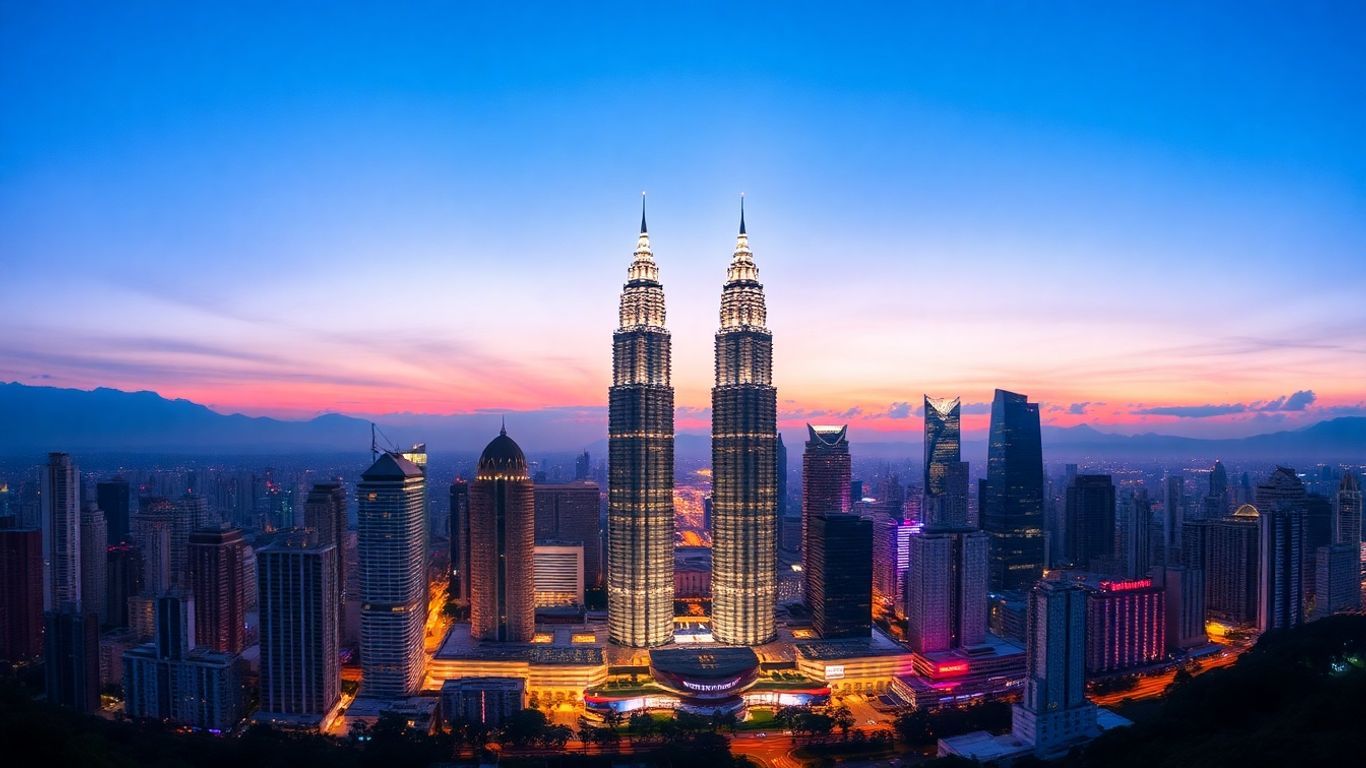
Kuala Lumpur's skyline is nothing short of spectacular. When you picture KL, a couple of iconic structures likely come to mind immediately. These aren't just buildings; they stand as proud symbols of Malaysia's journey and its prominent place on the world stage. Let's delve into some of these architectural giants you simply have to see.
Petronas Twin Towers: A Symbol of Modernity
Let's be honest, a trip to KL isn't complete without seeing the Petronas Twin Towers. Once the tallest buildings in the world, they may have been surpassed in height, but they still command the skyline with an undeniable grace. Designed by César Pelli, their stunning steel and glass façade stretches 452 meters into the sky. What's particularly fascinating is the incorporation of Islamic geometric motifs in their design—a beautiful nod to Malaysia's heritage. The Skybridge that links the 41st and 42nd floors is world-famous, offering incredible views. A word of advice: tickets sell out incredibly fast, so booking well in advance is always a smart move.
KL Tower: Panoramic City Vistas
While the Petronas Towers often steal the spotlight, the KL Tower (or Menara Kuala Lumpur) provides a different, arguably more comprehensive, perspective. Standing at 421 meters, its observation deck is actually higher than the Skybridge of the Twin Towers. From here, you’re treated to an uninterrupted 360-degree panorama of the entire city, with views extending to the lush green parks and distant mountains. For the adrenaline junkies, there's the Sky Box, a glass-floored section that makes you feel as if you're floating above the city—definitely not for the faint-hearted! It also features a revolving restaurant, offering a unique dining experience with ever-changing scenery.
The River of Life: Historic Confluence
While it's not a skyscraper, the River of Life project holds a special place in the city's history and heart. This initiative has beautifully revitalised the confluence of the Gombak and Klang rivers, the very birthplace of Kuala Lumpur. It's now a vibrant waterfront area with captivating street art, dazzling light displays at night, and an altogether lively atmosphere. It’s a perfect spot for an evening stroll, when the mist and lights create a magical glow. It serves as a wonderful reminder of KL’s humble beginnings and provides a lovely contrast to the city's modern marvels.
Cultural Immersion and Spiritual Sites
Kuala Lumpur is so much more than its gleaming skyscrapers; it's a city with a profound soul, where ancient traditions and diverse spiritual practices are woven into the fabric of daily life. Exploring these sites allows you to truly feel the history and the myriad of influences that have shaped this metropolis. It's a wonderful way to connect with local culture on a deeper level.
Batu Caves: A Spiritual and Natural Wonder
Instantly recognisable, Batu Caves is one of KL's most iconic landmarks—and for very good reason. This majestic limestone hill houses a series of caves and Hindu cave temples. Your arrival is greeted by the colossal, golden statue of Lord Murugan, a truly breathtaking sight. To reach the main temple cave, you'll need to climb a steep flight of 272 steps. It may sound daunting, but the panoramic view from the top and the sacred atmosphere inside make every step worthwhile. The cavernous interior feels both immense and deeply spiritual. You can also explore smaller caves, like the Dark Cave, which focuses more on conservation and its natural ecosystem. As a major pilgrimage site, it comes alive during the Thaipusam festival. A friendly tip: it can get quite busy, so an early morning visit is best to beat the crowds and the tropical heat.
- Getting There: The most convenient way is via the KTM Komuter train from KL Sentral station.
- What to Wear: As it is a place of worship, be sure to dress modestly by covering your shoulders and knees.
- Best Time to Visit: Early in the morning helps you avoid the largest crowds and the midday sun.
Visiting Batu Caves offers a powerful glimpse into the vibrant Hindu culture in Malaysia. The sheer scale of the natural cave formations, combined with the palpable devotional atmosphere, creates a truly memorable experience for any traveller.
Thean Hou Temple: Serene Escape
Perched serenely on a hill overlooking the city, Thean Hou Temple is a true architectural gem. This six-tiered Buddhist temple is one of the oldest and largest in Southeast Asia, and its beauty is captivating. The design is a stunning spectacle of traditional architecture, featuring intricate carvings, ornate rooftops, and decorative dragons. It is dedicated to Tian Hou, the Goddess of the Sea. Even if you're not particularly religious, it's an incredibly peaceful place to wander and admire the craftsmanship. With a wishing well, a tranquil garden, and lovely views of the KL skyline, it’s the perfect spot for quiet reflection.
Islamic Arts Museum: Artistic Heritage
For anyone with an interest in art and history, the Islamic Arts Museum Malaysia is an absolute must-visit. Nestled within the lush Lake Gardens area, the museum itself is an architectural masterpiece with beautiful domes and courtyards. Inside, it holds a remarkable collection of Islamic decorative arts from across the globe. We're talking about thousands of artefacts, from delicate textiles and ceramics to intricate metalwork and ancient manuscripts. The galleries are organised by theme, showcasing everything from calligraphy and jewellery to weaponry and scale models of famous mosques. It offers a profound appreciation for the diversity and beauty of Islamic artistic traditions and their influence on the region.
Exploring Vibrant Neighborhoods
Kuala Lumpur’s character isn't just defined by its famous landmarks; it's also found in the palpable energy of its diverse districts. Each neighbourhood has its own unique flavour, offering a different slice of KL life. It's in these districts—by simply wandering around—that you'll often make the most memorable discoveries.
Chinatown: History and Local Charm
Chinatown, centred around the ever-bustling Petaling Street, is where history and modern life vibrantly intersect. It's a true feast for the senses, filled with the sights of colourful stalls, the aroma of street food wafting through the air, and the lively chatter of vendors. Here, you can find everything from traditional Chinese medicine halls to hip, hidden cafes tucked away in narrow alleyways. It’s a fantastic area to simply get lost in and see where the lanes take you.
- Must-Visit Spots:
- Sin Sze Si Ya Temple: A beautiful and historic Taoist temple, offering a peaceful respite right in the heart of the action.
- Petaling Street Market: The perfect place for hunting down souvenirs and sampling delicious local snacks.
- Old China Cafe: Step back in time and savour traditional Peranakan (Nyonya) dishes in a charming setting.
This area is far more than just a market; it's a living, breathing piece of KL's heritage. You can still feel the echoes of its early days as a tin-mining and trading hub. Take your time here, soak it all in, and don't hesitate to explore the smaller backstreets.
Bukit Bintang: Shopping and Entertainment Hub
For a complete change of pace, dive into the modern, high-energy vibe of Bukit Bintang. This is Kuala Lumpur's premier shopping and entertainment district, a dazzling landscape of mega-malls, luxury boutiques, and a buzzing nightlife. Even if retail therapy isn't your main objective, the sheer scale of the shopping centres and the incredible variety of restaurants and cafes make it a fascinating place to explore. This is a district that truly comes alive after dark.
- What to Expect:
- World-class shopping malls like the glamorous Pavilion Kuala Lumpur.
- An endless array of dining options, from quick street-side bites to sophisticated fine dining.
- A vibrant nightlife scene with countless bars, pubs, and clubs to choose from.
Exploring these neighbourhoods gives you a genuine feel for the city's pulse. You could easily spend a day absorbing the historic atmosphere of Chinatown's Petaling Street before heading over to Bukit Bintang for a completely different, dazzling experience in the evening.
Culinary Adventures and Gastronomic Delights
Let's talk about food, because Kuala Lumpur is, without a doubt, a food lover's paradise. Planning a visit in 2025? Then get ready to dive into its incredible culinary scene. From bustling street-side hawker stalls to elegant restaurants, there’s something to satisfy every palate and budget. Prepare to eat your way through this delicious city!
Hawker Stalls to Michelin Stars
Street food in KL isn't just a quick bite; it's a culinary art form. You can feast on amazing dishes like 'char kway teow' (stir-fried flat noodles) or 'satay' (perfectly grilled meat skewers) for just a handful of ringgit. But if you're in the mood for something more refined, KL delivers on that front too. The city is home to several Michelin-starred restaurants, such as Dewakan, which presents a modern interpretation of Malaysian cuisine using indigenous ingredients. It’s more than just a meal—it’s an entire experience.
Here’s a rough idea of what you can expect to pay for a meal:
| Dining Style | Average Price (USD) |
|---|---|
| Hawker Stalls | $2 - $5 |
| Casual Restaurants | $10 - $25 |
| Mid-Range Restaurants | $30 - $70 |
| Fine Dining/Michelin | $80+ |
Malaysian Cooking Classes
Want to bring a taste of KL's vibrant food culture home with you? Joining a Malaysian cooking class is a fantastic and immersive idea. You'll learn the secrets behind classic dishes like 'rendang' (a slow-cooked, flavourful meat stew) or 'laksa' (a spicy and aromatic noodle soup). It’s a fun way to spend an afternoon, and the best part is getting to enjoy the delicious meal you've prepared yourself.
In most classes, you will learn:
- How to prepare key ingredients, from fresh herbs to complex spice pastes.
- The traditional techniques behind popular Malaysian dishes.
- Handy tips for recreating these authentic flavours in your own kitchen.
Exploring Diverse Cuisines
While Malaysian cuisine is an absolute must-try, KL is a true melting pot, and its food scene perfectly reflects this diversity. You can find incredible South Indian food, authentic Chinese delicacies, and even some surprisingly excellent Italian and Japanese restaurants. Don't be shy about wandering off the main tourist trail to try something new. You might just stumble upon your next favourite dish.
Kuala Lumpur's food is a direct reflection of its people – diverse, dynamic, and full of flavour. Every meal here tells a story of heritage, migration, and culinary fusion.
Nature and Wildlife Encounters
Beyond the towering skyscrapers and bustling city streets, Kuala Lumpur also boasts some wonderful green escapes where you can connect with nature and wildlife. It offers a welcome change of pace from the urban energy and is a fantastic way to appreciate another side of Malaysia's beauty.
KL Bird Park: Avian Paradise
The KL Bird Park is genuinely impressive. Billed as the world's largest free-flight, walk-in aviary, it's an incredible experience. Spanning over 20 acres, this lush sanctuary is home to more than 3,000 birds from over 200 species. You can meander through enormous, netted enclosures where the birds fly freely all around you. It feels remarkably natural, allowing you to see everything from colourful parrots to magnificent peacocks up close. They also host daily feeding sessions and bird shows, which are always entertaining. Visiting the KL Bird Park is a delightful way to experience Malaysia's rich avian life right in the city. It's best to visit in the morning or late afternoon when the temperatures are cooler and the birds are at their most active. You can find more details about this avian paradise online.
Lake Gardens: Urban Oasis
Located right next to the Bird Park, the Lake Gardens, officially known as Perdana Botanical Garden, is another green gem. Often called KL's 'green lung,' this expansive park is the city's original botanical garden. It’s the perfect spot for a leisurely walk, a family picnic, or simply to find a shady bench and escape the heat. The gardens are beautifully landscaped with various themed gardens, serene lakes, and ample open space. Renting a bike is a fun way to explore the vast grounds. It’s a truly peaceful place where you'll find locals and tourists alike enjoying a moment of calm away from the city's hustle and bustle.
It's easy to forget that a city as dynamic as Kuala Lumpur has these large, serene green spaces. They offer a much-needed breath of fresh air and a chance to reconnect with the natural world, right within the urban sprawl. These parks are not just pretty; they're vital for the city's well-being and offer a peaceful retreat for everyone.
Shopping Experiences and Local Finds
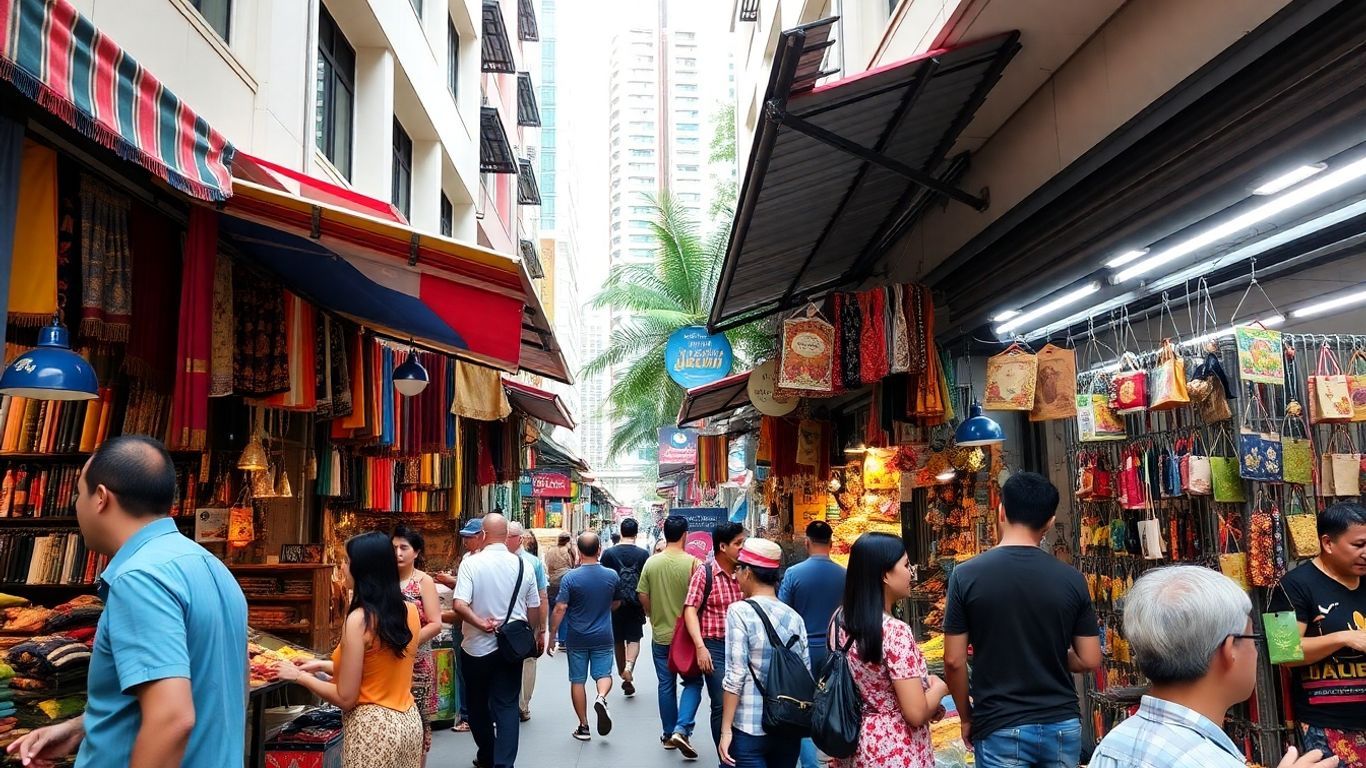
From glamorous, air-conditioned malls to lively street markets brimming with local crafts, Kuala Lumpur truly is a shopper's paradise. You could easily dedicate days to exploring its retail landscape, discovering everything from unique souvenirs to global brands.
World-Class Shopping Malls
When you need a respite from the tropical climate, KL's magnificent malls are the perfect retreat. They are more than just shopping venues; they are lifestyle destinations, often featuring striking architecture, extensive dining options, and various forms of entertainment.
- Pavilion KL: Situated in the heart of the Bukit Bintang district, this is the epicentre of luxury retail. Here, you'll find a concentration of designer fashion labels, high-end accessories, and a generally sophisticated ambiance. It’s a fantastic place for window shopping or a special splurge.
- Suria KLCC: Located right at the foot of the iconic Petronas Twin Towers, this premier mall offers a great mix of international brands and local favourites. Its prime location makes it incredibly convenient if you're visiting the towers, and the view is simply unbeatable. The food court here is also excellent for a quick, high-quality meal.
- Lot 10: For something a little different, head to Lot 10. It is home to the popular Japanese specialty store, Don Don Donki, which is filled to the brim with everything from Japanese snacks and skincare to quirky household goods. It’s a fun and often chaotic place to explore for unique finds.
A little local tip—Kuala Lumpur's malls are famous for their powerful air conditioning! It’s always a good idea to bring a light jacket or shawl, especially if you plan to spend a significant amount of time browsing indoors.
Unique Souvenirs and Batik Finds
Beyond the polished malls, KL presents abundant opportunities to find authentic Malaysian crafts and gifts that carry a piece of the local culture.
- Malaysian Batik: One thing you absolutely must look for is Malaysian batik. This traditional art of wax-resist dyeing on fabric results in stunning, intricate patterns. You can find beautiful hand-drawn batik shirts, scarves, sarongs, and decorative art in local boutiques and craft centres. They make for a truly special and authentic keepsake.
- Local Markets: While it's not a single location, keep your eyes open for smaller markets and artisan shops dotted around the city. These spots often feature a more curated selection of handmade items, from detailed wood carvings to unique, locally designed jewellery.
- Pasar Seni (Central Market): This is a classic destination for souvenir hunters. While it caters heavily to tourists, it remains a great one-stop shop for a wide array of local handicrafts, art, and apparel. Haggling is often expected here, so feel free to negotiate prices politely and with a smile.
Finding the perfect souvenir is all about embracing the spirit of exploration and being open to discovering hidden gems. Whether it's a beautifully patterned batik scarf or a unique trinket from a local market, these treasures will serve as a wonderful reminder of your time in Kuala Lumpur long after your trip has ended.
Your Kuala Lumpur Adventure Awaits!
And there you have it—a glimpse into the incredible experiences awaiting you in Kuala Lumpur for 2025. From the dizzying heights of the Petronas Towers to the vibrant, culture-rich streets of Chinatown and the serene halls of its temples, this city truly offers something for every traveller. We’ve highlighted some of the must-see attractions and tried to capture the local vibe, but honestly, KL is a city that needs to be experienced firsthand. Whether you're a foodie on the hunt for the next unforgettable meal, a history enthusiast, or simply seeking a vibrant adventure, Kuala Lumpur is ready to welcome you with open arms. So pack your bags, bring your appetite, and prepare to be utterly charmed by this dynamic Malaysian capital. Selamat jalan!
Frequently Asked Questions
What are the absolute must-see spots in Kuala Lumpur for a first-time visitor?
For a first visit to KL, you'll definitely want to see the Petronas Twin Towers—they're iconic and look spectacular, especially when lit up at night. The KL Tower is another must for incredible 360-degree city views. For a dose of culture and nature, don't miss the Batu Caves; the giant golden statue and the climb up the steps into the main cave are truly memorable.
How can I get around Kuala Lumpur easily?
Navigating KL is quite straightforward. The public transport system, particularly the LRT and Monorail lines, is efficient and connects most major tourist spots like the Petronas Towers and Bukit Bintang. For areas not covered by the train network, using a ride-sharing service like Grab is extremely common, convenient, and very affordable.
What kind of food should I try in Kuala Lumpur?
Ah, the food—KL is an absolute dream for any foodie! You must try the street food from local hawker stalls. Look for dishes like 'Nasi Lemak' (fragrant coconut rice with sambal) and 'Satay' (grilled meat skewers with peanut sauce). With an incredible variety of Malay, Chinese, and Indian cuisines available everywhere, you can easily enjoy something new for every meal!
Is Kuala Lumpur an expensive city to visit?
Compared to other major capital cities, Kuala Lumpur is remarkably affordable. You can enjoy delicious and cheap meals at hawker stalls and local 'kopitiams' (coffee shops), and public transportation is very budget-friendly. Accommodation and attractions also offer excellent value, allowing you to have a fantastic trip without stretching your budget.
When is the best time of year to visit Kuala Lumpur?
Kuala Lumpur enjoys a warm, humid climate throughout the year. Generally, the best times to visit are during the drier seasons, which typically fall between December and February, and again from May to July. This makes exploring the city on foot a bit more comfortable. That said, KL is a great destination anytime, rain or shine!
What are some good places for shopping in Kuala Lumpur?
KL offers world-class shopping! For high-end international brands and a vast selection, visit malls like Pavilion KL in Bukit Bintang or Suria KLCC at the base of the Petronas Towers. If you're searching for unique souvenirs, local handicrafts, and a more traditional market experience, a visit to Chinatown (Petaling Street) and Central Market is a must.


