
resources
Ensure A Smooth Relocation When Moving Across Borders With These Tips
Writer
07 Oct 2025

Relocating to another country is an exciting yet challenging endeavor. It requires careful planning and organization, particularly when managing logistics, paperwork, and cultural differences. A successful international move often depends on thorough preparation and expert guidance. Understanding what’s involved in moving across borders can ease anxiety and set realistic expectations. This article shares vital tips to facilitate a smooth relocation process that can ease newcomers' transition and help them adjust to their new home. Taking time to research your destination beforehand can make the adjustment significantly easier. By preparing mentally and practically, you can embrace new opportunities with confidence and start your journey on the right foot.
Planning Your Move: Essential Steps
The first phase of a cross-border relocation involves meticulous planning. Establishing a timeline is crucial. This helps keep everything on track and ensures all necessary tasks are completed on time. Begin by creating a checklist of everything necessary for your move, including packing supplies, travel documents, and any specific requirements for shipping household goods. Don’t forget to research the housing market in your destination country. Understanding the local rental or purchase procedures can save you time and reduce stress.
Moving to the US, for instance, can be a major transition, so it helps to start with reliable relocation guides or expat networks.. These often provide invaluable insights into the destination country’s customs, cultural practices, and housing options, making it easier for newcomers to settle in. If you find the process overwhelming, consider hiring international moving experts for US relocations to help you. Engaging a professional can simplify logistics, particularly if you're transitioning with family or pets. Being informed and prepared will pave the way for a smoother experience.
Documentation and Legal Considerations
Before moving internationally, ensure you understand the necessary documentation and legal requirements. Every country has unique visa and residency rules, making it essential to research what is required for long-term stays. Be aware of any potential restrictions on work or residence permits. Validating these documents early in the process helps avoid delays and legal complications.
Don’t overlook the importance of understanding customs regulations for bringing personal belongings into a new country. Some items may face restrictions, taxes, or even bans upon arrival. Gathering all necessary permits and regulations ensures your belongings arrive without issues, allowing your transition to be seamless. Have copies of critical documents—such as birth certificates, marriage licenses, and medical records—ready for verification. Ensuring all paperwork is correct before departure minimizes potential issues upon arrival. With careful attention to these legal details, moving becomes significantly less daunting.
Organizing, Packing, and Shipping
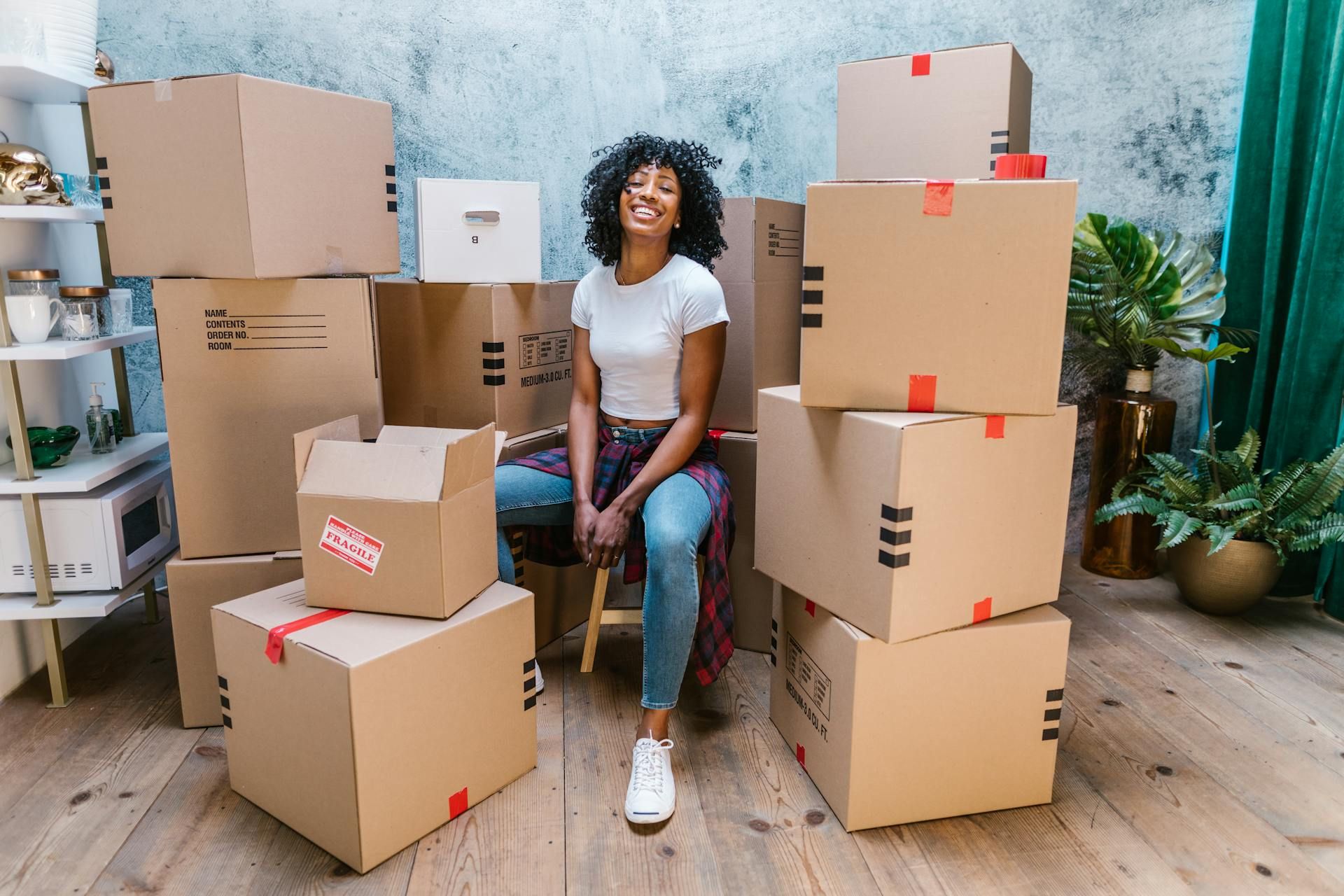
Packing for an international move demands organization and priority-setting. Sort through possessions and determine what to keep, donate, or discard. Focusing on essential items can ease the process, as not everything will be needed immediately upon arrival. Gathering packing supplies well in advance allows time for careful packing to prevent damage. Labeling boxes clearly with their contents offers much-needed clarity during unpacking at the new location.
Regarding shipping, consider the implications of timing. Different shipping methods vary in delivery time, so choose one that aligns with your schedule. Ocean freight is often cost-efficient, while air freight guarantees faster deliveries. Understanding logistics will allow for a well-coordinated transition into your new home. Proper organization makes the packing process less stressful and increases efficiency, streamlining relocation to your new country.
Settling Into Your New Home
Once you’ve arrived at your new destination, focus on making your new house feel like home. Unpacking key items first, like toiletries and kitchen essentials, can create a sense of immediate comfort. Exploring the neighborhood can provide valuable orientation as you locate supermarkets, healthcare facilities, and leisure areas. Getting involved in local events or community activities can help foster new social connections, enhancing your settling-in experience.
It’s essential to connect with local resources, such as expat groups or community centers, which can provide support and information on adjusting to life in a new country. Engaging with individuals who share similar experiences can prove invaluable when facing challenges. Do not hesitate to reach out to neighbors or local organizations for assistance; many residents are welcoming and eager to help newcomers integrate. Building a support network fosters a smoother transition and enriches your relocation journey.
Understanding Cultural Differences
Culture shock is a common aspect of relocating across borders. Acknowledging that differences exist in communication styles, social norms, and daily routines can ease transitions. Do thorough research on local customs, traditions, and etiquette, as this knowledge promotes respectful interactions with locals. Language barriers may pose challenges; consider enrolling in language courses or using language-learning apps. Being proactive about understanding the local culture helps ease feelings of isolation and enhances social engagement.
Participating in local customs provides authentic experiences and exposure to a new way of life. Embrace the differences and engage fully in the learning process. Strengthening cultural understanding enriches your experience and opens doors to new friendships and connections. Investing time and effort into adapting to and appreciating the local culture will positively impact your relocation experience.
Keeping Communication Open With Loved Ones
Staying connected with family and friends during your international move is essential. They can provide emotional support as you navigate changes and challenges. Communicating regularly combats feelings of isolation, allowing you to share experiences and seek advice. Video calls, messaging apps, and social media all offer platforms for engaging with loved ones, regardless of distance.
Encourage your friends and family to visit; this can provide a comforting sense of familiarity. Planning trips together can create shared experiences in your new home and give loved ones a tangible sense of your life abroad. Engaging with your support network encourages, making the adjustment phase smoother and more connected. Encouraging consistent updates and conversations helps maintain strong emotional bonds despite the distance. These connections can serve as a vital reminder of home, grounding you as you adapt to your new surroundings.
Successfully relocating across borders requires meticulous planning, attention to detail, and openness to new experiences. By investing time in preparation and incorporating expert help, the transition can unfold more smoothly. From legal requirements to cultural acclimatization, each step plays a crucial role in crafting an enjoyable living experience anew.
Share

Arthur Brown
Writer
A dad of 3 kids and a keen writer covering a range of topics such as Internet marketing, SEO and more! When not writing, he's found behind a drum kit.


