


resources-malaysia
Exploring Malaysia's UNESCO Sites: A Journey Through Heritage
Industry Expert & Contributor
07 Nov 2025

Malaysia is a country that truly captures your heart, and a huge part of that charm lies in its incredible UNESCO sites. These aren't just pretty spots on a map; they are living windows into the nation's rich past and stunning natural world. From ancient cities steeped in stories to jungles that seem to stretch on forever, exploring Malaysia's UNESCO sites is a journey you won't soon forget. It's a chance to come face-to-face with history and marvel at nature’s own masterpieces.
Key Takeaways
- Malaysia is home to celebrated UNESCO World Heritage Sites, such as the historic cities of George Town and Melaka, which showcase a vibrant tapestry of history and culture.
- Breathtaking natural wonders like Mount Kinabalu and Gunung Mulu National Parks put Malaysia's incredible biodiversity and unique geological marvels in the spotlight.
- In the Lenggong Valley, you can take a rare journey into prehistoric human history, uncovering ancient tools and glimpses into early ways of life.
- A visit to these UNESCO sites offers more than just sightseeing; it's an opportunity for deep cultural immersion, from engaging with local traditions to understanding indigenous communities.
- Ultimately, exploring these locations is a chance to connect with Malaysia's soul—through its architecture, living traditions, and magnificent natural landscapes.
Discovering Malaysia's UNESCO Heritage Cities
George Town: A Vibrant Cultural Mosaic
Walking through George Town is like stepping into a living, breathing history book. This UNESCO World Heritage Site on Penang Island is a place where diverse cultures have met and mingled for centuries, creating a truly unique atmosphere. You could spend days just wandering its streets, discovering hidden alleyways filled with incredible street art that tells local stories.
One of the most striking features is the seamless blend of architectural styles. You’ll spot grand colonial-era buildings right next to traditional Chinese shophouses and ornate temples—it's a real visual treat. And you absolutely can't miss the Clan Jetties, where Chinese communities have lived on stilts over the water for generations; it’s a fascinating look into a timeless way of life. The Khoo Kongsi clan house is another must-see, with its incredibly detailed and intricate carvings.
- Street Art: Keep your eyes peeled for the famous murals by Ernest Zacharevic and other talented artists.
- Clan Jetties: Experience life on the water at vibrant communities like Chew Jetty.
- Peranakan Mansion: Explore the opulent lifestyle and rich heritage of the Straits Chinese.
- Temples and Mosques: Visit iconic sites like the Kapitan Keling Mosque and Kek Lok Si Temple.
George Town isn't just a place you see; it's a place you feel. The air is fragrant with spices from street food stalls—the famous *bau* of local cooking—and the sounds of daily life drift from open doorways. It truly engages all your senses.
Melaka: Echoes of Colonial History
Just a short trip down the coast from George Town, Melaka (or Malacca, as it's also known) offers a different, yet equally compelling, historical narrative. This city was once a pivotal trading port, and its strategic location meant it was sought after, fought over, and ruled by various colonial powers. You can truly feel the layers of history beneath your feet here.
The Portuguese legacy is clear in the remnants of their fort, A Famosa, while the Dutch left their mark with the iconic Stadthuys, that striking red administrative building in the main square. Wandering through Dutch Square, you're instantly transported back to a time of colonial administration. Then, of course, there's Jonker Street, famous for its antique shops and bustling night market, where you can unearth treasures from Melaka's storied past.
Here’s a quick rundown of what to look for:
- Stadthuys: The iconic red Dutch building, a powerful symbol of colonial rule.
- A Famosa: The gate is what remains of the Portuguese fort, a stark reminder of battles fought long ago.
- Christ Church: A beautiful Anglican church, one of the oldest in Malaysia, built by the Dutch.
- Jonker Street: A must-visit to explore antique shops, local crafts, and delicious food.
Melaka’s story is a complex tapestry woven from threads of trade, conquest, and cultural exchange. It’s a place where you can trace the footsteps of Portuguese sailors, Dutch merchants, and British administrators—all within a few city blocks.
Exploring the Unique Charm of Both Cities
While George Town and Melaka both hold the prestigious UNESCO World Heritage title and share a history rooted in maritime trade, each has its own distinct personality. George Town has the vibe of a bustling, artistic hub—a vibrant mosaic of cultures that's constantly evolving. Melaka, on the other hand, feels more like a beautifully preserved historical monument, where the past is almost tangible in its architecture and layout.
The key difference really lies in their atmosphere: George Town buzzes with a contemporary creative energy that's layered over its heritage, evident in its thriving arts scene and modern cafes nestled within historic shophouses. Melaka, while also having modern amenities, leans more heavily into its colonial past, offering a more direct and contemplative historical immersion.
Here’s a simple comparison to help you see the difference:
| Feature | George Town | Melaka |
|---|---|---|
| Primary Vibe | Artistic, bustling, multicultural | Historic, preserved, colonial charm |
| Architecture | Diverse mix (Chinese, colonial, Straits Malay) | Predominantly Portuguese and Dutch colonial |
| Key Draw | Street art, legendary food scene, cultural fusion | Colonial buildings, riverside walks, historical sites |
Visiting both cities offers a fantastic perspective on Malaysia's rich, layered past and how different global influences have shaped its unique identity. It truly is a journey through time, with each city sharing its own special story and charm.
Unveiling Natural Wonders: Malaysia's UNESCO Sites
Mount Kinabalu National Park: Biodiversity Hotspot
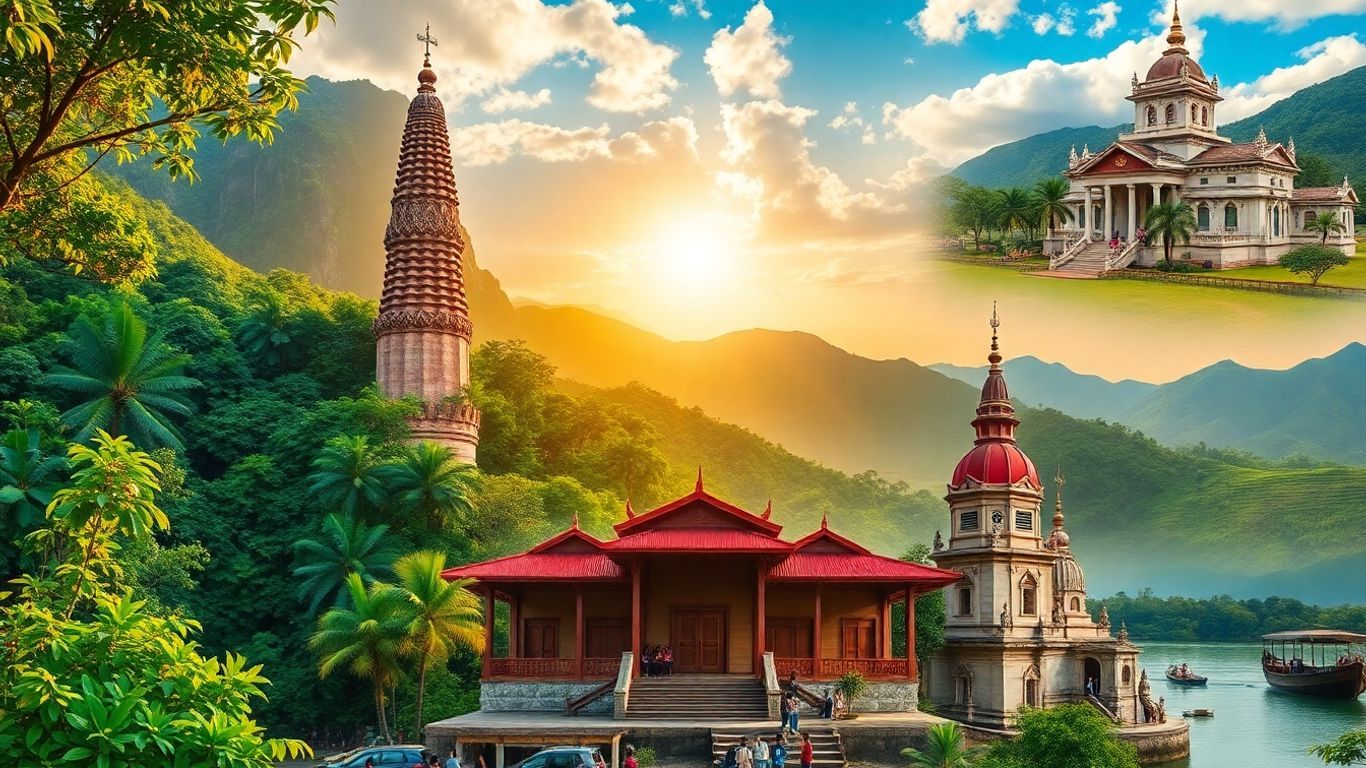
Home to Malaysia's highest peak, Mount Kinabalu National Park is dominated by a truly majestic mountain that scrapes the sky. But it's not just about the summit; the park itself is a treasure trove of life. As you ascend, you move through everything from steamy lowland rainforests to cooler, sub-alpine forests. This incredible variety of ecosystems means a staggering number of different plants and animals call this place home. It's a place where you can witness the sheer diversity of nature firsthand.
The park is a critical conservation area thanks to its unique and often rare flora and fauna.
Here's a quick look at what makes it so special:
- Diverse Habitats: From tropical lowlands to montane forests, the park supports a remarkable range of ecosystems.
- Rich Biodiversity: It's a hotspot for endemic species, meaning many plants and animals found here exist nowhere else on Earth.
- Stunning Scenery: Beyond the mountain itself, the park offers beautiful landscapes, cascading waterfalls, and unique plant life like the famous pitcher plants and countless orchid species.
A quick tip: visiting Mount Kinabalu requires some preparation. The weather can change in a flash, so packing layers and being ready for rain is essential, especially if you plan to hike. Proper gear is a must—trust us on this—for safely enjoying the park's different altitudes.
Gunung Mulu National Park: Subterranean Marvels
Over in Sarawak, Gunung Mulu National Park is another incredible UNESCO site, and honestly, its most astonishing secrets are hidden deep underground. This place is world-famous for housing one of the planet's largest and most spectacular cave systems. We're talking about caves like Deer Cave, which is simply massive, and the Sarawak Chamber—it's so vast you could comfortably fit about 40 Boeing 747 airplanes inside without them touching wings! Then there's Clearwater Cave, the longest cave system in Southeast Asia. These caves were carved out over millions of years by water, and they're still evolving today.
Above ground, the park is every bit as impressive. It's blanketed in ancient rainforest and features these incredible, razor-sharp limestone formations known as the Pinnacles on Gunung Api. It’s a fantastic destination for anyone with a love for adventure and untamed nature.
Here are some of the highlights of Gunung Mulu:
- World-Class Caves: Explore the mind-boggling scale of the Sarawak Chamber, Deer Cave, and Clearwater Cave.
- Unique Geology: Witness the dramatic limestone pinnacles and other unique karst landscapes.
- Primary Rainforest: Trek through ancient forests that are teeming with exotic wildlife and plant life.
Getting to Gunung Mulu National Park typically means catching a flight into Mulu airport. Once you're there, exploring the caves requires a certified guide, and it’s always a good idea to book these tours in advance, especially during peak season. Be prepared for the heat and humidity inside the caves—it's quite an experience!
Sarawak Chamber: A Realm of Giants
The Sarawak Chamber, found deep within Gunung Mulu National Park, really deserves its own mention because it is simply mind-blowing. As noted, it's the largest known cave chamber in the world by area. Just try to imagine standing in a space so vast that it dwarfs anything you've ever seen before. It's one of those places that truly makes you feel small in the grand theatre of nature.
- Immense Scale: The sheer, unbelievable size of the Sarawak Chamber is its most defining and awe-inspiring feature.
- Natural Wonder: It stands as a powerful testament to the slow, relentless power of geological processes over millennia.
- Unique Ecosystem: The chamber supports its own distinct environment, with life adapted to the perpetual darkness and humidity.
Exploring these natural wonders is an unforgettable experience. Remember to respect the environment, follow park rules, and always go with a licensed guide when venturing into caves or on challenging trails. It's all about appreciating these incredible places responsibly so they remain for generations to come.
Journeying Through Prehistoric Discoveries
Lenggong Valley: A Glimpse into Ancient Human History
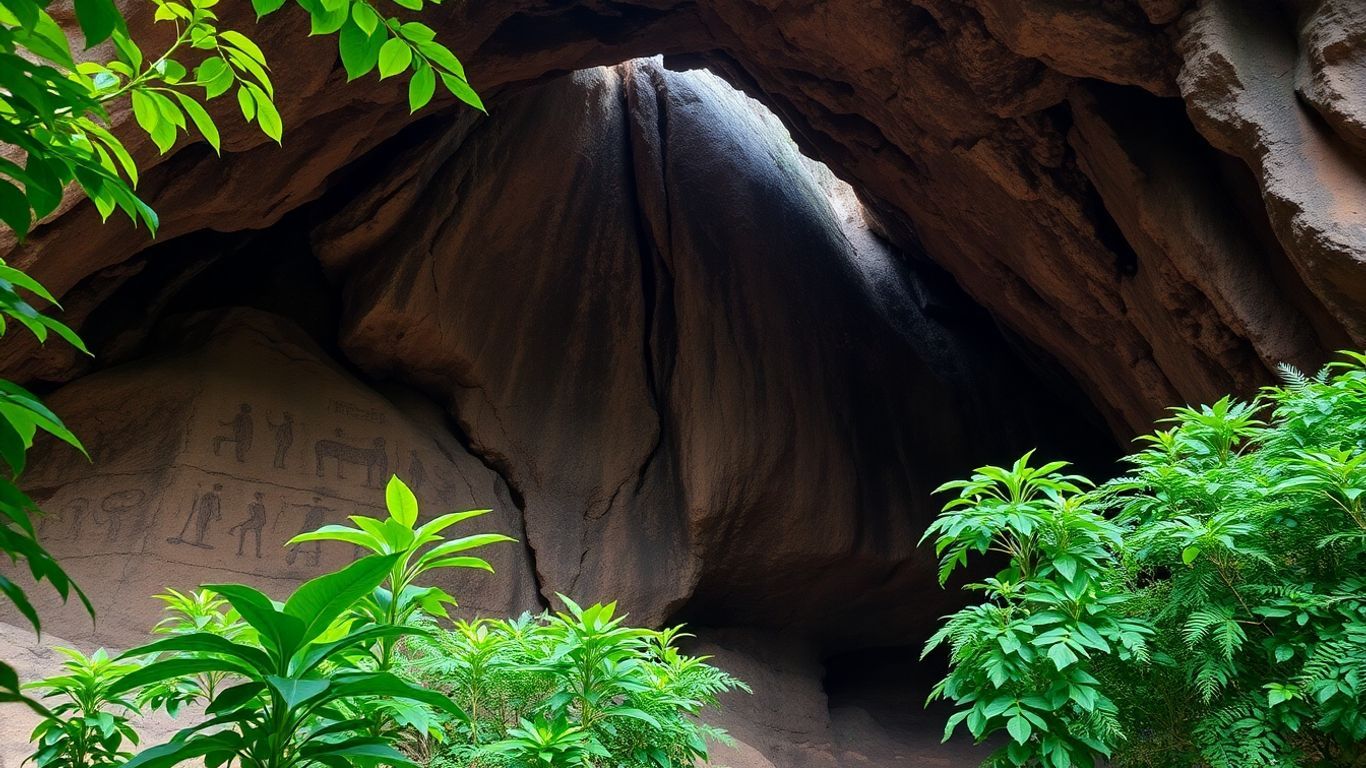
When we think of Malaysia, images of vibrant cities and lush rainforests often come to mind. But tucked away in the state of Perak is a place that transports us back—way back—to the very dawn of human history in this region: the Lenggong Valley. This isn't just any valley; it's a UNESCO World Heritage Site, recognised for holding one of the longest and most complete records of early human activity found anywhere in the world. We're talking about archaeological evidence that stretches back to the Paleolithic period, meaning people were living and crafting tools here over a million years ago. A truly mind-boggling thought, isn't it?
Archaeological Significance of the Valley
The Lenggong Valley is particularly special because its geology and landscape have remained remarkably stable for millions of years, preserving an incredible record of human presence. Archaeologists have unearthed stone tools here that are astonishingly old, with some dating back as far as 1.8 million years. But perhaps the most famous discovery, and a true highlight for any visitor, is the 'Perak Man'.
- Perak Man: Unearthed in 1991 from a limestone cave, this is the most complete and oldest human skeleton found in all of Southeast Asia. He lived around 10,000 to 11,000 years ago.
- Unique Condition: Perak Man was born with a rare genetic disorder called brachymesophalangia, which affected his left hand and arm. This physical trait likely meant he couldn't have been a hunter-gatherer in the traditional sense.
- Social Importance: Despite his condition, he lived to be around 50 years old, and the respectful manner of his burial—alone in a cave, accompanied by tools and animal offerings—strongly suggests he was a respected and important figure in his community.
The Lenggong Valley offers a precious window into the lives of our ancient ancestors. It's a place where the earth itself tells stories of survival, innovation, and the very beginnings of human culture in this part of the world. Visiting here truly deepens your appreciation for how long humans have called this land home and how much we've evolved.
Immersive Cultural Experiences at Malaysia UNESCO Sites
Engaging with Local Traditions
Stepping into Malaysia's UNESCO World Heritage Sites isn't just about looking at old buildings; it's like walking through a living, breathing history book. It's about feeling the pulse of the communities that have called these places home for centuries. In places like George Town and Melaka, you can get a real feel for how different cultures have blended so beautifully over time. Just look at the architecture—you’ll see Chinese shophouses standing harmoniously next to colonial-era Dutch buildings and colourful Indian temples. It’s a visual feast that tells a powerful story of trade, migration, and coexistence.
To truly connect, consider joining a guided walking tour. These aren't your usual dry history lessons; local guides often share personal anecdotes and point out hidden details you'd otherwise miss. You might learn about traditional crafts still practised today, like batik making or intricate wood carving. Some sites even offer workshops where you can try your hand at these skills—a fantastic, hands-on way to appreciate the artistry and dedication involved.
Culinary Delights and Local Markets
Let's be honest—you can't talk about Malaysia without talking about food, and the UNESCO sites are no exception. George Town, in particular, is world-famous for its street food. You could easily spend days just eating your way through the city. From the *wok hei* of a perfectly fried char kway teow to the cooling sweetness of a bowl of cendol, your taste buds are in for a serious adventure.
But don't just stick to the most famous dishes. Make sure to wander through local markets like the Chowrasta Market in George Town. It’s a bustling hub where you'll find fresh produce, local snacks (*kuih-muih*), and aromatic spices. It’s a fantastic place to see what locals buy and eat in their daily lives.
Here’s a little taste of what you might find:
- Nyonya Cuisine: A unique and delicious blend of Chinese and Malay flavours, a specialty in Melaka.
- Roti Canai: A flaky, buttery flatbread, perfect for breakfast with a side of dhal or curry.
- Laksa: A spicy and fragrant noodle soup, with many delicious regional variations to try.
- Satay: Skewers of marinated meat, grilled to perfection and served with a rich peanut sauce.
Understanding Indigenous Communities
Beyond the bustling heritage cities, Malaysia's UNESCO portfolio also includes breathtaking natural landscapes like Mount Kinabalu National Park and Gunung Mulu National Park. These areas are not just about stunning scenery and unique wildlife; they are also the ancestral homes of indigenous communities with deep, profound connections to the land.
Spending time in or near these natural heritage sites offers a chance to learn about the traditions and ways of life of groups like the Orang Asli in Peninsular Malaysia or various ethnic groups in Borneo. Their knowledge of the local flora and fauna is nothing short of encyclopaedic, passed down through generations. Many community-based tourism initiatives allow visitors to respectfully engage, perhaps by learning about traditional farming methods, medicinal plants, or even participating in cultural performances. It’s a powerful reminder that heritage isn't just about the past; it's about people and their ongoing relationship with their environment.
Visiting these sites is more than just a holiday; it's a chance to connect with the very soul of Malaysia. It’s about appreciating the deep layers of history, the vibrant present, and the enduring traditions that make this country so uniquely special. Take the time to listen, observe, and engage—you'll leave with memories that last a lifetime.
Your Malaysian Heritage Adventure Awaits
So there you have it—a glimpse into Malaysia's incredible lineup of UNESCO sites. It’s about so much more than just old buildings and pretty landscapes, isn't it? These places are living history books, revealing how different cultures came together to shape the nation we know and love today. Whether you're wandering through the colourful, art-filled streets of George Town or exploring the historical heart of Melaka, you're literally stepping back in time. It’s a journey that connects you deeply to the past and its people. If you haven't had the chance to visit, maybe it's time to start planning a trip. There’s a world of discovery waiting, and honestly, it’s an experience you won't soon forget.
Frequently Asked Questions
What makes George Town and Melaka UNESCO World Heritage Sites?
George Town and Melaka are recognised by UNESCO because they stand as exceptional examples of multicultural trading towns. Their unique architecture and urban design tell a fascinating story of how European colonial powers, Chinese traders, and local Malay communities interacted and coexisted for centuries, creating something entirely new and special.
Why is Mount Kinabalu National Park important enough to be a UNESCO site?
Mount Kinabalu National Park is celebrated for its astonishing biodiversity. As home to Malaysia's highest peak, it covers a huge range of habitats—from steamy tropical rainforests at its base to cool sub-alpine meadows near the top. This variety supports a massive number of plant and animal species, many of which can't be found anywhere else on Earth, making it a crucial site for conservation.
What's so special about Gunung Mulu National Park?
Gunung Mulu National Park is world-renowned for its phenomenal cave systems. It’s home to the Sarawak Chamber, the largest known cave chamber in the world by area—it's simply immense! On top of its subterranean wonders, the park features pristine rainforests and the dramatic limestone peaks known as the Pinnacles, making it a paradise for adventurers and nature lovers alike.
What can I learn from the Lenggong Valley UNESCO site?
The Lenggong Valley is essentially an open-air museum, offering a rare glimpse into the lives of prehistoric humans in this region. The archaeological finds here, including ancient stone tools and the famous 'Perak Man' skeleton, provide direct evidence of how people lived tens of thousands of years ago. A visit here connects you to the deepest roots of Malaysia's human history.
How can I best experience the culture at Malaysia's UNESCO sites?
To really immerse yourself in the culture, go beyond just looking. Join a walking tour with a local guide who can share personal stories, dive into the incredible street food scene (*makan-makan* is a must!), and explore the bustling local markets. Always be mindful and respectful of local customs. If you're lucky, your visit might coincide with a local festival, which is an unforgettable way to experience the living heritage of these places.
Are Malaysia's UNESCO sites suitable for families and older visitors?
Absolutely! Many of Malaysia's UNESCO sites are very family-friendly. The historic cities of George Town and Melaka are easily walkable, with plenty to see and eat for all ages. While the natural sites like national parks have challenging trails, they also offer easier paths, boardwalks, and visitor centres that are accessible for families and older visitors, ensuring everyone can appreciate their beauty.


