
resources-malaysia
Exploring the Architectural Wonders of Masjid Malaysia: A 2025 Guide
Industry Expert & Contributor
04 Nov 2025

So, you're planning a trip to Malaysia in 2025 and have the country's magnificent mosques on your list? You're in for an absolute treat. Malaysia is home to some truly breathtaking places of worship, each boasting its own unique story and architectural flair. We’re talking about structures that masterfully blend age-old traditions with contemporary ideas, making them truly stand out. Whether you're a history buff, an architecture enthusiast, or simply seeking a moment of peace, the local masjid landscape has something special for everyone. Let’s explore some of the top spots you certainly won't want to miss.
Key Takeaways
- Malaysian mosques are renowned architectural gems, often presenting a stunning blend of styles including traditional Malay, Mughal, and modern designs.
- Landmark mosques like the Putra Mosque and the National Mosque offer distinct experiences, ranging from vibrant contemporary design to profound historical symbolism.
- From historic sites such as Kapitan Keling Mosque to newer marvels like the Iron Mosque, the country showcases a rich and diverse architectural heritage.
- A visit to these sacred spaces calls for respect for local customs—this includes dressing modestly and being mindful of daily prayer times.
- For the best photography opportunities, aim for an early morning or late afternoon visit, when the light is soft and the crowds are generally smaller.
Architectural Marvels of Masjid Malaysia
Malaysian mosques are truly something else, aren't they? They are more than just places for prayer; they are grand artistic statements that narrate the nation’s rich history and cultural tapestry. What's particularly fascinating is how they harmonise different architectural styles. You’ll discover influences from classic Malay artisanship, grand Mughal designs, elegant Moorish arches, and even sleek modern touches—all coexisting in a single structure. It’s a captivating blend that is quite unique to this part of the world.
A Fusion of Styles in Malaysian Mosques
As you explore mosques across the country, you’ll notice this incredible fusion. It feels as though each region and historical period has added its own distinct flavour to the mix. For instance, you might encounter a mosque with classic Malay wooden carvings right alongside domes that evoke the grandeur of the Middle East, or perhaps a structure that uses modern steel and glass in a way that still feels deeply spiritual. This architectural dialogue between different cultures and eras is a defining feature of Malaysian Islamic architecture.
- Malay Architecture: Often features intricate woodwork, steep multi-tiered roofs, and airy, open pavilions.
- Mughal Influence: Clearly visible in the majestic domes, pointed arches, and ornate minarets.
- Moorish Elements: Characterised by its iconic horseshoe arches, detailed tilework, and serene courtyards.
- Modern Interpretations: Incorporates contemporary materials like steel, glass, and concrete, often with minimalist or abstract forms.
The way these diverse architectural elements converge creates a visual language that is uniquely Malaysian. It's a powerful testament to the country's multicultural identity and its remarkable ability to honour tradition while embracing innovation.
Unique Materials and Design Elements
Beyond the blend of styles, it's the specific materials and design features that truly make these mosques unforgettable. Take the Putra Mosque, for example, with its striking rose-tinted granite facade that glows warmly in the sun. Or consider the Crystal Mosque, constructed from glass and steel, which gives it a shimmering, almost ethereal quality—especially when it catches the light just right. These aren't just standard brick-and-mortar buildings; they employ materials in inventive ways to achieve breathtaking visual effects.
Here are some of the common elements you’ll encounter:
- Domes: Varying in size and style, from the classic onion shape to more contemporary geometric designs.
- Minarets: These tall, slender towers, used for the call to prayer, are often elaborately decorated.
- Calligraphy: Verses from the Quran are beautifully integrated into the design, adding both aesthetic and spiritual depth.
- Courtyards: Many mosques feature tranquil open courtyards, providing a peaceful space for reflection and community gatherings.
It's this meticulous attention to detail, the thoughtful use of materials, and the seamless blending of diverse architectural traditions that make visiting a Masjid Malaysia such a deeply rewarding experience.
Iconic Masjid Malaysia Destinations
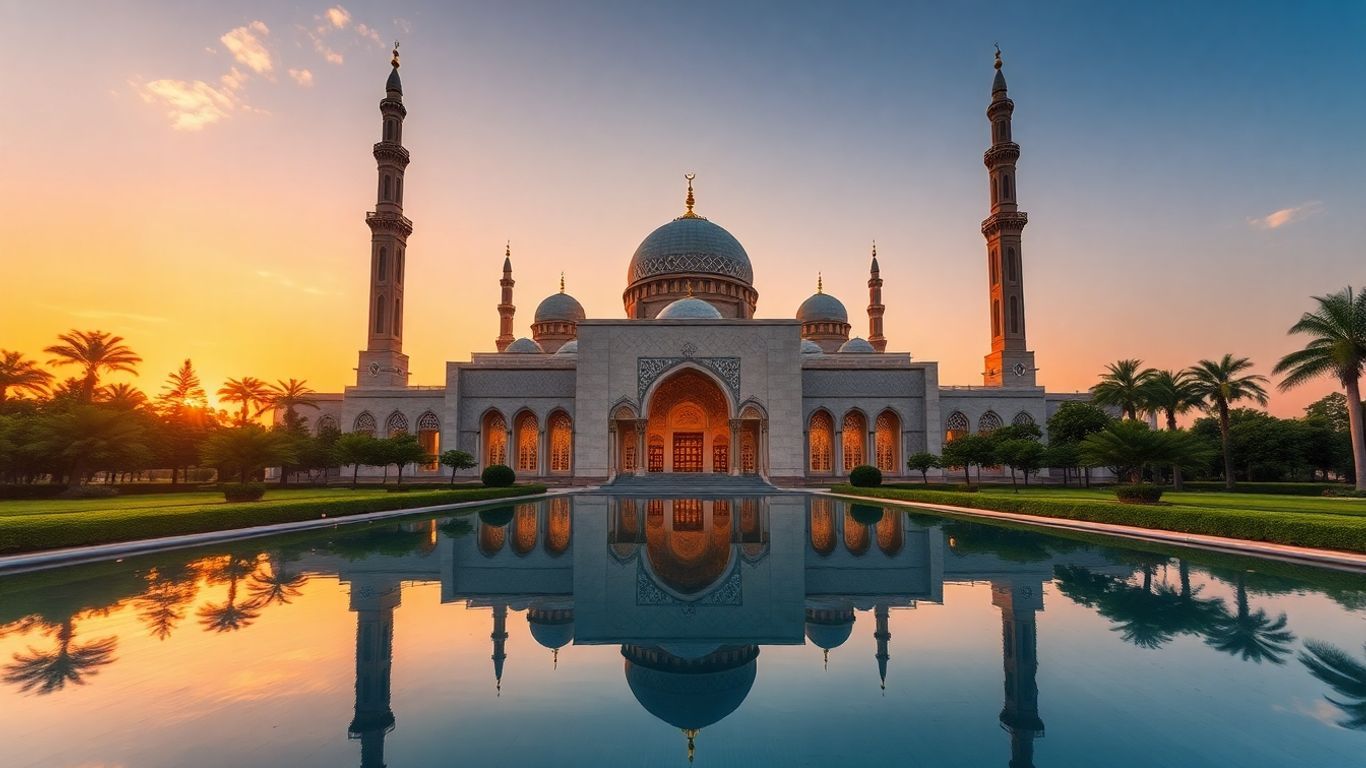
When you're mapping out your 2025 Malaysian itinerary, a few iconic mosques inevitably stand out from the rest. They are far more than just places of worship; they are national landmarks that tell a compelling story about the country's history, culture, and architectural vision. Let's take a closer look at a few that truly capture the spirit of Malaysian Islam.
Putra Mosque: A Contemporary Masterpiece
Nestled in the heart of Putrajaya, the Putra Mosque is a genuine showstopper. Its exterior is crafted from beautiful rose-tinted granite, and its magnificent domes immediately draw your gaze. It sits elegantly beside Putrajaya Lake, creating picture-perfect photo opportunities, especially in the soft light of early morning or late afternoon. Inside, you'll discover intricate Islamic calligraphy that is nothing short of impressive. It has a modern feel, yet it's still deeply rooted in tradition.
- Location: Putrajaya
- Materials: Rose-tinted granite
- Setting: Adjacent to Putrajaya Lake
- Best for: Photography, experiencing modern Islamic architecture
This mosque is a brilliant showcase of how Malaysia can blend contemporary ideas with enduring beliefs. It’s a peaceful sanctuary that feels both grand and incredibly welcoming.
National Mosque: Symbol of Faith and Freedom
Masjid Negara, the National Mosque, stands as a powerful symbol of the nation. Inaugurated back in 1965, it boasts a truly unique 16-pointed star-shaped roof adorned with blue and green tiles. This enormous space can accommodate up to 15,000 people and is enveloped by lovely gardens, offering a serene escape from the city's hustle and bustle. It's also conveniently located in Kuala Lumpur, just a stone's throw from other attractions like the Islamic Arts Museum.
- Opened: 1965
- Capacity: 15,000 worshippers
- Architectural Feature: 16-pointed star roof
- Location: Kuala Lumpur
Crystal Mosque: A Sparkling Edifice
Over in Kuala Terengganu, the Crystal Mosque (Masjid Kristal) is truly a sight to behold. Constructed with steel, glass, and crystal, it possesses a sleek, almost futuristic aesthetic. By day, it shimmers under the sun, and by night, when illuminated, it appears to glow from within. It stands as a testament to the innovative spirit of mosque design in Malaysia, utilising modern materials to create a truly dazzling effect.
Exploring Historic and Modern Masjid Malaysia
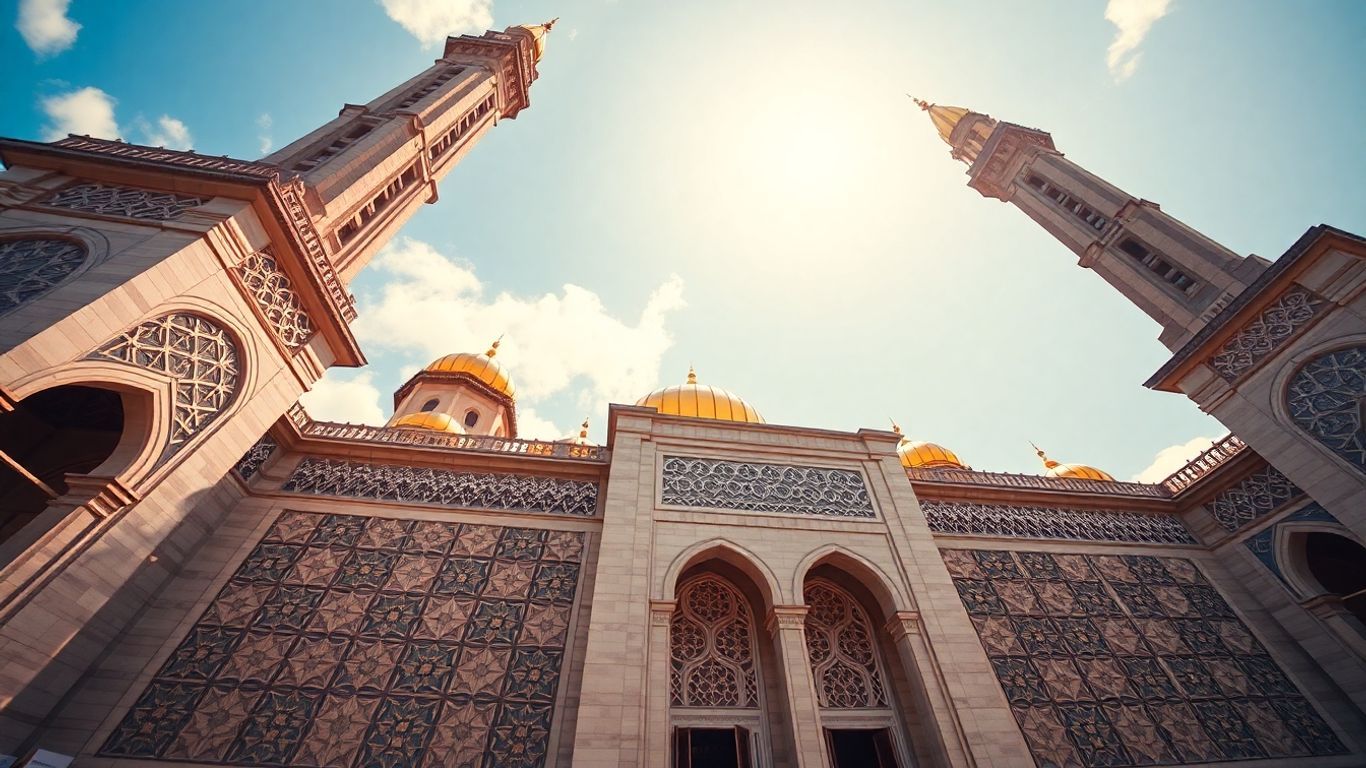
Malaysia's mosques are far more than just places of worship; they are living chronicles of the nation's rich history and evolving architectural identity. From structures that whisper tales of bygone colonial eras to those that boldly champion contemporary design, each mosque offers a unique window into the country's soul. These buildings beautifully showcase a fascinating blend of Malay, Mughal, Moorish, and even modern influences, creating a diverse tapestry of Islamic architecture.
Kapitan Keling Mosque: A Testament to Heritage
Located in the heart of George Town, Penang, the Kapitan Keling Mosque stands as a prominent historical landmark. Its architecture is a clear reflection of a distinct Indian Muslim heritage, paying homage to the community that founded it. The mosque's design features a delightful blend of South Indian and Moorish styles, with its grand onion dome and striking minarets. It's a place where history feels alive, offering visitors a tangible connection to the past.
Ubudiah Mosque: Elegance in Perak
In Perak, the Ubudiah Mosque is frequently celebrated for its sheer elegance and beauty. Constructed in the early 20th century, it showcases a classic Islamic architectural style, complete with magnificent golden domes and graceful minarets. The mosque's serene surroundings only add to its charm, making it a perfectly peaceful spot for reflection and admiration. It remains a prime example of traditional mosque design executed with exceptional grace.
Sultan Abu Bakar Mosque: Colonial Charm
Johor Bahru's Sultan Abu Bakar Mosque is a remarkable example of how different architectural styles can harmonise beautifully. Built in the early 1900s, it seamlessly incorporates Victorian colonial elements alongside Moorish influences. Perched majestically on a hill overlooking the Straits of Johor, the mosque offers not only spiritual solace but also absolutely breathtaking views. Its unique design makes it a true standout among Malaysia mosques.
Iron Mosque: Steel and Glass Grandeur
Stepping into the modern era, the Iron Mosque (officially Masjid Tuanku Mizan Zainal Abidin) in Putrajaya presents a dramatically different aesthetic. Constructed primarily from steel and glass, its design is at once minimalist and grand, capable of welcoming thousands of worshippers. Its open structure promotes natural ventilation, while the intricate metalwork casts beautiful patterns of light within. It’s a powerful symbol of Malaysia's forward-thinking approach to architectural design.
Floating Mosque: An Aquatic Wonder
The Floating Mosque, known officially as Masjid Al-Hussain in Kuala Perlis, offers a truly unique visual spectacle. During high tide, it appears to hover gracefully above the water, creating a surreal and beautiful effect. Built with materials like marble and granite, its design is distinctly contemporary, and its seaside location provides stunning views. It's a truly distinctive and memorable addition to Malaysia's mosque landscape.
Visiting these diverse mosques is like taking a journey through Malaysia's architectural evolution and its deep-rooted cultural identity. Each structure tells its own story—from the echoes of historical communities to the bold statements of modern innovation.
Innovative Masjid Malaysia Designs
Iron Mosque: Steel and Glass Grandeur
When you picture a mosque, traditional domes and minarets probably come to mind, right? Well, Malaysia has a knack for mixing things up. The Iron Mosque, also known as Masjid Besi, is a perfect example of this innovative spirit. Despite the name, it isn't made of iron, but it fully embraces modern materials like steel and glass. This approach gives it a sleek, almost futuristic appearance that sets it apart from more traditional mosques.
Its design makes a bold statement, blending Islamic architectural principles with a contemporary, industrial aesthetic. The structure is defined by clean lines and expansive open spaces, making it feel both grand and approachable. It's a place that beautifully demonstrates how faith and modern design can converge in a truly striking way, making it a popular destination for both worshippers and architecture lovers alike.
Floating Mosque: An Aquatic Wonder
Can you imagine a mosque that seems to float on water? That’s the magic behind the Floating Mosque, a term often used for structures built on stilts or platforms over a body of water like a lake or the sea. This design choice isn't just for aesthetics; it fosters a serene, almost ethereal atmosphere. The reflection of the mosque on the water's surface adds another layer of beauty, particularly during the golden hours of sunrise or sunset.
These mosques often incorporate elements that complement their aquatic surroundings—think open courtyards that catch the sea breeze or designs that echo the gentle rhythm of the waves. It offers a peaceful escape, providing a unique spiritual experience that connects worshippers with nature in a very special way. It really makes you pause and appreciate the connection between the divine and the natural world.
Here’s a quick summary of what makes these innovative designs so special:
- Materiality: Moving beyond traditional stone and brick to incorporate steel, glass, and other modern building components.
- Aesthetics: Embracing minimalist, industrial, or even futuristic design philosophies while respecting Islamic architectural traditions.
- Location: Utilising unique settings, such as waterfronts or elevated platforms, to create a distinct spiritual ambiance.
- Functionality: Integrating modern amenities and versatile community spaces within the mosque complex.
Visiting these modern marvels offers a fresh perspective on Islamic architecture in Malaysia. They showcase a willingness to experiment and innovate, proving that tradition and modernity can coexist beautifully in sacred spaces. It's a testament to the dynamic and evolving landscape of religious architecture in the region.
Visiting Masjid Malaysia: Practical Guidance
So, you're all set to explore some of Malaysia's incredible mosques in 2025? Fantastic! These places are truly beautiful, but it's important to remember they are also active places of worship. Being respectful is essential, and it’s quite simple once you know the basics.
Respectful Attire and Etiquette
First things first, let's talk about the dress code. Modesty is key. This means you'll need to cover your shoulders, arms, and knees. For women, it's generally expected that you cover your hair as well. But don't worry if you didn't pack the right outfit; most larger mosques are very accommodating and provide complimentary robes or headscarves for visitors. Beyond your attire, just be mindful of your behaviour. Keep your voice low, avoid loud conversations, and be especially conscious of prayer times. You wouldn't want to be strolling through the main prayer hall while people are in the middle of their prayers, would you?
Optimal Visiting Times for Photography
If you're hoping to capture some stunning photos, timing is absolutely crucial. Early mornings or late afternoons are typically your best bet. The golden light during these hours can make the architecture—and all its intricate details—really come to life. Plus, the mosques are generally less crowded at these times, which means you can get those perfect shots without dozens of other people in the frame. Just be sure to double-check the mosque's specific visiting hours, as they often close to tourists during prayer sessions. Some locations, like the Putra Mosque, are famous for their breathtaking reflections on the water, especially when the light is just right.
Engaging with Cultural Insights
Many of these mosques are incredibly welcoming to all visitors, including non-Muslims. They often have volunteer guides available who are happy to share insights about the history, architecture, and cultural significance of the place. It's a wonderful way to deepen your understanding of Islamic culture and traditions in Malaysia. Don't be shy about asking questions! This is a fantastic opportunity to gain a richer appreciation for these incredible structures and the faith they represent. You might even come across events like a Mosque Open Day, which is a great way to experience these sacred spaces. You can find more details about such initiatives on platforms like Malaysia's Sacred Spaces.
Remember, visiting a mosque is a privilege. Approaching the experience with an open mind and a respectful heart will make it a much more rewarding and memorable part of your journey. It's about appreciating the beauty and culture, not just checking another item off your travel list.
Wrapping Up Your Malaysian Mosque Adventure
As our journey through Malaysia's spectacular mosques comes to a close, it's clear these aren't just buildings for prayer—they are magnificent works of art that showcase the country's rich history and its flair for blending tradition with modernity. Whether you're drawn to the timeless elegance of historical structures or the bold vision of contemporary designs, there's something here to inspire everyone. If you're planning to see these incredible places for yourself, hopefully, this guide has provided a great starting point for your adventure.
Frequently Asked Questions
What makes Malaysian mosques so special architecturally?
What makes them so remarkable is their incredible blend of architectural styles. You’ll often find a mix of traditional Malay, Mughal, and even modern European influences all in one building. This fusion creates truly unique and beautiful structures that tell the story of Malaysia's diverse cultural history.
What should I wear when visiting a mosque in Malaysia?
Dressing respectfully is very important. This means wearing modest clothing that covers your shoulders and knees. For ladies, a headscarf is also required. Many of the larger mosques provide robes and head coverings for visitors, but it's always a good idea to come prepared.
When is the best time to visit a mosque for photos?
For the best photographs, try visiting during the early morning or late afternoon. The soft, golden light at these times really enhances the beauty of the architecture. It's also usually less crowded then. Just be sure to check visiting hours and avoid prayer times.
Are non-Muslims allowed to visit Malaysian mosques?
Absolutely! Most mosques in Malaysia warmly welcome visitors of all faiths outside of prayer times. Many even have volunteers or guides who can share fascinating information about the mosque's history, design, and Islamic traditions. It's a wonderful learning opportunity.
Can I take pictures inside the mosque?
Photography is usually permitted, but it's crucial to be discreet and respectful of worshippers. Avoid using a flash, keep quiet, and never take photos of people praying without their permission. Always look for any signs with specific rules at the entrance.
What are some of the most famous mosques to see?
A few must-see mosques include the stunning pink-domed Putra Mosque in Putrajaya, the grand National Mosque in Kuala Lumpur, the dazzling Crystal Mosque in Kuala Terengganu, and the historic Kapitan Keling Mosque in Penang. Each one offers a completely unique architectural style and experience.
Share

Peyman Khosravani
Industry Expert & Contributor
Peyman Khosravani is a global blockchain and digital transformation expert with a passion for marketing, futuristic ideas, analytics insights, startup businesses, and effective communications. He has extensive experience in blockchain and DeFi projects and is committed to using technology to bring justice and fairness to society and promote freedom. Peyman has worked with international organisations to improve digital transformation strategies and data-gathering strategies that help identify customer touchpoints and sources of data that tell the story of what is happening. With his expertise in blockchain, digital transformation, marketing, analytics insights, startup businesses, and effective communications, Peyman is dedicated to helping businesses succeed in the digital age. He believes that technology can be used as a tool for positive change in the world.


