


resources-malaysia
Exploring the Diverse Religion of Malaysia: Islam, Buddhism, Hinduism, and Beyond
Industry Expert & Contributor
13 Oct 2025

In Malaysia, you'll find a remarkable tapestry of beliefs coexisting peacefully. It's a nation with a rich blend of people, which naturally means there are many different ways of worship too. From the official religion to smaller, yet vibrant groups, understanding Malaysia's spiritual landscape gives us a glimpse into how this diverse population comes together. Let's explore the main faiths and see how they all fit into the national picture.
Key Takeaways
- As the nation's official religion, Islam is deeply woven into Malay identity, with Sharia law shaping aspects of life for Muslims.
- Buddhism, often blended with traditional Chinese beliefs, is embraced by a large segment of the population in a way that feels uniquely Malaysian.
- Central to the Indian Malaysian community, Hinduism has profoundly influenced the nation's food and culture, with a rich diversity within the group itself.
- Christianity, Sikhism, Taoism, Confucianism, and various Indigenous beliefs like animism add incredible depth to Malaysia's spiritual variety, showcasing a broad spectrum of faith.
- Malaysia generally fosters a high level of religious tolerance—it's common to see different places of worship near each other—though religion certainly plays a key role in politics and national identity.
The Dominant Faith: Islam in Malaysia
Islam holds a truly central place in Malaysia, and for many people here, it's more than just a religion; it's deeply tied to their identity. The constitution officially names Islam as the religion of the Federation, which is quite significant. However, it also guarantees that other religions can be practised in peace and harmony, creating a unique balancing act.
Islam as the Federation's Religion
Back when Malaysia gained its independence, the founders made the decision to declare Islam the official religion. This wasn't merely a symbolic gesture; it has real-world implications for how the country is run. It means Islamic principles and practices often inform public life and policy, all while the constitution ensures freedom of religion for non-Muslims. It’s a fascinating setup that continues to shape the national conversation.
Sharia Law and its Influence
Interestingly, Malaysia operates with a dual legal system. You have the civil law that most are familiar with, and then there's Sharia law, which applies specifically to Muslims. Each state in Malaysia has the authority to create its own Sharia laws, and they can differ quite a bit from one state to another. Some states have put stricter codes in place, which at times has sparked concern among human rights advocates. These laws cover a wide range of issues, from family matters to certain criminal offenses, highlighting the profound influence of Islamic jurisprudence in the country.
Malay Identity and Islam
For ethnic Malays in Malaysia, being Muslim is often considered an inseparable part of their identity. It’s not just a faith they choose; it's something many are born into, intertwined with their culture and heritage. This connection is so profound that the constitution actually defines a Malay person as someone who is Muslim. This linkage means that discussions about Malay identity are almost always intertwined with discussions about Islam—making it a cornerstone of the national fabric.
This close link between Malay identity and Islam means that religious conversion can be a complex affair, especially for those born into the faith. While non-Muslims are free to change their religion, for Muslims—particularly ethnic Malays—leaving Islam can be a challenging path, often requiring formal approval from Sharia courts that are typically reluctant to grant it.
Here’s a quick breakdown of the religious demographics:
| Religion | Percentage of Population |
|---|---|
| Islam | 63.5% |
| Buddhism | 18.7% |
| Christianity | 9.1% |
| Hinduism | 6.1% |
| Others | ~2.6% |
What's clear from these numbers is that while Islam is the majority faith, a significant part of the population follows other spiritual paths. This very diversity is a big part of what makes Malaysia, well, Malaysia.
Buddhism's Presence and Cultural Integration
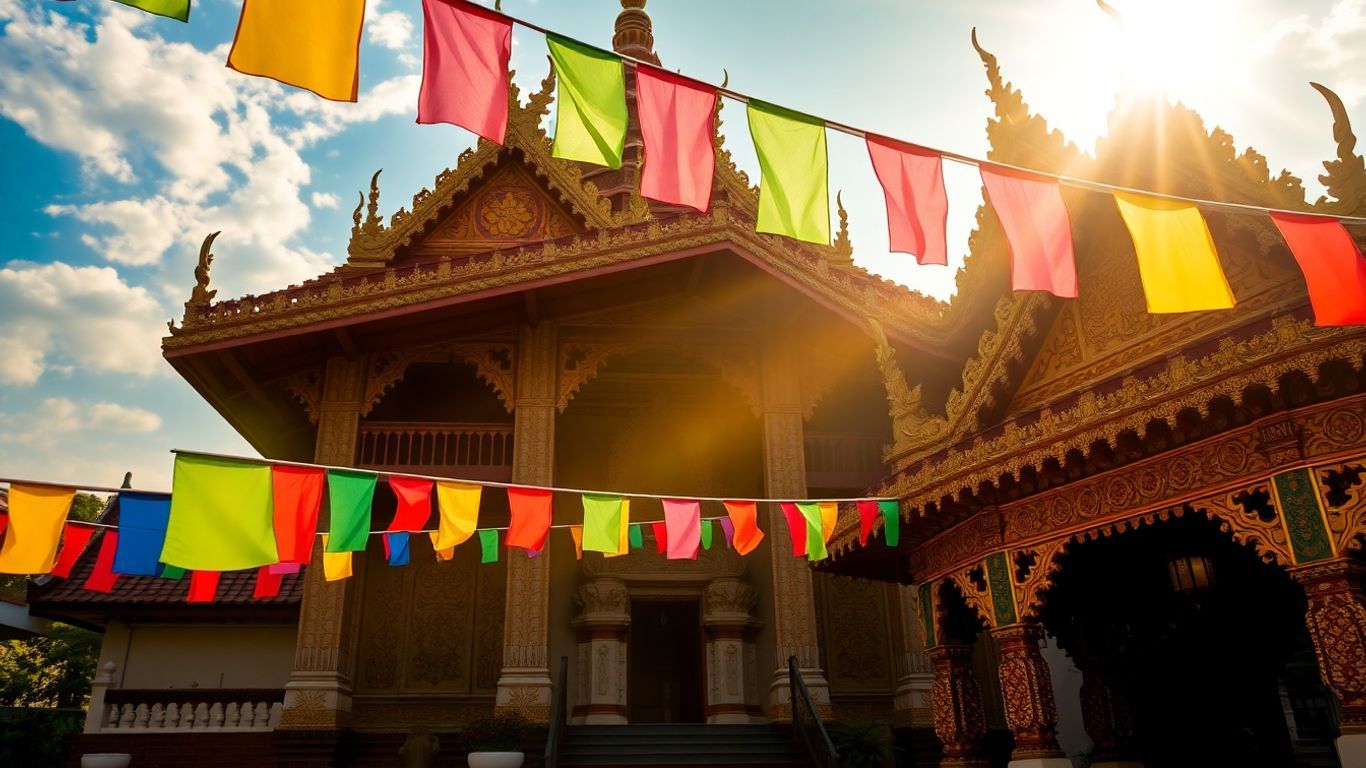
While Islam holds a prominent position in Malaysia, Buddhism also has a notable presence, beautifully woven into the nation's cultural tapestry. For many, it's not just a belief system; it's often linked to heritage and community, especially among the Malaysian Chinese population.
Buddhism stands as the second-largest religion in Malaysia, primarily embraced by the ethnic Chinese community. While the numbers can vary, recent estimates suggest that Buddhists make up around 19-20% of the total population. This makes it a substantial minority faith, influencing cultural practices and community life across the country.
It's interesting how the lines between Buddhism and other traditional Chinese beliefs can often be quite fluid here. Many individuals might take part in rituals or worship deities associated with Taoism, Confucianism, or folk beliefs, without strictly identifying with a single religion. You'll find that temples often serve as community hubs where these diverse practices seamlessly coexist.
- A blend of traditions is common: People often incorporate elements from different spiritual paths.
- Shared deities: Certain figures are revered across multiple belief systems.
- Community-focused: Temples are vital centres for cultural and religious activities, bringing people together.
In Malaysia, the practice of Buddhism often beautifully intertwines with ancestral worship and local folk traditions, creating a unique spiritual landscape that reflects the rich heritage of its followers.
Buddhism has carved out a comfortable niche within Malaysia's multicultural setting. The religion's focus on peace, compassion, and personal growth aligns well with broader societal values.
The peaceful tenets of Buddhist teachings—focusing on harmony and compassion—naturally lend themselves to a harmonious coexistence with other faiths in Malaysia. This compatibility is plain to see in the shared public spaces and mutual respect found between different religious communities. The visual presence of Buddhist temples, often featuring stunning, intricate architecture, adds to the nation's rich spiritual mosaic, standing respectfully alongside mosques, churches, and Hindu temples. This visual harmony is a powerful testament to the country's commitment to religious diversity.
Hinduism and Indian Malaysian Communities
The Indian Malaysian community, which makes up about 6.7% of the country's population, is the third-largest ethnic group. Their story in Malaysia really began to unfold in the late 19th and early 20th centuries, a migration largely spurred by the British Empire's expansion and the search for better economic opportunities. Today, Hinduism is the cornerstone faith for most Indian Malaysians, though you'll also find Christians and Muslims within the community.
Hinduism's Role Among Indian Malaysians
For many Indian Malaysians, Hinduism is far more than just a religion; it's deeply intertwined with their cultural identity and daily life. The faith's practices, festivals, and philosophies are lovingly passed down through generations, forging a strong link to their heritage. Temples often serve as the heart of the community, hosting religious ceremonies, cultural events, and social gatherings. The vibrant, colourful celebrations of festivals like Deepavali are a testament to the enduring presence and significance of Hinduism within the Indian Malaysian diaspora.
Culinary and Cultural Contributions
You simply can't talk about Malaysian culture without celebrating the incredible impact of Indian Malaysians, especially when it comes to *makan* (food)! Many dishes now considered Malaysian staples have Indian roots. Just think of the fragrant curries, the flaky *roti canai*, and the sweet, syrupy *jalebi*—these are all part of the rich tapestry of Malaysian cuisine, thanks to the Indian community. Beyond the kitchen, their influence shines through in music, dance, and traditional attire, adding a unique and vibrant flavour to the nation's cultural mix.
Diversity within the Indian Community
It’s important to remember that 'Indian Malaysian' isn't a monolithic group. While the majority are of Tamil descent, there are also sizable populations from other linguistic and cultural backgrounds, like the Telugu and Punjabi communities. Each subgroup brings its own distinct traditions, languages, and religious practices, contributing to a complex and multifaceted Indian Malaysian identity. This internal diversity only enriches the overall cultural landscape of Malaysia, showcasing a beautiful spectrum of beliefs and customs within a single ethnic group.
Beyond the Major Religions: A Spiritual Mosaic
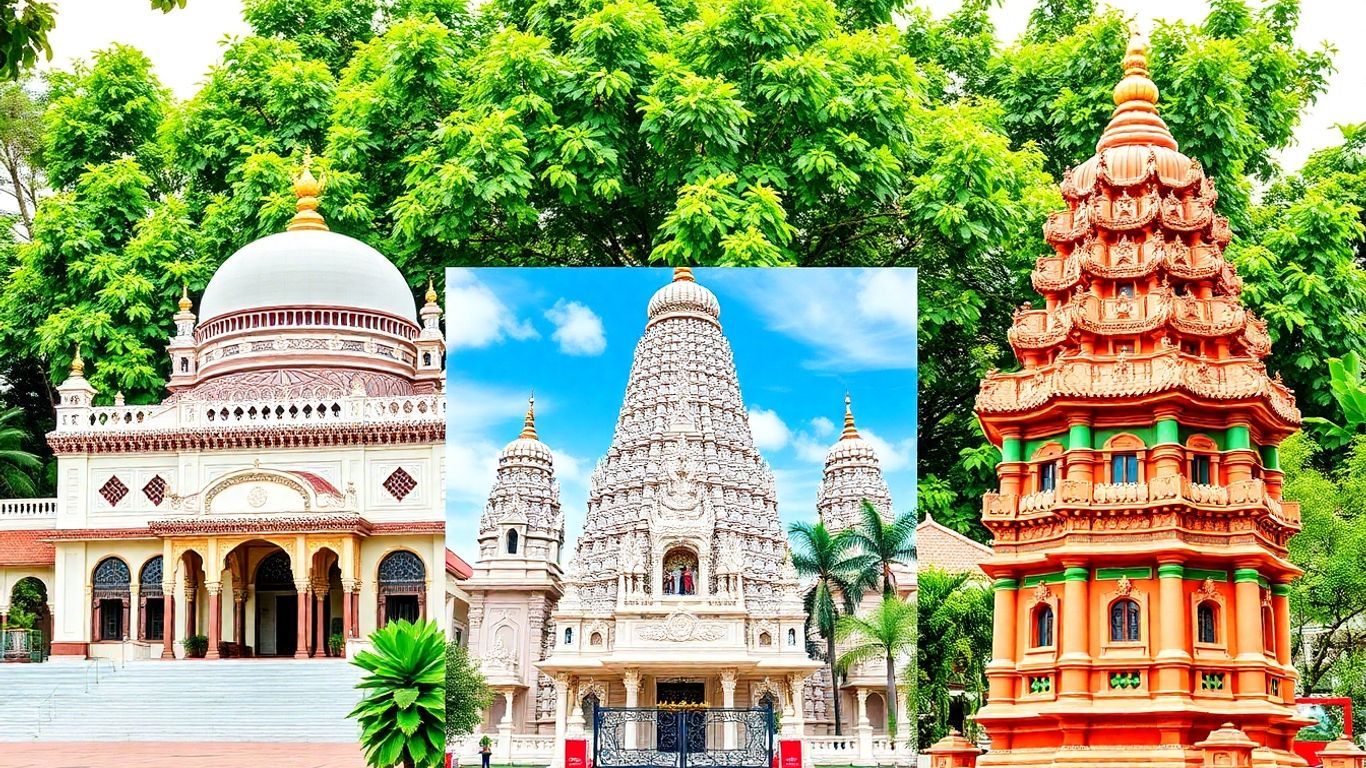
While Islam, Buddhism, and Hinduism might be the most prominent faiths you hear about, Malaysia's spiritual landscape is far richer and more complex. A significant portion of the population also adheres to Christianity, alongside various indigenous beliefs and smaller, yet culturally vital, religious communities. This diversity paints a picture of a nation where different spiritual paths coexist, often in beautiful and surprising ways.
Christianity's Adherence
Christianity holds a significant place in Malaysia, with communities spread across the nation, especially in East Malaysia (Sabah and Sarawak) and among various ethnic groups. While not as large in number as Islam or Buddhism, Christians are an integral part of the Malaysian social fabric. Their presence is marked by churches that stand as architectural landmarks in many towns and cities, adding another layer to the visual tapestry of religious sites.
Indigenous Beliefs and Animism
Deeply rooted in the land are the indigenous belief systems, which often include animistic practices. These traditions are closely connected to specific ethnic groups and their ancestral lands, particularly among the Orang Asli in Peninsular Malaysia and various indigenous communities in Borneo. These beliefs typically involve a reverence for nature, ancestral spirits, and a holistic worldview where the spiritual and physical realms are deeply intertwined. The lines between these traditional beliefs and other established religions can sometimes be fluid, with individuals often weaving elements from different faiths into their personal spiritual lives.
Sikhism, Taoism, and Confucianism
Beyond the larger groups, Malaysia is also home to followers of Sikhism, Taoism, and Confucianism. While smaller in number, these faiths add to the rich cultural and religious mosaic. Taoism and Confucianism, in particular, often blend with Chinese folk religions, creating a unique spiritual expression among some Malaysian Chinese. Sikh temples, known as Gurdwaras, serve as important centers of community and worship for the Sikh population. These smaller communities, though not always in the spotlight, are vital threads in the nation's diverse spiritual tapestry.
It's fascinating to see how people in Malaysia often show respect for figures from faiths other than their own. For instance, it's not uncommon for someone to offer prayers or gestures of respect to deities or religious figures not traditionally part of their own belief system. This practice speaks to a cultural openness and a shared sense of spirituality that transcends strict religious boundaries.
| Religion | Approximate Adherence (%) |
|---|---|
| Christianity | 9.2 |
| Indigenous Beliefs | Varies (significant in certain regions) |
| Sikhism | < 1 |
| Taoism/Confucianism | Often integrated with folk religion |
This incredible spiritual diversity is a true testament to Malaysia's multicultural soul. It shows how different traditions can not only exist side-by-side but also influence and enrich one another, contributing to a unique national character. The ability of these varied groups to find common ground and coexist peacefully is a defining characteristic of modern Malaysia.
Religious Tolerance and Coexistence
One of the remarkable things about Malaysia is how different faiths generally manage to coexist peacefully. It's not just about people living next door to each other; there's a genuine feeling that this diversity is a strength for the country. Most folks here believe that having people of various religions, ethnicities, and cultures actually makes Malaysia a better and more interesting place to be. This sense of acceptance is pretty widespread across the board.
Acceptance of Diverse Neighbors
If you ask people whether they'd be comfortable with neighbours from different religious backgrounds, the answer is almost always a warm yes. It’s common to hear that people are happy to have neighbours who practice Islam, Buddhism, Hinduism, or Christianity. This willingness to embrace others is a huge part of what makes Malaysian society tick. It shows a fundamental comfort level with people who might hold different beliefs or follow different traditions.
Shared Beliefs Across Religious Lines
What's really interesting is that it's not just about tolerating differences; sometimes, people find common ground in unexpected places. For instance, you might find that concepts like karma are widely understood and accepted by people from various religious communities, even if it’s not a core doctrine of their own faith. Some people even offer prayers or show respect to figures that aren't traditionally part of their religion. It’s a bit like a spiritual potluck—where different traditions can influence and blend with one another in daily life. This kind of cross-pollination of beliefs isn't always obvious, but it’s definitely there, contributing to a unique spiritual landscape.
Visual Harmony of Worship Sites
Take a walk around almost any Malaysian town or city, and you'll quickly notice how different places of worship often sit quite close to one another. You might see a mosque, a temple, and a church all within a short stroll. This physical proximity of religious buildings is a powerful visual symbol of the religious harmony that exists. It’s a constant, tangible reminder that different faiths can share the same space peacefully. This visual aspect reinforces the idea that religious diversity is not just accepted but is a visible, celebrated part of the national identity. It's a testament to the country's commitment to religious tolerance.
The way different religious communities interact in Malaysia often goes beyond mere politeness. It's a dynamic where shared values and mutual respect create a social fabric that is both resilient and adaptable. This environment allows for a unique blend of traditions and beliefs to flourish side-by-side, enriching the national identity.
Religion, Politics, and National Identity
In Malaysia, the line between religion and national identity is a fascinating—and often debated—topic. It's not just about personal faith; it's deeply woven into how people see themselves as Malaysians. For a large portion of the population, especially within the Malay community, Islam is seen as a core component of being Malaysian. This isn't just a sentiment; it has a real impact on political leanings and public discourse.
Religion's Role in Political Alignment
It’s quite common to see how religious affiliation can shape political choices. Many Malaysians feel that their religious beliefs should align with their political views, and this often translates into support for parties that champion Islamic values. This isn't to say everyone feels this way, but it's a significant current in the political landscape.
- A majority of Muslims in Malaysia see themselves as 'religion-state integrationists,' which means they believe it's important for their religion to be linked to national identity and for laws to reflect religious teachings.
- This viewpoint often translates into supporting political movements that advocate for religious principles.
- On the flip side, those who don't strongly connect religion with national identity might lean towards different political perspectives.
Religious Leaders in Public Discourse
Religious figures often have a noticeable voice in public conversations, particularly on matters of faith and morality. While they might not be directly involved in the day-to-day of politics, their opinions can carry considerable weight.
The influence of religious leaders is often felt in discussions about social issues, ethical guidelines, and even national policy. Their statements can shape public opinion and encourage certain actions or viewpoints among their followers.
Secularism vs. Religious State
The debate over whether Malaysia should be a secular state or one more closely guided by religious principles is an ongoing one. While the constitution establishes Islam as the religion of the Federation, it also guarantees freedom of religion for others. This creates a dynamic tension where different views on the role of religion in governance coexist.
- The idea of a secular state points to a clear separation between religious institutions and the operations of government.
- A religious state, in contrast, would see religious law and institutions playing a more direct role in governance.
- Malaysia seems to occupy a middle ground where these two concepts are constantly being negotiated and balanced, reflecting the country's diverse religious makeup and its evolving national identity.
A Tapestry of Faiths
When you pull back the curtain, Malaysia truly is a nation woven from a tapestry of different faiths. You have Islam as the official religion, but Buddhism, Hinduism, Christianity, and a host of other beliefs all have their own thriving communities. It’s pretty normal to see places of worship for various faiths just a stone's throw from each other, which is a wonderful sight. While the country strives for unity, it's clear that religion, alongside ethnicity, plays a major role in the way things work. It's a complex and beautiful mix, and understanding these different spiritual threads helps paint a much clearer picture of what Malaysia is all about. It’s a nation that’s still navigating how best to bring everyone together, but this incredible variety of faiths is undeniably a defining part of its character.
Frequently Asked Questions
What is the main religion in Malaysia?
The official religion of Malaysia is Islam, and it's the faith of most of the Malay population. That being said, Malaysia is a multi-religious country, and people are generally free to practice their own beliefs peacefully.
Are other religions besides Islam practiced in Malaysia?
Yes, of course! While Islam is the majority religion, you'll find large communities of Buddhists, Hindus, and Christians, alongside followers of other beliefs. It's why you'll see churches, temples, and mosques all over the country.
How do different religions get along in Malaysia?
For the most part, Malaysians have a great track record of getting along with people of different religions. Many feel that having diverse cultures and beliefs enriches the country. It's very common to see places of worship for different faiths located right near each other.
Is Malaysia a secular country?
That's a bit of a complex question. While Malaysia was founded with secular principles, the constitution also states that Islam is the religion of the Federation. This creates a unique balance where Islam holds an official position, but other religions are also protected and allowed to be practiced freely.
What are 'Chinese traditional religions'?
This term usually refers to a blend of beliefs and practices often followed by people of Chinese heritage. It can include elements of Buddhism, Taoism, and Confucianism, and for many people, the lines between these traditions can be quite fluid.
What role do religious leaders play in Malaysian politics?
In Malaysia, many Muslims believe that religious leaders should have a voice in public discussions, including politics and which parties to support. This shows how religion can have a significant influence on the country's political life.


