
resources
From Sediment to Sustainability: How Cities Use Dredging Equipment for Waterway Management
31 Oct 2025

Table of Contents:
Introduction: Why Urban Waterway Management Matters
Understanding Dredging: Equipment, Techniques, and Methods
The Role of Dredging in City Waterway ManagementSustainable Dredging Practices and Environmental Considerations
Challenges in Urban Dredging Projects
The Future of Dredging in Urban Waterways
Conclusion: Dredging as a Path to Urban Resilience
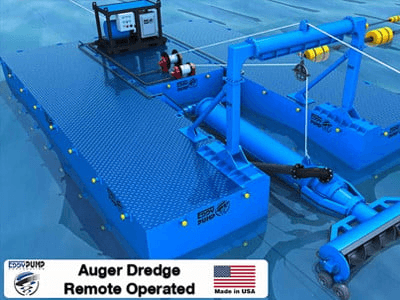
Source- EDDY Pump
Introduction: Why Urban Waterway Management Matters
Urban waterways, rivers, canals, lakes, and harbors are the lifeblood of many cities, supporting transportation, flood control, recreation, and ecological health. Yet, as cities expand and industrial activity increases, these waterways often suffer from sediment buildup, pollution, and reduced navigability. Proper waterway management is essential not only for maintaining infrastructure and public safety but also for protecting natural habitats within urban environments.
Dredging, the process of excavating sediment and debris from the bottom of water bodies, has become a vital tool in urban water management. Cities across the globe are turning to advanced dredging equipment to restore water flow, prevent flooding, and promote sustainability. This article explores how cities use dredging technology to turn sediment challenges into opportunities for resilient, environmentally responsible urban planning.
Understanding Dredging: Equipment, Techniques, and Methods
Modern dredging involves a range of technologies and methods tailored to specific urban needs. Two primary types of dredging equipment dominate the field: hydraulic and mechanical systems.
Hydraulic dredging uses high-powered pumps to move sediment through pipelines, making it ideal for fine materials such as silt and clay. This method is particularly effective in confined urban environments where minimal disruption is critical. It allows for continuous, controlled sediment removal and is often used in canals, lakes, and reservoirs.
Mechanical dredging, on the other hand, involves physical excavation using clamshell buckets, backhoes, or draglines mounted on barges or cranes. This method is best suited for coarse materials or areas with debris and obstructions. Mechanical systems offer greater precision and are often used when dredging must occur near infrastructure or in heavily contaminated areas.
Urban dredging equipment has evolved to be more compact, efficient, and environmentally friendly, enabling better performance in confined spaces. Innovations in GPS-guided systems, remote operation, and sediment processing have made both hydraulic and mechanical dredging more effective for city waterway management.
The Role of Dredging in City Waterway Management
Dredging serves multiple purposes in urban planning and infrastructure. One of the most immediate benefits is sediment removal, which restores depth and improves water quality. Accumulated sediment can harbor pollutants, deplete oxygen levels, and trigger algal blooms. Dredging helps mitigate these risks.
Another critical application is flood control. Many cities experience increased stormwater runoff from impervious surfaces such as roads and buildings. When stormwater systems become overwhelmed, urban flooding can occur, damaging property and infrastructure. Dredging increases the capacity of waterways and storm channels, helping cities manage extreme weather events more effectively.
In addition to improving hydrology and safety, dredging enhances public access and economic development. Clean, navigable waterways support transportation and commerce while enhancing aesthetic value and recreational opportunities. For cities with waterfront districts, regular dredging can also support tourism and real estate investment.
Dredging is an integral component of a city’s stormwater and environmental management strategy. When combined with sustainable land-use practices, dredging supports resilient infrastructure that can adapt to climate change and population growth.
Sustainable Dredging Practices and Environmental Considerations
As environmental awareness grows, cities are adopting more sustainable dredging practices to balance infrastructure needs with ecological responsibility. This shift includes the use of environmental dredging solutions, which prioritize minimal ecological disruption and responsible disposal of dredged material.
Sustainable dredging begins with thorough environmental assessments to identify sensitive habitats and water quality concerns. Sediment testing helps determine contamination levels, which informs the method of dredging and the handling of materials. In some cases, contaminated sediment must be treated or disposed of in secure landfills, while clean sediment can be repurposed for land reclamation, habitat restoration, or construction projects.
Modern urban dredging projects increasingly incorporate turbidity-control measures, such as silt curtains, sediment traps, and real-time water monitoring. These tools help minimize the spread of suspended solids and protect aquatic life during operations. Equipment itself is also becoming greener low-emission engines, electric dredgers, and biodegradable hydraulic fluids becoming standard in sustainable dredging fleets.
Moreover, the concept of beneficial reuse is gaining traction. Cities are finding innovative ways to repurpose dredged material rather than treating it as waste. This includes creating wetlands, reinforcing shorelines, or elevating land for flood mitigation. Sustainable dredging practices also consider the long-term health of the waterway, ensuring that interventions support biodiversity and do not lead to future sediment buildup.
Challenges in Urban Dredging Projects
Despite the clear benefits, urban dredging projects are not without challenges. One of the most pressing concerns is the budget. Dredging is capital-intensive, and cities must often balance it against other infrastructure priorities. Costs can vary based on sediment volume, contamination level, equipment type, and disposal methods.
Logistics are another hurdle. Urban environments pose unique spatial limitations that can complicate access for large dredging machinery. Coordinating dredging with other public works, managing traffic disruptions, and securing staging areas for equipment and sediment processing all require careful planning.
Permitting and regulatory compliance can be time-consuming and complex. Agencies require detailed documentation on environmental impact, sediment characterization, and mitigation strategies. Delays in permitting can stall important projects, especially when emergencies like flooding loom.
Public perception is also a consideration. Dredging may produce momentary noise, smells, and visual disturbances. Transparent communication and community participation are crucial for achieving public support while limiting resistance. Cities must educate communities about the long-term benefits of dredging and involve stakeholders in the planning process.
Finally, long-term upkeep is an issue. Dredging is not a one-time solution; it requires continuous monitoring and action. Without adequate maintenance plans and funds, silt accumulation might resume, negating prior accomplishments.
The Future of Dredging in Urban Waterways
Looking ahead, the future of urban dredging lies in innovation, automation, and integration with broader sustainability goals. Smart dredging technologies, including AI-powered sensors, autonomous equipment, and real-time data analytics, are already making operations more precise and cost-effective.
Environmental policies are also evolving to support sustainable dredging. Cities are increasingly required to demonstrate climate resilience and ecosystem protection in their infrastructure plans. Dredging will play a key role in helping municipalities meet these standards, particularly as extreme weather events become more frequent.
Equipment makers continue to innovate, developing more versatile and ecologically friendly dredging systems. The development of electric and hybrid dredgers, as well as energy-efficient pumps and sustainable materials, is consistent with cities' pledges to reduce emissions and carbon footprints.
Furthermore, integrated water management, in which dredging is planned alongside green infrastructure, habitat restoration, and climate adaption, will influence the next generation of urban dredging initiatives. Dredging, according to this approach, is a proactive component of a city's environmental resilience plan rather than a reactive one.
Conclusion: Dredging as a Path to Urban Resilience
From sediment control to flood mitigation and environmental restoration, dredging has emerged as a cornerstone of urban waterway management. The use of advanced dredging equipment, combined with sustainable practices, enables cities to maintain vital waterways while aligning with ecological goals.
Although challenges persist, from funding to environmental compliance, the benefits of dredging far outweigh the obstacles. With thoughtful planning, community involvement, and technological innovation, cities can turn sediment into opportunity and build more resilient, sustainable futures for their waterways.
Share

citiesabc resources
Citiesabc is a digital transformation platform dedicated to empowering, guiding, and indexing cities worldwide. Established by a team of global industry leaders, academics, and experts, it offers innovative solutions, comprehensive lists, rankings, and connections for the world's top cities and their populations


