


circular economy business, resources
How Commercial Doors Can Boost Energy Efficiency and Aesthetics
13 Aug 2025

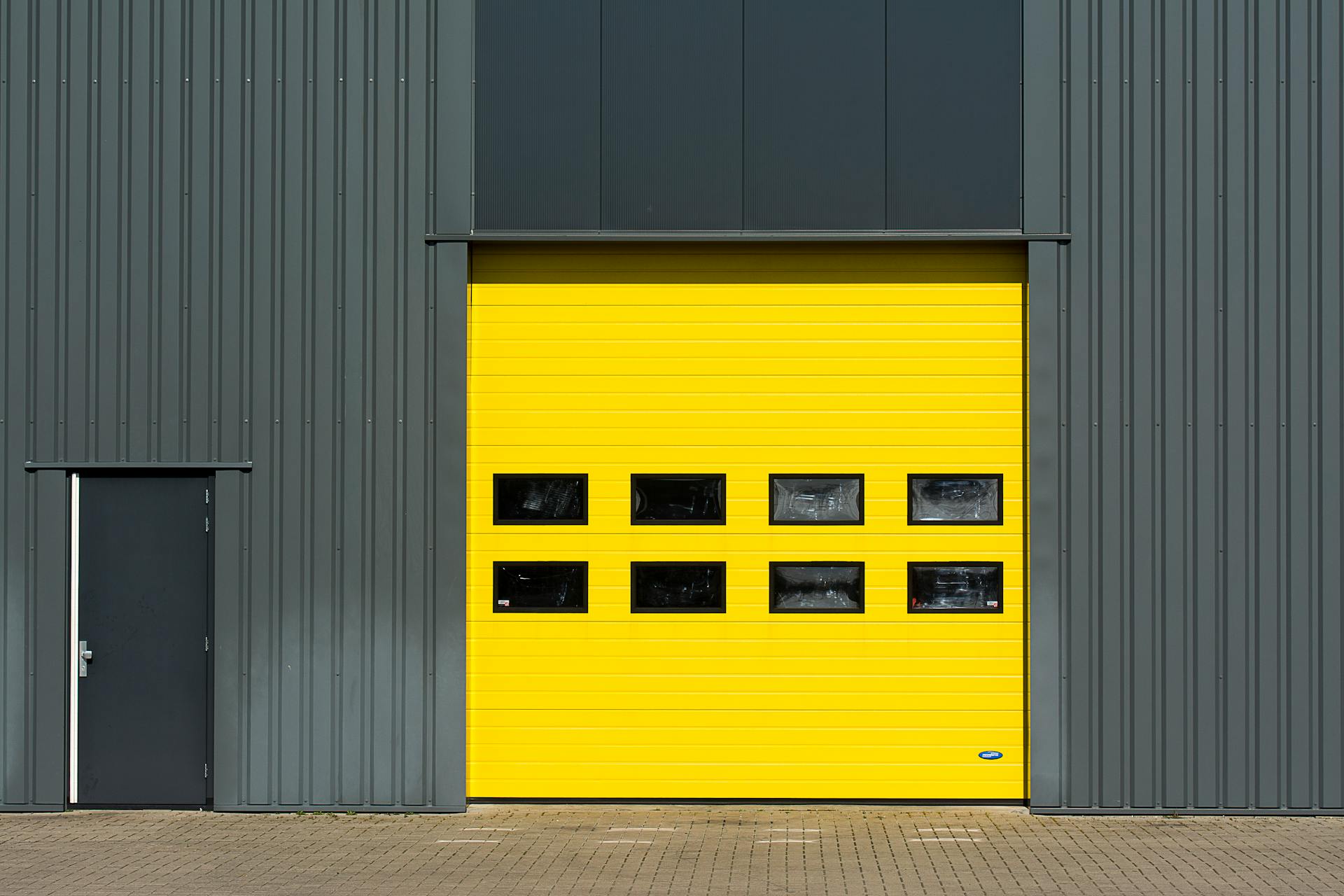
In the modern architectural landscape, commercial doors are more than just points of entry or exit. They are integral components of a building’s structural and environmental performance. As businesses increasingly aim to meet sustainability benchmarks and enhance workplace comfort, the conversation around commercial doors has shifted. These fixtures are now evaluated for how well they contribute to insulation, regulate indoor climate, and align with broader green building strategies.
A commercial door’s design and material composition significantly influence how effectively it supports energy efficiency. For instance, a steel door with a high-performance core can reduce thermal transfer between indoor and outdoor environments. By minimizing drafts and heat loss, businesses can control their reliance on HVAC systems, which often translates to considerable savings on utility bills. These design elements also support compliance with energy codes and certification programs such as LEED.
While the emphasis on performance has grown, commercial doors must also meet practical demands for daily use. Durability, ease of maintenance, and security still weigh heavily in purchasing decisions. However, as demand grows for environmentally conscious solutions, manufacturers and architects alike are exploring how doors can deliver functionality without compromising energy goals. This balancing act has made commercial doors a quiet but pivotal factor in energy-conscious construction and renovation.
Materials Matter: Choosing the Right Door for Energy Efficiency
The materials used in commercial doors play a decisive role in determining their energy efficiency. Different materials offer varying levels of thermal resistance, durability, and maintenance requirements, which can either enhance or hinder a building’s performance. Steel doors, for instance, are often favored for their strength and longevity but are most effective when paired with insulated cores like polyurethane or polystyrene. These cores create a thermal barrier that minimizes energy loss and contributes to indoor climate control.
Aluminum doors are another common choice, especially in high-traffic commercial buildings. While aluminum conducts heat more readily than steel or fiberglass, modern versions often include thermal breaks to reduce heat transfer. Glass doors and glazed panels can be energy-efficient as well, provided they use double or triple-pane construction with low-emissivity (Low-E) coatings. When thoughtfully selected, these materials offer the best of both worlds—resilience and energy efficiency.
Choosing the right door is not just about selecting the right material but also involves understanding how each element contributes to the overall envelope of the building. A well-installed, properly sealed door can drastically reduce air infiltration. For businesses evaluating a broad range of options, platforms offering commercial doors and hardware provide insights into available styles and performance features. Companies like USA Fire Door distribute energy-efficient doors nationwide, helping facilities meet both design and operational goals.
The Intersection of Functionality and Aesthetic Appeal
As expectations for workplace design evolve, aesthetics are no longer secondary considerations. Architects and business owners recognize that commercial doors contribute to the visual identity of a space. Whether it’s a glass door that offers transparency and natural light or a sleek flush metal door that exudes professionalism, the style of the door has a strong impact on client impressions and employee morale. First impressions matter, and the entryway often serves as a building’s handshake.
Functionality, of course, remains critical. Doors must meet fire rating requirements, security standards, and ADA compliance mandates. Achieving all of this while maintaining an attractive appearance is the challenge designers and suppliers aim to solve. Fortunately, innovations in materials and finishes have made it easier to deliver both performance and style. Powder-coated finishes, wood veneers, and decorative vision lites are just a few examples of features that combine utility with aesthetic value.
The trend toward branded environments further emphasizes the importance of design cohesion. A commercial door that matches or complements surrounding architecture contributes to a harmonious and professional space. These details matter in hospitality, retail, and office settings where brand expression and customer experience are closely tied to physical surroundings. The aesthetics of commercial doors, when thoughtfully integrated, elevate the perception of a space while delivering essential performance benefits.
Energy Savings Through Improved Insulation and Sealing
One of the most direct ways commercial doors enhance energy efficiency is by improving insulation and air sealing. Poorly sealed doors can account for significant energy losses, especially in buildings that rely on artificial climate control. Gaps in framing, worn-out weatherstripping, and improperly hung doors allow conditioned air to escape and outdoor air to enter. Over time, this leads to inconsistent indoor temperatures and increased utility costs.
Modern commercial doors often incorporate high-quality insulation materials such as mineral wool or rigid foam. These materials not only offer thermal benefits but also improve acoustic performance. When paired with proper gasketing and threshold systems, doors become effective at blocking unwanted airflow. In high-use buildings such as schools, hospitals, and offices, where doors are frequently opened and closed, these details have a compounded effect on energy performance.
Energy savings from well-insulated doors extend beyond direct cost reductions. They also contribute to greater HVAC efficiency and a lower environmental footprint. As building managers strive to meet stricter sustainability mandates, upgrading doors becomes a practical step toward larger goals. These upgrades are especially relevant during retrofits, where older door assemblies can be replaced with newer, better-sealed models that deliver measurable energy gains.
Daylighting and the Impact of Glazed Commercial Doors
Daylighting is a design strategy that leverages natural light to reduce the need for artificial lighting. Commercial doors with glass inserts or full glazing contribute to this objective by allowing sunlight into interior spaces. Not only does this reduce electricity usage, but it also creates a healthier, more engaging environment for occupants. Exposure to natural light has been linked to increased productivity and well-being, making it a valuable asset in office and educational settings.
The energy benefits of daylighting depend on thoughtful integration. Glazed doors should feature high-performance glass, including Low-E coatings and insulated glazing units. These technologies help control solar heat gain while maintaining visible light transmission. This ensures that the space remains bright without becoming overly warm, thereby preserving indoor comfort and reducing reliance on cooling systems during warmer months.
Beyond functional considerations, glazed commercial doors also elevate the aesthetics of a space. They create visual connectivity between indoor and outdoor areas, foster a sense of openness, and enhance architectural appeal. In retail environments, glass doors can even contribute to increased foot traffic by showcasing merchandise and inviting passersby into the store. When selected with care, glazed doors provide both visual and practical returns on investment.
Sustainability Compliance and Energy Codes
Energy efficiency is no longer a matter of preference—it is often a regulatory requirement. Commercial buildings must comply with an evolving set of energy codes and standards, such as ASHRAE 90.1 or the International Energy Conservation Code (IECC). These codes outline performance benchmarks for building components, including doors. Selecting compliant commercial doors helps projects avoid costly delays and rework, while also demonstrating a commitment to sustainable construction practices.
Doors that are tested and labeled for U-factor and air leakage performance are critical to meeting these standards. Manufacturers typically provide these specifications, making it easier for specifiers to choose appropriate products. By investing in certified energy-efficient doors, building owners also increase their eligibility for incentives and rebates offered by government programs and utility companies. These financial benefits can help offset initial costs and accelerate return on investment.
Sustainability compliance is not only about ticking boxes; it reflects broader market expectations. Tenants, investors, and customers increasingly seek out businesses that demonstrate environmental responsibility. Choosing commercial doors that contribute to energy performance is a visible and measurable way to align with these values. It signals a proactive stance on sustainability that can strengthen a brand’s reputation and appeal.
Retrofitting: A Smart Investment for Existing Buildings
While new construction offers the opportunity to integrate energy-efficient doors from the start, existing buildings represent a significant opportunity for improvement. Retrofitting older doors with modern replacements is a cost-effective way to boost energy performance without major structural changes. In many cases, outdated doors lack proper insulation, have deteriorated seals, or use materials that no longer meet current codes.
The retrofit process begins with a comprehensive assessment of existing doors, frames, and hardware. Professionals evaluate factors such as air leakage, thermal bridging, and overall condition to determine the best course of action. Upgrades might involve replacing just the door leaf, or in more comprehensive cases, reworking the entire opening with a new frame and threshold. Either way, the goal is to create a tighter, more efficient envelope that conserves energy.
Building owners who invest in retrofitting also benefit from improved aesthetics and increased property value. A new door can transform the appearance of a space, enhancing both curb appeal and occupant satisfaction. For facilities looking to modernize their image and lower operational costs, door retrofits are a strategic solution. With careful planning and quality products, this investment delivers both short-term savings and long-term value.
The Bottom Line: A Strategic Choice for Modern Facilities
Commercial doors are no longer utilitarian afterthoughts. They are strategic components that shape a building’s energy profile, visual impact, and operational performance. Whether in new builds or retrofits, the selection of doors should be guided by a combination of technical specifications, regulatory considerations, and aesthetic goals. Energy-efficient doors help businesses control costs, meet sustainability mandates, and enhance occupant comfort.
The decision to upgrade or specify high-performance doors is also a brand choice. A thoughtfully designed entrance speaks volumes about a company’s values, professionalism, and attention to detail. It creates a positive impression not only for visitors but also for employees who interact with the space daily. Investing in doors that blend form and function reflects a forward-thinking approach to facility management.
As industries continue to adapt to shifting environmental standards and customer expectations, commercial doors will remain a vital area of focus. From insulation and air sealing to design and compliance, their influence reaches far beyond their frames. For business owners, architects, and facilities managers alike, choosing the right commercial door is both a practical decision and a strategic one—shaping how spaces perform, look, and endure over time.


