
citiesabc
How to Find an Apartment for Rent in Tokyo: A Practical Guide
25 Nov 2026

An apartment advertised at an attractive monthly rent can require a much larger sum before you receive the keys.
A deposit, key money, agency commission, guarantee charges and insurance may sit outside the headline figure, while a management fee may be billed separately each month.
Start by setting the full budget, building a comparable shortlist and preparing your application. Then review the agreement before signing or paying.
The Cabinet Office reported that Tokyo-wide asking rents rose 7.4% year on year in Q3 2026. That figure measures advertised rents, not increases paid by existing tenants.
Three things to keep in mind:
- Separate recurring housing costs from one-off upfront payments.
- Compare floor area in square metres, station walk and management fee alongside the layout code.
- Confirm documents, guarantee arrangements and eligibility early, as requirements vary by property and screening provider.
1. Calculate the full cost before you search
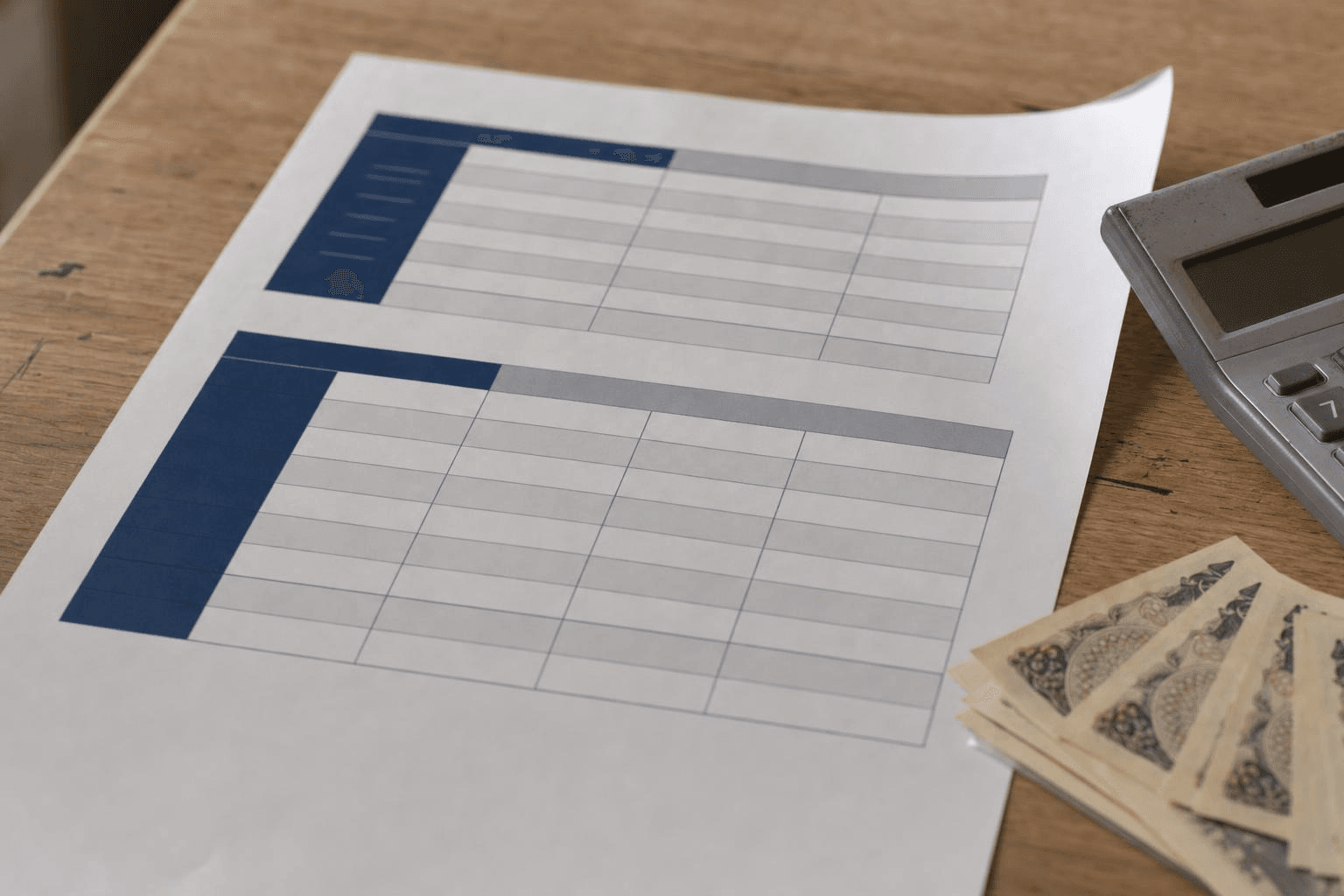
Separate rental costs into what you pay each month and what you need before moving in. An apartment must fit both budgets.
Monthly costs. Start with the advertised rent, then add any management fee (kanrihi), which covers shared building upkeep.
Some listings show the management fee as a separate line from the rent, so check whether the figure you are comparing includes it. Allow for electricity, gas, water and internet too, and confirm which services you must arrange and pay for yourself.
Upfront payments. The deposit (shikikin) may be returned after deductions allowed under the agreement, so don't assume you will receive all of it back. Key money (reikin) is non-refundable when charged, although some properties do not require it.
Other quoted costs may include an agency commission, a guarantee-company fee, fire insurance, a lock change and a cleaning charge. Not every rental charges all of these, and amounts differ by property.
Recurring each month | Potential payments before the keys |
| Advertised rent | Deposit (shikikin), subject to deductions |
| Management fee (kanrihi) | Key money (reikin), if charged |
| Electricity, gas and water | Agency commission and guarantee-company fee |
| Internet | Fire insurance, lock change, cleaning and initial rent payment |
Before committing to an apartment, ask the agent for a written, itemised move-in estimate. Check when each payment is due, which charges are refundable and whether the estimate includes every required payment.
2. Search by station and compare like for like
Choose the station you need to reach most days, decide the longest door-to-door journey you can accept, and search outward from there. Include walking time and transfers when judging whether a location suits your routine.
Compare each candidate on the same fields: floor area in square metres, layout, walking minutes to the station, building age and condition, management fee, and the equipment you need.
Reading layout codes. Listings use L for living space, D for dining space and K for kitchen. An LDK is one room that serves as the living room, dining room and kitchen together, so a 1LDK has one separate room plus that combined space.
Apartments with the same code can have different floor areas, so check the square metres as well.
Where to look. SUUMO organises its Japanese-language Tokyo search by railway line and station, while LIFULL HOME'S offers filters for layout, rent budget and walking time from the nearest station.
Tokyo Portfolio, which focuses on English-language listings, lets you narrow results by price, size and location. Use those fields to find an apartment in Tokyo for rent by comparing advertised prices, floor areas and station access, then ask the agent to confirm availability, eligibility and the full cost of each property.
At the viewing. Check walls, floors and wet areas, open the storage, and note which equipment stays with the apartment. Test the door-to-door commute during your normal travel hours.
Ask whether pets are permitted in the specific unit, as many apartments do not allow them. Confirm who may live there and any other occupancy rules.
3. Prepare your application and guarantee arrangements
After you choose an apartment, you submit an application for screening. Requirements vary by property and screening provider. Preparing the requested paperwork can help avoid delays, but it does not guarantee approval.
Documents. Ask for the property's required-document list. Expect to show your passport and residence card, and you may be asked for proof of employment or school enrollment. Have the agent identify which items apply to you rather than assuming every document is required.
The Ministry of Land, Infrastructure, Transport and Tourism (MLIT) publishes a guideline with check sheets and sample rental documents, including the application form and the explanation of important matters, in 14 languages, Japanese included.
Guarantor arrangements. MLIT's guide for foreign renters notes that a guarantor or a rental guarantee company is often required when you apply. A guarantor agrees to cover unpaid rent; a guarantee company provides similar cover for a fee.
Ask which arrangement the property accepts and what fees apply at signing and renewal. Confirm whether you also need an emergency contact in Japan.
If you're applying from abroad, establish whether the landlord will consider your application before building a shortlist. Some will not consider applicants who have yet to arrive in Japan.
Screening, contract signing and payment all take time, so don't plan to move in the day after you apply. Allow a buffer of several weeks, and consider temporary accommodation if you cannot confirm a move-in date before arrival.
4. Check the agreement before paying and moving in
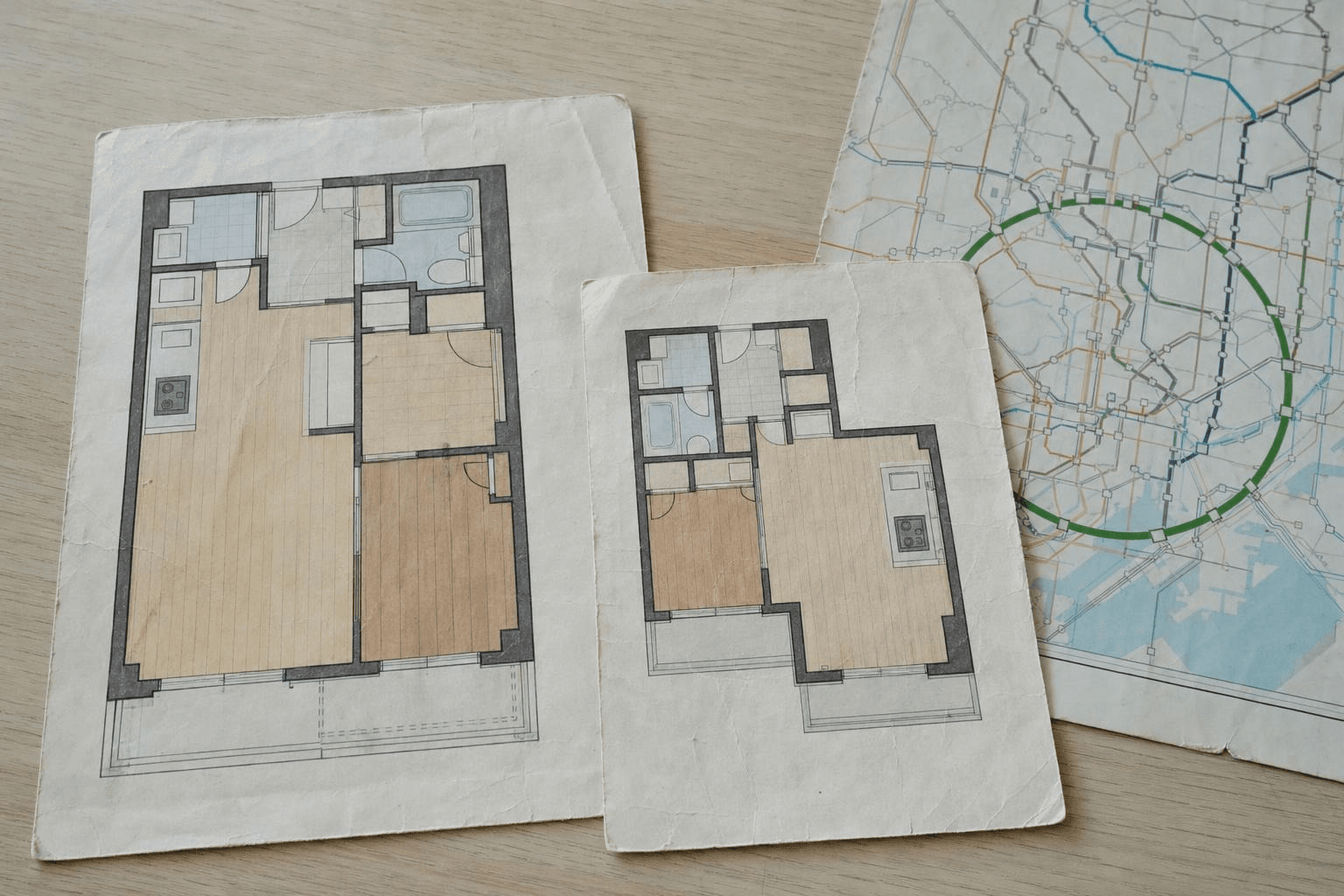
Before you sign, the agent should explain the important points of the agreement, a step MLIT's guide lists as part of the rental process. Confirm the contract type and end date, renewal terms and fees, the notice period for leaving, and any early-exit charge.
Ask how deposit deductions are calculated, what cleaning is required at move-out, who may live there and when rent begins.
Standard leases commonly run for two years. That does not mean every rental requires a minimum stay of two years, so check the agreement's termination terms.
A good agent will take you through these terms and raise questions with the landlord on your behalf, much as apartment locators help renters understand lease terms in other big-city rental markets.
Before you transfer money. Ask for the full breakdown of upfront costs in writing and check it against the agreement and payment request. Listing estimates are a guide, so expect the final figures to differ. Verify that the agency, property and payment instructions match, and query any charge that wasn't in the estimate.
On moving day. Take dated photographs of existing damage or stains on walls and floors and share them with the landlord or management company. Keep those records for any later discussion about deposit deductions.
Electricity can usually be arranged by phone or online. Confirm which services, including gas, water and internet, you must set up yourself and when they will be available.
Conclusion
Renting in Tokyo goes smoothly when the numbers, paperwork and contract terms are settled before money changes hands.
Build your budget around both the monthly total and the move-in sum, not the headline rent alone. Compare shortlisted apartments on floor area, station access and fees rather than layout codes, and line up your documents and guarantee arrangement before you apply.
Most surprises appear at the contract stage, so ask for every cost in writing, read the renewal and exit terms, and record the apartment's condition on the day you move in.
With those steps covered, you can choose an apartment knowing what it will cost to live there and what it will cost to leave.


