


resources
Capturing the Future: Striking Images of Innovation
Industry Expert & Contributor
18 Jun 2025

Ever notice how a good picture just sticks with you? When we talk about new ideas and future tech, getting the right visuals is super important. Strong images of innovation really help people get what’s new and exciting, making complex concepts easier to understand.
Key Takeaways
- Pictures are good for showing off complex new ideas.
- Futuristic looks in images make innovation feel closer.
- New tech, like AI, helps make these cool innovation pictures.
- You can see teamwork in pictures of innovation spaces.
- Images help show how innovation changes things for people.
Visualizing the Essence of Innovation
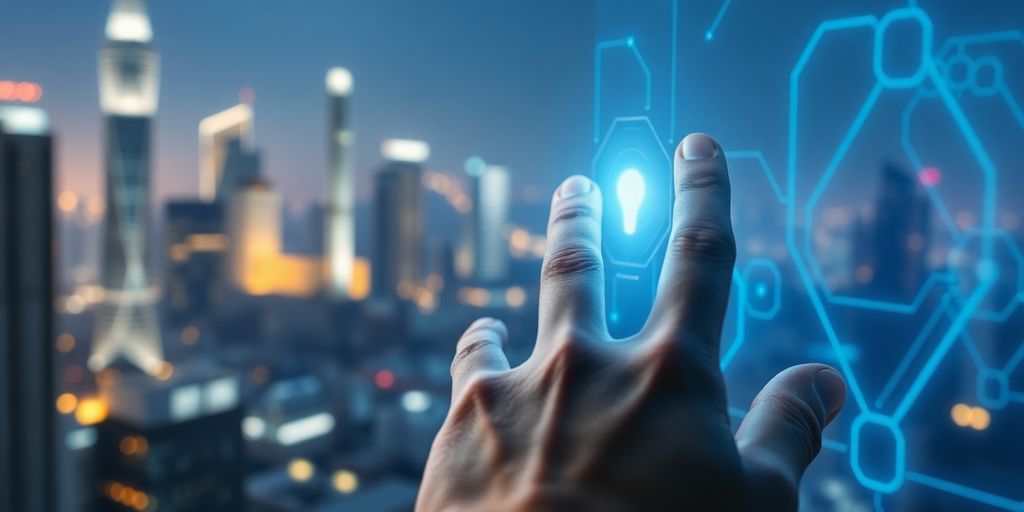
Innovation, at its core, is about new ideas and progress. But how do you show something that’s often abstract? It’s a challenge to capture the spirit of innovation in a single image, but when done right, it can really speak volumes. It’s about finding the right visual language to communicate complex concepts in an instant.
Depicting Abstract Concepts
Showing abstract ideas like ‘progress’ or ‘creativity’ isn’t easy. One way is to use metaphors. Think of a seed growing into a tree to represent growth, or a network of interconnected nodes to show collaboration. The key is to find a visual that people can easily relate to and understand. Another approach is to focus on the results of innovation – a cleaner city representing sustainable solutions, for example. It’s about making the invisible, visible.
The Power of Futuristic Aesthetics
When people think of innovation, they often think of the future. Using futuristic design elements can be a powerful way to convey this. Sleek lines, glowing lights, and abstract shapes can all contribute to a sense of technological advancement. Consider the impact of color too. Cool blues and purples often suggest technology, while brighter colors can represent energy and creativity. It’s about creating a visual that feels modern and forward-thinking. For example, a recent project used intersecting lines of light to create a dynamic and modern visual effect, perfectly embodying the spirit of cutting-edge innovation.
Symbolizing Breakthrough Ideas
Breakthrough ideas often disrupt the status quo. Visuals that represent this disruption can be very effective. Think of an image of a single object standing out from a crowd, or a path diverging in two different directions. Another approach is to use symbols that represent specific industries or technologies. A DNA strand could represent advancements in biotechnology, while a circuit board could symbolize progress in computing. The goal is to create a visual that is both eye-catching and meaningful. Consider these points:
- Use contrasting colors to draw attention.
- Incorporate elements of surprise or unexpectedness.
- Keep the overall design clean and uncluttered.
Visualizing innovation is not just about making things look pretty. It’s about communicating complex ideas in a clear and engaging way. It’s about inspiring people to think differently and to embrace the future.
To get inspired, check out these data visualization examples.
Technology’s Canvas: Shaping Innovation Images
Virtual Reality and Immersive Experiences
VR is changing how we see and create. It’s not just for games anymore. Think about training simulations, architectural design previews, or even medical visualizations. VR offers a way to step inside the data, making abstract concepts feel real. It’s like walking through a blueprint before a building exists. The possibilities are pretty wild, and the visuals are getting more impressive every year. It’s a new frontier for visual storytelling and data representation. Immersive content is becoming more accessible, and that’s opening doors for innovation in unexpected places. For example, you can use VR to:
- Train surgeons on complex procedures.
- Allow customers to virtually tour a property.
- Create interactive museum exhibits.
Artificial Intelligence in Visual Creation
AI is now a tool for artists and designers. AI can generate images from text, modify existing photos, and even create entirely new visual styles. It’s not about replacing human creativity, but about augmenting it. AI can handle the tedious parts, freeing up artists to focus on the bigger picture. It’s like having a super-powered assistant that can bring your wildest ideas to life. The AI for All Series AI companies are changing the game. It’s still early days, but the potential is huge. Consider these AI applications:
- Generating concept art for video games.
- Creating personalized marketing materials.
- Restoring old or damaged photographs.
Robotics and Automation in Focus
Robots aren’t just in factories anymore. They’re in hospitals, warehouses, and even our homes. And as robots become more integrated into our lives, it’s important to show them in a positive and engaging way. Think about images that highlight the collaboration between humans and robots, or that showcase the ways robots are making our lives easier. It’s about moving beyond the dystopian stereotypes and showing the real-world benefits of automation. It’s about showing how technology is about much more than process efficiency. Here are some ways to visually represent robotics and automation:
- Show robots working alongside humans in a collaborative environment.
- Highlight the use of robots in sustainable agriculture.
- Demonstrate how robots are improving accessibility for people with disabilities.
Visualizing robotics and automation requires a shift in perspective. It’s about showcasing the positive impact of these technologies on society, emphasizing their role in enhancing human capabilities and creating a more efficient and sustainable future.
Capturing Collaborative Innovation Spaces
The Modern Innovation Lab
Innovation labs are popping up everywhere, and they’re not just fancy offices. They’re designed to be idea factories. These spaces are intentionally built to encourage collaboration and experimentation. Think open layouts, flexible furniture, and walls covered in whiteboards. It’s all about creating an environment where people feel comfortable sharing ideas and working together.
- Tech integration is key. You’ll often find things like VR headsets and interactive displays.
- The goal is to break down silos and get different teams talking.
- It’s also about showing off a company’s commitment to innovation.
Innovation labs are more than just a place to work; they’re a statement. They signal that a company is serious about pushing boundaries and exploring new possibilities. It’s about investing in the future and creating a space where creativity can thrive.
Fostering Creativity in Design Studios
Design studios are where ideas take shape. It’s where the abstract becomes tangible. These spaces are often filled with prototypes, sketches, and mood boards. The atmosphere is usually buzzing with energy, as designers brainstorm and refine their concepts. A good design studio is more than just a workspace; it’s a creative coworking space that inspires and supports the design process.
- Natural light is important. It helps to create a positive and energizing atmosphere.
- Having a variety of tools and materials on hand is essential.
- The space should be flexible and adaptable to different project needs.
Teams Driving Progress
Ultimately, innovation is a team sport. It’s about bringing together people with different skills and perspectives to solve problems. These teams need a space where they can communicate effectively and build on each other’s ideas. It’s not just about having the right people; it’s about creating the right environment for them to thrive. The engine of creativity is the team itself.
- Clear communication channels are essential.
- Teams need to feel empowered to take risks and experiment.
- Celebrating successes and learning from failures is crucial for continuous improvement.
Here’s a simple table illustrating the impact of team collaboration on innovation:
| Team Dynamic | Innovation Output | Problem-Solving Speed | Employee Satisfaction |
|---|---|---|---|
| Isolated | Low | Slow | Low |
| Collaborative | High | Fast | High |
From Concept to Reality: Illustrating the Innovation Journey
Discovering Core Problems
Okay, so first things first, you can’t really innovate if you don’t know what problems you’re trying to solve, right? It’s like trying to build a house without knowing what the blueprint looks like. This stage is all about digging deep, asking the tough questions, and really understanding the pain points that people are experiencing. Think of it as detective work, but instead of solving crimes, you’re uncovering opportunities. It’s not always glamorous, but it’s absolutely essential. We need to identify the problems that inspire innovative solutions.
Exploring User Needs and Business Goals
Once you’ve got a handle on the problems, it’s time to figure out who you’re solving them for and why it matters to the business. What do your users actually need? What are their motivations, their frustrations, their hopes? And how do those needs align with what the business is trying to achieve? It’s a balancing act, for sure. You want to create something that people love, but it also has to make sense from a business perspective. It’s about finding that sweet spot where user needs and business goals intersect. This is where you explore business goals & user needs.
Ideating New Solutions
Alright, now for the fun part: brainstorming! This is where you let your creativity run wild and come up with as many ideas as possible. Don’t worry about whether they’re realistic or not at this stage – just get everything out there. The more ideas, the better. Think outside the box, challenge assumptions, and don’t be afraid to get a little weird. You can always refine things later. The goal is to generate a ton of possibilities and then narrow them down to the most promising ones. It’s like throwing spaghetti at the wall to see what sticks. Ideate concepts for new products, services and experiences.
Prototyping and Testing Innovations
Okay, so you’ve got some ideas, now what? Time to build some prototypes! These don’t have to be perfect, polished products – they just need to be good enough to test your assumptions and get feedback. Think of them as rough drafts. Get them in front of real users and see what they think. What works? What doesn’t? What needs to be improved? This is an iterative process, so be prepared to make changes based on the feedback you receive. The goal is to learn as much as possible, as quickly as possible.
Prototyping and testing are not just about validating ideas; they’re about learning and adapting. It’s about embracing failure as a learning opportunity and using that knowledge to create something even better. It’s a continuous cycle of building, testing, and refining until you’ve got something that truly solves the problem and meets the needs of your users.
Here’s a simple example of how testing might influence prototype iterations:
| Iteration | Feature Tested | User Feedback | Action Taken |
|---|---|---|---|
| 1 | Button placement | Users found it hard to reach | Moved button to a more accessible location |
| 2 | Color scheme | Colors were too bright and distracting | Adjusted colors to be more muted and calming |
| 3 | Navigation | Users got lost easily | Simplified navigation and added breadcrumbs |
It’s all about bringing ideas to life.
The Impact of Innovation: Transforming Industries
Revolutionizing Everyday Life
Innovation isn’t just about fancy gadgets; it’s about making life better, easier, and more enjoyable for everyone. Think about how smartphones have changed communication, or how streaming services have transformed entertainment. These innovations have become so integrated into our daily routines that it’s hard to imagine life without them.
- Smarter Homes: Devices that learn your habits and adjust settings automatically.
- Wearable Tech: Fitness trackers and smartwatches that monitor health and activity levels.
- On-Demand Services: Instant access to transportation, food, and entertainment.
Driving Economic Growth
Innovation is a major engine of economic growth. New technologies and processes create new markets, new jobs, and new opportunities for businesses to expand. Companies that invest in innovation and growth are more likely to succeed in the long run, and their success benefits the entire economy.
| Industry | Impact of Innovation | Example |
|---|---|---|
| Manufacturing | Increased automation and efficiency | Use of robotics to assemble products faster and with fewer errors. |
| Healthcare | Improved diagnostics and treatments | Development of new drugs and medical devices. |
| Financial Services | Faster and more secure transactions | Mobile banking and online payment systems. |
Enhancing Process Efficiency
Innovation often leads to more efficient processes, which can save businesses time and money. By streamlining operations and automating tasks, companies can reduce waste, improve productivity, and focus on customer needs. This can lead to higher profits and a more competitive edge.
Innovation is not just about creating new products or services; it’s also about finding better ways to do things. By embracing new technologies and processes, businesses can improve their efficiency and effectiveness, leading to greater success.
- Automation of repetitive tasks
- Improved supply chain management
- Data-driven decision-making
Future Forward: Emerging Trends in Innovation Imagery
What’s next for how we see innovation? It’s not just about sleek gadgets anymore. The visuals are changing, reflecting new priorities and concerns. Let’s take a look at some of the trends shaping the future of innovation imagery.
Sustainable Innovation Visuals
People are caring more about the planet, and that’s showing up in innovation visuals. Expect to see more images that highlight eco-friendly designs, renewable energy, and circular economy concepts. It’s about showing that innovation can be good for business and the environment. Think less chrome and more green. For example, you might see images of:
- Wind turbines powering smart cities
- People using electric vehicles
- Products made from recycled materials
Ethical AI Representations
AI is everywhere, but how we show it matters. Gone are the days of purely robotic, cold depictions. The trend is toward humanizing AI, showing its potential for good, and addressing ethical concerns. This means focusing on AI’s role in solving problems, assisting people, and promoting fairness. It’s about building trust and showing AI as a tool for progress, not a source of fear. You can find thousands of royalty-free stock images that feature emerging technology icons for your creative projects.
Human-Centric Design Imagery
Ultimately, innovation is about people. The images that resonate most will be those that put humans at the center. This means showing how new technologies and ideas improve lives, solve problems, and create opportunities. It’s about empathy, understanding, and designing for real needs. Consider these points:
- Images should reflect diversity and inclusion.
- Focus on user experiences and emotional connections.
- Show how innovation empowers individuals and communities.
The future of innovation imagery is about authenticity and impact. It’s about telling stories that inspire, inform, and connect with people on a deeper level. It’s about showing that innovation is not just about technology, but about creating a better world for everyone.
Seeing What’s Next
We’ve explored various images that show us what innovation looks like today. These pictures really help us grasp new ideas and how things are changing. Innovation isn’t always about big machines or complex tech; sometimes it’s a simple new way of doing something. The world keeps moving forward, and new developments appear constantly. Paying attention to these visual stories helps us get a sense of where things are headed. It’s interesting to think about what comes next, and how we’ll see it take shape.
Frequently Asked Questions
What does “innovation” really mean in simple terms?
Innovation is all about coming up with fresh, new ideas and making them happen. It’s about finding better ways to do things or creating something totally new that solves a problem or makes life easier. Think of it as inventing the future, piece by piece.
How do new technologies like VR and AI help create innovative pictures?
Virtual Reality (VR) lets artists build entire new worlds for images, making them feel super real and immersive. Artificial Intelligence (AI) can help by suggesting ideas, generating parts of images, or even creating whole new visual styles. These tools give artists amazing power to show off groundbreaking concepts in exciting ways.
Where do people usually come up with new ideas?
New ideas often pop up in special places designed for creativity, like “innovation labs” or “design studios.” These are spots where teams work together, share thoughts, and build things. It’s all about having a space where people feel free to try out wild ideas and learn from each other.
What are the steps to turn a new idea into something real?
First, you figure out what problem needs fixing. Then, you learn what people really want and what the business needs. Next, you brainstorm lots of different solutions. Finally, you build a simple version of your idea, called a “prototype,” and test it out to see if it works and if people like it. This helps make sure the idea is good before making it fully.
How does innovation change things for us every day?
Innovation makes our lives better in many ways. It brings us new gadgets, faster ways to communicate, and improved services. It also helps businesses grow, creates new jobs, and makes processes more efficient, meaning things get done quicker and with less waste. From your smartphone to how food gets to your table, innovation is everywhere.
What kind of new trends are showing up in pictures about innovation?
Lately, images about innovation are focusing more on being green and good for the planet, showing “sustainable” ideas. There’s also a trend to picture Artificial Intelligence in a way that shows it’s fair and helps people, known as “ethical AI.” Plus, many images highlight “human-centered design,” which means showing how new things are made with people’s needs and experiences at the very heart.


