
resources
Road Maintenance Best Practices for Cities
18 Jun 2025

Keeping our roads in good condition is vital for city life. Well-kept roads allow traffic to flow smoothly and make it safer for drivers, cyclists, and pedestrians. They help build a strong community and lower long-term costs for repairs and accidents. The success of road maintenance depends on the methods and materials used. Cities can adopt various best practices to maintain safe and accessible streets.
City planners and public works departments have many tasks to manage in road maintenance. It’s essential to work efficiently. By employing proactive strategies and leveraging modern technology, cities can effectively meet the needs of their residents while utilizing their budgets efficiently.
Let’s explore ways to improve road maintenance in your city.
 How to Raise a Dog in the City
Preventive Maintenance
Preventive maintenance involves regularly inspecting and making minor repairs to prevent major road issues. It’s easier, cheaper, and more efficient to fix minor problems before they grow into major ones. Routine inspections can help identify cracks, potholes, and drainage issues quickly. When crews find these problems, they can act fast, saving time and money in the long run.
Cities can utilize visual inspections and technology, such as sensors and drones, to assess road conditions. This advanced approach provides a clear view of the road’s condition, aiding in maintenance planning. By practicing preventive maintenance, cities can maintain a reliable road network that can withstand adverse weather conditions and heavy traffic.
Liquid De-Icer
Liquid de-icer is an effective tool for winter road maintenance. Applying it before snow or ice helps prevent ice from forming on roads. This proactive step makes it easier to clear highways and keeps driving safer.
Liquid de-icer works better in lower temperatures than traditional rock salt. This means roads can stay safe and clear even during severe weather. Since liquid de-icer requires smaller amounts, it also reduces its environmental impact while effectively managing winter weather challenges. Treated streets have less ice buildup, leading to fewer accidents and smoother commutes for residents.
Effective Pothole Repairs
Potholes are a common and frustrating problem on urban roads. A quick and effective repair strategy can extend the life of roads and improve safety. Cities can establish a system for reporting potholes through mobile apps or hotlines, allowing residents to contribute to maintenance efforts. This involvement raises awareness and speeds up repairs.
There are various methods for fixing potholes, including cold patching for quick repairs and hot asphalt for longer-lasting solutions. Cities should select the most suitable method based on weather conditions and traffic patterns. It is essential to monitor repaired areas to ensure they remain in good condition and do not deteriorate quickly again.
Road Resurfacing Techniques
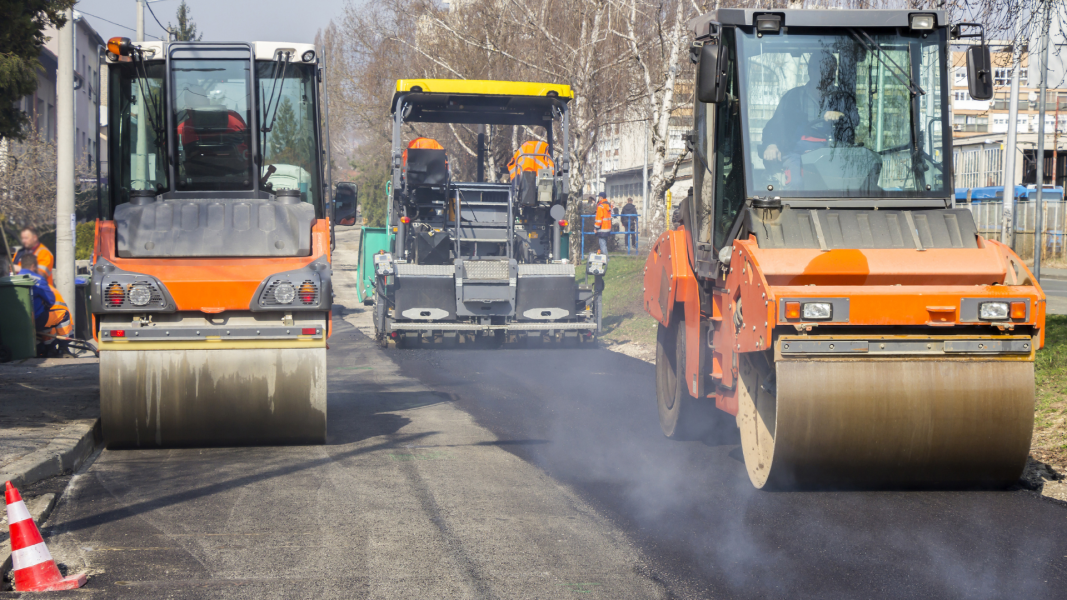
Resurfacing roads regularly is crucial for maintaining good road conditions. This process involves putting new asphalt or other materials on the road surface to extend the life of the roads. Roads that are resurfaced often provide a better driving experience and can help reduce traffic noise.
Cities can also recycle old asphalt during resurfacing, which saves resources and lowers costs. Different techniques, such as micro-surfacing or chip sealing, can be employed based on specific road conditions and traffic patterns, providing flexible options tailored to each road’s unique needs.
Community Engagement
Involving the local community in road maintenance and improvement plans helps create a sense of ownership and pride among residents. City officials can organize town hall meetings to discuss road issues and collect feedback on maintenance schedules. Using social media or websites to gather information about road conditions can be helpful too.
When residents feel connected to their streets, they are more likely to support initiatives and work together with city officials. This engagement can lead to more funding and participation in workshops or clean-up events that improve road safety and community appearance.
Technology Integration
Using technology in road maintenance offers many benefits. Data analytics can provide valuable insights into traffic patterns, enabling cities to identify where upgrades are most needed. Smart sensors in roads can monitor conditions in real-time, allowing for quick responses to emerging issues.
Additionally, software for maintenance management can help plan and budget more effectively. When cities invest in technology, they can improve current road conditions and better predict future needs based on usage patterns.
Read More:
smart city project 2030 agenda
what human activity uses the most water in the united states
Share

citiesabc resources
Citiesabc is a digital transformation platform dedicated to empowering, guiding, and indexing cities worldwide. Established by a team of global industry leaders, academics, and experts, it offers innovative solutions, comprehensive lists, rankings, and connections for the world's top cities and their populations


