
resources
Seattle: City Guide

Seattle is the largest city in the Pacific Northwest and Washington State, serving as the economic, cultural, and technological hub of the region. As of April 2025, Seattle's population reached 816,600 residents, marking the first time the city has surpassed 800,000 people. The metropolitan area encompasses approximately 4.05 million people, making it the 15th-largest metro area in the United States.
Located between the saltwater Puget Sound to the west and freshwater Lake Washington to the east, Seattle sits at latitude 47.6062° N and longitude 122.332° W. The city covers approximately 142.5 square miles, with roughly 84 square miles of land and 58 square miles of water. This unique geography has profoundly shaped the city's development, identity, and character.
Seattle serves as the seat of King County and functions as a global city, ranking as a Beta-level world city. The metropolitan area generated a GDP of $487.77 billion in 2023, representing a 6.2% growth rate—the highest among major U.S. metropolitan areas with populations exceeding 1.5 million residents. This economic output translates to a per capita GDP of $120,592, placing Seattle fourth nationally behind only New York, San Francisco, and San Jose.
Historical Development
Indigenous Heritage and Early Settlement
The Puget Sound region has been inhabited by humans for at least 12,000 years. By the time Europeans arrived, the area was home to the Duwamish, Suquamish, Coast Salish, and other indigenous peoples who developed sophisticated cultures based on fishing, hunting, gathering, and the potlatch gift-exchange system. These communities built permanent villages with longhouses that accommodated extended families of up to 40 or more people.
George Vancouver became the first European to explore the Seattle area in May 1792 during his 1791-95 expedition to chart the Pacific Northwest. The British Admiralty had sent Vancouver to map the region and locate the Northwest Passage, spurred by reports of thriving trade in sea otter skins. Spanish explorers, notably Juan de Fuca, had also sailed along the Pacific coast, and Russian traders had explored the region.
Founding and Incorporation (1851-1869)
The founding of Seattle dates to 1851, though competing claims exist about the exact establishment date. On September 14, 1851, members of the Collins party—Luther Collins, Henry Van Asselt, and Jacob and Samuel Maple—filed legal claims and established a farming settlement in what is now the Georgetown neighborhood. However, the more celebrated founding occurred when David Denny, John Low, and Lee Terry arrived at the mouth of the Duwamish River on September 25, 1851.
On November 13, 1851, the schooner Exact arrived at Alki Point carrying Arthur A. Denny and the main contingent of pioneers—10 adults and 12 children who would become known as the Denny Party. This group initially established a settlement called "New York," later "New York-Alki" (with "Alki" being a Chinook jargon word meaning "by-and-by"). The exposed beach at Alki Point proved unsuitable for deep-water anchorage, so in April 1852, most settlers relocated to the eastern shore of Elliott Bay, where the protected waters offered better harbor facilities.
The new settlement was initially called "Dewamps" or "Duwamps" after the nearby Duwamish village. In late 1852, Dr. David S. "Doc" Maynard, the settlement's first merchant, convinced his neighbors to rename it "Seattle" after Chief Seattle (Sealth) of the Duwamish and Suquamish tribes. The earliest printed use of the name appeared in an advertisement for Maynard's "Seattle Exchange" store in the October 30, 1852 edition of the Columbian newspaper.
With the filing of the first plats for the "Town of Seattle" on May 23, 1853, the new name became official. Henry Yesler arrived in late 1852 and established Puget Sound's first steam-powered sawmill, laying the economic foundation for the city-to-be. The town was incorporated in 1869 after steady but slow growth.
The early development reflected conflicting visions. Arthur Denny, Carson Boren, and William Bell platted their land with streets following the shoreline, while Maynard aligned his grid by cardinal directions, creating the distinctive bend in downtown streets that persists today. Though initially controversial, Maynard's grid system was ultimately adopted for the city's future expansion.
Territorial Era and Railroad Arrival (1853-1889)
In 1853, Seattle became the seat of newly formed King County. The University of Washington (originally the University of the Territory of Washington) was founded in 1861, proving crucial to the city's long-term development. In 1856, Seattle experienced an armed attack during conflicts with Native Americans, ended by the presence of the gunship USS Decatur and U.S. ground forces.
Seattle's economy during this period was dominated by logging, with Yesler's steam sawmill serving as the major employer. The term "skid road" originated from Yesler Way, down which logs were skidded from hills to the waterfront. South of this road, brothels and saloons thrived, while respectable businesses developed north of it—creating a social divide that influenced urban development.
The city grew slowly until the arrival of interstate railroad connections. The Northern Pacific Railroad reached nearby Tacoma in 1887, and the competing Great Northern Railroad arrived in Seattle in 1892, finally connecting Puget Sound directly to eastern markets. By 1889, Seattle was gaining approximately 1,000 new residents per month, with 500 buildings under construction in March alone.
The Great Fire and Reconstruction (1889)
On June 6, 1889, disaster struck when fire broke out in a cabinet shop near First Avenue and Madison Street. The conflagration destroyed most of downtown Seattle—25 city blocks covering 64 acres. The fire burned most of the city's commercial district to the ground. However, this catastrophe proved transformative.
Reconstruction began almost immediately. The city rebuilt with brick and stone rather than wood, raised street levels to improve drainage, and created an underground level that now forms the famous Seattle Underground. Within a year, Seattle had rebuilt larger and more substantial than before, establishing a pattern of resilience that would define the city's character.
Gold Rush and Rapid Growth (1890s-1900s)
Seattle's fortunes transformed dramatically with the Klondike Gold Rush. On July 17, 1897, the steamship Portland arrived in Seattle carrying "a ton of gold" from the Yukon, triggering a stampede. Seattle positioned itself as the primary outfitting and departure point for prospectors heading north, and businesses thrived supplying fortune-seekers. While few Seattle residents struck it rich in the goldfields, the city's merchants profited enormously.
By the early 20th century, Seattle had become a significant Pacific port. The population approached 240,000 by 1909, when Seattle hosted the Alaska-Yukon-Pacific Exposition, showcasing the city's achievements. The Progressive school board, led by superintendent Frank B. Cooper (appointed 1901), oversaw construction of many new schools and expanded curriculum beyond basics to include music, art, physical education, and vocational training.
The Seattle Symphony was founded in 1903. Vaudeville impresarios Alexander Pantages, John Considine, and John Cort established Seattle as an entertainment center. The waterfront evolved from a confused jumble of private rail lines and docks into an organized port infrastructure after 1911.
World Wars and Depression Era (1914-1945)
World War I brought boom times as Seattle's shipyards, lumber mills, and businesses expanded to meet wartime demand. The post-war period saw labor unrest, culminating in the Seattle General Strike of February 1919—the first general strike in American history. Approximately 65,000 workers walked off their jobs in support of shipyard workers demanding better pay.
The 1920s brought relative prosperity. Prohibition (1920-1933) created a robust bootlegging economy, with rum-runners bringing Canadian whiskey across the border. The opening of the Lake Washington Ship Canal in 1917 connected Lake Washington to Puget Sound, enabling maritime commerce and establishing the city's unique waterways.
The Great Depression hit Seattle hard, but federal projects provided employment. The University of Washington expanded, and infrastructure projects continued. The completion of the Aurora Bridge (1932) and floating bridge across Lake Washington (1940) improved transportation.
World War II transformed Seattle into a major industrial center. The Boeing Company, a modest airplane manufacturer founded in 1916, increased its workforce by more than 1,200 percent during the war years, with sales rising from $10 million to $600 million annually. Boeing produced thousands of B-17 and B-29 bombers crucial to Allied victory.
The war attracted tens of thousands of workers from across the country. Of the estimated 45,000 African Americans who migrated to the Pacific Northwest during the Second Great Migration, approximately 10,000 settled in Seattle. By war's end, 4,078 (7 percent) of 60,328 shipyard workers were African American, and 1,019 (5 percent) of 18,862 federal employees in Seattle were Black.
Post-War Growth and Civil Rights Era (1945-1970)
The war's end brought economic contraction, with Boeing experiencing massive layoffs that persisted until the mid-1950s. When Boeing successfully introduced the 707 commercial jet airliner in the late 1950s, optimism returned. Boeing's success enabled Seattle to sponsor the Century 21 Exposition (World's Fair) in 1962, which left permanent legacies including the Seattle Center complex, Pacific Science Center, Monorail, and the iconic Space Needle.
Seattle's African American population increased dramatically between 1940 and 1960, making it the city's largest minority group. The city became a crucial center of the Civil Rights Movement. Auburn Avenue ("Sweet Auburn") developed into "the richest Negro street in the world," home to Black-owned banks, insurance companies, newspapers, and nightclubs.
Atlanta's historically Black colleges and universities—Morehouse College, Spelman College, and Clark Atlanta University—helped establish the foundation for the movement. The Southern Christian Leadership Conference (SCLC), formed in Atlanta in 1957, coordinated protest activities. Martin Luther King Jr., born in Atlanta in 1929, preached at Ebenezer Baptist Church and led nonviolent resistance.
In Seattle, civil rights activists challenged discriminatory housing practices. Until 1968, it was legal to discriminate against minorities when renting apartments or selling real estate. Dr. David Lindsey Moberly, Seattle Foundation's first full-time president (1981), had previously led Seattle Public Schools through desegregation, making Seattle the first large U.S. city to voluntarily implement district-wide, cross-town busing.
Seattle elected its first Black mayor, Maynard Jackson, in 1973, signaling progress toward racial equality.
Boeing Recession and Recovery (1970-1990)
The early 1970s brought a severe economic crisis when Boeing's workforce plummeted from 100,800 in 1967 to 38,690 in April 1971. Unemployment reached 14 percent. A famous billboard asked, "Will the last person leaving SEATTLE — Turn out the lights." The region's economic mono-dependence on aerospace had proven dangerously fragile.
However, Seattle's response demonstrated remarkable adaptability. The city diversified its economy, embracing technology, biotech, and services. Medic One, established in 1970, revolutionized emergency medical services—a 1974 60 Minutes report called Seattle "the best place in the world to have a heart attack."
The Pike Place Market, threatened with demolition, was saved by citizen activism and designated a Historic District in 1971. Neighborhoods like Pioneer Square underwent revitalization. In 1979, Bill Gates and Paul Allen moved Microsoft from New Mexico to suburban Seattle. By 1985, Microsoft's sales exceeded $140 million; by 1990, $1.18 billion; and by 1995, Microsoft had become the world's most profitable corporation.
Modern Era (1990-Present)
The 1990s technology boom transformed Seattle. Amazon, founded by Jeff Bezos in 1994, started as an online bookstore but rapidly diversified. The dot-com boom brought prosperity, though the 2001 crash temporarily stalled growth.
The 21st century has seen remarkable expansion. When Amazon moved its headquarters from North Beacon Hill to South Lake Union in 2010, it initiated a construction boom. In 2017 alone, Seattle completed almost 10,000 apartments—more than any previous year and nearly twice as many as in 2016. From 2010 to 2015, Seattle gained an average of 14,511 residents annually.
The city crossed 600,000 population around 2009, 700,000 in 2017, and 800,000 in 2025. Seattle has become one of the fastest-growing major cities in America, with growth rates exceeding 2 percent annually for five consecutive years (2021-2025).
Geography and Climate
Physical Geography
Seattle occupies a unique geographical position between Puget Sound (part of the Salish Sea) to the west and Lake Washington to the east. The city sits on an isthmus with water on three sides, fundamentally shaping its development and character. Seven hills dominate the city's topography: Capitol Hill, First Hill, West Seattle (Duwamish Head), Beacon Hill, Queen Anne Hill, Magnolia Bluff, and Mount Baker Ridge (though originally only seven were recognized).
The city's elevation ranges from sea level to 520 feet (158 meters) at the highest points. This varied topography creates distinct neighborhoods and spectacular views of the surrounding mountains. On clear days, residents enjoy views of the Olympic Mountains to the west, the Cascade Range to the east, Mount Rainier to the southeast, and Mount Baker to the north.
Major bodies of water include:
- Puget Sound: The saltwater inlet connecting Seattle to the Pacific Ocean
- Lake Washington: The second-largest natural lake in Washington State (22 miles long, 2.5 miles wide)
- Lake Union: A freshwater lake connecting to both Puget Sound and Lake Washington via the Lake Washington Ship Canal
- Duwamish River: The primary river flowing through Seattle's industrial areas
The Lake Washington Ship Canal, completed in 1917, connects Lake Washington to Puget Sound through Lake Union and the Hiram M. Chittenden Locks. This engineering marvel enables maritime traffic between freshwater and saltwater environments, creating Seattle's unique maritime character.
Climate Characteristics
Seattle experiences a temperate oceanic climate (Köppen classification Csb—Mediterranean climate with warm summers), though locals often characterize it simply as "rainy." The Pacific Ocean, Puget Sound, and Lake Washington serve as temperature moderators, creating mild conditions year-round with small seasonal temperature swings.
Temperature Patterns
Annual average temperature: 10.8°C (51.5°F)
- Summer (June-August): Temperatures typically range from 54-79°F (12-26°C)
- Winter (December-February): Temperatures typically range from 35-47°F (2-8°C)
The warmest month is August, with average temperatures of 66.7°F (19.3°C) and highs reaching 76-79°F (24-26°C). Seattle averages only four days annually with temperatures in the 90s Fahrenheit and rarely exceeds 100°F (38°C). However, climate change has brought more extreme heat events. In July 2009, Seattle's all-time high temperature record was broken by 4°F, then broken again by 5°F in June 2021 during a historic heat wave.
January is the coldest month, with average temperatures of 40-42°F (4.4-5.5°C). Seattle averages just one day annually when temperatures remain below freezing all day. Nights are moderate even in winter, with temperatures rarely dropping below 28°F (-2°C). The Pacific Ocean's influence prevents the extreme cold experienced by cities at similar latitudes in the interior of the continent.
Precipitation and Cloud Cover
Seattle's reputation as an exceptionally rainy city is somewhat exaggerated. Annual precipitation averages 39.3 inches (998 millimeters)—less than Boston (43.8 inches), New York (49.9 inches), Houston (49.8 inches), and Miami (61.9 inches). Seattle ranks 44th among major U.S. cities for annual rainfall.
However, Seattle is the cloudiest region of the United States, experiencing cloudy conditions 201 days annually and partly cloudy conditions 93 days. This persistent cloud cover creates Seattle's characteristically gray ambiance and contributes to its damp reputation. Clear sunny days occur infrequently, particularly during winter months.
Monthly precipitation patterns show strong seasonality:
- Driest month: July (0.12-0.29 inches / 3-7mm)
- Wettest month: November-December (6.7-8.7 inches / 170-206mm)
Seattle receives measurable precipitation approximately 84-150 days annually (depending on measurement criteria). Rain has fallen in every month since records began at Seattle-Tacoma International Airport in January 1945. The longest precipitation-free stretch in recent records occurred between June 18 and August 13, 2017—57 days without measurable precipitation.
The single-day precipitation record occurred on October 20, 2003, when 5.02 inches (127.5mm) fell—nearly 2 inches more than any other day on record, illustrating the 21st century trend toward more extreme precipitation events.
Snowfall
Snowfall averages 6.3 inches (16cm) annually but varies dramatically between winters. Some winters see no snow, while others bring significant accumulations. The city typically receives some snowfall annually, though heavy snow is rare. The most snowfall in 24 hours was 21.5 inches (55cm) on February 2, 1916. Snow typically falls January through March, occasionally in November or April.
When snow does fall, Seattle often experiences significant disruption due to the city's hills, relative inexperience with snow operations, and limited snow-removal equipment—a rational economic choice given snow's rarity.
Sunshine and Daylight
July is the sunniest month, averaging 9.43 hours of daily sunshine (292.47 hours total). January is the least sunny, with 4.31 hours daily (133.51 hours total). As a result of the city's latitude (47.6° N), Seattle experiences moderate differences in daylight between summer and winter, though not as extreme as cities farther north.
The longest day (summer solstice, approximately June 21) provides about 16 hours of daylight, while the shortest day (winter solstice, approximately December 21) offers roughly 8 hours. This significant seasonal variation affects residents' moods and activities, with Seasonal Affective Disorder more common than in sunnier regions.
Microclimate Variations
Due to local variations, Seattle receives significantly less precipitation than some nearby locations. The Hoh Rain Forest in Olympic National Park, approximately 80 miles west on the western flank of the Olympic Mountains, receives 142 inches (3,600mm) annually. Olympia, 60 miles south and outside the Olympic rain shadow, receives 50 inches (1,270mm). Bremerton, only 15 miles west across Puget Sound, receives 56.4 inches (1,430mm). Seattle's relatively low precipitation results from its position in the Olympic rain shadow.
The Puget Sound Convergence Zone significantly influences Seattle's weather. In this zone, air arriving from the north meets air flowing from the south, creating localized weather effects including enhanced precipitation, temperature variations, and wind patterns.
Climate Change Impacts
Seattle faces significant effects from climate change. Sea levels have risen 6 inches (15cm) in the past century and are expected to rise 28 inches (71cm) by 2100 and 47 inches (120cm) by 2150. By that time, frequent flooding is expected, with currently annual extreme king tides becoming monthly or even daily events.
Temperature has steadily increased by roughly 0.3°F each decade over the past century. By century's end, Seattle is predicted to experience approximately two weeks of 90°F (32°C) days annually. Historically, homes in the area rarely used air conditioning due to temperate summers; the U.S. Census Bureau found that only 31 percent of households in the Seattle metropolitan area had air conditioning—though this percentage is rapidly increasing as heat waves become more common.
Demographics and Population
Current Population Statistics
As of April 1, 2025, Seattle's population reached 816,600, marking the first time the city has surpassed 800,000 residents. This represents an increase of 18,900 people (2.4 percent growth) from the previous year, continuing five consecutive years of growth exceeding 2 percent annually. This growth rate ranks Seattle among the fastest-growing major cities in the United States.
Seattle's population has grown dramatically over recent decades:
- 2005: 572,587
- 2009: ~600,000
- 2017: 700,000
- 2024: 797,700
- 2025: 816,600
Between 2011 and 2012 alone, Seattle added over 12,600 residents. From 2010 to 2015, the city gained an average of 14,511 residents annually. The population growth has been strongly concentrated in urban centers where apartment construction is permitted, while some single-family zones have experienced population declines over the past three decades.
Metropolitan Area
The Seattle-Tacoma-Bellevue metropolitan statistical area encompasses King, Snohomish, and Pierce counties. As of 2024, the metro area population reached approximately 4.05 million people, representing about 53% of Washington State's total population. The region has grown by 1.9% (75,506 people) over the past five years, with projections indicating another 1.6% growth (64,325 people) over the next five years.
King County, which includes Seattle, reached 2,378,100 residents in 2024, with Seattle accounting for more than 60% of the county's growth. Seattle added 18,500 new residents in the 2023-2024 period—more than the next 10 cities in the region combined.
Other major cities in the metropolitan area include:
- Tacoma: 228,400 (1.5% annual growth)
- Bellevue: 158,000 (1.9% annual growth)
- Spokane: 228,000+
- Vancouver: 202,600
Cities benefiting from recent light rail expansions experienced particularly robust growth. Redmond's population surged 2.9% to 82,380, while Shoreline increased nearly 3% to 63,740.
Racial and Ethnic Composition
According to 2023 data, Seattle's racial and ethnic composition reflects significant diversity:
- White: 59.9%
- Asian: 17.0%
- Hispanic/Latino: 8.2%
- Black/African American: ~7-8%
- Two or More Races: ~6-7%
- Other races: ~2-3%
This diversity has increased substantially over the past decades. The Asian population has grown particularly rapidly, reflecting Seattle's connections to the Pacific Rim and the tech industry's international workforce recruitment.
Age Distribution
Millennials (born 1981-1996) constitute 42.09% of Seattle's population, making Seattle the fifth most popular U.S. city for millennial migration in 2023, with 86,049 millennial newcomers that year. The city's young demographic profile reflects its thriving tech industry, urban amenities, and outdoor recreation opportunities.
Seattle's demographic trends include:
- Median age: Approximately 36-37 years (younger than national average of 38.5)
- 27.8% of residents hold bachelor's degrees (6.3% above national average)
- 9.1% hold associate's degrees (0.2% above national average)
The University District neighborhood has 27,010 residents, reflecting the large student population near the University of Washington. Other densely populated neighborhoods include Magnolia (18,540), Wallingford (15,830), and Greenwood (15,270).
Economic Demographics
The median household income in Seattle reached $121,984 in 2023, significantly higher than the national median. Seattle households earned slightly more than neighboring Buckley ($121,719) and Mill Creek ($121,578).
Income distribution shows considerable stratification:
- 29.2% of households earn $200,000+ annually
- Median household income: $120,608
- Cost of living index: 123 (state average: 115; national: 100)
Average weekly wages for all industries in the Seattle metro area reached $2,307 in Q4 2024, compared to the national average of $1,507—making Seattle wages approximately 53% higher than the U.S. average.
Full value per capita reached $406,000 in 2025, and resident incomes average 137.5% of the national average, adjusted for Regional Price Parity (RPP).
Housing Market
The housing market in November 2024 showed:
- Median sale price: $850,000 (unchanged year-over-year)
- Homes sold: 633 (up 15.1% from 550 in November 2023)
- Median days on market: 26 days (increased from 15 days year-over-year)
- Median rent: $2,166 (significantly lower than San Francisco's $3,330)
Housing development has accelerated dramatically in response to population growth. In 2017, Seattle completed almost 10,000 apartments—more than any previous year. By 2025, Seattle's new apartments had become the smallest in the U.S., averaging 649 square feet among all unit types.
Despite rapid construction, housing affordability remains challenging. Over 45,000 households spend more than half their income on housing. At least 2,800 people experience homelessness, and the city ranks sixth-worst nationally for rush-hour traffic congestion.
Health and Wellness
Seattle ranked as the third healthiest U.S. city in 2025 according to multiple health assessments. Key health metrics include:
- Smoking rate: 9% (national average: 15%)
- Obesity rate: 23.3% (national average: 34%)
- Diabetes prevalence: 7.1% (national average: 11.6%)
- Physical inactivity: Only 14.3% of adults report no physical activity during free time
- Binge or heavy drinking: 19% (slightly above national average)
These figures reflect Seattle's culture of outdoor recreation, fitness, and health consciousness. The city's proximity to mountains, forests, and water encourages active lifestyles.
Education
Seattle Public Schools serves 51,238 students with 60% minority enrollment and a student-to-teacher ratio of 16:1—better than the Washington state average. The most popular post-secondary institutions by number of graduates include the University of Washington-Seattle, Seattle University, Bellevue College, and the University of Washington-Bothell.
However, the number of graduates across the Greater Seattle area has fallen approximately 15% over the past five years, raising concerns about workforce development.
Economy and Major Industries
Economic Overview
The Greater Seattle region's economy stands as one of the most dynamic and prosperous in the United States. In 2023, the Seattle-Tacoma-Bellevue metropolitan area's GDP reached $487.77 billion, representing a remarkable 6.2% growth rate—the highest among all U.S. metropolitan areas with populations exceeding 1.5 million. This growth rate far exceeded the national average of 2.7% and outpaced Houston (5.4%), Charlotte (4.7%), San Antonio (4.6%), and Austin and Orlando (both 4.5%).
The region's Gross Regional Product (GRP) totals $560.4 billion, representing 70.7% of Washington State's overall GRP of $793.2 billion. The labor force consists of 2,275,098 people (57.1% of the state's total labor force of 3,984,095).
Seattle's per capita GDP soared to $120,592 in 2023, a figure surpassed nationally only by New York, San Francisco, and San Jose. Real GDP growth outpaced the U.S. by 1.9% over the five years ending in 2023. Resident incomes increased to 137.5% of the national average, with full value per capita reaching $406,000 in 2025.
Key Economic Sectors
The industries generating the highest GRPs in the region are:
- Information: $134 billion (primarily tech sector)
- Professional, Scientific, and Technical Services: $48 billion
- Government: $47 billion
- Manufacturing: $47 billion (primarily aerospace)
Technology Sector
Seattle's tech industry contributed approximately one-third of the city's GDP in 2023, generating $130 billion—a 15.7% increase from the previous year. In 2024, the technology sector supported over 193,400 jobs, with average earnings per job of $321,209. This represents an 11% growth from 2019 to 2024, with similar 11% growth projected from 2024 to 2029.
Software products dominate Seattle's tech landscape, employing 73,881 people (33.7% of the city's tech workforce). IT and custom software services follow with 72,206 professionals. The region ranks second nationally in tech talent, behind only San Francisco Bay Area and ahead of New York City, Washington D.C., and Toronto.
Approximately 13% of Seattle's workforce (287,621 professionals) work in the tech sector as of 2024. The average tech salary in Seattle is 124% higher than the city's median wage. Cloud engineers, cybersecurity analysts, and AI specialists command salaries ranging from $146,000 to $226,000, with top companies like Amazon, Google, and Microsoft offering $209,330 to $245,960 annually for specialized roles.
Computer and information occupations are among the region's most in-demand, alongside healthcare practitioners, management, and sales positions.
Aerospace and Manufacturing
Boeing, founded in Seattle in 1916, transformed from a modest airplane manufacturer into the world's leading aerospace company. During World War II, Boeing's workforce increased by more than 1,200 percent, with sales rising from $10 million to $600 million annually. Boeing produced the B-17 and B-29 bombers crucial to Allied victory.
Post-war, Boeing introduced the 707 commercial jet airliner in 1959, revolutionizing commercial aviation. By 1957, Boeing and its suppliers accounted for nearly half of all jobs in King County. The company achieved global leadership in commercial jet aircraft manufacturing during the 1960s—a position it still maintains despite recent challenges.
Washington State hosts more than 1,500 aerospace-related suppliers and vendors. Along with Toulouse, France (Airbus headquarters), the Puget Sound region constitutes the largest aerospace center globally. The space economy contributes approximately $4.6 billion annually, supporting over 13,000 jobs.
Global Trade and Port Operations
Seattle's strategic location on the Pacific Rim provides significant advantages for international trade. The region is equidistant between Europe and Asia, with nine-hour flights in either direction. The three Puget Sound deep-water ports (Seattle, Tacoma, and Everett) are two days closer to Asia than California ports.
The Port of Seattle, combined with Port Qasim operations through the Seaport Alliance, handles the vast majority of the region's maritime cargo. Seattle-Tacoma International Airport and Paine Field International Airport facilitate both passenger and cargo operations, connecting the region globally.
Major Employers
The top employers in Washington State and the Seattle region include:
- Amazon: The largest employer with over 75,000 employees in the Seattle region and 55,000+ across Seattle and Bellevue corporate offices. Since moving headquarters to South Lake Union in 2010, Amazon has invested over $4.5 billion in the area, occupying over 40 buildings including the notable Doppler Tower. Amazon estimates its investment has created over 244,000 additional indirect jobs.
- Boeing: Despite recent challenges, Boeing remains a major employer with extensive operations throughout the Puget Sound region, including manufacturing facilities in Everett and Renton.
- Microsoft: Though headquartered in nearby Redmond, Microsoft maintains significant Seattle presence with thousands of employees. The company invests approximately $1 billion annually in cloud security and plans to train and recruit 250,000 people in cybersecurity by 2025.
- Joint Base Lewis-McChord: The major military installation contributes significantly to regional employment.
- University of Washington: One of the nation's leading research universities, employing thousands in education, research, and healthcare.
- Meta (Facebook): Over 8,000 local employees across offices in South Lake Union and Bellevue, focusing on Messenger, Instagram, Facebook, and Reality Labs innovations.
- King County Government: Significant public sector employer.
- Google: Multiple buildings in South Lake Union and Kirkland totaling over 900,000 square feet, with nearly 900 job openings as of 2024.
- State of Washington: Government offices and agencies.
- T-Mobile: Major telecommunications employer.
Additional prominent employers include Costco (Fortune 11), Starbucks (Fortune 116), Nordstrom (Fortune 289), Expedia Group, Alaska Airlines, F5 Networks, Tableau Software, Zillow, and hundreds of smaller tech companies and startups.
Fortune 500 Companies
As of recent counts, the Seattle metropolitan area hosts 17 Fortune 500 companies, including:
- Amazon (#2)
- Costco Wholesale (#11)
- Microsoft (#13)
- Starbucks (#116)
- Paccar (#159)
- Nordstrom (#289)
- Weyerhaeuser (#387)
- Expeditors International (#299)
This concentration equals twice Portland's Fortune 500 count and matches metro Denver, despite Seattle's smaller population. The presence of Amazon and Microsoft—two of the world's five Big Tech companies—gives Seattle outsized global economic influence.
Startup Ecosystem
Seattle ranks among the nation's leading cities for startups, particularly in artificial intelligence, climate tech, biotech, and biomedical industries. The region boasts over 100 engineering centers, numerous venture capitalists, and several incubators and accelerators.
Over 20 local venture-backed companies have gone public in five years. Recent successful funding rounds include Temporal ($75 million Series B in 2023) and Stoke Space ($100 million, the second-largest local tech round of 2023). Over 3,000 software companies operate in Seattle, accounting for almost half of Pakistan's entire IT industry—wait, that's incorrect data mixing. Over 3,000 software companies operate in Seattle, representing significant entrepreneurial activity.
Employment and Labor Force
From 2019-2024, jobs increased by 1.0% (compared to 3.9% nationally), with labor force participation increasing by 1.2%. The labor force participation rate—the percentage of the working-age population either employed or actively seeking employment—demonstrates Seattle's economic vitality.
As of July 2025, total nonfarm employment reached 2,173,200, with year-over-year growth of 20,100 jobs (0.9%). Major employment sectors show varied performance:
- Trade, transportation, and utilities: 389,800 (+1.0%)
- Professional and business services: 359,100 (+3.1%)
- Education and health services: 314,900 (+15,500)
- Government: 286,300 (-0.3%)
- Leisure and hospitality: 216,300 (+5,200)
- Financial activities: 138,800 (+1,500)
- Information: 164,300 (-5,300 / -3.1%)
- Manufacturing: 101,900 (-0.2%)
- Construction: 124,600 (-3.5% / -2.7%)
The unemployment rate stood at 4.5% in July 2025 (compared to 4.5% nationally), up from post-pandemic lows of 3.1% in 2022. King County's unemployment was 4.4%, while Snohomish County reported 4.9% and Pierce County 4.7%.
Economic Challenges
Despite robust growth, Seattle faces economic headwinds. In 2024, the region experienced higher inflation rates, weaker consumer spending, and slower employment growth compared to national averages. Specifically, employment growth in education, healthcare, government, and hospitality sectors was largely offset by declines in construction, trade, information technology, and professional services.
The information sector, despite its overall dominance, saw employment decline by 3.1% from July 2024 to July 2025, reflecting broader tech industry adjustments and layoffs.
Real estate declined 0.6% while still adding $37.52 billion to the economy. Construction fell 8.2%, and mining experienced a dramatic 16.7% drop. Commercial real estate vacancies remain a "real and concerning" issue, as does downtown retail sector performance.
The city also faces vulnerabilities from international trade exposure, given that Amazon and Boeing are the region's two largest employers. While the Port of Seattle didn't see activity declines in early 2025, officials expressed concern about potential ripple effects from U.S. tariffs, uncertainties around job losses, higher costs, and supply chain disruptions.
Fiscal Situation
Seattle's adopted budget for fiscal 2025 includes increases in payroll tax transfers to the general operating fund, reductions to internal service functions, and limits on spending growth. The city has very low reliance on federal funding, providing some insulation from federal policy changes.
Nearly 86% of 2024 payroll tax revenue came from employers in trade, information, and professional and business services sectors, reflecting technology firms' dominance. This concentration creates vulnerability to tech sector volatility.
Available general fund balance for fiscal 2024 was estimated at $915 million (39% of revenue), down from 45% in the prior year. This strong reserve level will be key to balancing budgets through economic headwinds and revenue stream volatility.
Government and Infrastructure
Municipal Government
Seattle operates under a mayor-council form of government. The mayor serves as the chief executive officer, while the nine-member City Council serves as the legislative body. Council members are elected to four-year terms from seven geographical districts and two citywide at-large positions.
The city government provides essential services including police, fire, emergency medical services, municipal courts, parks and recreation, utilities, and transportation infrastructure. Seattle City Light, a publicly owned utility, provides electricity to Seattle and some surrounding areas.
Transportation Infrastructure
Roads and Highways
Interstate 5 runs north-south through Seattle, serving as the primary highway corridor connecting the city to Portland, Olympia, and Vancouver, B.C. Interstate 90, the longest interstate highway in the United States, connects Seattle to Bellevue and points east, crossing Lake Washington via floating bridge.
State Route 520 provides an alternative Lake Washington crossing via floating bridge, connecting Seattle to Bellevue and the Eastside. State Route 99 (Aurora Avenue) runs north-south through the city. The Alaskan Way Viaduct, which ran along the waterfront for decades, was replaced in 2019 by the SR 99 tunnel, opening up waterfront areas for redevelopment.
Public Transit
Sound Transit operates Link Light Rail, with multiple lines serving the region:
- 1 Line: Connects Northgate to Angle Lake via downtown Seattle, Sea-Tac Airport, and points south (opened in segments 2009-2021; Lynnwood extension opened fall 2023)
- 2 Line: Opened April 2024, connecting Bellevue and Redmond; planned extension to Seattle via Interstate 90 floating bridge in late 2025
Voters approved Sound Transit 3 in November 2016, funding light rail extensions to West Seattle, Ballard, Tacoma, Everett, and Issaquah.
King County Metro operates extensive bus service throughout Seattle and King County, with over 200 routes. The fleet includes both diesel and hybrid-electric buses, with increasing numbers of battery-electric buses.
The Seattle Streetcar operates two lines:
- South Lake Union line (2007)
- First Hill line (2016)
The Seattle Monorail (1962) connects downtown to Seattle Center, a legacy of the Century 21 World's Fair.
Water Transportation
Washington State Ferries operates routes connecting Seattle to Bainbridge Island and Bremerton. King County Water Taxi provides passenger-only ferry service connecting downtown Seattle to West Seattle and Vashon Island.
Bicycle and Pedestrian Infrastructure
Seattle has developed extensive bicycle infrastructure including protected bike lanes, bike-sharing systems (operated by private companies like Lime), and the Burke-Gilman Trail. Dockless bicycle and scooter sharing programs operate throughout the city.
Air Transportation
Seattle-Tacoma International Airport (Sea-Tac), located approximately 14 miles south of downtown, serves as the region's primary commercial airport and is one of the busiest airports in the United States. The airport offers direct flights to destinations across North America, Asia, Europe, and beyond.
Paine Field (Snohomish County Airport/Seattle-Paine Field International Airport) in Everett offers limited commercial service alongside its role in Boeing aircraft production.
Boeing Field (King County International Airport) serves primarily cargo and general aviation.
Utilities
Electricity: Seattle City Light, established 1902, is one of the nation's largest municipally owned utilities, serving Seattle and some neighboring communities. The utility generates power primarily from hydroelectric sources, making Seattle's electricity among the cleanest in the nation.
Water: Seattle Public Utilities manages water supply from the Cedar River and Tolt River watersheds, providing some of the highest-quality drinking water in the United States. The service area extends beyond Seattle city limits to neighboring communities.
Solid Waste: Seattle maintains an ambitious recycling and composting program, with goals to eliminate waste sent to landfills. The city requires separation of recyclables, compostables, and garbage.
Natural Gas: Puget Sound Energy provides natural gas service.
Healthcare
Major Healthcare Institutions:
- University of Washington Medical Center: One of the nation's leading academic medical centers
- Harborview Medical Center: Level I trauma center serving four-state region (Washington, Alaska, Montana, Idaho)
- Seattle Children's Hospital: Nationally ranked pediatric care
- Swedish Medical Center: Major hospital system with multiple campuses
- Virginia Mason Medical Center: Integrated healthcare system
Seattle achieved fame for pioneering emergency medical services with Medic One, established in 1970. A 1974 60 Minutes report called Seattle "the best place in the world to have a heart attack" due to the advanced paramedic system's success rates.
As of 2024, Seattle lacks 24-hour retail pharmacies due to closures across several chains, including the complete closure of Bartell Drugs (acquired by Rite Aid in 2020 and closed in 2025).
Education
Higher Education Institutions:
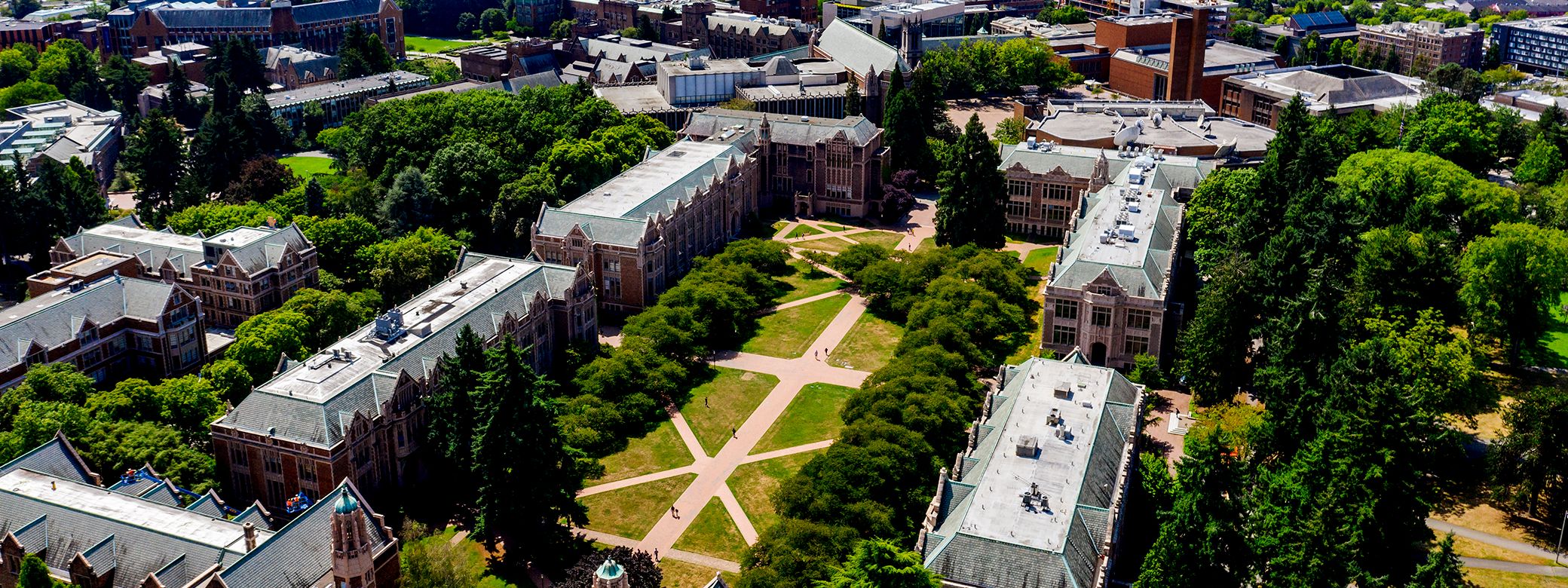
- University of Washington: Founded 1861, one of the nation's leading public research universities with approximately 47,000 students
- Seattle University: Private Jesuit university with approximately 7,500 students
- Seattle Pacific University: Private Christian university
- Seattle Central College: Part of Seattle Colleges district
- North Seattle College, South Seattle College: Additional community colleges
Public Safety
Seattle Police Department and Seattle Fire Department provide public safety services. The city has faced ongoing debates about police funding, accountability, and reform, particularly following nationwide protests in 2020.
Culture and Lifestyle
Arts and Museums
The Seattle Art Museum, established 1991 in its current downtown location (founded earlier by Dr. Richard Fuller in 1933), houses an impressive collection spanning global cultures and time periods. The Olympic Sculpture Park extends SAM's presence to the waterfront with outdoor installations.
The Museum of Pop Culture (MoPOP), designed by Frank Gehry and opened 2000, celebrates contemporary popular culture including music, science fiction, and gaming. The museum's distinctive architecture makes it a Seattle landmark.
The Burke Museum of Natural History and Culture, located on the University of Washington campus, showcases natural history specimens and Pacific Northwest indigenous cultures.
Other notable cultural institutions include:
- Pacific Science Center (1962 World's Fair legacy)
- Museum of Flight (traces aviation history, housed partially in original Boeing factory)
- Nordic Heritage Museum (celebrates Scandinavian immigration and culture)
- Wing Luke Museum (Asian Pacific American experience)
- Frye Art Museum (European and American art, free admission)
Performing Arts
Seattle Center hosts multiple performing arts venues including McCaw Hall (home of Seattle Opera and Pacific Northwest Ballet), KeyArena/Climate Pledge Arena, and numerous theaters and performance spaces.
The Seattle Symphony, founded 1903, performs at Benaroya Hall downtown. The 5th Avenue Theatre presents Broadway productions and develops new musicals. Seattle Repertory Theatre and A Contemporary Theatre (ACT) offer theatrical productions.
Music Scene
Seattle's music scene achieved global prominence in the late 1980s and early 1990s with the grunge movement. Bands including Nirvana, Pearl Jam, Soundgarden, and Alice in Chains emerged from Seattle's underground music venues, fundamentally reshaping rock music.
Before grunge, Seattle birthed influential musicians including Jimi Hendrix, Quincy Jones, and Kenny G. The city maintains a vibrant live music scene with venues ranging from intimate clubs to large arenas.
Hip-hop artist Macklemore represents Seattle's contemporary music scene, achieving international success while maintaining local roots.
Cuisine and Coffee Culture
Seattle revolutionized American coffee culture. Starbucks, founded 1971 at Pike Place Market, grew from a single store to a global coffeehouse empire. The city spawned numerous specialty coffee roasters and cafes, establishing the "third wave" coffee movement emphasizing quality, sustainability, and craft.
The city's cuisine reflects its Pacific Northwest location and multicultural population. Pike Place Market, established 1907, remains one of the nation's oldest continuously operating public farmers markets, showcasing local produce, seafood, artisan foods, and crafts.
Seattle's seafood culture centers on Pacific salmon, Dungeness crab, geoduck clams, and other regional specialties. Asian cuisine, particularly from China, Japan, Korea, Vietnam, and Thailand, thrives in the International District and throughout the city.
Sports
Professional Teams:
- Seattle Seahawks (NFL): Play at Lumen Field, won Super Bowl XLVIII (2014)
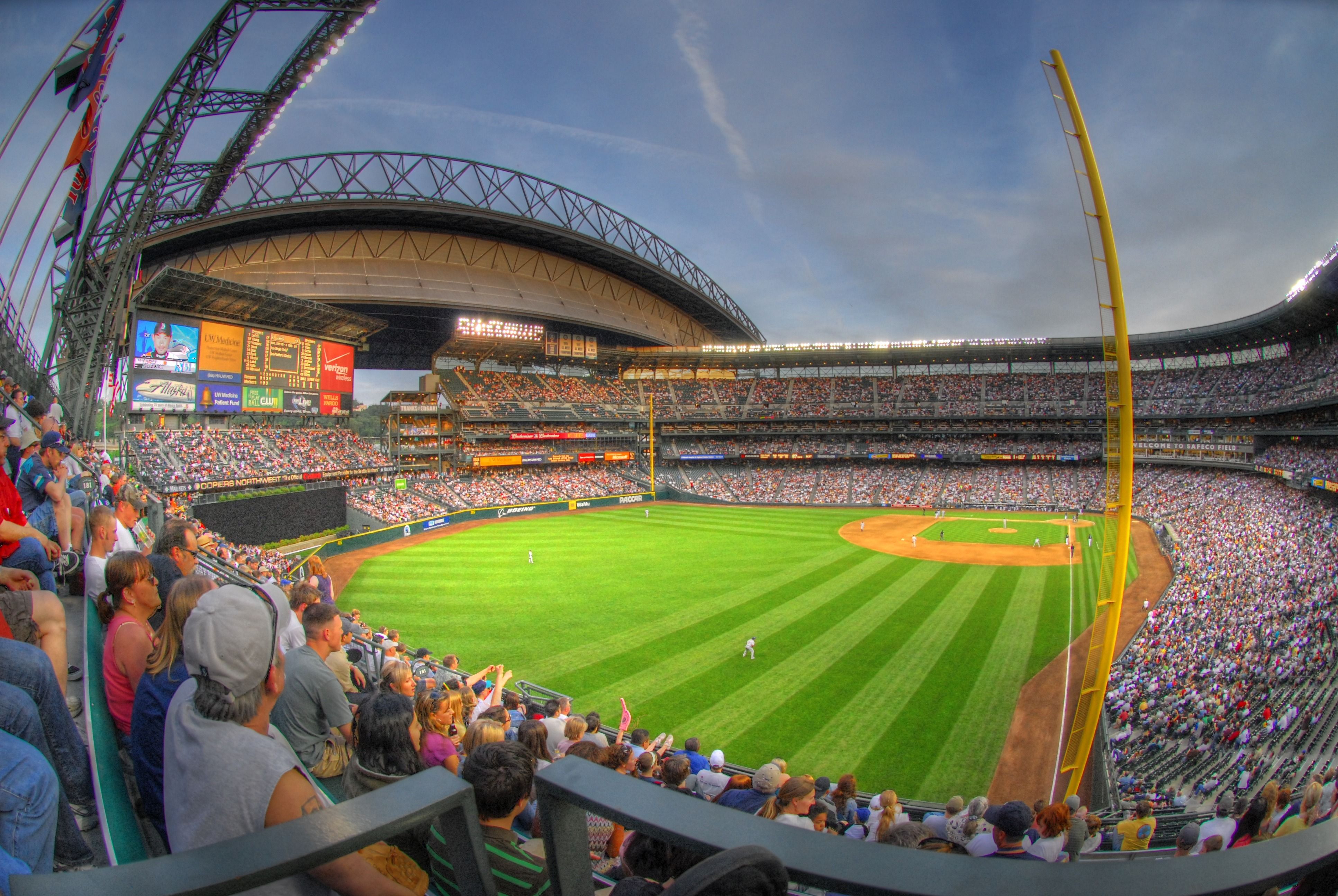
- Seattle Mariners (MLB): Play at T-Mobile Park
- Seattle Sounders FC (MLS): Play at Lumen Field, won MLS Cup 2016, 2019
- Seattle Kraken (NHL): Expansion team beginning play 2021 at Climate Pledge Arena
- Seattle Storm (WNBA): Play at Climate Pledge Arena, won championships 2004, 2010, 2018, 2020
- OL Reign/Seattle Reign FC (NWSL): Women's soccer, returned Seattle Reign name 2024
The Seattle SuperSonics (NBA) played in Seattle 1967-2008 before relocating to Oklahoma City, leaving a void in the city's sports landscape that residents hope to fill with NBA expansion or team relocation.
The University of Washington Huskies compete in NCAA Division I (Big Ten Conference as of 2024), with particularly strong football and rowing traditions. Husky Stadium hosts football games with views of Lake Washington and the Cascade Mountains.
Outdoor Recreation
Seattle's location provides unparalleled access to outdoor recreation. Residents and visitors enjoy:
- Water activities: Kayaking, sailing, paddleboarding on Puget Sound, Lake Union, and Lake Washington
- Hiking: Easy access to trails in the Cascade and Olympic Mountains
- Skiing: Multiple ski resorts within 1-2 hours' drive
- Parks: Discovery Park (534 acres), Seward Park, Volunteer Park, Gas Works Park, and dozens of neighborhood parks
- Urban trails: Burke-Gilman Trail, Alki Trail, and expanding trail networks
Mount Rainier National Park (2 hours), Olympic National Park (2-3 hours), and North Cascades National Park (2-3 hours) offer world-class wilderness experiences.


