
resources, healthcare sustainability
Smart Design Upgrades That Bring Nature Closer to Home
Writer
21 Oct 2025

Bringing nature into daily living doesn’t just beautify a home, it transforms the way people feel and interact with their environment. Modern homeowners increasingly value spaces that foster connection with the outdoors while maintaining comfort and functionality. With smart design choices, you can create a home that blurs the boundaries between inside and outside, encouraging relaxation, creativity, and balance.
From eco-friendly materials to natural light optimization, the key lies in designing spaces that honor both form and environment. Even small upgrades can make your home feel fresher, more open, and more grounded in the beauty of the natural world.
Expanding Living Space With Outdoor Extensions
Outdoor living spaces offer a seamless transition between interior comfort and open-air relaxation. Adding a patio, pergola, or deck can instantly increase your home’s usable area while enhancing its connection to nature. Choosing the right lawn surface plays a key role in completing these spaces, and Celebration Bermuda grass is a popular option for homeowners who want a lush, resilient turf that stands up well to foot traffic. Its vibrant color and durability make it an ideal complement to modern outdoor living designs.
Decks, in particular, serve as the perfect platform for outdoor gatherings, morning coffee rituals, or simply enjoying a sunset. Professional deck builders understand how to combine functionality and aesthetics, using durable, sustainable materials that complement your home’s architecture. They can help you design a layout that maximizes views, incorporates shade, and aligns with your landscaping. Integrating features such as built-in seating, planters, or lighting ensures your deck remains inviting both day and night.
Material choice plays a major role. Recycled composite decking, for example, offers the beauty of wood with reduced maintenance and environmental impact. Pairing natural materials with thoughtful design creates outdoor areas that invite constant use, reinforcing a lifestyle rooted in the outdoors.
Inviting Natural Light Indoors
One of the simplest yet most effective ways to connect with nature is through natural light. Sunlight enhances mood, regulates circadian rhythms, and visually expands interior spaces. Homes that capture and reflect daylight feel warmer, cleaner, and more welcoming.
Strategic window placement is key. Expanding window openings or adding skylights can dramatically change the feel of a room. South-facing windows bring in abundant light throughout the day, while clerestory or transom windows allow illumination without sacrificing privacy.
For existing homes, replacing heavy curtains with sheer fabrics or installing glass doors can make a noticeable difference. Using light-colored paints, reflective surfaces, and open shelving helps distribute light more evenly across the space.
Smart technologies, such as automated blinds and dynamic glass, allow homeowners to control brightness and temperature while maintaining energy efficiency. These innovations bring balance between comfort and sustainability, allowing you to enjoy sunlight without excess heat or glare.
Choosing Earth-Friendly Materials
Incorporating natural and sustainable materials in your home’s design enhances its tactile appeal while supporting environmental health. Materials such as bamboo, reclaimed wood, cork, and stone lend warmth and authenticity that synthetic finishes often lack. Beyond aesthetics, they improve indoor air quality by minimizing off-gassing and pollutants.
Flooring, furniture, and cabinetry can all benefit from eco-conscious material choices. Reclaimed wood floors introduce character through unique grains and imperfections, while cork offers a soft, resilient surface that feels pleasant underfoot. Stone countertops or accent walls provide durability and a timeless, organic texture.
Focusing on local materials further reduces your environmental footprint. Regional suppliers often use less transportation energy, and their materials naturally complement the surrounding landscape. The goal is harmony, creating a home that reflects and respects its environment.
Integrating Greenery Into Interior Design
Plants breathe life into any room, literally and figuratively. They purify the air, regulate humidity, and add soothing color and texture. A well-placed collection of plants can soften architectural lines and balance modern interiors with organic shapes.
Vertical gardens, living walls, and hanging planters offer creative ways to introduce greenery without crowding floor space. Kitchen herbs, succulents, or larger species like fiddle-leaf figs can each bring vitality to different rooms.
If maintenance is a concern, self-watering systems or low-light plants like snake plants and pothos simplify care. Mixing plant sizes and types creates visual interest while supporting well-being. The presence of greenery fosters calm, enhances focus, and connects indoor spaces to the cycles of nature.
Embracing Water and Sound for Tranquility
Sound plays a subtle yet powerful role in shaping the ambiance of a home. Incorporating water elements, like fountains, ponds, or small indoor features, adds soothing, rhythmic tones that mask background noise and promote relaxation.
Outdoor water installations can range from simple tabletop fountains to elaborate koi ponds. Indoors, wall-mounted or tabletop water features provide the same calming effect in a smaller footprint. The gentle flow of water encourages mindfulness and reduces stress, making it an ideal addition to home offices or meditation spaces.
Complement these elements with natural soundscapes, wind chimes, soft music, or speakers that play recordings of rain, ocean waves, or birdsong. These sensory additions elevate daily routines, transforming ordinary environments into peaceful retreats.
Enhancing Airflow and Indoor Comfort
A well-ventilated home feels fresher and healthier. Intelligent design promotes natural airflow through window placement, ceiling height, and open floor plans. Cross-ventilation allows air to move freely, reducing reliance on artificial cooling systems.
Installing operable windows, vented skylights, or louvered openings encourages circulation while maintaining energy efficiency. Ceiling fans complement this design by gently distributing air and maintaining consistent temperatures across rooms.
Natural ventilation systems can be integrated into architectural design for long-term benefits. Combining airflow with natural materials reduces indoor pollutants and humidity, creating an environment that supports respiratory and overall health.
Blurring Boundaries Between Indoors and Outdoors
The ultimate goal of nature-inspired design is to dissolve the barriers between interior and exterior living. Achieving this seamless transition requires careful attention to materials, layout, and sensory experience.
Large sliding or folding glass doors provide direct access to outdoor spaces while maintaining visual continuity. Flooring materials that extend from indoors to patios or decks create a cohesive flow, making both spaces feel larger.
Covered verandas, screened porches, and transitional spaces bridge the gap between environments. These zones allow homeowners to enjoy fresh air and natural light without exposure to extreme weather. Furniture, lighting, and décor in these areas should complement both interior and exterior design for unity and harmony.
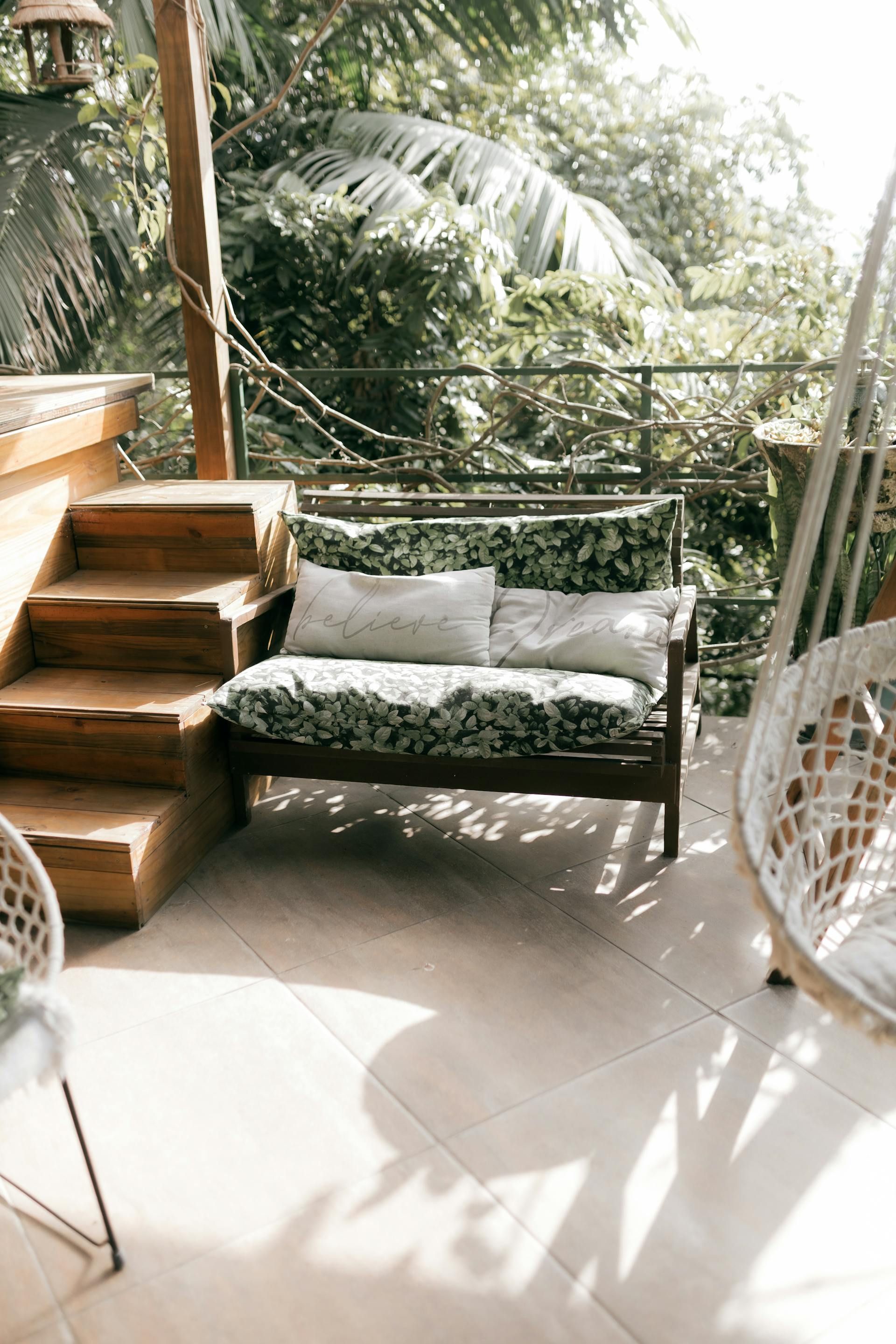
Nature-inspired design is more than an aesthetic trend, it’s a philosophy of living in tune with the world. By embracing natural materials, maximizing light, improving airflow, and expanding outdoor spaces, homeowners create environments that nurture well-being and sustainability.
Each upgrade, from energy-efficient lighting to eco-friendly decking, moves a home closer to a balance between modern comfort and natural beauty. With intentional design, you can transform your living space into a sanctuary that celebrates both human creativity and the rhythms of the earth.


