
resources
Transforming Energy Management: Harnessing Smart Grid in IoT for a Sustainable Future
Industry Expert & Contributor
17 Jul 2025

Have you noticed the word IoT popping up everywhere? Well, it has a big part to play in our power grid too. The idea of a smart grid in iot is to let devices talk to each other and smooth out how we use electricity. You get smart meters, sensors on lines, and apps that tweak your usage on the fly. In this article, I’ll break down what goes on under the hood, share some real uses, and point out what’s next.
Key Takeaways
- The smart grid in iot mixes sensors, edge devices, network hubs, and cloud services using open protocols so data moves freely.
- Advanced metering and wireless sensor networks feed live info on energy flow and system health.
- This setup cuts downtime, trims waste, and makes it easier to plug in more wind and solar.
- You’ll see it in microgrid control at campuses, demand response for big users, and gear that flags trouble before it breaks.
- Moving ahead means tackling hacks, mixing gear from different vendors, keeping costs in check, and trying out AI, blockchain, and faster networks.
Understanding Smart Grid in IoT Architecture
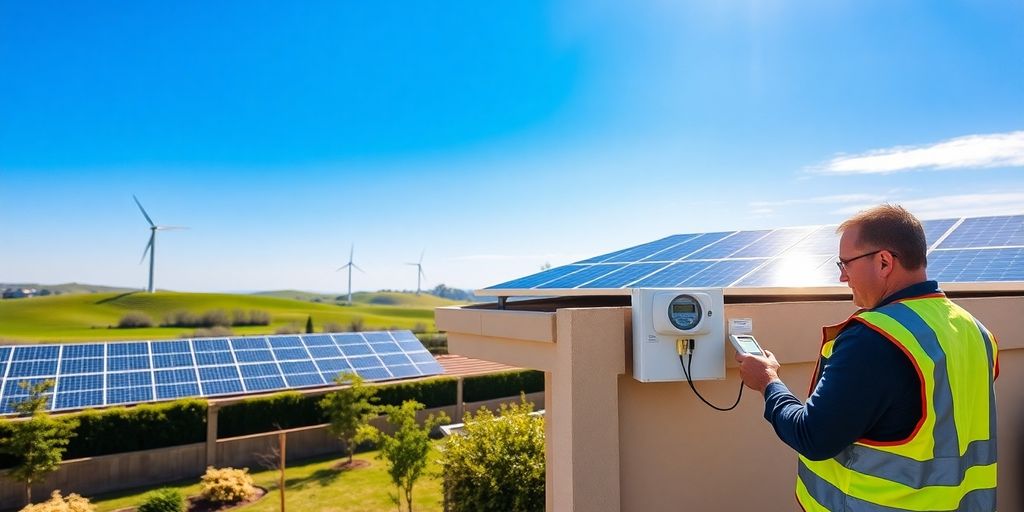
Let’s break down how smart grids and the Internet of Things (IoT) work together. It’s all about making our energy systems smarter and more efficient. Think of it as upgrading from a regular phone to a smartphone – more features, more data, and better control.
Core Components and Network Layers
At its heart, a smart grid in an IoT setup has a few key parts. First, you’ve got the sensors and smart meters out in the field, gathering data. Then, there’s the communication network that carries this data back to a central system. Finally, you have the data processing and control center, where all the information is analyzed and decisions are made. The network is structured in layers, much like the internet itself, to handle different tasks efficiently.
Here’s a simple breakdown:
- Sensing Layer: Smart meters, sensors, and other devices that collect data.
- Communication Layer: The network that transmits data (e.g., cellular, Wi-Fi, satellite).
- Data Management Layer: Servers and software that process and store the data.
- Application Layer: The user interface and control systems that allow operators to manage the grid.
Sensors and Edge Device Roles
Sensors are the eyes and ears of the smart grid. They monitor everything from voltage levels to temperature to energy consumption. Smart meters, a type of sensor, not only measure energy use but also communicate that data back to the utility company. Edge devices, like microcontrollers, sit closer to the sensors and can do some initial data processing before sending it on. This reduces the amount of data that needs to be transmitted and allows for faster response times. These smart meters provide real-time feedback on grid performance, energy flow, and equipment health.
Communication Protocols and Data Standards
Getting all these devices to talk to each other isn’t always easy. That’s where communication protocols and data standards come in. Protocols are like the rules of the road for data transmission. They define how data is formatted, transmitted, and received. Data standards ensure that everyone is speaking the same language, so the data can be easily understood and used by different systems. Some common protocols include:
- Zigbee: Low-power, short-range wireless communication.
- Wi-Fi: Common wireless protocol for local networks.
- Cellular (4G/5G): For longer-range communication.
Standardized data formats, like those defined by the IEC 61850, are also important. They ensure that data from different vendors can be easily integrated and analyzed. Without these standards, it would be like trying to build a house with bricks that don’t fit together.
Enabling Technologies for Smart Grid in IoT
To really make smart grids in IoT work, we need a few key technologies to come together. It’s not just about slapping some sensors on the existing grid; it’s about a complete overhaul of how we manage and distribute energy. Let’s look at some of the things that make it possible.
Essential Elements of Advanced Metering Infrastructure
Advanced Metering Infrastructure (AMI) is more than just fancy meters. It’s a whole system that includes smart meters, communication networks, and data management systems. AMI allows for two-way communication between utilities and consumers, providing real-time data on energy consumption. This data is super important for things like billing accuracy, demand response programs, and detecting outages quickly. Think of it as the nervous system of the smart grid, constantly sending and receiving information.
Here’s a quick look at what AMI brings to the table:
- Real-time data: Utilities can see exactly how much energy is being used at any given moment.
- Remote monitoring: No more meter readers walking around; everything can be checked remotely.
- Two-way communication: Consumers can get alerts about their usage and participate in demand response programs.
Wireless Sensor Network Integration
Wireless Sensor Networks (WSNs) are a big deal for smart grids. They’re made up of lots of small, low-power sensors that can be scattered throughout the grid to monitor all sorts of things, like voltage, current, temperature, and equipment health. These sensors talk to each other wirelessly and send data back to a central point for analysis. This gives us a much more detailed picture of what’s happening on the grid than we’ve ever had before. It’s like having eyes and ears everywhere.
WSNs help with:
- Fault detection: Spotting problems before they cause outages.
- Grid optimization: Figuring out how to distribute energy more efficiently.
- Predictive maintenance: Knowing when equipment needs to be fixed or replaced before it fails.
Cloud Computing and Data Analytics
All that data from AMI and WSNs? It’s useless unless we can actually make sense of it. That’s where cloud computing and data analytics come in. Cloud computing gives us the storage and processing power we need to handle the massive amounts of data generated by smart grids. Data analytics tools help us find patterns, predict future energy demand, and optimize grid performance. It’s like having a super-smart brain that can analyze everything and make the grid run better.
Cloud computing and data analytics are not just about storing and processing data; they’re about turning that data into actionable insights. This allows utilities to make better decisions, improve grid reliability, and provide better service to consumers.
Here’s how cloud and analytics help:
- Scalability: Easily handle growing amounts of data.
- Advanced analytics: Use machine learning to predict energy demand and detect anomalies.
- Remote access: Access data and tools from anywhere.
Advantages of Smart Grid in IoT for Sustainable Energy
Enhanced Grid Resilience and Reliability
Smart grids, powered by IoT, are making the power grid more robust. Real-time data from sensors allows for quick detection and isolation of faults, minimizing outages. This is a big deal because it means fewer disruptions and a more dependable energy supply. Think of it like having a super-attentive doctor for the grid, always monitoring and ready to jump in at the first sign of trouble.
- Faster outage detection and restoration.
- Improved grid stability during peak demand.
- Better management of distributed energy resources.
The shift towards smart grids isn’t just about fancy tech; it’s about building a more secure and reliable energy infrastructure for everyone. By leveraging IoT, we can create a grid that’s better equipped to handle unexpected events and keep the lights on.
Optimized Energy Efficiency Strategies
IoT-enabled smart grids are also helping us use energy more efficiently. Advanced metering infrastructure (AMI) provides detailed data on energy consumption patterns, allowing utilities and consumers to identify areas where energy is being wasted. This data can then be used to implement targeted energy efficiency programs and incentives. It’s like having a personal energy coach, pointing out where you can cut back and save.
- Real-time monitoring of energy consumption.
- Identification of energy waste.
- Implementation of targeted efficiency programs.
Seamless Integration of Renewables
One of the biggest challenges in transitioning to a sustainable energy future is integrating renewable energy sources like solar and wind into the grid. These sources are intermittent, meaning their output fluctuates depending on weather conditions. Smart grids, with their ability to monitor and control energy flow in real-time, can help smooth out these fluctuations and ensure a reliable supply of renewable energy. It’s like having a smart traffic controller for the energy grid, making sure everything flows smoothly even when there are unexpected surges or dips in supply.
- Improved forecasting of renewable energy output.
- Dynamic adjustment of grid operations to accommodate fluctuations.
- Enhanced energy storage integration for renewable energy smoothing.
Practical Deployments of Smart Grid in IoT Solutions
It’s time to get real about where all this smart grid and IoT stuff actually shows up in the world. We’re not just talking theory here; these are real-world examples of how things are changing.
Microgrid Management and Control
Microgrids are like mini power grids that can operate independently or connect to the main grid. IoT is making microgrid management way more efficient. Think of a small community powered by solar panels and batteries. IoT sensors monitor energy production, consumption, and battery levels, adjusting everything in real-time to keep the lights on. It’s pretty cool.
- Remote monitoring of energy assets.
- Automated switching between energy sources.
- Predictive maintenance to avoid outages.
Demand Response Program Design
Demand response is all about getting consumers to adjust their energy use based on price signals or grid conditions. IoT makes this much easier. Smart thermostats, for example, can automatically lower the temperature during peak hours if you sign up for a demand response program. You save money, and the grid stays stable. Everybody wins. These programs are a key part of smart energy solutions.
- Real-time pricing signals to consumers.
- Automated load shedding during peak demand.
- Incentive programs for energy conservation.
Demand response programs are becoming increasingly important as we move towards a more distributed and renewable energy system. They help balance supply and demand, reduce the need for expensive infrastructure upgrades, and empower consumers to take control of their energy use.
Predictive Maintenance in Distribution
Imagine being able to predict when a transformer is going to fail before it actually does. That’s the power of predictive maintenance. IoT sensors monitor the health of grid equipment, and data analytics identify potential problems. This means fewer outages and lower maintenance costs. It’s a game-changer for industrial IoT.
- Sensor-based monitoring of equipment health.
- Data analytics to predict failures.
- Automated alerts for maintenance needs.
Addressing Security and Privacy in Smart Grid in IoT
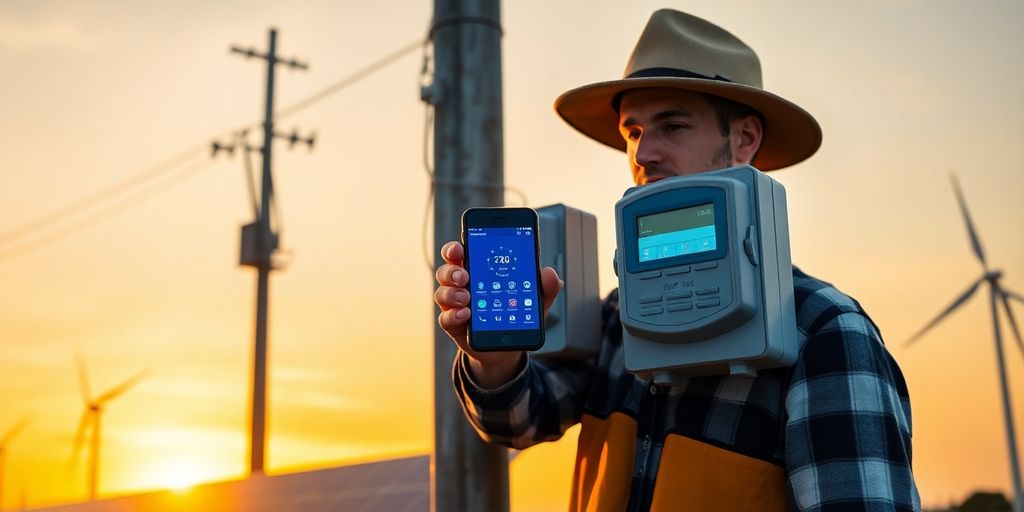
Okay, so let’s talk about the not-so-fun part of connecting everything: security and privacy. As we pack more and more IoT devices into the smart grid, we’re opening up a whole bunch of new doors for cyberattacks and data breaches. It’s not just about keeping the lights on anymore; it’s about keeping sensitive information safe and making sure no one messes with the power supply. It’s a big deal, and we need to be serious about it.
Cybersecurity Threat Mitigation Strategies
Think of the smart grid as a giant, interconnected web. Now, imagine someone trying to cut a strand – or worse, mess with the whole thing. That’s what we’re up against. We need strategies to stop these threats before they cause chaos. One of the first lines of defense is cybersecurity threat mitigation. Here’s what that looks like:
- Regular security audits: Like a health checkup, but for your system. Find the weak spots before someone else does.
- Intrusion detection systems: These act like security guards, watching for anything suspicious.
- Incident response plans: What to do when, not if, something goes wrong. Quick action is key.
It’s not enough to just put up a firewall and hope for the best. We need a layered approach, with multiple levels of security, to make it as difficult as possible for attackers to get in and cause damage.
Data Privacy and Compliance Measures
All those smart meters and sensors? They’re collecting a ton of data about how we use energy. That data is valuable, but it’s also sensitive. We need to make sure it’s protected and used responsibly. This means:
- Anonymization and pseudonymization: Making it harder to link data back to individuals.
- Data encryption: Scrambling the data so it’s unreadable to unauthorized users.
- Compliance with regulations: Following the rules about data privacy, like GDPR or CCPA.
Secure Firmware and Device Authentication
Every device on the smart grid needs to be trustworthy. That starts with secure firmware – the software that runs the device – and strong authentication to make sure only authorized devices can connect. Here’s the breakdown:
- Firmware updates: Regularly patching devices to fix security holes.
- Secure boot: Making sure the device only runs trusted software.
- Multi-factor authentication: Requiring more than just a password to verify a device’s identity.
The key is to build security into every layer of the smart grid, from the devices themselves to the communication networks and data storage systems. It’s an ongoing battle, but one we can’t afford to lose.
Overcoming Deployment Challenges for Smart Grid in IoT
Okay, so you’re all hyped about smart grids and IoT, right? The potential is huge, but let’s be real, getting these systems up and running isn’t always a walk in the park. There are definitely some hurdles to jump over. Let’s talk about some of the big ones.
Achieving Interoperability and Standards
One of the biggest headaches is getting everything to talk to each other. You’ve got sensors from one company, meters from another, and software from a third. Making sure all these different pieces can communicate seamlessly is crucial. It’s like trying to build a house with bricks from different manufacturers – some might fit, some might not. We need common standards and protocols so that devices from different vendors can play nice together. Think of it like universal plugs for electronics; it just makes life easier. Without smart grid technologies, we’re stuck with a fragmented system that’s hard to manage and scale.
Ensuring Scalability and Infrastructure Readiness
So, you’ve got a pilot project working great in a small area. Awesome! But what happens when you want to roll it out to an entire city or even a whole state? Scalability is a major concern. Can your infrastructure handle the massive amounts of data being generated by all those IoT devices? Do you have the bandwidth to transmit it all? And what about storage? You need to make sure your systems are designed to grow without collapsing under their own weight. It’s not just about adding more devices; it’s about building a robust and adaptable infrastructure that can handle future demands. Here’s a quick look at some infrastructure considerations:
- Network Capacity: Can your network handle the data load?
- Data Storage: Do you have enough space to store all the data?
- Processing Power: Can your systems process the data in real-time?
Cost Management and Return on Investment
Let’s face it: deploying smart grid and IoT solutions isn’t cheap. You’ve got to buy sensors, install meters, upgrade your network, and hire experts to manage it all. The big question is: will you get your money back? Utilities need to carefully analyze the costs and benefits of these projects to make sure they’re a worthwhile investment. It’s not just about saving energy; it’s about improving reliability, reducing outages, and creating a more efficient grid. Sometimes, the benefits are obvious, like reduced energy consumption. Other times, they’re harder to quantify, like improved customer satisfaction. But you need to make a solid business case to justify the upfront costs. Advanced Metering Infrastructure benefits include accurate billing, energy efficiency, and demand response.
It’s important to remember that deploying smart grid and IoT solutions is a long-term investment. It’s not a quick fix, but a strategic move that can transform the energy landscape. By addressing these challenges head-on, we can unlock the full potential of these technologies and create a more sustainable energy future.
Emerging Trends Shaping the Future of Smart Grid in IoT
The convergence of smart grids and the Internet of Things is not a static field; it’s constantly evolving. Several emerging trends promise to reshape how we generate, distribute, and consume energy. These advancements aim for greater efficiency, sustainability, and resilience in our energy systems. Let’s take a look at some of the key areas.
Artificial Intelligence and Machine Learning Applications
AI and machine learning are becoming increasingly important in smart grids. These technologies can analyze vast amounts of data from IoT devices to optimize grid performance. For example, AI can predict energy demand, optimize energy distribution, and detect anomalies in the grid. This leads to better grid management and reduced energy waste. AI-driven systems can also enable more effective integration of renewable energy sources, balancing the intermittent nature of solar and wind power.
Blockchain for Transparent Energy Transactions
Blockchain technology offers a secure and transparent way to manage energy transactions. It can facilitate peer-to-peer energy trading, allowing consumers to buy and sell excess energy generated from their own renewable sources. This creates a more decentralized and democratic energy market. Blockchain can also improve the traceability of energy, ensuring that consumers know the source of their power. Here are some potential benefits:
- Enhanced security of energy transactions
- Increased transparency in the energy market
- Reduced transaction costs
Blockchain’s ability to create immutable records makes it ideal for verifying the origin and flow of energy, promoting trust and accountability among all participants in the energy ecosystem.
5G Connectivity and Edge Computing Synergy
5G connectivity and edge computing are poised to revolutionize smart grid performance. 5G offers faster speeds and lower latency, enabling real-time communication between IoT devices and the grid. Edge computing brings data processing closer to the source, reducing the need to transmit large amounts of data to the cloud. This combination enables faster response times, improved security, and more efficient use of bandwidth. This is especially important for applications like predictive maintenance and demand response, where timely decisions are critical.
Here’s a simple comparison:
| Feature | 4G | 5G |
|---|---|---|
| Speed | Up to 100 Mbps | Up to 10 Gbps |
| Latency | 50-100 ms | 1-10 ms |
| Device Density | ~2,000 devices per square kilometer | ~1 million devices per square kilometer |
# Conclusion
We’ve seen how smart grids and IoT are shaking up the way we run our power networks. With live info from sensors, we can cut down on waste and keep costs low. Adding in more solar and wind means a lower impact on the planet, too. Sure, we need to patch some security holes and upgrade old gear, but those are just parts of the journey. The result? A power system that bounces back from outages faster, gives people clearer views of their own use, and helps shift demand to quieter times. It’s not perfect yet, but it’s a start. And if we keep moving ahead, the grid can be greener, cheaper, and more in our control.
Frequently Asked Questions
What is a smart grid in IoT?
A smart grid in IoT is an electric power network that uses internet-connected devices to watch and control how energy moves. It shares real-time data so we can fix problems quickly.
How do smart grid sensors work?
Sensors are placed on equipment like transformers and meters. They collect data such as voltage and temperature and send it to a central system. This helps operators spot issues fast.
What are the benefits of using a smart grid with IoT?
Smart grids can cut power outages, save energy, lower bills, and improve service reliability. They give both utilities and customers more control over energy use.
How does IoT help integrate renewable energy?
IoT devices talk to solar panels and wind turbines in real time. They adjust power flow so clean energy is added smoothly and the grid stays balanced.
What steps keep a smart grid secure?
Security measures include scrambling data so outsiders can’t read it, using strong passwords, updating software often, and making sure each device is trusted before it connects.
What challenges do we face when deploying IoT smart grids?
Common hurdles are getting devices from different makers to work together, planning for future growth, and managing the cost of new hardware and installation.


