


resources
Building the Future: Innovations in Sustainable Cities and Society
Industry Expert & Contributor
18 Apr 2025

Sustainable cities and society are more than just buzzwords; they represent a crucial shift in how we approach urban living. As our world faces challenges like climate change, resource depletion, and social inequality, innovative solutions are emerging to create cities that are not only livable but also environmentally friendly. This article explores various strategies and examples of how urban areas can evolve into sustainable spaces that benefit both people and the planet.
Key Takeaways
- Green infrastructure, like parks and green roofs, helps manage urban challenges and improves air quality.
- Smart city technologies use data to optimize resources, making cities more efficient and sustainable.
- Renewable energy sources, such as solar and wind, are key to reducing urban carbon footprints.
- Circular economy practices, including recycling and upcycling, help minimize waste and promote sustainability.
- Community engagement is essential for creating inclusive urban spaces that meet the needs of all residents.
Innovative Urban Planning for Sustainable Cities
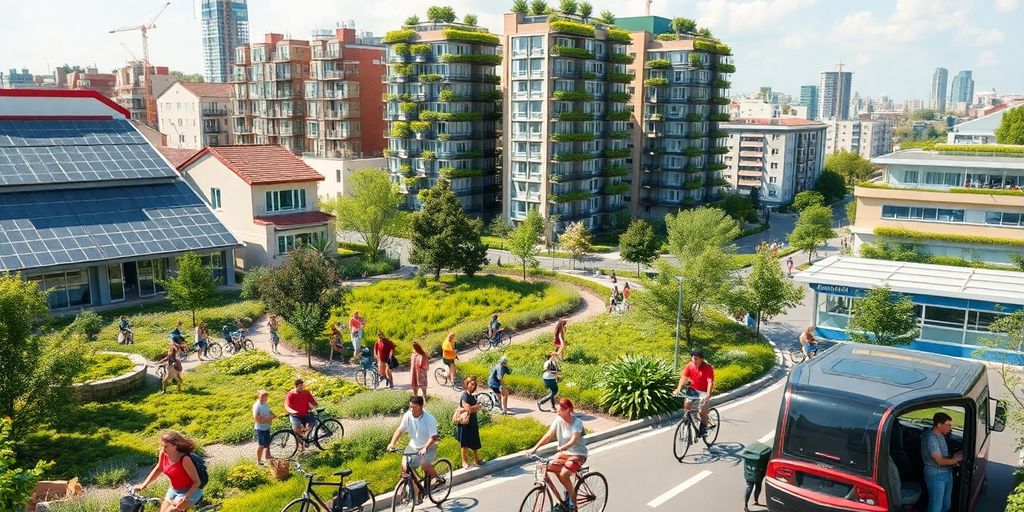
The Role of Green Infrastructure in Urban Areas
Green infrastructure? It’s all about weaving nature right into our cities. Think parks, green roofs, even those cool rain gardens. They aren’t just pretty; they’re like nature’s Swiss Army knife for urban areas. They help manage stormwater, clean up the air, and give wildlife a place to hang out.
- They cool down cities, fighting that urban heat island effect.
- They get people outside and active, which is great for public health.
- They help cities deal with climate change, like managing floods.
Smart City Technologies for Sustainability
Smart cities are changing the game. They’re using sensors, data, and automation to make our cities more efficient. Imagine streetlights that dim when no one’s around – that’s smart lighting systems in action, saving energy.
Here are some examples:
- Smart grids that make sure energy is used efficiently.
- Traffic systems that ease congestion.
- Waste systems that figure out the best collection routes.
Smart tech isn’t just about making life easier; it’s about making our cities more sustainable and efficient for everyone.
Designing Resilient Urban Spaces
Resilient urban spaces? They’re built to handle whatever comes their way – population booms, climate change, natural disasters. That means flexible infrastructure, designs that are ready for anything, and planning that puts the community first.
- Neighborhoods where you can live, work, and play reduce the need to commute.
- Buildings that can be adapted for different uses over time.
- Public spaces that can be used for both fun and emergencies.
Urban planning isn’t just about construction; it’s about rethinking how cities work with people and the planet.
Global Examples of Sustainable Urban Innovations
Amsterdam’s Cycling Culture and Renewable Energy
Amsterdam is a long-time leader in sustainability. Its cycling culture shows how cities can cut back on car use. The city has over 800,000 bikes and a big network of bike paths, making it easy and safe to bike instead of drive. This has really helped with traffic and pollution. Amsterdam has also put a lot of money into renewable energy, focusing on wind and solar power to meet its energy needs in a sustainable way.
Seoul’s Green Spaces and Smart Technologies
Seoul is changing urban living with its green spaces and smart tech. The city has made big parks and urban forests, like the Cheonggyecheon Stream project, which turned a highway into a waterway and public space. On the tech side, Seoul is a leader in smart city initiatives, using data and IoT to use energy better, manage waste, and improve public transit. These efforts improve life and make the city more ready for environmental problems.
Medellín’s Public Transport and Inclusive Policies
Medellín has gone through a big change. The city’s Metrocable system—a cable car that connects remote neighborhoods to the city center—has made it easier for people to get around. Medellín has also put in place inclusive policies, like building libraries and schools in poor areas. These actions have lowered socioeconomic differences and made people feel more connected to their community.
These examples show that sustainable urban innovation is not just about tech or infrastructure; it’s about making cities where people and the environment do well together.
The Role of Green Building in Sustainable Development
Green building is more than just a trend; it’s a necessary shift in how we design, construct, and maintain buildings. It’s about minimizing environmental impact while maximizing the health and well-being of occupants. Let’s explore how green building practices are shaping a more sustainable future.
Using Locally Sourced Materials
One of the first steps in green building is choosing the right materials. Using locally sourced materials reduces transportation emissions and supports local economies. It’s a win-win! Think about it: less fuel burned to get materials to the construction site, and more money staying within the community. Plus, it often means using materials that are better suited to the local climate, which can further reduce energy consumption. It also aligns with green architecture, which focuses on reducing waste and environmental harm.
Here are some benefits of using locally sourced materials:
- Reduced carbon footprint from transportation.
- Support for local businesses and job creation.
- Potential for using more sustainable and climate-appropriate materials.
Incorporating Energy-Efficient Designs
Energy efficiency is at the heart of green building. It’s about designing buildings that use less energy for heating, cooling, lighting, and other functions. This can involve everything from the orientation of the building to the types of windows and insulation used. Smart design choices can significantly reduce a building’s environmental impact and lower operating costs.
Consider these energy-efficient design elements:
- High-performance windows and insulation to minimize heat loss and gain.
- Passive solar design to maximize natural heating and cooling.
- Energy-efficient lighting and appliances.
Here’s a quick look at how different features contribute to energy efficiency:
<table>
<thead>
<tr>
<th>Feature</th>
<th>Benefit</th>
</tr>
</thead>
<tbody>
<tr>
<td>Smart Lighting</td>
<td>Reduces energy consumption</td>
</tr>
<tr>
<td>High-Performance Glass</td>
<td>Maintains indoor temperatures</td>
</tr>
<tr>
<td>Green Roofs</td>
<td>Insulates and reduces heat gain</td>
</tr>
</tbody>
</table>
Promoting Sustainable Construction Practices
Sustainable construction practices go beyond just the materials and design; they encompass the entire building process. This includes minimizing waste, reducing pollution, and protecting natural resources. It’s about being mindful of the environmental impact at every stage of construction.
Here are some key sustainable construction practices:
- Reducing waste through recycling and reuse of materials.
- Using low-VOC (volatile organic compound) paints and adhesives to improve indoor air quality.
- Implementing erosion and sediment control measures to protect waterways.
Green building is not just about constructing environmentally friendly structures; it’s about creating healthier, more comfortable, and more sustainable spaces for people to live and work in. It’s a holistic approach that considers the entire lifecycle of a building, from design to demolition.
The Importance of Renewable Energy in Urban Development
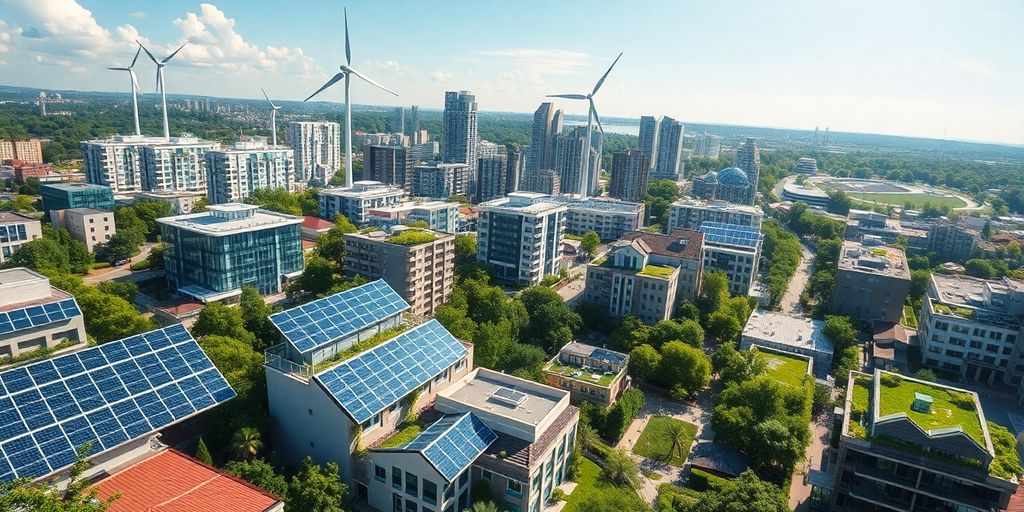
Adopting Solar and Wind Energy Solutions
Switching to solar and wind energy is a total game changer for cities. These energy sources are clean and plentiful, which helps cut down our need for fossil fuels. Cities that put money into solar panels and wind turbines not only lower emissions but also create jobs locally in the clean energy field. Solar tech has come a long way, and now we can even build panels right into buildings, making it easier to generate power.
- Solar farms and rooftop setups are becoming more common in cities.
- Urban wind turbines are being used to harness wind energy in crowded areas.
- Hybrid systems that combine solar and wind are popping up as efficient solutions.
Implementing Energy Storage Systems
Energy storage is key to making renewable energy reliable. Storing energy helps smooth out the ups and downs of solar and wind power. Batteries, pumped hydro, and thermal storage are all ways to keep energy on hand when the sun isn’t shining or the wind isn’t blowing. This makes sure we have a steady power supply, no matter what.
Encouraging Community-Based Renewable Projects
Getting the community involved in renewable energy projects can really boost sustainability efforts. When people work together on these projects, it builds awareness and gets everyone on board. Community solar gardens, neighborhood wind projects, and co-op energy programs are all great ways to get people involved. Plus, it can create local jobs and keep the money in the community.
Community-based projects are not just about generating clean energy; they’re about building a sense of ownership and responsibility towards a sustainable future.
Circular Economy Practices in Urban Environments
Reducing Waste Through Recycling Initiatives
Okay, so, cities and waste? It’s a never-ending story, right? But what if we could, like, actually change the ending? That’s where recycling comes in, but not just the usual ‘throw it in the blue bin’ kind. We’re talking about seriously upping our game. Cities can make a huge difference by investing in advanced recycling facilities.
- Making recycling super easy and convenient for everyone.
- Educating people about what can and can’t be recycled (because, let’s be honest, we’ve all tossed something questionable in there).
- Incentivizing recycling through rewards or discounts.
Shifting to a circular economy helps cities reduce how much they depend on landfills and makes a more sustainable system for using resources.
Promoting Upcycling and Resource Recovery
Upcycling is where things get interesting. It’s not just about recycling; it’s about taking something old and making it better. Think turning old tires into playground equipment or using reclaimed wood for furniture. Resource recovery is similar, but on a bigger scale. It’s about finding ways to extract valuable materials from waste streams that would otherwise be trashed. For example, sustainable urban land restoration initiatives focus on revitalizing ecological integrity while enhancing the benefits that nature offers to communities.
- Supporting local businesses that specialize in upcycling.
- Creating maker spaces where people can learn upcycling skills.
- Offering grants for innovative resource recovery projects.
Engaging Communities in Sustainable Practices
None of this works if people aren’t on board. It’s about getting everyone involved, from schools to businesses to individual households. How do we do that? By making sustainability accessible, fun, and rewarding.
- Organizing community clean-up events.
- Hosting workshops on sustainable living.
- Partnering with local organizations to promote eco-friendly practices.
Let’s face it, building a sustainable city isn’t just about technology or fancy infrastructure. It’s about people working together to create a better future. And that starts with each of us doing our part.
Transportation Innovations for Sustainable Cities
Developing Efficient Public Transit Systems
Okay, so public transit, right? It’s not just about buses and trains anymore. We’re talking about smart systems that actually get people where they need to go, quickly and efficiently. Think about it: fewer cars on the road, less traffic, and cleaner air. It’s a win-win. Cities are starting to use data analytics to figure out the best routes, adjust schedules in real-time, and even predict when vehicles need maintenance. It’s all about making the experience better for the riders. For example, smart city initiatives are using data and IoT to optimize energy use, manage waste, and improve public transportation.
- Real-time tracking and updates for passengers.
- Integrated ticketing systems that work across different modes of transport.
- Prioritizing bus lanes and traffic signals to speed up service.
Efficient public transit is the backbone of any sustainable city. It reduces reliance on private vehicles, lowers carbon emissions, and improves overall quality of life.
Encouraging Active Transportation Options
Let’s be real, sometimes the best way to get around is with your own two feet or a bike. Cities are starting to realize this and are investing in infrastructure that supports active transportation. We’re talking about bike lanes, pedestrian-friendly streets, and even shared scooter programs. The goal is to make it easier and safer for people to choose walking or biking over driving. Amsterdam has long been a leader in sustainability, and its cycling culture is a prime example of how cities can reduce their reliance on cars.
- Protected bike lanes that separate cyclists from car traffic.
- Pedestrian zones that prioritize walking and reduce vehicle access.
- Bike-sharing programs that make it easy to rent a bike for short trips.
Integrating Electric and Autonomous Vehicles
Electric vehicles (EVs) are becoming more common, and for good reason. They produce zero tailpipe emissions, which means cleaner air in cities. But it’s not just about EVs. Autonomous vehicles (AVs) also have the potential to transform urban transportation. Imagine a fleet of self-driving cars that can pick you up on demand, optimize routes to reduce congestion, and even park themselves. It sounds like something out of a sci-fi movie, but it’s closer than you think. Switching to renewable energy sources, such as solar and wind, can significantly reduce urban carbon emissions.
| Feature | Electric Vehicles (EVs) | Autonomous Vehicles (AVs) | Combined Benefits |
|---|---|---|---|
| Emissions | Zero tailpipe | N/A | Reduced overall emissions, cleaner air |
| Congestion | Can reduce with carpool | Optimized routing | Significant reduction in traffic and parking needs |
| Safety | Improved with tech | Enhanced safety features | Fewer accidents due to human error |
Community Engagement in Building Sustainable Society
Fostering Public Participation in Urban Planning
Getting everyone involved in how our cities are planned is super important. It’s not just about architects and city officials making decisions; it’s about making sure everyone’s voice is heard. When people participate, they feel more connected to their community and are more likely to support sustainability initiatives.
- Hold public forums and workshops to gather input on proposed projects.
- Use online platforms to share information and collect feedback.
- Create citizen advisory boards to provide ongoing guidance.
Making sure everyone has a seat at the table is key. When people feel heard, they’re more likely to support changes that make our cities better for everyone.
Educating Citizens on Sustainability Practices
It’s hard to be sustainable if you don’t know what that means! Education is key to helping people understand how their actions impact the environment and what they can do to make a difference. We need to make sustainable practices easy to understand and implement in daily life.
- Offer workshops and classes on topics like recycling, composting, and energy conservation.
- Create public awareness campaigns to promote sustainable behaviors.
- Partner with schools and community organizations to reach a wider audience.
Creating Inclusive Spaces for All Residents
Sustainable cities need to be for everyone, regardless of their background, income, or ability. That means creating spaces that are welcoming and accessible to all. It’s about building a community where everyone feels like they belong. Here are some ways to achieve that:
- Design parks and public spaces that are accessible to people with disabilities.
- Provide affordable housing options in diverse neighborhoods.
- Support community programs that promote social inclusion.
| Feature | Benefit |
|---|---|
| Accessible Parks | Allows everyone to enjoy nature and outdoor activities. |
| Affordable Housing | Ensures everyone has a safe and stable place to live. |
| Community Programs | Helps people connect with their neighbors and build stronger relationships. |
Looking Ahead: The Path to Sustainable Urban Living
As we wrap up our exploration of sustainable cities, it’s clear that the future is bright but also challenging. Cities around the world are stepping up with innovative ideas that not only tackle environmental issues but also improve the lives of their residents. From using renewable energy to creating green spaces, these efforts show that change is possible. The examples from cities like Amsterdam and Seoul remind us that sustainability isn’t just a trend; it’s a necessity. By working together, communities can build urban environments that are not only livable but also resilient. The journey toward sustainable cities is ongoing, and every small step counts. Let’s keep pushing for a future where our cities thrive alongside nature.
Frequently Asked Questions
What is a sustainable city?
A sustainable city is one that uses resources wisely to protect the environment while ensuring a good quality of life for its residents.
How can cities reduce pollution?
Cities can cut down on pollution by using renewable energy sources, promoting public transport, and encouraging cycling or walking.
What are green buildings?
Green buildings are designed to be eco-friendly. They use materials that are good for the environment and are built to save energy and water.
Why is public transport important for sustainability?
Public transport helps reduce traffic and pollution by allowing many people to travel together, instead of everyone using their own cars.
What role do communities play in sustainability?
Communities can help by participating in local planning, recycling programs, and supporting eco-friendly practices.
How can technology help create sustainable cities?
Technology can improve city services, like energy use and waste management, making them more efficient and less harmful to the environment.


