
business resources
The Most Common Accidents Employees Face On Their Way To Work
Writer
28 Jan 2026

Commuting looks routine, but it blends traffic, time pressure, and mixed travel modes. Small lapses add up fast.
Most crashes occur in familiar places near home or work. The patterns below show where risk hides and how to spot it earlier.
Why Commutes Carry Risk
Daily routes create false confidence. People anticipate green lights, open gaps, and predictable flow, then get surprised when one piece changes.
Morning and evening peaks compress many decisions into minutes. A stalled bus, slick paint, or a delivery truck door can trigger chain reactions.
Shortcuts are tempting when you are late. Quick turns, rolling stops, and lane jumps can turn minor friction into major harm.
Pedestrian Dangers Near Intersections
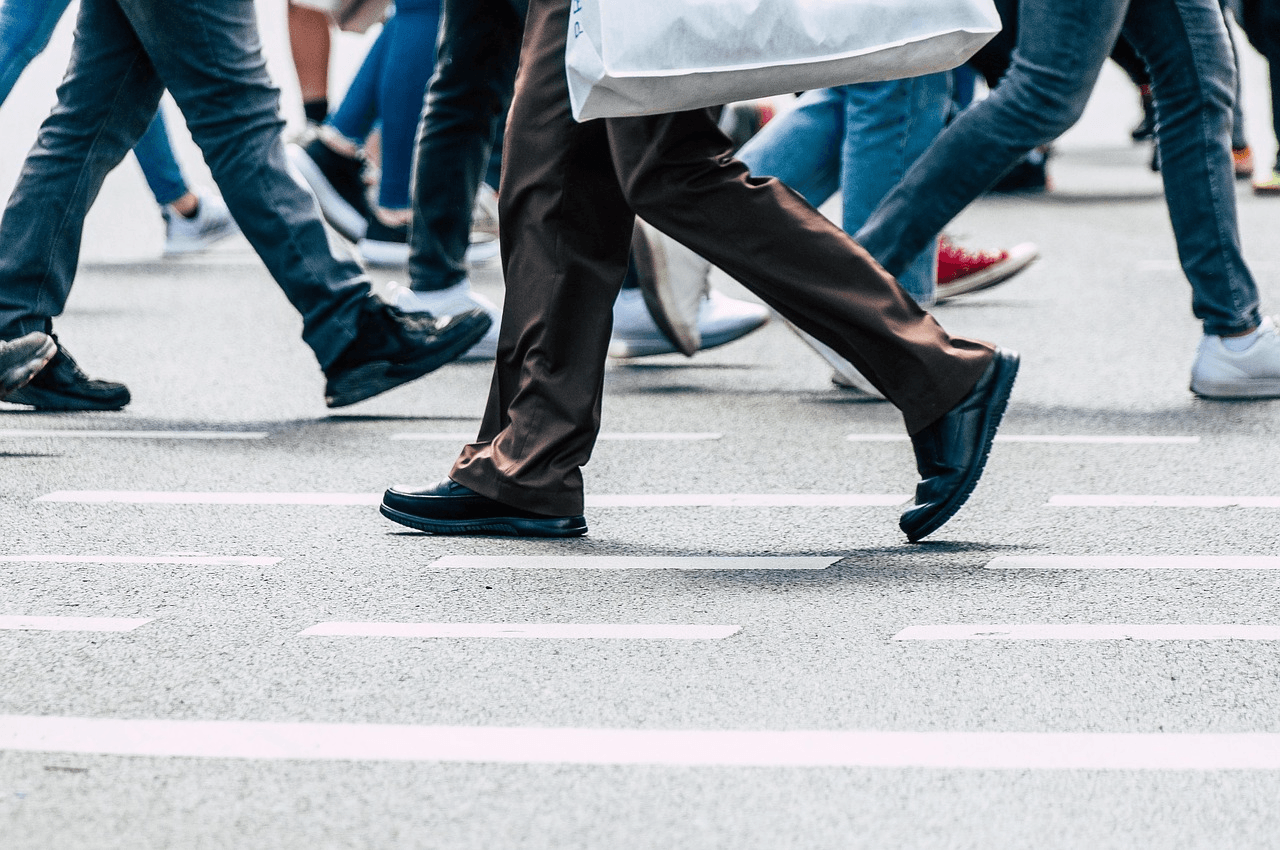
Crosswalks condense vehicles, walkers, and cyclists into a tight box. Drivers watch for gaps in traffic, and in that glance away, they miss a person stepping off the curb.
Mid-block and near-bus-stop crossings are common. Commuters face pedestrian accident risk when sightlines are blocked by parked cars, and a turning driver sees the gap but not the human in it. Extra caution is needed at dawn or dusk when glare and shadows can hide a person stepping out from between vehicles.
Left turns are tricky because drivers scan fast and focus on oncoming cars. Speed plus angle means a small misread can become a serious strike.
Bicycle Crashes On The Shoulder
Dooring happens when a parked driver swings a door into a bike’s path. In dense corridors, a single sudden door can send a rider into live traffic.
Painted bike lanes help only when kept clear. Debris, standing vehicles, and delivery stops force riders to weave into faster lanes.
Commuter bikes often carry bags that shift weight. A pothole or wet metal grate can tip a rider at the exact moment a car is passing.
Rush-Hour Car Collisions
Stop-and-go traffic encourages tailgating. A phone glance or spilled coffee can erase the reaction time you thought you had.
Merging at on-ramps is a classic blind-spot problem. Side mirrors miss small cars, motorcycles, and scooters that sit just outside the cone of vision.
Recent federal data noted that traffic deaths ticked down in 2024, with decreases in pedestrian and speeding-related crashes as well. The trend is welcome, but congestion still concentrates risk during the commute window.
Public Transit Mishaps
Most bus and rail journeys are safe, but trouble often starts at the curb. Crowding near doors, rushing to catch a vehicle, and stepping off before a full stop lead to falls.
Platform edges and stairs are slip zones, particularly with rain or snow on shoes. A missed step can cause injuries without any vehicle impact.
Transfers add confusion. People hurry across lanes to catch connections, and drivers may not anticipate a runner breaking into the street.
Weather And Low-Light Hazards
Dawn and dusk create glare that hides silhouettes. A dark jacket can vanish against a shiny windshield or wet road.
Rain shortens sight distance and stretches braking distance. Oil rises to the surface in the first minutes, turning a mild sprinkle into ice-like slickness.
Winter layers reduce mobility. Bigger hoods restrict peripheral vision, and bulky gloves make it harder to signal on a bike or operate touchscreens accurately.
Distractions And Speeding On The Way In
Phones fragment attention into tiny slices. A quick check of a message steals eyes and working memory at the exact moment a light changes.
Running late tempts people to rush. That extra 5 to 10 mph erases the safety margin around crosswalks, bus stops, and school zones.
A national safety group reported that drivers struck and killed 7,148 pedestrians in 2024, a drop from 2023 but still a staggering total. The morning and evening commute remain high-risk times for those on foot.
High-Risk Spots To Watch
Certain locations generate repeat problems. Think of these as commute red flags you should scan early and often.
- Unsignalized crosswalks near bus stops
- Multi-lane left turns with limited sightlines
- Driveways at strip malls or gas stations
- Construction pinch points that remove shoulders
- Mid-block crossings masked by parked vehicles
Parking garages deserve special attention. Low speeds hide great danger when sightlines are tight, and walkers appear between concrete pillars.
Loading zones change minute by minute. A new truck, an open liftgate, or a reversing van can block views and alter expected paths.
Small Habits That Lower Risk
Make eye contact at conflict points. A nod between driver and walker is a simple social tech that prevents costly misunderstandings.
Adopt a 3-second following gap in traffic. It gives space for sudden stops and cushions the ripple effect of brake lights.
Choose brighter gear for dark hours. A reflective strip on a bag or shoe is a cheap risk reduction that works across modes.
Without a heading, here are the final thoughts to take with you. Commutes are shared spaces where tiny choices ripple outward.
Slow down, scan earlier, and claim visibility. Those small habits turn everyday trips into uneventful ones.


