


healthcare sustainability, resources
Tips for Managing Work Life After Spine Surgery Recovery
14 Jun 2025

Recovering from spine surgery is often a challenging period filled with both physical and emotional adjustments. Once the acute healing phase ends, returning to work introduces another set of decisions and adaptations. This transition calls for a thoughtful balance between protecting your health and meeting professional responsibilities. Understanding what your body can tolerate and how to gradually reintegrate into work can significantly affect your long-term outcome. Managing this phase well requires preparation, awareness, and a strong commitment to ongoing self-care.
Understanding the Basics of Fusion as a Surgical Technique
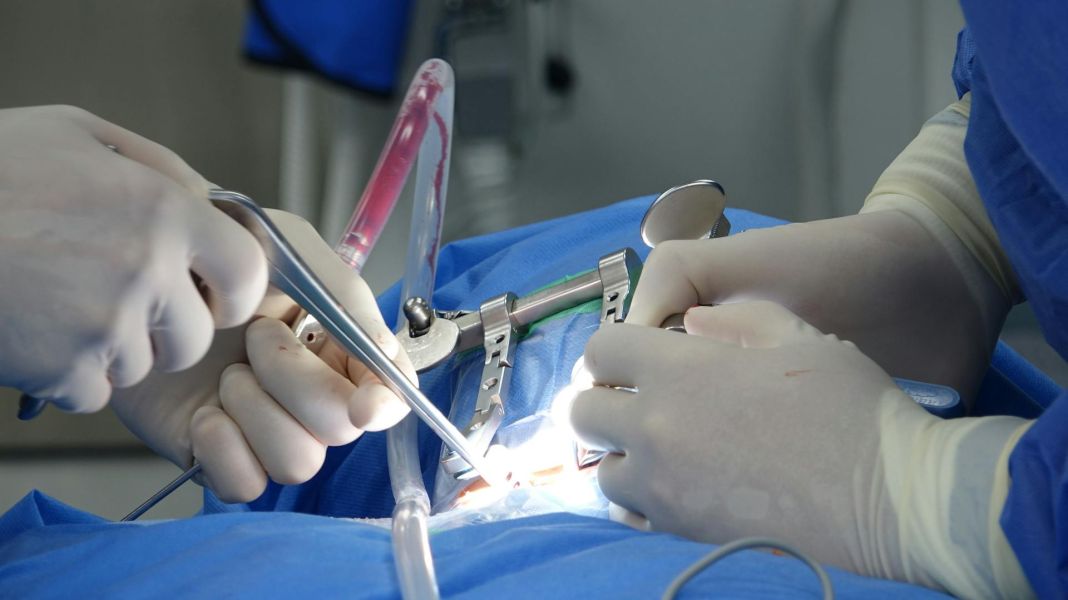
Fusion surgery is a method where two or more vertebrae are joined permanently, removing any motion between them. This technique is used when spinal stability needs reinforcement or when movement between vertebrae causes pain. One of the most common procedures of this kind is spinal fusion surgery, often performed to address issues like degenerative disc disease, scoliosis, or spinal fractures. By immobilizing the affected segments, the surgery aims to alleviate pain and restore alignment. However, recovery can take several months, which means your approach to work may need to change to support your healing spine.
Communicating Openly With Your Employer
Clear communication with your employer can ease the transition back to work and prevent misunderstandings that might impact your recovery. Before returning, discuss your current physical limitations, potential challenges, and any accommodations you might need. This can include modified work hours, temporary reassignment of certain tasks, or ergonomic adjustments to your workspace. Being honest about what you can and cannot do helps set realistic expectations and supports a smoother reintegration into your role.
Maintaining regular communication after you’ve resumed work is just as important. Recovery after spine surgery isn’t always linear, and there may be days when pain, stiffness, or fatigue affect your performance. Letting your supervisor know when you need a break or a minor adjustment allows your workplace to remain flexible. It’s also useful to involve your HR department or occupational health team, especially if formal accommodations or documentation are necessary. Open dialogue builds trust and helps create an environment where your health and professional responsibilities can be balanced.
Creating an Ergonomic Workspace
Once back at work, how you sit, stand, and move throughout the day can influence your healing process. Focus on maintaining neutral spine alignment, whether you’re at a desk or standing for long periods. An ergonomic chair with lumbar support, a desk at elbow height, and a monitor positioned at eye level can all help reduce unnecessary strain. Use a footrest if needed to avoid lower back tension, and alternate between sitting and standing if your job allows it. Minor adjustments in workspace setup can make a noticeable difference in daily comfort.
Building Gradual Activity Into Your Day
Returning to work after spine surgery calls for a measured approach to physical movement. Abrupt changes in activity levels or long hours at a desk can place unnecessary strain on your healing back. One helpful strategy is to break your day into small, manageable segments of activity. Start with short walks around your home or workplace during breaks, and gradually increase the distance over time. This type of pacing can help your body adjust without pushing too hard. If your job involves sitting for long periods, consider using a timer to remind yourself to stand and stretch every 30 to 45 minutes. These brief movements help prevent stiffness and support circulation, both of which are useful during recovery. For more active roles, talk with your doctor or physical therapist about appropriate lifting limits and safe movement patterns before attempting anything strenuous. Recovery from spine surgery is ongoing, and building gradual activity into your day helps support progress without setbacks.
Managing Pain Without Overreliance on Medication

Pain management may continue to be part of your life after surgery, but relying solely on medication can pose risks. Instead, discuss a multifaceted approach with your care provider. This could involve physical therapy, mindful breathing exercises, heat or cold therapy, and postural training. Staying consistent with these practices can help reduce pain naturally and support better function during work hours. Some people find that focusing on stress reduction, such as short mindfulness breaks or breathing techniques, helps them stay centered and avoid tension-related flare-ups.
Knowing When to Pause or Step Back
Listening to your body doesn’t mean giving up—it means protecting your long-term function. If symptoms increase or new ones arise, don’t ignore them for the sake of finishing a deadline. Make adjustments early, whether it’s reducing hours for a few days, taking a rest break, or modifying your tasks. Recovery is not always linear, and minor regressions can happen. What matters most is recognizing those signs and responding quickly. Discuss changes with your supervisor and medical team so that your needs are met without risking reinjury.
Maintaining a Consistent Sleep and Rest Schedule
Sleep is one of the most powerful tools for healing, yet it’s often the first thing compromised when trying to keep up with work. Prioritize a regular sleep routine that supports your spine and nervous system. Use supportive pillows to keep your spine aligned, and avoid stimulants or screen exposure late in the evening. Getting enough rest helps regulate inflammation, promotes tissue repair, and improves your overall focus during the day. Staying rested makes it easier to handle work responsibilities and cope with the ups and downs of recovery.
Leaning on Support Systems and Mental Health Resources
Adjusting to life after surgery often brings emotional challenges alongside the physical ones. It’s common to feel isolated or frustrated, especially if your work identity was tied to being physically active or independent. Reaching out to a counselor, joining a recovery group, or talking with peers can ease those feelings. Your workplace may offer employee assistance programs or other mental health resources that support this aspect of healing. Having someone to talk to can help you feel less alone and remind you that setbacks don’t define your progress.
Balancing work life after spine surgery is a delicate process that asks for patience, self-awareness, and a flexible mindset. Returning to work is not just about resuming tasks; it’s about reshaping your environment, routine, and attitude so they work in your favor. Each step forward, no matter how small, contributes to a stronger and more sustainable path ahead.


