


business resources
Top Google Review Management Platforms for Customer-Focused Businesses
16 Oct 2026

Your star rating is dropping, and you don't know why until it's too late. That's the quiet crisis behind why Google Review Management Platforms have become essential for businesses with more than one location to manage. Keeping up with review volume across multiple Google Business Profiles, responding to negative feedback before it spreads, and staying within Google's review policies and FTC endorsement guidelines is genuinely hard to do manually. After reviewing dozens of tools in this space, the options below stand out for actually solving those problems. This guide breaks down the top five platforms worth your attention.
The research approach for this ranking
Each platform was assessed using publicly available information pulled from official websites, user reviews, case study documentation, and software directories. Only platforms with a real track record in the business software space made it through to the final list. The goal was to surface tools that actually work.
→ See the full research breakdown
- Reviewly AI - Best for Google review management for multi-location businesses
- Reputation - Best for enterprise online reputation management and customer experience
- MagicReview - Best for small to mid-sized business review collection and reputation management
- rayyan - Best for systematic literature reviews and research collaboration
- Repmanager - Best for multi-location businesses and franchises
Why Google Review Management Platforms Matter for Your Business
Picking the right Google Review Management Platform isn't just a software decision. It shapes how customers perceive your business before they ever walk through the door.
Managing reviews across multiple Google Business Profile locations at once is where most teams start to struggle. Missed responses, inconsistent tone, and slow turnaround on negative reviews can quietly chip away at a brand's reputation before anyone notices the damage.
The right platform turns that reactive chaos into a structured workflow. It keeps your average star rating climbing over time, pushes your review response rate up, and cuts the average response time down. Businesses that stay consistent with review management tend to see more net new reviews per month, which directly feeds local search ranking improvement. That kind of compounding effect is genuinely hard to replicate with manual effort alone.
Top 5 Google Review Management Platforms Breakdown and Comparison
Note: All data in this table is sourced from review platforms and the official websites of the listed companies.
| Company Name | Years Operating | Headquartered In |
| Reviewly AI | Est. 2022 | Phoenix, Arizona |
| Reputation | Est. 2006 | San Ramon, California |
| MagicReview | Est. 2020 | Not disclosed |
| rayyan | Est. 2020 | Cambridge, MA |
| Repmanager | Est. 2024 | Netherlands |
Reviewly AI - Best for Google Review Management for Multi-Location Businesses
What Does Reviewly AI Do?
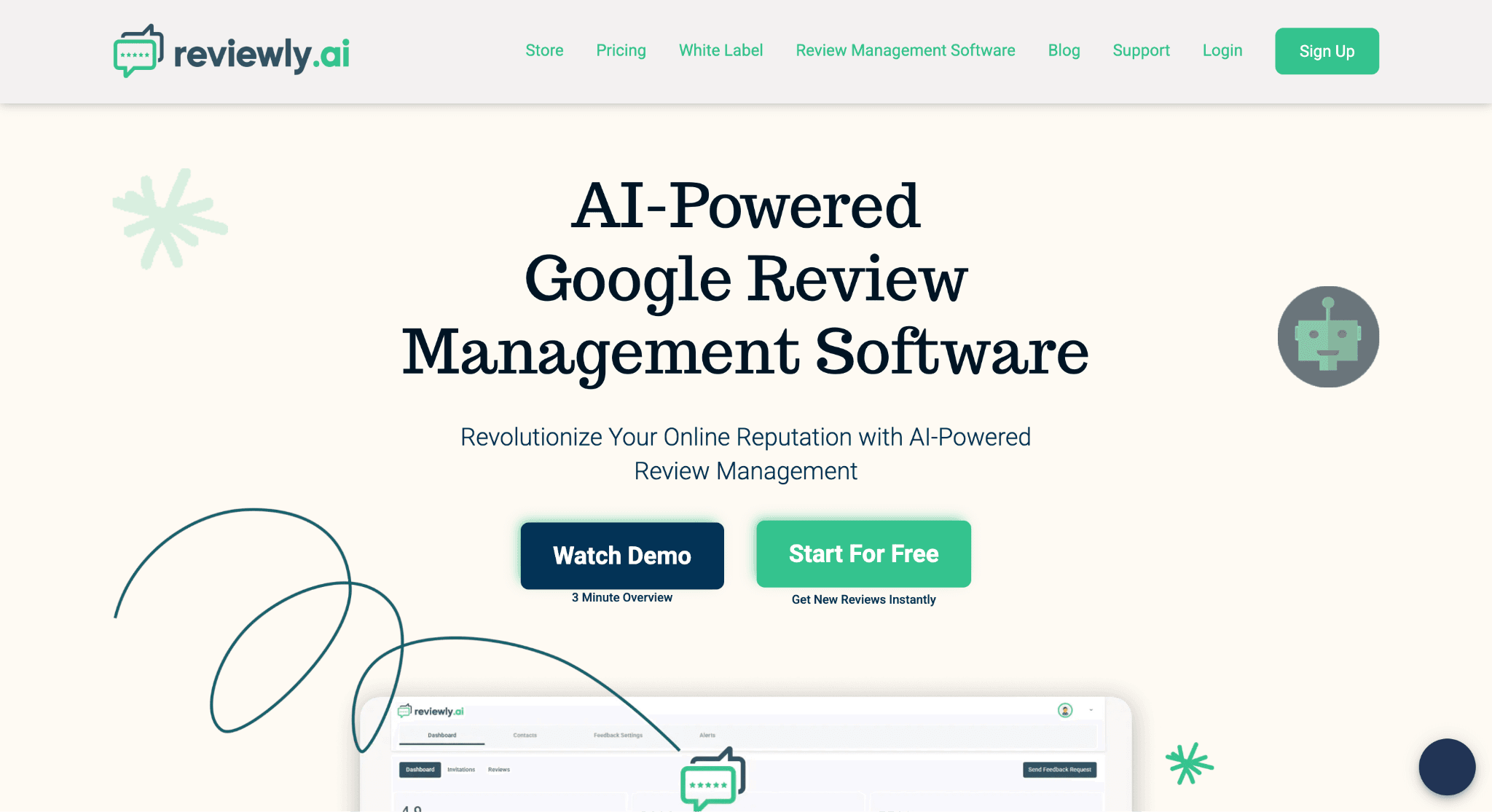
Reviewly AI runs a Google review management platform built to automate how businesses collect and respond to reviews. Their system includes an SMS review generation network that works across 100+ countries, plus AI that detects customer sentiment and generates personalized response drafts. Businesses can capture feedback through QR codes, NFC tags, and physical Review Plates. The platform also includes white-label options and a team performance leaderboard, making it useful for agencies managing multiple client accounts.
Why Does Reviewly AI Stand Out for Google Review Management Platforms?
Multi-location businesses typically struggle to keep review response rates consistent across all their locations. Reviewly AI addresses that directly with automated sentiment detection and AI-drafted responses that scale without losing personalization. Their client roster includes brands like Jersey Mike's and JW Marriott, which shows they can handle high review volume at an enterprise level.
Summary of Real User Reviews:
Reviewly AI doesn't have a large public review footprint yet (they launched in 2022), but the enterprise-level client names they've brought on suggest real-world confidence in the platform. From what the data shows, businesses running multiple locations are drawn to the SMS generation reach and the automated workflow that cuts manual review handling significantly.
Reputation - Best for Enterprise Online Reputation Management and Customer Experience
What Does Reputation Do?
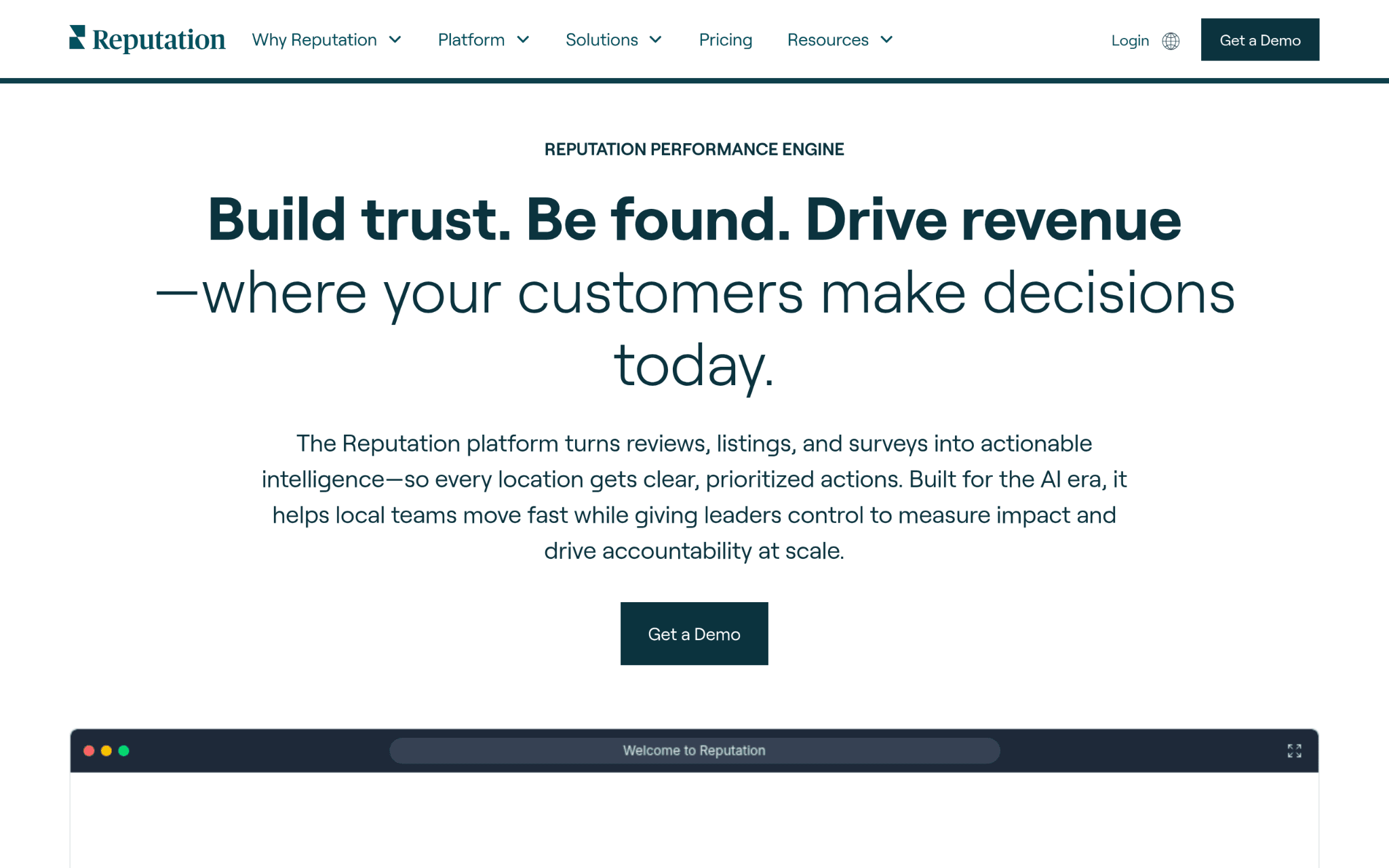
Reputation is a B2B SaaS platform covering online reputation management, customer experience tracking, and sentiment analysis across reviews, social media, and surveys. They've been around since 2006 and work with over 750 enterprise customers across 77 industries (think Banner Health, BMW, Ford, and General Motors). Their platform lets teams monitor, respond, and collaborate on operational changes based on what customer feedback is surfacing. The breadth here is hard to match if you're managing reputation at a large enterprise scale.
Why Does Reputation Stand Out for Google Review Management Platforms?
Enterprises dealing with reputation management across dozens of locations need more than a simple dashboard. Reputation's multi-channel coverage, with reviews, social, and surveys all in one place, means teams aren't jumping between tools to get a full picture. Their documented results, including case studies showing 200 to 510% improvements in performance metrics, back up what the platform claims to deliver.
Summary of Real User Reviews:
Reputation has earned the #1 spot in 26 G2 reports and collected over 500 Leader Badges since 2018, which points to sustained user satisfaction rather than a one-time spike. Users consistently point to the depth of reporting and the ability to connect reputation data with operational workflows as standout strengths. From what the reviews show, it's a platform that works best when a business is ready to actually act on the data it surfaces.
MagicReview - Best for Small to Mid-Sized Business Review Collection and Reputation Management
What Does MagicReview Do?
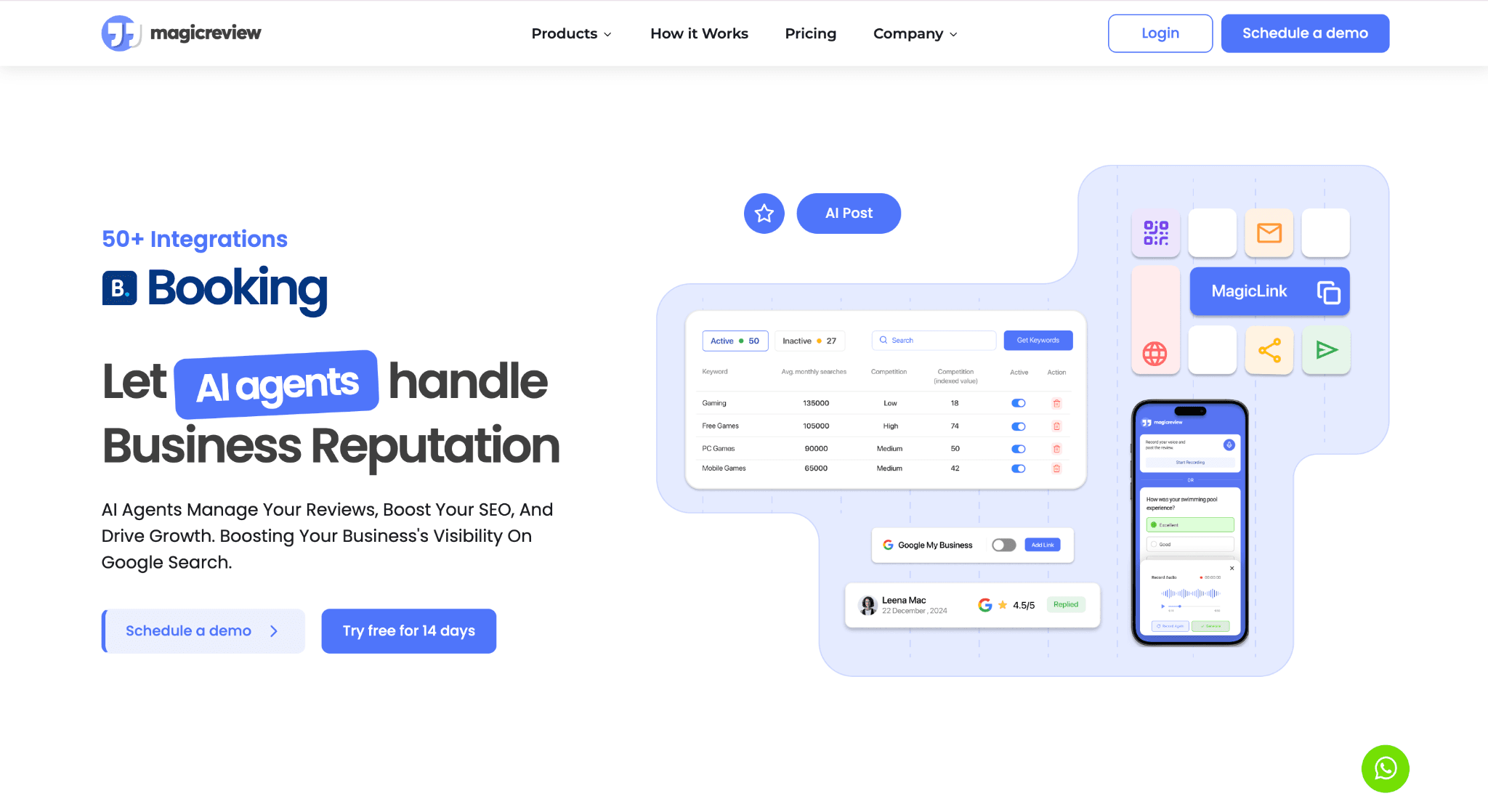
MagicReview is an AI-driven review collection platform that uses QR codes to pull customer feedback after an interaction. When a customer leaves a positive rating, the platform generates an SEO-friendly review suggestion to make it easy for them to post. When a rating is low, the system routes that feedback privately to the business owner instead of pushing it to a public platform. Founded by Saurabh R Patil and Abdul Nihaf, they currently serve 30+ businesses and are still building their footprint.
Why Does MagicReview Stand Out for Google Review Management Platforms?
The review request-to-review submission conversion rate is typically where smaller businesses lose the most ground. MagicReview's rating-based routing system addresses that by making it simple for happy customers to post while giving owners a chance to handle dissatisfied ones privately. That kind of filtering is particularly useful for small businesses where one or two negative public reviews can have an outsized impact on their star rating.
Summary of Real User Reviews:
Public review data on MagicReview is limited at this stage (not surprising for a newer platform serving 30+ businesses). From what's available, early users appreciate the simplicity of the QR code setup and how little friction it creates for customers who want to leave a review. The private feedback loop for lower ratings appeals to business owners who want more control over what hits their public profile.
rayyan - Best for Systematic Literature Reviews and Research Collaboration
What Does rayyan Do?
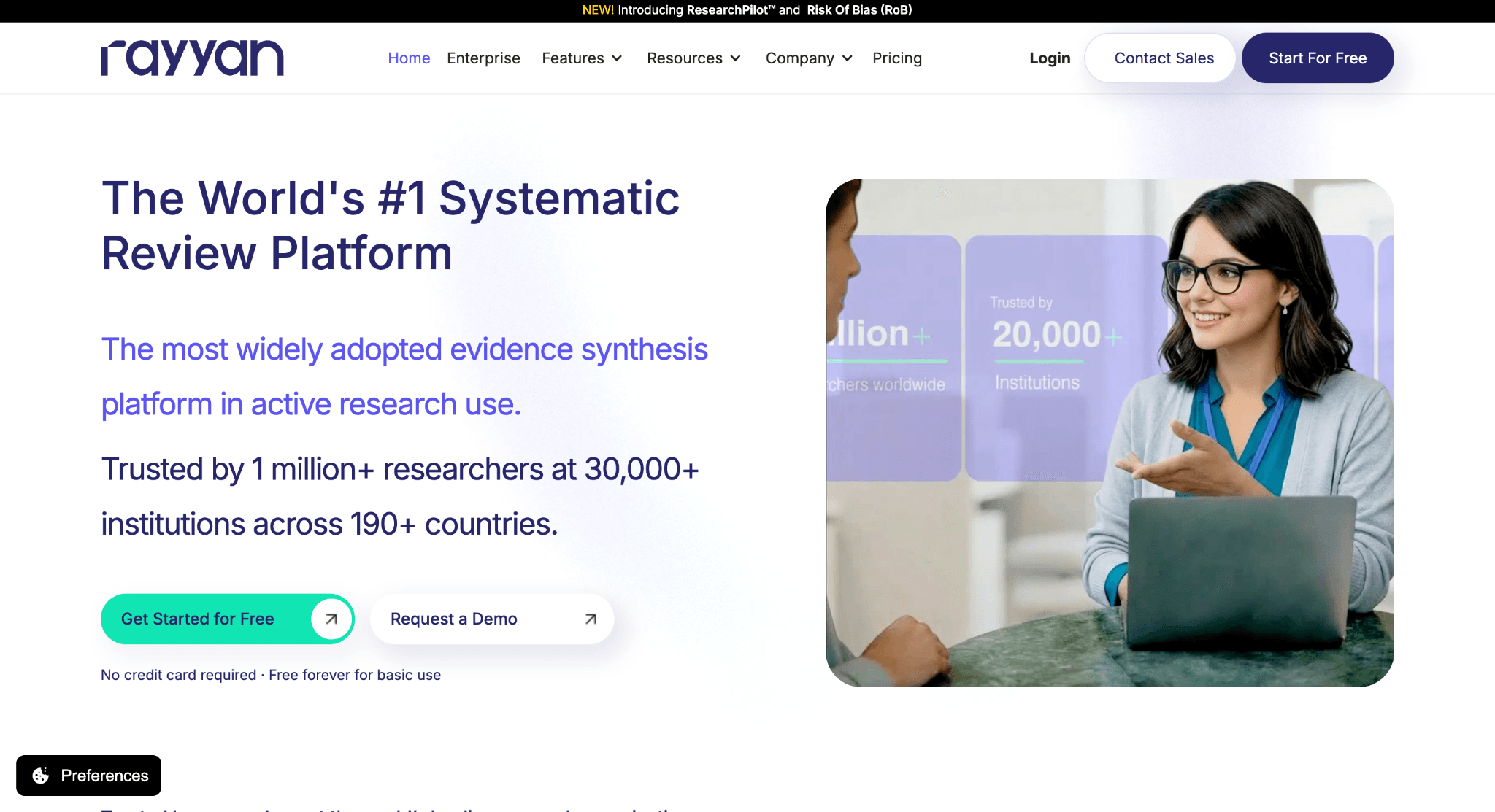
Rayyan is a research collaboration platform built for systematic literature reviews. It uses natural language processing, AI, and machine learning to screen and sort research articles at scale, cutting the screening process by up to 90% compared to doing it manually. More than 300,000 researchers across 180 countries use the platform, and they've collectively reviewed over 700 million research articles through it. It's a freemium SaaS model, meaning the basic features are accessible without paying, with paid plans available for heavier use.
Why Does Rayyan Stand Out for Google Review Management Platforms?
Rayyan solves a specific and time-heavy problem for researchers: getting through large volumes of literature without drowning in manual screening work. That 90% reduction in screening time isn't a marketing claim; it's backed by actual usage from hundreds of thousands of researchers globally.
Summary of Real User Reviews:
Rayyan is frequently cited in academic literature and recommended by institutions including the Cochrane Airways group, which gives it credibility that goes beyond typical software reviews. Users consistently describe the platform as intuitive enough to pick up without any training, which is rare for research software. From what the reviews show, people value that it adapts to how they already work rather than forcing them into a rigid process.
Repmanager - Best for Multi-Location Businesses and Franchises
What Does Repmanager Do?
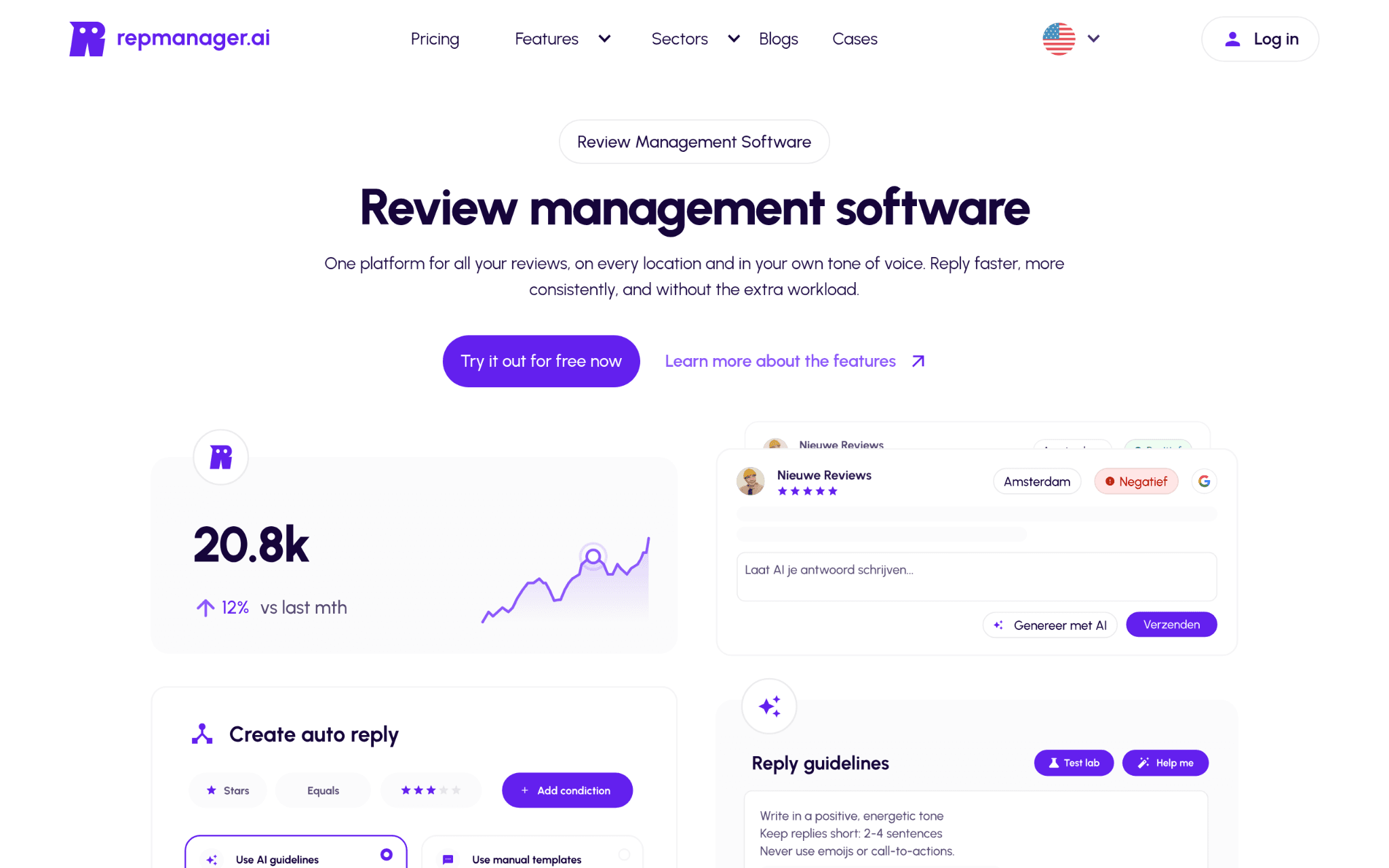
Repmanager is a Google review management tool launched in 2024 out of the Netherlands. It pulls reviews from multiple locations into a single dashboard, flags sentiment trends, and suggests AI-drafted responses that teams can edit before posting. The platform also lets users train their own AI model, so the response style stays consistent with their brand voice over time. Pricing starts at $10 per month with no long-term contract required, which keeps the barrier to entry low for smaller operations.
Why Does Repmanager Stand Out for Google Review Management Platforms?
Franchise operators and multi-location retail businesses often get stuck managing reviews location by location, which is both slow and inconsistent. Repmanager's single dashboard cuts through that by consolidating everything in one place. The ability to train a custom AI model means the responses don't sound generic over time, which matters when review response rate and response tone directly influence how potential customers perceive a brand.
Summary of Real User Reviews:
Beta access users rated Repmanager 4.8 out of 5 stars, which is a strong opening signal for a platform that launched in 2024. Not many tools hit that number right out of the gate. From what the early feedback shows, users are drawn to the clean dashboard and how quickly the AI response suggestions adapt to their preferred tone. It's still early, but the initial reaction is genuinely positive.
Research Methodology and Selection Process
Putting this list together required more than a quick search. The process started with building a broad pool of candidates from multiple sources, then narrowing that pool down using structured criteria tied to real-world performance.
Initial Data Collection
The starting point was a wide pull from software directories, review aggregator platforms, and case study repositories. Company websites, product documentation, and publicly available user feedback were all factored in. The goal at this stage was to identify which platforms were genuinely active in the Google review management space rather than just listing it as a side feature.
Shortlisting Phase
Once the initial list was assembled, options with thin or unverifiable track records were filtered out. Review patterns were analyzed across multiple platforms to see whether user satisfaction was consistent or isolated to a few favorable mentions. Platforms with a pattern of positive feedback across different business types carried more weight than those with a single strong review source.
Verification of Claims
Every platform's stated capabilities were cross-checked against what real users described in public reviews and case study documentation. When a company claimed outcomes like faster response times or higher review volume, the research looked for third-party confirmation of those results before accepting them at face value. Mismatches between marketing language and actual user experience were flagged and factored into the final assessment.
Authority and Industry Contribution Layer
Platforms that had earned recognition from credible third-party sources were given additional consideration. This included awards from recognized software rating organizations, mentions in industry publications, and inclusion in analyst reports from research firms. Companies that had contributed original thinking to the reputation management space, whether through published research, feature development, or documented methodology, were also noted here.
Google Review Management Platforms-Specific Evidence
The final layer focused on evidence tied to Google review management. This meant looking for dedicated product pages covering Google Business Profile integration, verified reviews from businesses managing multiple locations, and case studies that showed measurable outcomes in review volume growth, local search ranking improvement, or review response rate. Platforms without clear evidence of real application in this context did not make the final cut.
How to Choose the Right Google Review Management Platforms
Not every platform fits every business, and picking the wrong one usually shows up as wasted budget and ignored reviews. Here's what to weigh before committing:
- Industry/Domain Experience: Look for platforms with documented results in your specific business type. A franchise operation has different needs than a single-location service business.
- Features and Service: Check whether the platform covers the full workflow you need: review collection, sentiment analysis, response drafting, and multi-location management in one place, or whether you'll need to patch multiple tools together.
- Pricing Structure: Month-to-month flexibility matters, especially for smaller businesses. Some platforms (like Repmanager at $10/month) keep costs predictable, while enterprise options from companies like Reputation are built for larger budgets.
- Results Measurement: The platform should give you clear visibility into metrics like net new reviews per month, review request-to-review submission conversion rate, and average star rating over time.
- Industry Knowledge and Compliance: Any platform you use must align with Google's review policies and FTC endorsement guidelines. Staying compliant while actively soliciting reviews is non-negotiable.
Bottom Line
Google Review Management Platforms vary widely in scale, focus, and price. Reviewly AI works well for multi-location businesses that need automated review collection and AI-driven responses at scale. Reputation suits enterprise teams managing reputation across dozens of channels. MagicReview and Repmanager both offer accessible entry points for smaller operations. The businesses that will benefit most are the ones that match the platform's strengths to their actual review volume and location count, not just their budget.


