


resources-malaysia
Understanding Tariffs in Malaysia: Impact on Trade and Economy
Industry Expert & Contributor
22 Oct 2025

Let's talk about tariffs in Malaysia. It's a topic that's been a hot topic of conversation, especially with the new rules that came into play around August 2025. In essence, these are taxes placed on goods coming into or going out of the country. For Malaysian businesses, particularly those exporting their products, this can be a real game-changer. We’re talking about rising costs, supply chains hitting a few bumps, and even profits taking a knock. And it's not just the big players; even our smaller local businesses are feeling the pressure. So, let’s unpack what these tariffs really mean for Malaysia's trade and economy, and what businesses can do to navigate these changes.
Key Takeaways
- The new reciprocal tariffs, which took effect in August 2025, have certainly shifted the trade dynamics for Malaysia, with a significant 19% ad valorem rate now on most goods exported to the US.
- Malaysian exporters are now grappling with higher costs and finding it tougher to compete, which could lead to a slowdown in sales and disruptions to orders—especially for key sectors like furniture and rubber products.
- Our small and medium-sized enterprises (SMEs) are finding themselves in a particularly tight spot, facing everything from declining revenues and supply chain headaches to the tough decision of whether to absorb these new costs.
- Businesses can adapt by looking into renegotiating contracts, exploring new markets beyond the usual, and using technology to stay compliant, while government support and ongoing trade talks also play a crucial part.
- What happens next with these tariffs really depends on political winds and continuing negotiations, but there's a silver lining: this could be the push needed for market diversification and using technology to become more efficient.
Understanding Tariffs in Malaysia
What Are Malaysia Tariffs?
In simple terms, tariffs are taxes placed on imported goods. You can think of them as an entry fee that a country charges when products cross its borders. These duties typically need to be paid before the goods can be sold or used locally. The reasons for putting tariffs in place vary—they can be to protect our domestic industries from foreign competition, to generate revenue for the government, or to serve as a bargaining chip in trade negotiations. Malaysia, with its strong export-driven economy, has generally kept most of its tariff rates quite low to remain competitive on the world stage. However, recent developments, especially those affecting our trade with the United States, have changed the landscape for many local industries.
The current tariff situation involves reciprocal duties that can significantly bump up the cost of goods for both importers and exporters. For example, US tariffs on Malaysian goods have been adjusted. While some vital sectors like semiconductors and pharmaceuticals currently have exemptions, these are always subject to review. This means businesses have to be on their toes, staying informed about which products are affected and how.
How Tariffs Are Calculated and Applied
Figuring out how these taxes are calculated is crucial for any business involved in international trade. It helps with planning and makes sure there are no surprise costs when your products arrive. Tariffs can be worked out in a couple of main ways:
- Ad Valorem Tariffs: This is the most common method you'll see. It's simply a percentage of the imported product's value. So, if a product is worth $100 and the tariff is 10%, the duty would be $10. Most tariffs applied to Malaysian goods heading to the US fall into this category.
- Specific Tariffs: This is a fixed fee charged per unit of an imported good—for instance, $5 per kilogram or $100 per vehicle. While it's less common for Malaysia-US trade at the moment, it's another way duties can be applied.
These rates are typically set based on the product's country of origin, its classification (using frameworks like the Harmonized System or HS codes), and any specific trade agreements in place. All the details are usually published in official government records, like the Federal Register in the US, under the relevant trade laws. Keeping a close watch on these classifications and rates is absolutely key for accurate costing and ensuring customs compliance.
The way tariffs are calculated and applied isn't set in stone. They can change due to new trade deals, political shifts, or even reviews of national security concerns. Businesses must be ready to adapt to these adjustments.
Key Changes for Malaysia in 2025
As we look towards 2025, several shifts are expected to influence Malaysia's tariff environment. These changes are largely driven by evolving global trade dynamics and policy fine-tuning.
- Reciprocal Tariff Adjustments: We can expect ongoing negotiations and potential tweaks to existing tariff rates between Malaysia and its key trading partners. This could mean some duties might increase, while others could be lowered.
- Sector-Specific Reviews: Certain industries, especially those with temporary exemptions, will likely be under closer watch. The outcomes of these reviews could lead to new tariffs being introduced or existing ones being scrapped.
- A Sharper Focus on Trade Balance: Future policies may increasingly aim to tackle trade deficits. This could lead to more targeted tariffs on specific product categories or countries to help rebalance the flow of trade.
These evolving conditions mean that businesses need to be incredibly agile. Staying updated on policy announcements and understanding how these changes might impact your specific products and markets is more critical than ever. Diversifying into new markets and exploring other trade agreements can also offer a much-needed buffer against these shifts.
Impact on Malaysian Exporters
Increased Cost Pressures and Reduced Competitiveness
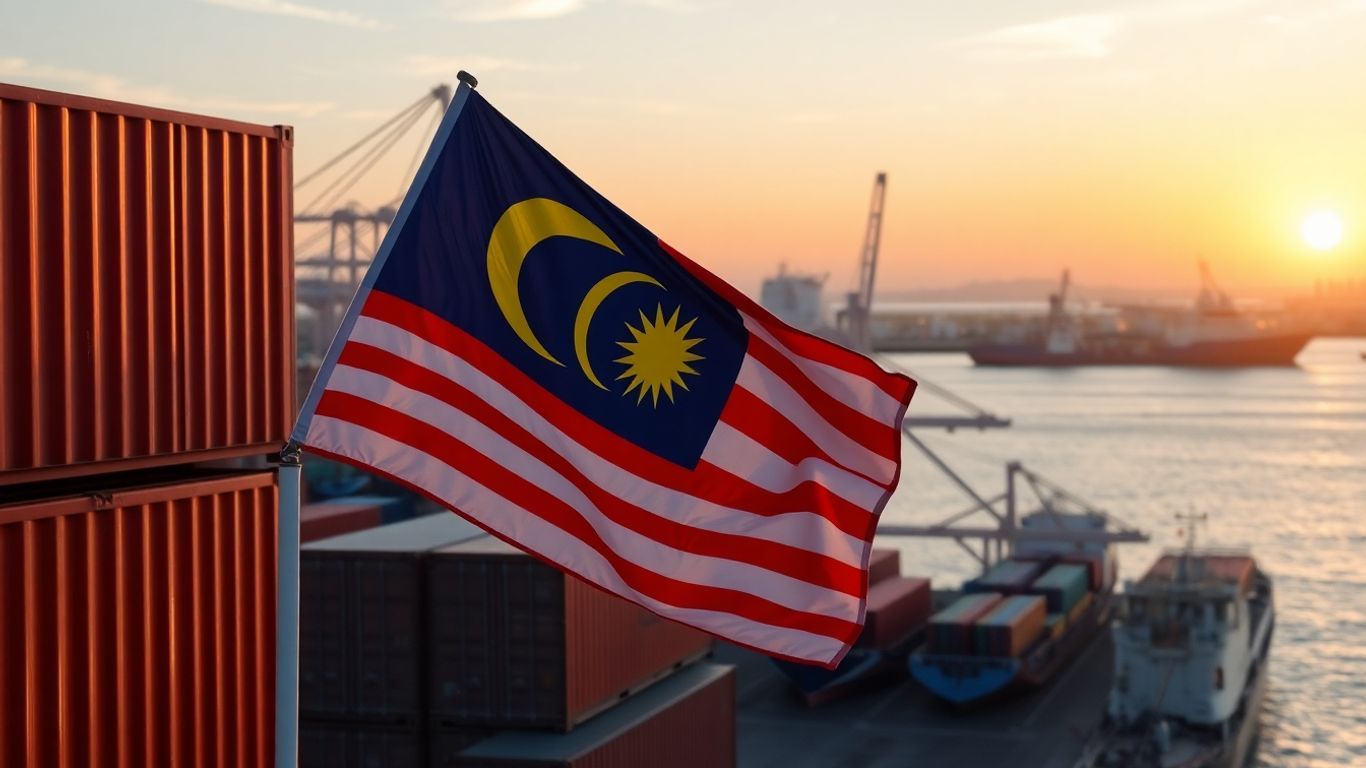
So, these new tariffs are really making things tricky for Malaysian companies that sell their products to the US. At its core, it means their goods become more expensive for American buyers. Just imagine: if you're selling beautifully crafted furniture, and suddenly the price has to jump because of a new tax, potential customers might just start looking for a cheaper alternative, right? This added cost can seriously dent a company's ability to compete with businesses from countries that aren't facing these tariffs. It's like trying to win a race with extra weights on your ankles. Companies are feeling the squeeze—and are often left to decide whether to absorb the cost themselves, which cuts into their profits, or pass it on and risk losing customers.
Here’s a quick breakdown of how it's playing out:
- Higher Prices: It now costs more for Malaysian goods to enter the US market.
- Lost Deals: Some buyers might cancel their orders or simply source from cheaper alternatives.
- Profit Squeeze: Companies face the tough choice between absorbing the costs or potentially losing sales by increasing prices.
The ripple effect of these tariffs is significant. Even if a company produces top-quality products, the added expense can make them less appealing compared to similar items from other nations. It's a challenging position to be in.
Export Slowdown and Order Disruptions
It's a basic economic principle: when prices go up, demand tends to go down. For our local exporters, this often translates into fewer orders. Some international buyers might put their orders on hold, hoping the tariff situation will change, while others may just cancel them outright. This isn't just about losing one sale; it can throw production schedules into disarray, lead to inventory pile-ups, and generally make business planning a nightmare. Imagine you've geared up production for a large order, and then—poof—it's suddenly reduced or cancelled. That's a huge waste of resources and a major headache.
Challenges for Small and Medium Enterprises (SMEs)
Now, for the smaller players in the game—our Small and Medium Enterprises (SMEs)—this situation can be even more daunting. Many Malaysian SMEs rely heavily on exports but often lack the deep pockets or the negotiating leverage of larger corporations. They might not be able to absorb the extra costs as easily, and the task of finding entirely new markets can be monumental. It's not just about finding new customers; it involves understanding different rules, regulations, and logistics for each new country. This uncertainty can also make them hesitant to invest in new equipment or hire more staff, which ultimately slows down their growth and, by extension, the growth of the Malaysian economy.
Sector-Specific Tariff Effects
Different industries across Malaysia are feeling the impact of these new tariffs in their own unique ways. It's certainly not a one-size-fits-all scenario, and some sectors are definitely feeling the heat more than others.
Electronics and Semiconductor Sector Vulnerabilities
This is a big one for Malaysia's economy. A significant portion of our exports to the US comes from the electronics sector, particularly semiconductors. While these products have enjoyed some temporary exemptions, there's a persistent worry that those could be revoked. The uncertainty alone makes long-term planning incredibly difficult for businesses in this field. Should tariffs be fully applied, it could drastically alter the cost of components and finished goods, making Malaysian products less competitive compared to those from countries not burdened by these extra taxes. It’s a delicate balancing act, and any change could send ripples through the entire supply chain.
Furniture and Rubber Product Industry Exposure
For industries like furniture and rubber products, the impact has been more direct and immediate. These sectors don't have the same kind of exemptions that electronics do, so they're facing the full force of the tariffs. This translates to higher costs for buyers in the US, which can naturally lead to fewer orders. Businesses here are often caught in a tough bind: either they absorb the cost themselves, which eats into their profit margins, or they pass it on to customers, which risks losing business to competitors. It's a difficult choice, and many are now scrambling to find ways to cut costs or pivot to new markets.
Palm Oil and Potential Zero-Tariff Opportunities
Now, palm oil presents a slightly different story. There's a concerted push for Malaysia to secure zero-tariff arrangements for its palm oil exports to the US. If successful, this could be a major win. It would make Malaysian palm oil highly competitive and could help balance out some of the losses seen in other sectors. It’s a perfect example of how targeted trade agreements can create bright spots, even when the overall trade climate looks stormy. Securing these kinds of deals is vital for keeping key industries like this one robust and thriving.
The complexity of global trade means that tariffs rarely affect all industries in the same way. Some sectors—due to their product type, existing trade relationships, or specific exemptions—will feel the effects more keenly than others. This calls for a tailored approach to understanding and softening the impact.
Navigating the Tariff Landscape
So, there's no doubt these new tariffs are shaking things up for businesses involved in Malaysian trade, especially those exporting to the US. It's not just about the extra cost; it's about figuring out how to keep operations running smoothly when the goalposts seem to keep moving. The key here is to be proactive and strategic in how you manage your shipments and your overall business operations.
Strategies for Businesses to Mitigate Impact
Dealing with tariffs effectively means you have to get a bit creative. It’s not always a straight path, but there are certainly ways to lessen the sting. Think of it this way: if your usual road is suddenly blocked, you find an alternative route, don't you? The same principle applies here.
- Start a Conversation: Don't hesitate to talk to your buyers. Sometimes, you can find a middle ground by splitting the tariff cost, or perhaps they're willing to absorb a portion of it. It's all about finding a solution that works for everyone.
- Embrace Technology: There are some fantastic tools available now that can automatically calculate duties and taxes. Using these can save you a mountain of headaches and help you avoid expensive errors.
- Diversify Your Markets: Relying too heavily on a single market is always a bit risky. Why not look for opportunities in other countries where tariffs might be lower or even non-existent? This helps spread your risk.
- Know Your Product Inside-Out: Sometimes, a small change in how you classify a product or a deeper understanding of specific exemptions can mean you avoid certain duties altogether. It really pays to dig into the details.
- Keep Meticulous Records: Seriously, document everything. Every shipment, every HS code, every date. This makes it infinitely easier to sort things out if any questions or issues arise down the line.
The goal here isn't just to survive these tariffs, but to find ways to operate more efficiently and smartly because of them. It's an opportunity to take a hard look at your business processes, trim the fat, and become more agile.
Government Support and Trade Negotiations
It’s not all on the shoulders of businesses, of course. The government plays a pivotal role in helping companies navigate these trade shifts. They are the ones at the negotiating table with other countries and are responsible for setting up support programmes.
- Trade Missions: The government often organises trips to explore new markets. Participating in these can be a great way to find new customers and reduce your dependence on the US market.
- Help for SMEs: Smaller businesses often get hit the hardest. Keep an eye out for any government aid packages or support programmes designed to help offset some of these new tariff-related costs.
- Ongoing Negotiations: Stay informed about trade talks. Sometimes, specific industries can secure exemptions or more favourable terms through these negotiations. It's like getting a special pass for your goods.
Leveraging Technology for Compliance and Efficiency
In this whole tariff situation, technology is your best friend. It can take complex processes and make them much, much simpler.
- Automated Duty Calculators: As mentioned, these are absolute lifesavers. They remove the guesswork from calculating what you owe, ensuring accuracy.
- Tracking and Compliance Software: Tools that help you manage your shipping documents and ensure you're meeting all customs requirements can prevent costly delays and fines.
- Supply Chain Visibility Platforms: Knowing exactly where your goods are at all times and understanding potential bottlenecks helps you manage expectations and adjust your plans on the fly. This is especially useful when lead times might be getting longer.
Supply Chain and Logistics Adjustments
The new tariff landscape in Malaysia, especially with recent changes impacting trade with the US, means businesses must rethink the entire journey of their goods from the factory floor to the customer's hands. It's no longer just about the price of the products; it's about the entire logistical chain.
Impact on Shipping and Maritime Operations
Malaysian ports are bustling hubs, and these tariffs can cause some serious congestion. When goods arrive, they might get held up for longer in customs queues or face additional inspections. This isn't just a minor inconvenience—it can delay entire shipments. This, in turn, means longer waits for everyone along the supply chain, from the next manufacturer in line to the final consumer. Shipping carriers might also have to alter their routes or schedules to adapt to these new border realities, leading to less predictable transit times. It's a ripple effect that touches every part of the shipping process.
Addressing Longer Lead Times and Documentation
With increased scrutiny and the potential for customs delays, lead times are inevitably getting longer. A shipment that used to take a week might now take two or even three. This isn't just about patience; it means businesses need to plan much further in advance. On top of that, the paperwork is becoming more demanding. Companies need to be extra diligent with their documentation—things like bills of lading, certificates of origin, and commercial invoices must be perfectly accurate to avoid penalties or further hold-ups. A small mistake here can prove to be very costly.
Here’s a quick glance at what’s changing:
- Increased Customs Checks: More thorough inspections mean more time spent at the border.
- Stricter Documentation Requirements: Accurate and complete paperwork is now more critical than ever.
- Extended Transit Times: Goods are taking longer to clear customs and reach their final destinations.
- Potential for Penalties: Errors in documentation can lead to hefty fines or even seizure of goods.
The complexity of international trade is a given, but tariffs add another challenging layer. Businesses that are well-prepared with meticulous record-keeping and a clear grasp of customs procedures will undoubtedly navigate this better.
Adapting to Freight Rate Fluctuations
When shipping routes are disrupted or demand patterns shift because of tariffs, freight rates can swing dramatically. Carriers have to adjust their pricing based on new operational costs, the availability of containers, and the overall flow of trade. This makes budgeting for shipping expenses a real challenge. Companies might find themselves paying significantly more for the same service than they did just a few months prior. It’s a constant game of trying to forecast and manage these volatile costs.
The Future of Tariffs in Malaysia
So, what’s on the horizon for tariffs in Malaysia? To be honest, it's a bit of a moving target. A great deal depends on political developments, both here at home and with our major trading partners, particularly the US. Negotiations are a constant feature of international trade, and global economic patterns can shift surprisingly quickly. The staying power of the current tariff structures really hinges on these complex, interconnected factors.
Potential Scenarios and Policy Outlook
We could see a few different scenarios unfold. The current tariffs might be replaced with something like quotas, which set limits on the quantity of goods that can be imported. Alternatively, certain products might gain new exemptions, perhaps driven by national security reviews—a justification we seem to be hearing more often these days. Another possibility is increased cross-border investment aimed at strengthening relationships, which could help smooth over trade frictions. It's all about finding a new equilibrium.
The trade landscape is in a constant state of flux. To adapt their strategies effectively, businesses need to stay agile and keep themselves informed about potential shifts in policy and international relations.
Opportunities for Market Diversification
While tariffs can certainly be a headache, they also serve as a powerful nudge for businesses to look beyond their traditional markets. In the long run, this could be a very good thing. Think about exploring new opportunities within the ASEAN region, or perhaps looking towards emerging markets in the Middle East or Africa. Spreading your customer base makes your business less vulnerable if one market suddenly becomes more expensive to trade with. It’s about not putting all your eggs in one basket, as the saying goes.
The Role of International Trade Agreements
This is where international trade agreements become incredibly important. They can provide clear pathways to reduce or even eliminate tariffs. Malaysia has been quite active in pursuing these kinds of arrangements. For instance, there are ongoing discussions about potential zero-tariff opportunities for key products like palm oil. These agreements can be a real game-changer for specific industries and help cushion the blow from broader tariff changes. Keeping an eye on these negotiations is key. Malaysia's economy has shown remarkable resilience, with GDP growth hitting 5.2% in the third quarter, partly thanks to strong domestic demand which has acted as a buffer against global trade uncertainties.
Here are some practical steps businesses might consider:
- Renegotiate contracts: Have an open conversation with your buyers about sharing the tariff costs. It might not always work, but it's certainly worth a try.
- Diversify your markets: Don't rely too heavily on one country. Actively look for new places to sell your goods and build relationships.
- Use technology: Modern tools can help calculate duties, track shipments, and ensure you remain compliant with customs rules. This can save a lot of stress and potential fines.
Wrapping Up: What's Next for Malaysian Trade?
So, we've taken a look at how these new tariffs are reshaping the landscape for Malaysia's trade, especially with a key partner like the US. It's clear that the ground is shifting, and businesses—from large corporations to our vital SMEs—need to be alert. The added costs and potential for delays mean it's more important than ever to be strategic about trade. Exploring new markets, using the right technology to manage logistics and customs, and keeping a close watch on government updates are all crucial steps. While it might seem a bit daunting right now, adapting and staying informed will be the best way for Malaysian businesses to maintain their competitive edge and continue to thrive in this ever-evolving global marketplace.
Frequently Asked Questions
What exactly are tariffs in Malaysia?
Think of tariffs as a kind of tax that Malaysia places on goods coming into the country from abroad. This tax is usually calculated as a percentage of the item's value and has to be paid before the goods can be sold or used here. Often, these tariffs are used to make imported products a bit more expensive, which in turn makes locally-made Malaysian products more appealing to consumers, giving our local businesses a boost.
How are these tariffs calculated for Malaysian goods going to the US?
For goods travelling from Malaysia to the US, the tariffs are mostly calculated using the 'ad valorem' method. This just means the tax is a specific percentage of the product's total value. The exact percentage can vary depending on what the product is and its country of origin. The US government officially publishes these rates in its trade documents.
Which Malaysian industries are most affected by the new US tariffs?
Some of our industries are definitely feeling the impact more than others. Sectors like furniture and rubber products, for instance, are quite exposed to these tariff changes. While the electronics and semiconductor industries have had some temporary relief, there's no guarantee these exemptions will last. On the other hand, for a major export like palm oil, Malaysia is actively working towards a zero-tariff deal, which would be fantastic news for that sector.
How do these tariffs impact small businesses in Malaysia?
For our small and medium-sized businesses, these tariffs can be a major challenge. They might be forced to increase their prices, which could lead to fewer sales. The alternative is to absorb the extra tax themselves, which directly eats into their profits. It can also complicate relationships with larger partners in the US who are looking to avoid these extra costs, sometimes pushing our local businesses to find new customers elsewhere.
What can Malaysian businesses do to deal with these tariffs?
Businesses have a few smart moves they can make. They can try negotiating with their buyers to see if they can share the tariff cost. Using modern software that automatically calculates taxes and manages shipping documents can also be a huge help. It’s also a very good idea to look for customers in other countries besides the US to avoid being too reliant on one market. And, of course, keeping precise records of all shipments is absolutely essential.
Are these tariffs going to be around for a long time?
That’s the big question, and it's hard to say for certain. The future of these tariffs really depends on political developments, especially in the US, and on new agreements that might be negotiated between our countries. There's a chance the tariffs could be adjusted, replaced with other measures like import quotas, or even removed entirely if new deals are made. In the meantime, Malaysia is also strengthening its trade ties with other countries in Southeast Asia and beyond.


