


resources-malaysia
Unveiling Malaysia's UNESCO Sites: A Journey Through History and Culture
Industry Expert & Contributor
28 Oct 2025

Malaysia is brimming with incredible destinations recognised by UNESCO, each one a testament to the country's breathtaking nature and profound history. From the peaks of majestic mountains and the depths of ancient caves to historic cities steeped in stories, there is so much to uncover. This journey through Malaysia's UNESCO sites is the perfect way to connect with its rich culture and stunning natural beauty. Let's get ready to explore some truly special locations.
Key Takeaways
- Malaysia proudly features several UNESCO World Heritage Sites that beautifully capture its natural splendour and rich cultural heritage.
- You can discover incredibly diverse ecosystems in Kinabalu Park and venture into the vast, mysterious caves of Gunung Mulu National Park.
- Take a walk through history in Melaka and George Town, two cities that serve as a living showcase of Eastern and Western influences.
- Unearth humanity's ancient past at Lenggong Valley and get a glimpse into early life at the Niah Caves.
- Planning a trip to these UNESCO sites in Malaysia offers a truly unique window into the nation’s soul—its heritage and environment.
Discovering Malaysia's Natural UNESCO Treasures
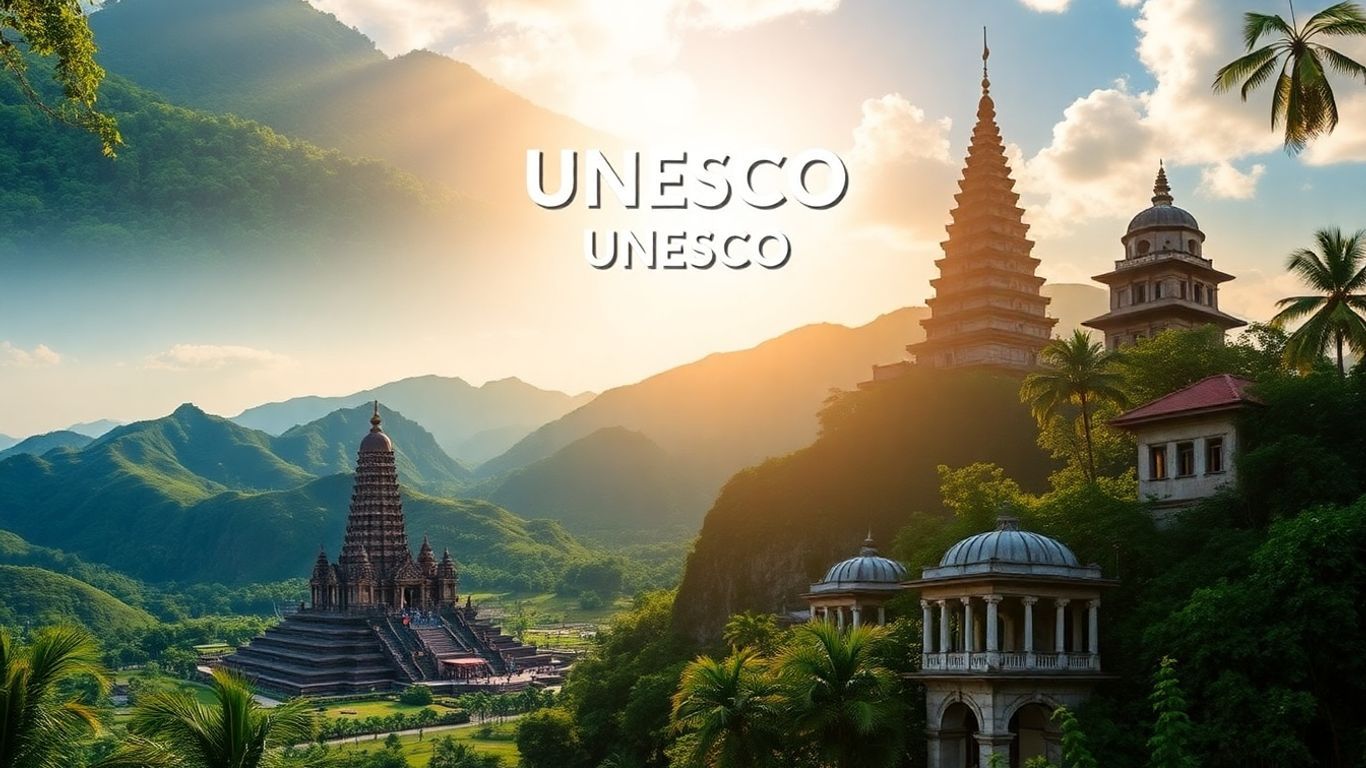
For those with a love for the great outdoors, Malaysia is home to some truly spectacular natural sites recognised by UNESCO. These places are more than just picture-perfect landscapes; they are vital hubs of scientific importance and incredible biodiversity.
Kinabalu Park: A Realm of Biodiversity
At the heart of Sabah, Kinabalu Park—crowned by the majestic Mount Kinabalu—is a biological powerhouse. It stands as one of the most important biological sites in the world, particularly celebrated for its phenomenal plant life. Here, you'll encounter an amazing variety of species, from the lush tropical lowland forests to the stark alpine conditions high up on the mountain. It’s a hotspot for exquisite orchids, fascinating pitcher plants, and vibrant rhododendrons. The park also shelters unique wildlife, such as the Kinabalu hairy-backed bat and the Kinabalu pygmy shrew. The sheer concentration of plant species packed into this relatively small area is simply astounding.
Here’s a quick glance at what makes it so remarkable:
- Elevation Zones: The park's vast range of altitudes fosters a mosaic of different habitats.
- Endemic Species: Many plants and animals found here exist nowhere else on our planet.
- Research Hub: It's a crucial location for ongoing scientific study and conservation efforts.
Kinabalu Park is so much more than a mountain; it's a living laboratory that showcases the incredible resilience and diversity of life in Southeast Asia.
Gunung Mulu National Park: Caves and Karst Wonders
If the thought of mysterious caves and dramatic limestone landscapes excites you, then Gunung Mulu is calling your name. Tucked away in Sarawak, Borneo, this park is world-famous for its colossal cave systems and unique karst formations. It's home to the Sarawak Chamber, one of the largest known cave chambers in the world. You can also witness the 'Pinnacles,' a surreal landscape of sharp limestone spikes. Beyond the rocks, the park teems with a huge variety of rainforest life, including gibbons, hornbills, and countless insects.
Key highlights you won't want to miss:
- The Big Caves: Take your time exploring the Deer Cave, Clearwater Cave, and Wind Cave.
- The Pinnacles: For the adventurous, a challenging trek leads to these striking geological formations.
- Bat Exodus: Witness the breathtaking spectacle of millions of bats emerging from their caves at dusk—a truly wild sight.
Visiting these natural wonders offers a profound opportunity to connect with some of the planet's most unique ecosystems and geological marvels. It’s a powerful reminder of the immense beauty and importance held within Malaysia's natural heritage.
Exploring the Historic Cities of the Straits
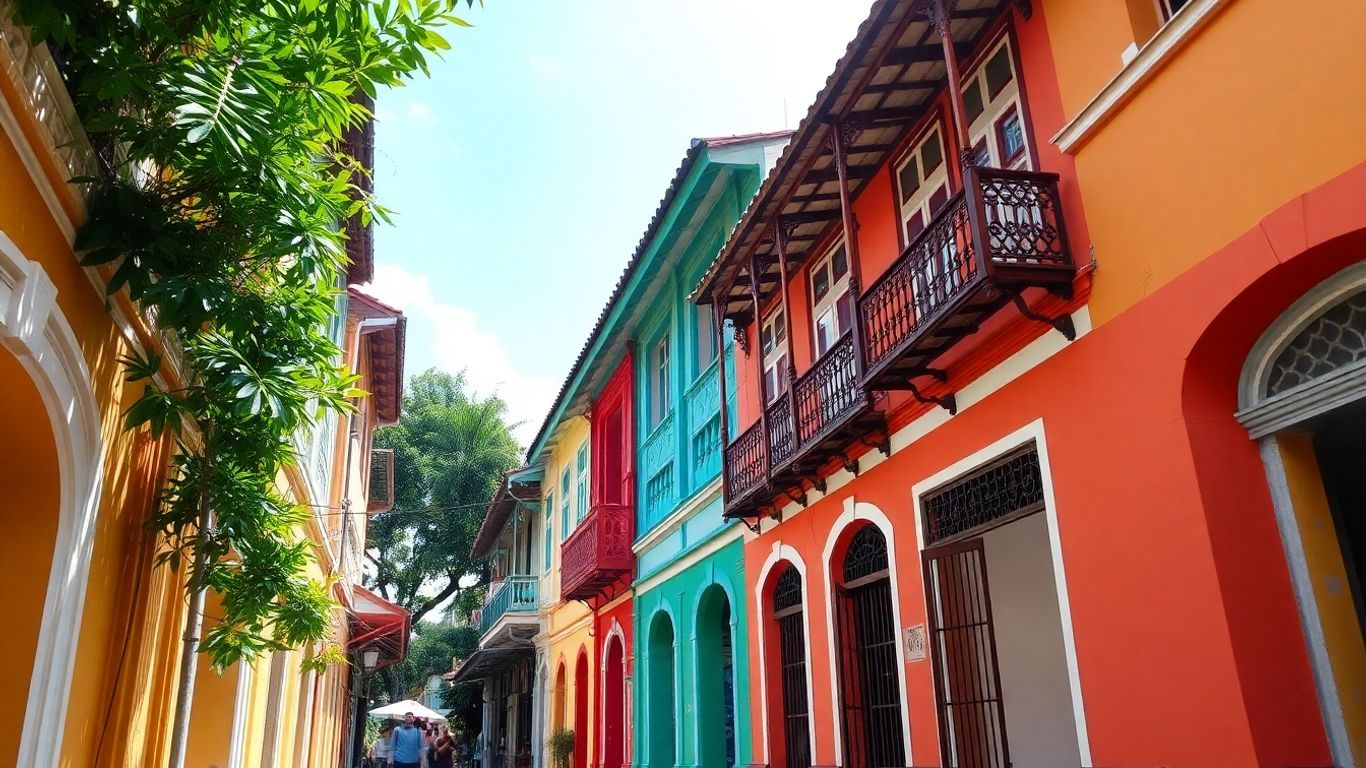
For centuries, the Straits of Malacca have served as a vibrant maritime highway, connecting East and West. It's hardly a surprise, then, that two of Malaysia's most captivating UNESCO World Heritage Sites are found right on its shores: Melaka and George Town. These aren't just sleepy old towns; they are living museums that pulse with the story of how different cultures met, mingled, and created something entirely new.
Melaka: A Blend of East and West
A visit to Melaka feels like stepping into another era. You can almost feel the weight of history in the air and see it etched into the old buildings. As a major trading port, it absorbed influences from the Portuguese, Dutch, and British, all of which are visible today. Imagine colourful Dutch-style houses, the remnants of Portuguese forts, and traditional Malay architecture—all coexisting harmoniously. The food scene here is also legendary, a delicious symphony of Malay, Chinese, and Indian flavours known as Peranakan cuisine.
- St. Paul's Church: Perched atop a hill, these atmospheric ruins offer a poignant glimpse into the Portuguese era.
- A Famosa: The remains of a formidable Portuguese fortress stand as a testament to Melaka's past strategic importance.
- Jonker Street: This bustling street is famous for its antique shops, local crafts, and a vibrant night market that comes alive after dark.
Melaka's urban landscape is a fascinating tapestry woven from centuries of trade and colonial encounters. It's a place where you can wander through narrow lanes and discover architectural styles that tell stories of a bygone era—a true crossroads of civilizations.
George Town: A Cultural Crossroads
Just up the coast on Penang Island, George Town is another jewel in Malaysia's historical crown. Much like Melaka, it was a pivotal trading hub, though its colonial identity was primarily shaped by the British. What makes George Town so special is its incredible cultural mosaic—you'll find ornate Chinese clan houses, serene Indian temples, and grand British colonial buildings, often just a stone's throw from each other. In recent years, its street art scene has become a massive draw, with whimsical murals adding a modern, playful twist to the historic backdrop.
- Khoo Kongsi: An exceptionally elaborate clan house that showcases the pinnacle of intricate Chinese architecture.
- Cheong Fatt Tze Mansion (The Blue Mansion): A stunning example of traditional Chinese courtyard architecture, famous for its distinctive indigo hue.
- Street Art: Embark on a treasure hunt to discover the vibrant murals scattered throughout the city, many of which are interactive and tell local stories.
Both Melaka and George Town were inscribed by UNESCO in 2008 for their outstanding universal value, reflecting a unique cultural exchange and urban heritage. Walking through these cities is like flipping through the pages of a history book, but with much better food and a whole lot more colour.
Unearthing Prehistoric Legacies
Beyond the dynamic cities and scenic coastlines, Malaysia holds something much older—a place where the earliest chapters of human history are written in stone and soil. When we talk about prehistoric Malaysia, two sites stand out, offering us a rare peek into lives lived thousands, and even millions, of years ago.
Lenggong Valley: An Archaeological Marvel
Nestled in Perak, the Lenggong Valley is an archaeological site of global significance. Think of it as an open-air museum, but one that predates almost anything you've ever visited. Archaeologists have unearthed evidence of human activity here stretching back almost two million years, positioning it as one of the oldest records of early humanity outside of Africa. This isn't just about a few scattered artifacts; we're talking about a comprehensive record. Discoveries include stone tools from the Palaeolithic era, workshop sites where ancient people crafted them, and evidence from the Neolithic, Bronze, and Iron Ages. It paints a remarkably clear picture of human adaptation and settlement in Southeast Asia over an immense period.
Here’s a snapshot of what makes Lenggong so special:
- Ancient Tools: Discoveries include stone axes and other implements that reveal early human ingenuity.
- Workshop Sites: You can see evidence of the very places where these tools were manufactured.
- Continuous Habitation: The valley contains traces of human presence across multiple Stone Age periods.
- Unique Landscape: Surrounded by lush greenery and limestone hills, it's a beautiful setting for such a profound historical treasure.
The Lenggong Valley offers a rare, unbroken narrative of human development, showing how our ancestors interacted with their environment and evolved over vast stretches of time. It's a quiet yet powerful testament to our shared past.
Niah Caves: Echoes of Ancient Habitation
Over in Sarawak, on the island of Borneo, the Niah Caves provide another incredible window into the past. This isn't just a single cave; it's a massive and complex network of limestone caverns. What's truly amazing is the evidence that people have lived here, on and off, for at least 50,000 years. That’s a seriously long time! Inside, archaeologists have uncovered ancient cave paintings, unique boat-shaped burial sites, and a wealth of other artifacts that tell the story of life from the Pleistocene to the mid-Holocene periods.
What's particularly fascinating is how this ancient history connects to the present. Some local communities still continue the age-old tradition of harvesting edible swiftlet nests from these caves, a practice that likely stretches back centuries. It creates a living link between today's world and the deep past entombed within these ancient walls.
Journeys Through Malaysia's UNESCO Sites
A Self-Drive Adventure Through Heritage
Thinking about how to best explore Malaysia's UNESCO sites? A road trip is, without a doubt, one of the best ways to do it. Hitting the open road gives you the freedom to truly absorb the experience, letting you stop whenever a scenic view or a quaint little town catches your eye. Imagine cruising from the ancient caves of Gunung Mulu to the historic streets of Melaka, all at your own pace. It’s a fantastic way to connect with the country’s diverse heritage—from its awe-inspiring natural wonders to its rich cultural tapestry.
This kind of trip lets you discover hidden gems and truly appreciate the unique stories each site has to tell. You could begin your journey up north, exploring George Town's vibrant street art and colonial architecture, before heading south to Melaka to wander through centuries-old buildings and sample authentic Peranakan cuisine. If nature is calling your name, a drive to Borneo for Kinabalu Park or Gunung Mulu promises an adventure in itself, with breathtaking landscapes and unparalleled biodiversity.
Here’s a possible itinerary to spark your imagination:
- Peninsular Malaysia Focus: Start in George Town (Penang), make your way down to Melaka, and then venture inland to the Lenggong Valley in Perak. This route covers the key cultural and archaeological highlights.
- Borneo Extension: Catch a flight to Sabah or Sarawak to visit Kinabalu Park and Gunung Mulu National Park. These natural wonders are best explored with dedicated time, so consider them a separate leg of your trip or plan for a longer holiday.
- Flexibility is Key: Whatever you do, don't overschedule. The real magic happens when you allow for spontaneous stops, delicious local food discoveries, and simply enjoying the journey between these incredible places.
Planning a self-drive trip puts you in the driver's seat—literally. You can spend an extra day at a site that captivates you or take a detour to explore local markets and villages. It’s all about creating your own unique Malaysian adventure, one UNESCO site at a time.
Planning Your UNESCO Road Trip
Getting ready for a road trip across Malaysia's UNESCO sites involves a bit of preparation, but it’s absolutely worth the effort. First things first: when should you go? Generally, the dry season from May to September is ideal for outdoor activities, especially if you're planning to visit natural sites like Kinabalu Park or Gunung Mulu. That said, Malaysia is a tropical country, so you can expect warmth and humidity all year round.
When it comes to transport, renting a car is incredibly convenient. It’s a good idea to look into reliable rental services, particularly for longer drives. Think about the type of vehicle you'll need; an SUV might be better suited for some of the more rugged areas, while a comfortable sedan is perfect for city-to-city travel. Booking your car in advance, especially during peak tourist seasons, is always a smart move.
Here are a few practical things to keep in mind:
- Vehicle Choice: Select a car that fits your itinerary. A compact car is great for navigating city streets, but if you plan on venturing into national parks, a more robust vehicle might be a better choice.
- Navigation: While apps like Waze or Google Maps are indispensable, having an offline map downloaded is a great backup, especially in rural areas with spotty mobile service.
- Documentation: Always have your necessary documents—including your driver's license and the rental agreement—easily accessible.
- Packing: Pack light, breathable clothing, comfortable walking shoes, sun protection (a hat and sunscreen are musts!), and insect repellent. And don't forget a reusable water bottle to stay hydrated!
| Site | Type | Location |
|---|---|---|
| Kinabalu Park | Natural | Sabah |
| Gunung Mulu National Park | Natural | Sarawak |
| Melaka | Cultural | Melaka |
| George Town | Cultural | Penang |
| Lenggong Valley | Cultural | Perak |
Remember, the goal is to savour the journey. Malaysia's UNESCO sites offer a spectacular glimpse into its history and natural splendour, and a well-planned road trip is the perfect way to make it accessible and truly unforgettable.
The Significance of Malaysia's UNESCO World Heritage
Cultural Exchange and Colonial Influences
Malaysia's UNESCO sites are powerful storytellers of cultural fusion. Take Melaka and George Town, for example—for centuries, they were bustling maritime ports where merchants, sailors, and settlers from across the globe converged. This constant interaction led to a beautiful blending of ideas, cuisines, and architectural styles. In Melaka, you can trace the legacy of the Portuguese and Dutch, while George Town bears the distinct imprint of the British. The streets themselves are a history lesson, vividly illustrating how trade brought diverse peoples and cultures together. This rich multicultural tapestry isn't just a relic of the past; it remains a core part of Malaysia's identity today.
Natural Heritage and Geological Importance
Then, of course, we have the breathtaking natural wonders like Kinabalu Park and Gunung Mulu National Park. These sites are far more than just scenic spots; they are of immense scientific importance. Kinabalu Park, for instance, boasts an incredible concentration of plant and animal life, with many species found nowhere else on Earth. Gunung Mulu is renowned for its colossal caves and unique karst topography, which offer invaluable clues about how our planet has evolved over millions of years. These sites help us understand Earth's deep history and the amazing diversity of life it sustains.
Here's a quick look at what makes them so vital:
- Biodiversity Hotspots: Places like Kinabalu Park are living libraries of evolution, home to countless species.
- Geological Marvels: Sites such as Gunung Mulu showcase spectacular cave systems and karst landscapes, offering insights into long-term geological processes.
- Prehistoric Echoes: Locations like Lenggong Valley and Niah Caves provide tangible evidence of early human life and adaptation right here in Southeast Asia.
Preserving these sites isn't just about protecting old buildings or scenic landscapes. It’s about safeguarding the stories of human history, the planet's incredible biodiversity, and the geological forces that have shaped our world. It’s our way of learning from the past to ensure that future generations can also experience and appreciate these irreplaceable treasures.
Your Malaysian Adventure Awaits
So, there you have it—a glimpse into some of Malaysia's incredible UNESCO World Heritage sites. From ancient caves and majestic mountains to historic streets echoing with centuries of stories, this country truly offers something for every kind of traveller. This is more than just a holiday; it’s an opportunity to connect with nature and history on a much deeper level. Whether you're a history buff, an avid hiker, or simply someone seeking a different kind of travel experience, Malaysia's UNESCO spots are waiting to be explored. So go on, pack your bags, map out your route, and get ready for an adventure you won't soon forget.
Frequently Asked Questions
How many UNESCO World Heritage Sites are there in Malaysia?
Malaysia is proud to be home to four UNESCO World Heritage Sites. Two of these are celebrated for their natural beauty: Kinabalu Park and Gunung Mulu National Park. The other two are treasured cultural sites: the historic cities of Melaka and George Town, and the archaeologically rich Lenggong Valley.
What's the best time of year to visit Malaysia's UNESCO sites?
For the most pleasant weather, the dry season, which generally runs from May to September, is the best time to explore Malaysia's UNESCO sites. This period is particularly ideal for outdoor adventures in natural havens like Kinabalu Park and Gunung Mulu National Park.
What should I pack for a road trip to these heritage sites?
When packing for a road trip to Malaysia's UNESCO sites, think versatile. Be sure to bring lightweight clothing, comfortable walking shoes, and solid sun protection like a good hat and sunscreen. It's also wise to have a reliable navigation app or GPS, along with all your important travel documents and car rental information.
How can I arrange a car for my UNESCO heritage road trip?
Renting a car is a fantastic way to explore Malaysia's UNESCO sites at your own pace. Companies like GemCarRental offer a wide selection of vehicles and have convenient pickup locations, including at major airports. You can easily book a car online to make sure you have reliable transport for your adventure.
What are some must-see spots in Melaka and George Town?
In Melaka, a stroll down Jonker Street is a must to experience its unique blend of colonial architecture and vibrant local culture. In George Town, you'll be captivated by the city's mix of old and new, from its ornate clan temples and colourful street art to its beautifully preserved historic buildings. Both cities offer a wonderful taste of Malaysia's rich, multicultural history.
Why is the Lenggong Valley important for history?
The Lenggong Valley is incredibly significant because it contains one of the oldest records of early human life ever discovered outside of Africa, with evidence dating back nearly 2 million years. It serves as a remarkable open-air museum, showcasing ancient tools and even the skeletal remains of 'Perak Man', one of the oldest and most complete human skeletons found in the region.


