


resources
Unveiling the Largest Cities by Population in UK: A 2026 Ranking
18 Apr 2026

When considering the distribution of people across the UK, it’s always fascinating to observe which urban centers are experiencing significant growth and which ones are already well-established behemoths. Here, we delve into the biggest cities by population in the UK, offering an insightful outlook towards 2026. However, our focus extends beyond just the immediate city center; it’s crucial to account for the wider metropolitan areas—the places people commute from and to—to gain a truly comprehensive understanding. This holistic approach helps us grasp the intrinsic dynamics of how these urban regions function and what truly drives them. To truly grasp this dynamic landscape, let's delve into the data and see which urban centers are leading the pack.
Key Takeaways
- London remains the undisputed largest city by population in the UK, a global hub with an unparalleled reach.
- The West Midlands conurbation, centered around Birmingham, and West Yorkshire, encompassing Leeds and Bradford, stand as significant population concentrations.
- Greater Manchester and Greater Glasgow are pivotal urban areas, commanding substantial populations and exerting strong regional influence.
- The Liverpool City Region, Tyne and Wear (with Newcastle and Sunderland), and Greater Bristol are also vital population hubs within the UK.
- Cities like Nottingham-Derby, Portsmouth-Southampton, and Cardiff play indispensable roles in the UK's demographic tapestry, each possessing its own unique characteristics and contributions.
Understanding Metropolitan Areas in the UK
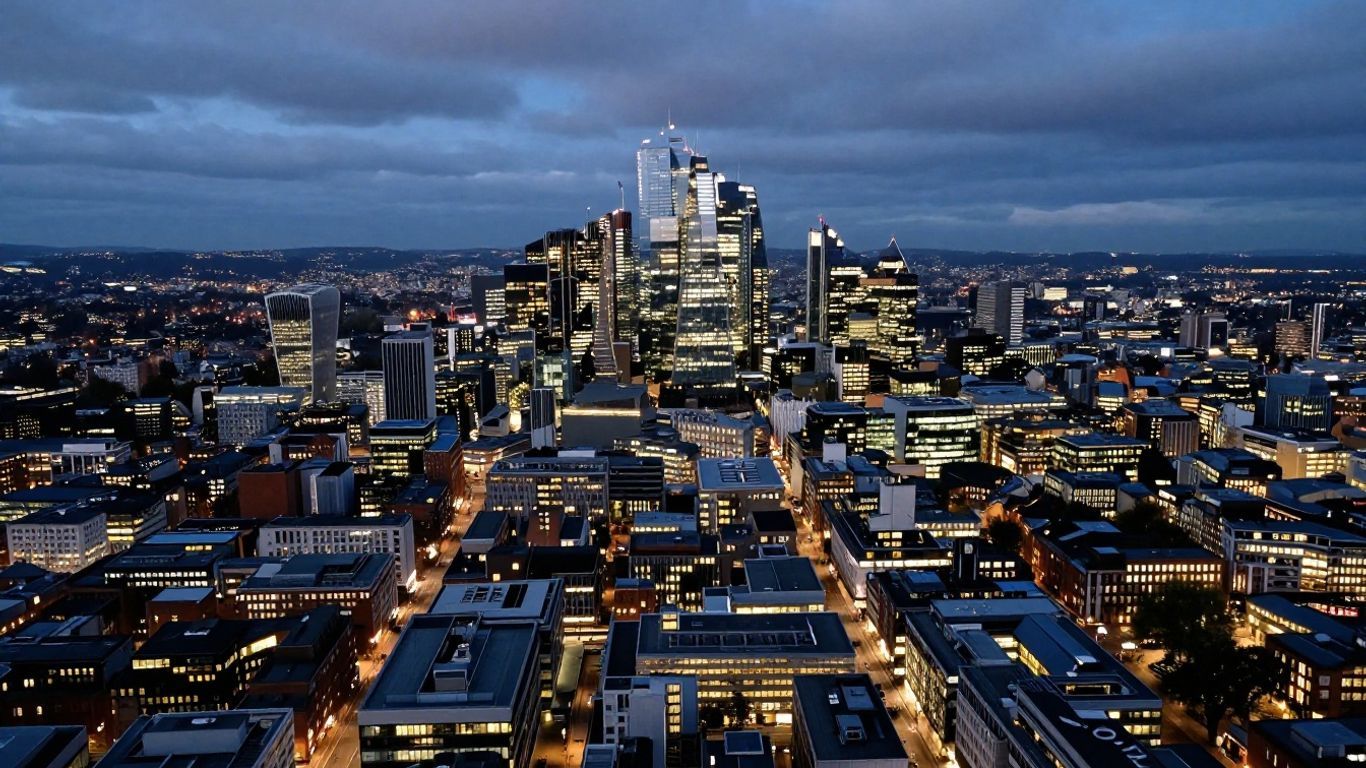
When discussing the UK's largest cities, the focus extends beyond mere administrative city limits visible on a map. Rather, our attention shifts to broader metropolitan areas—vastly more extensive entities. These can be conceptualized as the primary urban core, supplemented by all contiguous towns and suburbs that share close ties, often evidenced by regular commuting patterns. It is, fundamentally, the interplay of residency and employment that delineates these zones, transcending historical or arbitrary boundaries.
Defining the Scope of Urban Populations
Precisely demarcating the boundaries where one city concludes and another commences often proves challenging. Given the varied methodologies employed by different organizations, discrepancies in reported population figures are not uncommon, creating a complex statistical landscape. For the purposes of this ranking, we primarily consider what are often termed 'Functional Urban Areas' or 'Larger Urban Zones'—definitions specifically designed to encapsulate the authentic economic and social interdependencies linking an urban core with its periphery. Ultimately, this approach aims to portray the holistic zone of daily life, encompassing where individuals reside, work, and engage within a cohesive urban system.
Key Factors Influencing City Growth
Indeed, the differential growth observed among urban areas is attributable to a confluence of factors. Historically, strategic advantages such as proximity to ports or pivotal transport arteries were instrumental in a city's rise. In contemporary times, however, the proliferation of service industries and enhanced commuting capabilities have profoundly influenced residential patterns, allowing for greater urban spread. Crucially, the interplay of readily available employment opportunities, housing accessibility, and the provision of desirable amenities collectively determines an area's capacity to both attract and retain its populace—a delicate balance that shapes urban evolution.
- Economic Opportunities: Areas boasting robust job markets typically draw a larger influx of people.
- Infrastructure: Superior transport links, both internal and external, are absolutely vital for urban functionality and growth.
- Housing Availability and Affordability: The cost and accessibility of suitable living spaces profoundly impact population dynamics.
- Quality of Life: Factors such as green spaces, cultural attractions, and excellent public services also significantly contribute to an area's appeal.
The Evolving Urban Landscape
Urban centers, by their very nature, are far from static; they are in a constant state of flux. A settlement deemed a significant city merely decades prior might now find itself integrated into an expansive conurbation, or conversely, a heretofore smaller town could be experiencing swift growth propelled by nascent industries or improved transportation infrastructure. Significantly, the prevailing trend throughout recent decades points towards the emergence of larger, more intricately interconnected urban regions. Consequently, to accurately assess the UK's population centers, it becomes imperative to evaluate these broader metropolitan areas, thereby capturing a comprehensive depiction of where the majority of individuals reside and are gainfully employed.
Understanding these nuanced definitions is key to appreciating the true scale of the UK's largest urban centers. It's not just about the core city, but the entire ecosystem of towns and communities that rely on it—a complex web of interdependent relationships.
The Dominant Urban Centers
Upon any discussion concerning the UK's most populous cities, certain names invariably surface. These entities represent more than mere concentrations of residents; they are, in essence, the economic engines, vibrant cultural hubs, and influential epicenters that profoundly shape the national landscape. Permit us to delve deeper into the characteristics of these truly standout urban areas.
London: A Global Metropolis
It comes as no surprise whatsoever that London unequivocally leads this esteemed list. As the venerable capital of the United Kingdom, it operates on an entirely distinct, perhaps unparalleled, scale. Indeed, London stands as a preeminent global player, consistently drawing businesses, skilled professionals, and tourists from every conceivable corner of the world. Its financial markets enjoy world-renowned status, and its cultural repertoire is, without exaggeration, second to none. The sheer intensity and breadth of activity—from its intricate and often bustling transport networks to its wonderfully diverse neighborhoods—collectively forge an urban environment unlike any other.
London's influence extends far beyond its administrative boundaries, acting as a powerful magnet for both domestic and international investment—a true testament to its global stature.
West Midlands Conurbation: Birmingham's Reach
Venturing northward, one encounters the expansive West Midlands conurbation, with the dynamic city of Birmingham serving as its undeniable core. This isn't merely a singular urban entity; rather, it represents a sprawling metropolitan landscape where numerous towns and cities have organically coalesced over generations. Birmingham itself, boasting a profound industrial legacy, has artfully transitioned into a contemporary nexus for services, retail, and cultural pursuits. Its peripheral areas, notably Coventry and Wolverhampton, are intricately interconnected, thereby forming a substantial population center characterized by its own unique identity.
Key characteristics of the West Midlands conurbation:
- A strong manufacturing heritage that has skillfully evolved into a diverse and resilient economy.
- Excellent transport links, including major motorways and a centrally located, highly connected railway station.
- A vibrant cultural scene, offering a rich array of theaters, music venues, and museums.
West Yorkshire: The Leeds-Bradford Nexus
The West Yorkshire urban area, frequently identified as the Leeds-Bradford nexus, constitutes yet another significant concentration of populace. Leeds, a pivotal financial and commercial hub, alongside Bradford, celebrated for its industrial heritage and burgeoning cultural offerings, together form the very bedrock of this region. Positionally, the area enjoys considerable advantages, featuring robust connectivity to other UK locales, and is further bolstered by a formidable presence of higher education institutions—all contributing to its distinctly dynamic population profile.
This region represents a significant concentration of economic activity and population, eloquently demonstrating how historically industrial areas can adapt and thrive in the modern economy through strategic diversification.
Significant Population Hubs
Beyond the undeniable behemoths, the United Kingdom proudly showcases numerous other substantial population centers, each playing an indispensable role within its intricate urban network. These regions, while perhaps not attaining the sheer magnitude of the premier conurbations, nonetheless hold immense significance; they function as crucial economic accelerators and vibrant cultural epicenters for their respective geographies.
Greater Manchester's Expansive Influence
Greater Manchester stands as an expansive urban agglomeration, having witnessed considerable growth over many decades. It transcends the confines of Manchester city proper, instead embracing an intricate collection of towns and cities—all economically and socially intertwined. This formidable conurbation serves as a critical nexus for media, finance, and burgeoning digital industries, thereby attracting a remarkably diverse populace and contributing substantially to the broader national economy. Indeed, the region's well-developed infrastructure, particularly its comprehensive transport links, has proven a pivotal catalyst in its sustained growth and its enduring appeal to both commercial enterprises and residents alike.
Greater Glasgow's Enduring Presence
Glasgow, historically lauded as the "Second City of the Empire," steadfastly maintains its status as an economic and cultural powerhouse in Scotland. The Greater Glasgow area itself presents a dynamic blend of venerable historic architecture and cutting-edge modern development. It serves as a distinguished educational hub, home to several prominent universities, and boasts a robust presence across sectors such as financial services, life sciences, and advanced manufacturing. The city's vibrant cultural landscape is, moreover, a considerable draw, famed for its music, arts, and effervescent nightlife. Its population, therefore, eloquently mirrors this rich tapestry of both opportunity and cultural abundance.
Liverpool City Region's Demographic Strength
The Liverpool City Region stands as yet another significant conurbation, characterized by a storied industrial past and a vigorously dynamic present. With the venerable port city of Liverpool at its nucleus, the region has been proactively engaged in revitalizing its iconic waterfront and strategically diversifying its economic base. Among its pivotal sectors are the digital and creative industries, advanced manufacturing, and a flourishing tourism segment. The area's profound sense of identity and its rich cultural heritage—most notably its unparalleled musical legacy—persist in drawing individuals to its vibrant communities.
The development of these large urban areas is often a complex interplay of historical industrial patterns, modern economic diversification, and ongoing infrastructure investment. They represent concentrated pockets of economic activity and population density within the broader UK landscape—a true reflection of regional vitality.
Here's a look at the estimated populations for these significant hubs:
| Urban Area | Estimated 2026 Population |
|---|---|
| Greater Manchester | 3,150,000 |
| Greater Glasgow | 1,800,000 |
| Liverpool City Region | 1,550,000 |
Emerging and Established Cities
Beyond the very largest urban behemoths, the United Kingdom's intricate urban landscape is punctuated by cities consistently augmenting their influence and population. While these locales may not always command international headlines, they are, in fact, indispensable engines of regional economies and increasingly crucial population centers. One might aptly conceive of them as the steadfast, reliable contributors within the national urban tapestry.
Tyne and Wear: Newcastle and Sunderland's Combined Might
The Tyne and Wear region, firmly anchored by the twin cities of Newcastle upon Tyne and Sunderland, offers a quintessential illustration of how two historically distinct industrial centers can seamlessly coalesce into a substantial population and economic powerhouse. Newcastle, celebrated for its dynamic city center and robust service sector, has long served as a nexus for culture and commerce. Sunderland, conversely, historically renowned for its manufacturing acumen, particularly within the shipbuilding and automotive sectors, has been diligently striving to diversify its economic foundation. Collectively, they form a conurbation boasting a considerable population base, which gains significantly from shared infrastructure and a unified workforce.
- Economic Diversification: Both cities are actively pursuing new industries, from digital technology and life sciences in Newcastle to advanced manufacturing and logistics in Sunderland—a forward-looking strategy.
- Transport Links: The region benefits from excellent road and rail connections, including a major port at Sunderland and an international airport in Newcastle, ensuring strong connectivity.
- Educational Institutions: Universities in both cities contribute profoundly to a skilled workforce and attract younger populations, fostering innovation and talent.
The combined strength of Newcastle and Sunderland offers a compelling narrative of urban renewal and adaptation, showcasing how established industrial areas can pivot towards future economic opportunities and sustained growth.
Greater Bristol's Growing Footprint
Bristol distinguishes itself as a notably dynamic and swiftly expanding city in the South West of England. Its established reputation as a focal point for aerospace, technology, and creative industries has undeniably propelled significant population expansion. The "Greater Bristol" area, in effect, frequently incorporates neighboring towns and commuter zones, thereby broadening its demographic and economic influence. This ongoing expansion is largely attributed to a robust job market and an enviable quality of life, positioning Bristol as an exceptionally appealing destination for individuals hailing from across the UK and even further afield.
| Sector | Significance |
|---|---|
| Aerospace | Home to major aerospace companies and groundbreaking research. |
| Technology | A burgeoning hub for tech startups and innovation, driving economic progress. |
| Creative Industries | Strong presence in film, television, and digital media, enhancing cultural vibrancy. |
South Yorkshire: Sheffield and Doncaster's Collective Impact
South Yorkshire, a region comprising cities such as Sheffield and Doncaster, provides a further compelling illustration of how established urban centers enrich the UK's population tapestry. Sheffield, once an undisputed powerhouse of steel production, has adeptly reinvented itself as a city recognized for advanced manufacturing, pioneering materials science, and an expanding digital sector. Doncaster, capitalizing on its strategic geographical position and robust transport infrastructure, functions as a vital logistics and distribution hub, complementing its own manufacturing base. The combined populace and economic dynamism of these cities forge a formidable regional force.
- Industrial Heritage: Both cities possess deep roots in manufacturing, an heritage that continuously evolves with modern advancements.
- Logistics Hub: Doncaster's strategic position makes it a key node for facilitating national and international trade and distribution.
- Green Innovation: Sheffield is increasingly recognized for its innovative work in sustainable technologies and advanced materials, charting a course for the future.
These urban centers, though they may not consistently occupy the apex of population rankings, are nonetheless profoundly important. They effectively constitute the very backbone of numerous regional economies and serve as vibrant locales where individuals reside, pursue their careers, and cultivate communities—thereby contributing immeasurably to the UK's overarching urban fabric.
Regional Powerhouses and Their Populations
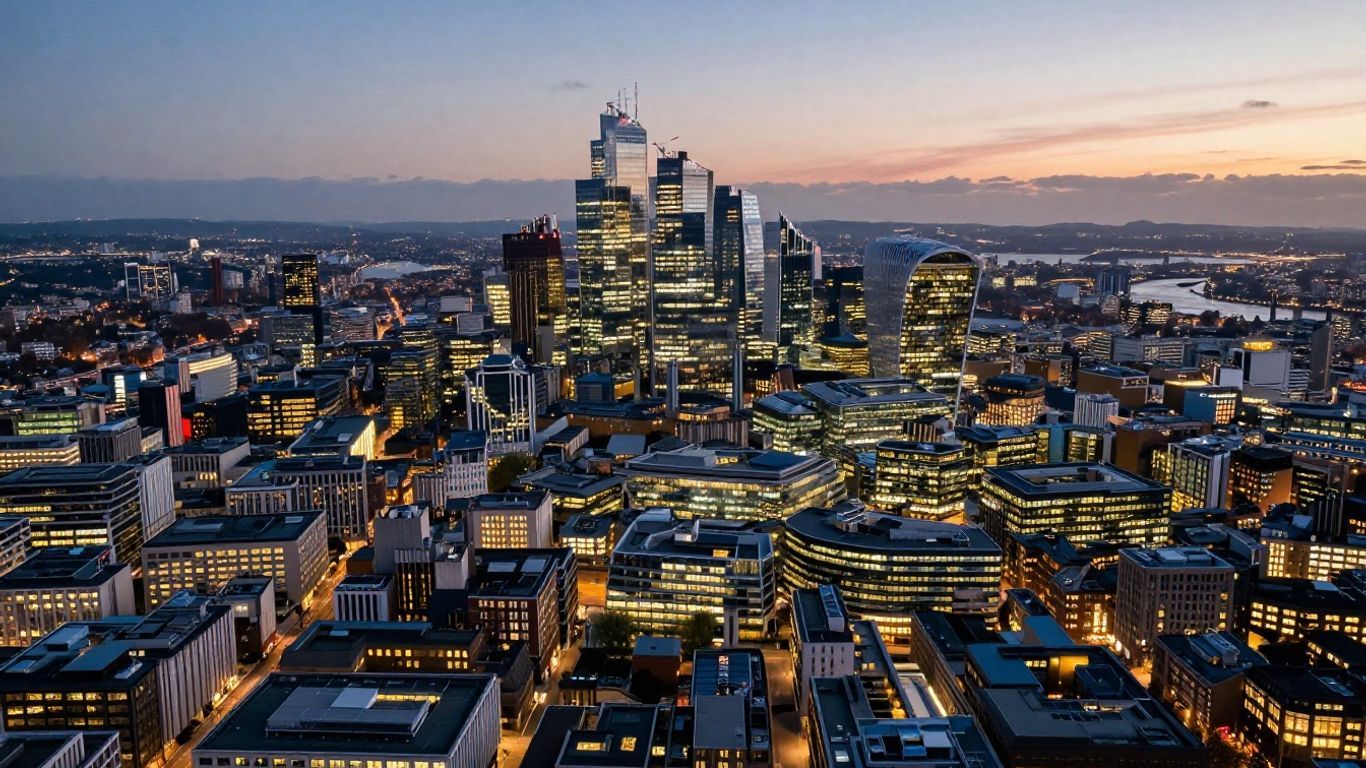
Beyond the handful of truly colossal urban centers, the UK is home to a number of other considerable urban areas that function as indispensable regional engines. These entities are more than mere individual cities; rather, they represent intricate networks of towns and communities which, in aggregate, constitute substantial population hubs—each imbued with its distinct economic and social character.
Nottingham-Derby's Demographic Profile
The Nottingham-Derby urban area serves as an excellent illustration of a polycentric region. It is not singularly dominated by one city, but instead thrives on a dynamic interplay between Nottingham and Derby, further bolstered by their surrounding towns. This unique configuration fosters a broad and resilient economic foundation, drawing strength from a variety of industries and supporting a diverse workforce.
- Population (2026 Estimate): Approximately 1.7 million, reflecting sustained growth.
- Key Industries: A strong presence in advanced manufacturing, life sciences, creative industries, and logistics, indicating a diverse economic base.
- Connectivity: Excellent transport links, including major motorways and a well-connected rail network, facilitate efficient movement and robust economic exchange across the region.
Portsmouth-Southampton's Coastal Significance
This southern coastal conurbation, encompassing the cities of Portsmouth and Southampton, stands as a vital economic hub, deeply rooted in a rich maritime heritage. Its strategically advantageous position on the English Channel profoundly shapes its economy, influencing sectors ranging from naval operations and commercial shipping to thriving tourism and sophisticated advanced engineering.
- Population (2026 Estimate): Around 1.4 million, underscoring its regional importance.
- Economic Drivers: Defence, marine technology, automotive manufacturing, and higher education are key pillars of its robust economy.
- Challenges: Like many coastal areas, it faces important considerations related to climate change and effective coastal management for future sustainability.
Cardiff's Role in the UK's Urban Fabric
As the esteemed capital of Wales, Cardiff indisputably functions as the urban heart of the nation. It operates as a central nexus for government, culture, and commerce, and its steadily growing population eloquently reflects its escalating significance within the broader UK landscape.
- Population (2026 Estimate): Over 1.1 million (including its wider urban influence), a testament to its expanding reach.
- Key Sectors: Public administration, financial services, creative industries, and tourism form the bedrock of its economy.
- Development: Significant and ongoing investment in infrastructure and regeneration projects continues to shape its dynamic urban landscape and attract new residents and businesses, ensuring its continued vitality.
These regional powerhouses, while perhaps not reaching the sheer scale of the top-tier conurbations, are absolutely critical to the UK's overall demographic and economic health. They represent diverse economic strengths and play a vital role in supporting national and international connections—truly indispensable to the nation's fabric.
Looking Ahead
As we conclude our comprehensive examination of the UK's most populous cities with an outlook towards 2026, it becomes unequivocally clear that these urban centers are in a perpetual state of transformation. While London undeniably retains its colossal stature, regions such as the West Midlands and West Yorkshire also stand as formidable, expansive hubs. Moreover, comprehending these significant population shifts transcends mere statistical analysis; it offers profound insights into where individuals are electing to reside, pursue their livelihoods, and forge their futures. This presents a truly dynamic picture, and diligent observation of these evolving trends is instrumental in grasping the UK's ever-changing urban landscape.
Frequently Asked Questions
What is considered a metropolitan area in the UK?
In the UK, a metropolitan area fundamentally refers to a major city combined with all the closely integrated surrounding towns and localities. It can be conceptualized as the core urban center and its associated suburbs, where regular movement for employment or retail purposes is a common occurrence.
How is the population of a city measured?
When discussing a city's population, official figures often refer to the 'built-up area' or 'metropolitan area.' This comprehensive measure includes the main city and the surrounding residential and commercial zones, rather than being strictly limited to its administrative municipal borders.
Why do city populations change over time?
City populations are dynamic, changing for a multitude of reasons. Economic factors, such as the availability of jobs and opportunities, frequently attract people to urban centers, leading to growth. Conversely, shifts in industries, out-migration, or even evolving birth rates can also significantly influence these demographic figures.
Are the biggest UK cities always the most important?
While the largest cities typically exert considerable influence due to their extensive populations and business activities, it's worth noting that smaller cities can also be profoundly important within their respective regions. Significance isn't solely determined by size; it also encompasses a city's specific offerings, economic specializations, and its connectivity to other vital areas.
What does 'urban landscape' mean?
The 'urban landscape' is a broad term used to describe the appearance and organizational structure of cities. It encompasses everything from the physical infrastructure—buildings, roads, green spaces—to the socio-economic patterns of how people live, work, and interact within these busy environments. It is, by definition, a continually evolving entity.
Will the biggest cities in the UK stay the same in the future?
Predicting the future with absolute certainty is always challenging! While major cities like London are highly likely to maintain their significant stature, other urban areas are continually experiencing growth and development. New economic drivers and shifting populations across the country mean that the relative importance and size of various cities may well evolve over time.


