
resources
What Does Currency Flexibility Mean for International Cities?
11 Jun 2025

Global cities function as economic engines where varied cultures, enterprises, and visitors merge daily. These urban centers progressively acknowledge that currency adaptability represents much more than a convenience. It has evolved into a strategic requirement for sustaining competitiveness in the worldwide marketplace.
As financial technology advances, cities that adopt multi-currency capabilities position themselves to secure greater economic prospects while serving their diverse populations more efficiently. Here is what currency flexibility means for international cities.
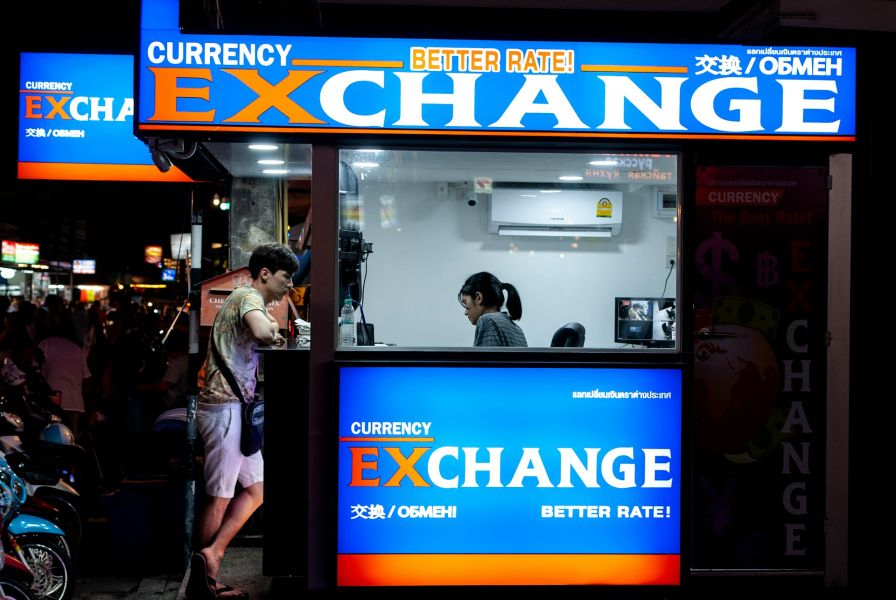
Enhanced Tourism Revenue Streams
Currency adaptability directly influences tourism income by eliminating financial barriers for international guests. When travelers can conduct transactions smoothly in their preferred currency, they spend more liberally and regularly.
Traditional currency conversion processes often include poor exchange rates, concealed charges, and lengthy procedures discouraging expenditure. Cities that deploy comprehensive multi-currency solutions observe quantifiable growth in visitor spending across retail, hospitality, and entertainment industries.
The psychological ease of recognizable currency values should not be underestimated. Guests who comprehend precisely what they’re spending are more inclined to make impulsive purchases, patronize upscale establishments, and prolong their visits. This creates significant economic ripple effects throughout the regional economy, benefiting everyone from street merchants to premium retailers.
Reduced Transaction Costs and Inefficiencies
Traditional currency conversion requires multiple intermediaries. Each collects fees that accumulate into substantial costs for businesses and consumers. Contemporary multi-currency payment solutions eliminate numerous intermediaries, significantly reducing transaction expenses. These savings benefit vendors and customers, establishing a more efficient economic environment.
For international cities, decreased transaction costs translate to increased economic activity. Dynamic Currency Conversion solutions allow merchants to offer customers options to pay in their home currency at the point of sale.
With DCC from Planet, businesses can deliver transparent exchange rates and eliminate unexpected fees, enabling international customers to see precisely what they’re paying in familiar currency denominations. This strategy builds confidence and encourages repeat business from global customers who value clear, straightforward pricing structures.
Strengthened Business Relations
Global cities rely on international business partnerships for sustained economic expansion. Companies functioning across borders need efficient payment systems that support multiple currencies without excessive conversion expenses or delays. Currency adaptability allows businesses to negotiate agreements, compensate suppliers, and receive payments in the most favorable denominations.
This capability primarily benefits cities competing to attract multinational corporations’ regional offices or major conferences. When businesses can conduct financial transactions seamlessly across different currencies, they’re more inclined to establish permanent operations in these locations. The resulting economic activity creates jobs, tax income, and secondary business prospects, reinforcing the metropolitan economy.
Accelerated Digital Economy Growth
Currency adaptability supports the digital economy by facilitating smooth online transactions across borders. E-commerce businesses in international cities can serve global customers more efficiently when they accept various currencies and offer localized payment experiences. This capability is vital for competing with international online retailers and securing digital market share.
The digital economy flourishes on convenience and confidence. When online customers can view prices in recognizable currencies and comprehend precisely what they’re spending, conversion rates improve significantly. This benefits individual businesses and enhances the city’s reputation as a digital commerce center.
Increased Financial Inclusion
Multi-currency capabilities support financial inclusion by serving diverse populations within international cities. Many residents maintain financial ties to their countries of origin. They regularly send remittances or receive payments in foreign currencies. Flexible payment systems reduce the costs and complexity of these transactions. This improves the quality of life for immigrant communities.
Financial inclusion extends beyond individual convenience to economic development. When all residents can participate fully in the local economy regardless of their currency preferences, cities benefit from increased economic activity and stronger community integration.
Competitive Advantage in Global Markets
Cities that embrace currency flexibility gain significant competitive advantages over those clinging to single-currency systems. They attract more international events, conferences, and business activities because participants can transact comfortably. This creates positive feedback loops where increased international activity draws even more global engagement.
The competitive edge extends to talent recruitment. International professionals progressively evaluate the quality of life when deciding where to work and reside. Cities providing seamless financial experiences for global citizens become more appealing destinations for the skilled workers who fuel innovation and economic development.
Endnote
Currency flexibility represents a fundamental shift in how international cities approach economic development. By removing financial barriers and creating inclusive transaction environments, these metropolitan areas position themselves for sustained growth in an increasingly connected global economy.


