


resources
Your Essential City of London Guides: Uncover History & Hidden Gems
04 Feb 2026

Considering an exploration of the City of London? This is a locale steeped in history, its narrative stretching from ancient Roman foundations to its vibrant, modern financial pulse. While you might choose to navigate its streets independently, it's quite frankly easy to overlook its myriad nuances. This is precisely where knowledgeable City of London guides become invaluable. These experts possess an intimate understanding of the narratives, concealed locales, and prime culinary establishments. Whether your interests lean towards ancient history, impressive architecture, or even the intriguing narratives of historical crime, a suitable tour undoubtedly awaits. Let us now delve into some of the most effective methods for truly immersing oneself in this remarkable district of London.
Key Takeaways
- The City of London, familiarly known as the Square Mile, represents the capital's most ancient quarter, boasting a profound history that originates in Roman antiquity.
- Engaging specialized City of London guides can unlock concealed treasures and historical accounts often overlooked by those exploring on their own.
- From Sir Christopher Wren's architectural marvels, such as the majestic St. Paul's Cathedral, to the distinctive Victorian allure of Leadenhall Market, the area is rich with iconic landmarks.
- This district possesses a captivating past, replete with chronicles of revolt, infamous personalities—including the likes of Jack the Ripper—and an exceptionally distinctive system of governance.
- Engaging with the City of London via guided walks, be they in-person or virtual, provides a more profound connection to its ongoing narrative and rich cultural legacy.
Exploring The City Of London's Rich Tapestry
A Journey Through Ancient Beginnings
The City of London, frequently referred to as the 'Square Mile,' truly marks London's genesis. Far from being merely another urban district, it represents the foundational London, its origins extending deep into the Roman era. Picture Londinium: a vibrant port and a thriving nexus of commerce. Across millennia, it has witnessed the ascendancy and decline of empires, endured devastating fires and pestilences, and perpetually regenerated its identity. Its history, indeed, is deeply stratified; ancient Roman walls continue to impart narratives beneath the contemporary streetscapes. To explore this remarkable area is akin to meticulously turning the pages of a venerable history tome, each turn unveiling the very bedrock of one of the planet's preeminent metropolises.
The Square Mile's Enduring Character
What proves truly remarkable about the City of London is its persistent ability to preserve its distinct identity. Even as it functions as a global financial powerhouse today, it steadfastly retains its age-old traditions and an unmistakably singular character. Here, resplendent skyscrapers stand in striking juxtaposition with centuries-old ecclesiastical structures, and cutting-edge business practices harmonize with time-honored customs. This compelling fusion of the antiquated and the contemporary bestows upon the Square Mile an unparalleled atmosphere, truly found nowhere else. It stands as a living, breathing testament to London's extensive and multifaceted history.
Unique Governance and Ceremonials
The City of London functions in a manner unlike any other jurisdiction within the United Kingdom. It boasts its own distinct local authority, the City of London Corporation, presided over by the esteemed Lord Mayor. This exceptional administrative framework is accompanied by its own suite of traditions and ceremonials, diligently transmitted across generations. Consider, for instance, the fascinating protocol: the reigning monarch must formally seek permission from the Lord Mayor to enter the City. These enduring practices underscore the area's historical autonomy and its distinctive position within the broader tapestry of London and the nation.
Uncovering Historical Narratives Through City Of London Guides
The Oldest London: A Deeper Jewish Heritage
One might well reconsider existing perceptions regarding London's Jewish history. Indeed, while East London frequently captures the historical spotlight, the City proper – the metropolis's original core – preserves a far more ancient and profound narrative. Expertly guided tours can lead you through its labyrinthine streets and concealed passageways, meticulously charting the centuries-old arrival of Jewish communities from Normandy. Visitors will uncover insights into the pivotal figures who sculpted this heritage, extending even to the poignant accounts of the Kindertransport children in 1938/39. This rich history is intricately woven into the very fabric of the Square Mile, a narrative often overlooked yet profoundly significant.
Celebrating Christopher Wren's Architectural Legacy
Sir Christopher Wren's illustrious name is virtually inseparable from the City of London, particularly following the devastating Great Fire. Numerous tours prominently feature his extraordinary contributions, with a special emphasis on the iconic St. Paul's Cathedral. It is, undeniably, far more than a mere edifice; it stands as a powerful emblem of resilience and unparalleled architectural brilliance. Knowledgeable guides can meticulously highlight intricate details, elucidate engineering marvels, and recount stories detailing how Wren's visionary approach profoundly reshaped the city's skyline. One will invariably gain a profound appreciation for his indelible impact—not merely on individual structures, but on the very essence of the city's character.
Probing Hidden Places and Forgotten Nooks
Occasionally, the most captivating aspects of the City reside not within its grand, conspicuous landmarks. Instead, specialized guided walks are ideally suited for unearthing these less-publicized locales. Envision traversing centuries-old narrow lanes, encountering serene, secluded courtyards, or discerning vestiges of Roman London hidden beneath contemporary edifices. Such tours frequently venture beyond the well-trodden routes, unveiling secrets and narratives that a casual pedestrian might easily overlook. Ultimately, it involves looking beyond the immediate surface to truly apprehend the City's intrinsic character.
Exploring these concealed corners indeed provides a distinct perspective on London's extensive history. It is frequently within these often-overlooked spaces that one can most powerfully sense the echoes of the past, forging a tangible connection to the individuals and occurrences that molded the city across millennia.
Iconic Landmarks And Architectural Marvels
The Heart of the City: Modern Icons and Ancient Worship
The City of London, frequently dubbed the Square Mile, represents a unique confluence where the ancient and the ultra-modern coexist in striking proximity. One can, quite literally, transition from the remnants of a Roman wall to a towering skyscraper within mere paces. This district teems with structures, each narrating tales of centuries of transformation. For millennia, it has served as the enduring epicenter where Londoners have gathered to worship, engage in commerce, and conduct their daily lives. Visitors will encounter venerable churches that have stoically endured for ages, frequently dwarfed by the resplendent financial towers that now punctuate the skyline. This seamless amalgamation of the venerable and the contemporary is precisely what imbues the City with such profound fascination. To traverse this particular quadrant of London feels akin to stepping effortlessly through time, with every turn revealing a fresh stratum of history.
Sir Christopher Wren's Masterpiece: St. Paul's Cathedral
Indeed, any discourse on the City's architectural grandeur would be incomplete without a prominent mention of St. Paul's Cathedral. Subsequent to the calamitous Great Fire of London in 1666, Sir Christopher Wren was entrusted with the monumental task of urban reconstruction, and St. Paul's remains his undisputed crowning achievement. Its celebrated dome commands the skyline, having served as an enduring emblem of London for centuries. Within its majestic interior, the sheer scale and intrinsic beauty are truly breathtaking. This is a site of profound national importance, having notably hosted both royal weddings and state funerals. Wren conceived over 50 churches within the City's bounds, and St. Paul's unquestionably stands as the most magnificent. One can truly sense the weight of history encased within its walls, a powerful testament to Wren's extraordinary genius and the indomitable spirit of London itself. Numerous guided excursions specifically highlight his oeuvre, assisting visitors in appreciating intricate details that might otherwise escape notice.
Victorian Elegance: Leadenhall Market's Charm
Gracefully situated amidst the towering modern giants of glass and steel, Leadenhall Market presents a captivating burst of Victorian colour and stately grandeur. This exquisitely designed covered market, distinguished by its ornate ironwork and vibrantly painted roof, is undeniably a visual delight. Originally the locale of Roman basilicas, it underwent reconstruction in the late 19th century and has since continually served as a bustling hub for shoppers and City professionals alike. Its characteristic red and gold facade renders it a truly prominent landmark. However, it offers more than mere aesthetic appeal; it remains a vibrant, operational market where one can readily procure lunch or select various goods. Indeed, many might recognize its distinctive appearance from the Harry Potter film series, where it famously depicted the entrance to Diagon Alley. It stands as a quintessential illustration of how historical edifices remain very much alive and integral to the city's daily rhythm.
Here are some key architectural highlights you might encounter:
- St. Paul's Cathedral: Wren's iconic masterpiece.
- The Gherkin: A modern, distinctive skyscraper.
- Leadenhall Market: Victorian covered market.
- Guildhall: Historic seat of the City of London Corporation.
The City of London truly operates as a living museum, where virtually every street and edifice holds a distinct narrative. From its most ancient foundations to its avant-garde design, it remains a destination that unfailingly surprises and enthralls its visitors.
Tales Of Rebellion And Notorious Figures
Seven Deadly Sins: Riots, Espionage, and Hidden Alleyways
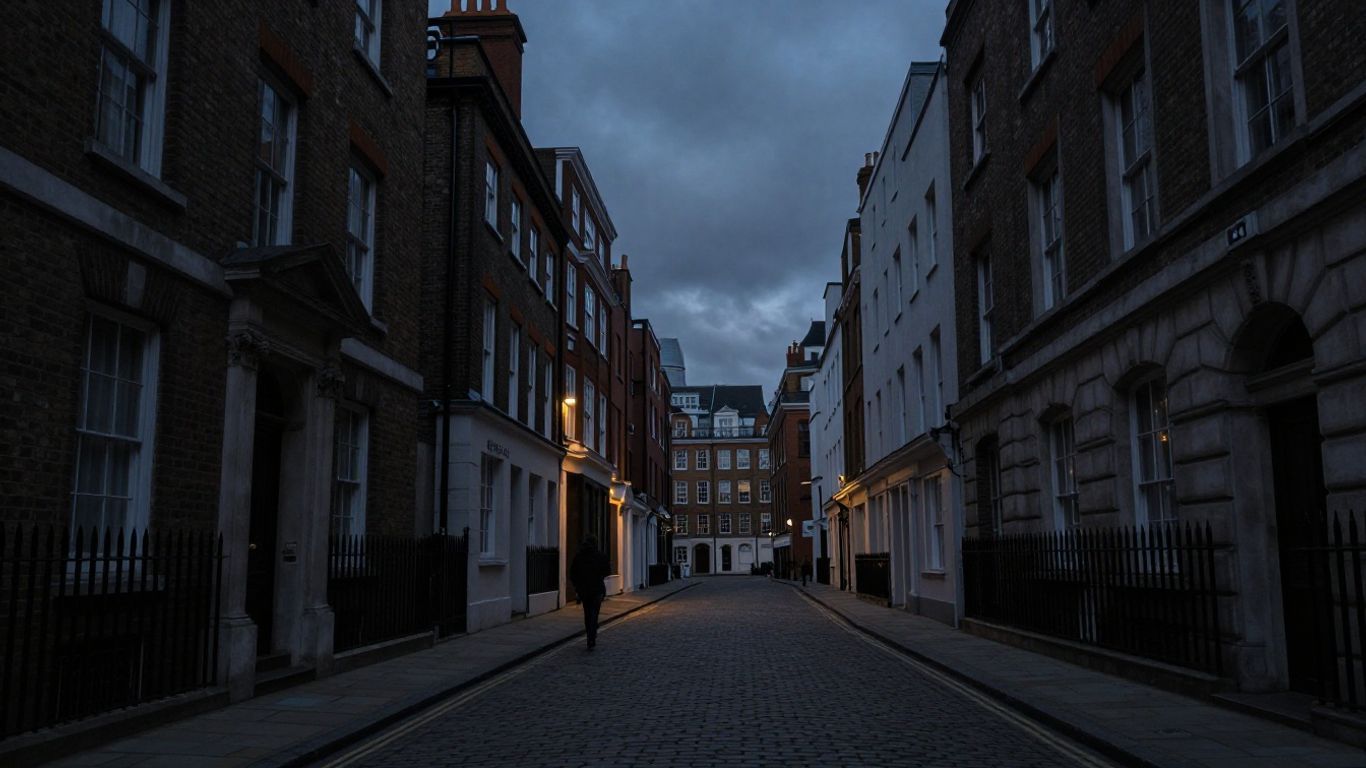
The City of London, a locale frequently associated with finance and civic order, possesses a protracted and intricate history, replete with intrigue and an array of less-than-reputable figures. Beyond its resplendent skyscrapers and venerable churches, a distinct narrative unfurls—one punctuated by civil unrest, clandestine transactions, and secluded enclaves where history's more shadowy chapters transpired. To traverse these less-trodden pathways is to uncover a City that has perpetually served as a stage for human drama, encompassing both the magnificent and the macabre. Consider the clandestine gatherings in antiquated taverns, the hushed whispers of espionage that once permeated its narrow lanes, and the tumultuous public demonstrations that rattled its very foundations. These particular narratives, though not always foregrounded in grand historical accounts, are nonetheless indelibly etched into the fundamental fabric of the City's most ancient thoroughfares.
Jack the Ripper's Bloody Mark on the City
Few figures cast as formidable a shadow in the City's darker annals as the enigmatic Jack the Ripper. Although his most notorious depredations transpired primarily in the East End, the pervasive shadow of his terror extended across the entirety of London, and the City itself retains echoes of this bleak epoch. Specialized walking tours devoted to this period frequently retrace historical footsteps and delve into the prevalent atmosphere of the late 19th century—a time when apprehension tightly gripped the capital. These investigative journeys transcend mere sensationalism, instead seeking to comprehend the societal conditions and the profound, palpable anxieties that permitted such a figure to evolve into an enduring legend. It serves as a stark, compelling reminder of the deeply human element woven into the City's rich historical tapestry.
Revolting London: 2000 Years of Rebellion
From ancient insurrections to more contemporary protests, the City of London has consistently served as a crucible for dissent and rebellion throughout its extensive existence. Envision Boudicca, leading her formidable forces, igniting the Roman settlement that would eventually evolve into London—a truly fiery genesis for its history. Fast forward through the subsequent centuries, and one discovers a City that has borne witness to innumerable acts of defiance, ranging from peasant insurrections to significant political demonstrations. These momentous events, frequently precipitated by social inequity or political turmoil, have indelibly shaped both the City's evolution and its intrinsic identity. Grasping these pivotal moments of revolt offers a distinctive lens through which to perceive London's resilient spirit.
Here's a look at some key periods of unrest:
- Roman Era: Boudicca's revolt and the subsequent destruction of Londinium.
- Medieval Period: Various uprisings, including the Peasants' Revolt of 1381, which saw rebels enter the City.
- 17th Century: Political and religious turmoil, including events surrounding the English Civil War.
- 18th & 19th Centuries: Riots and protests related to economic hardship and political reform, such as the Gordon Riots.
- Modern Era: Demonstrations and activism that continue to mark the City's public spaces.
The City's rich history, indeed, encompasses far more than mere commerce and governance; it is also a profound chronicle of its populace's struggles, their impassioned demands for change, and their steadfast readiness to challenge authority when perceiving injustice. These acts of rebellion, while occasionally violent, form an intrinsic and inseparable part of the City's enduring narrative.
Culinary Delights And Historic Haunts
Historic Taverns and Coffee Houses
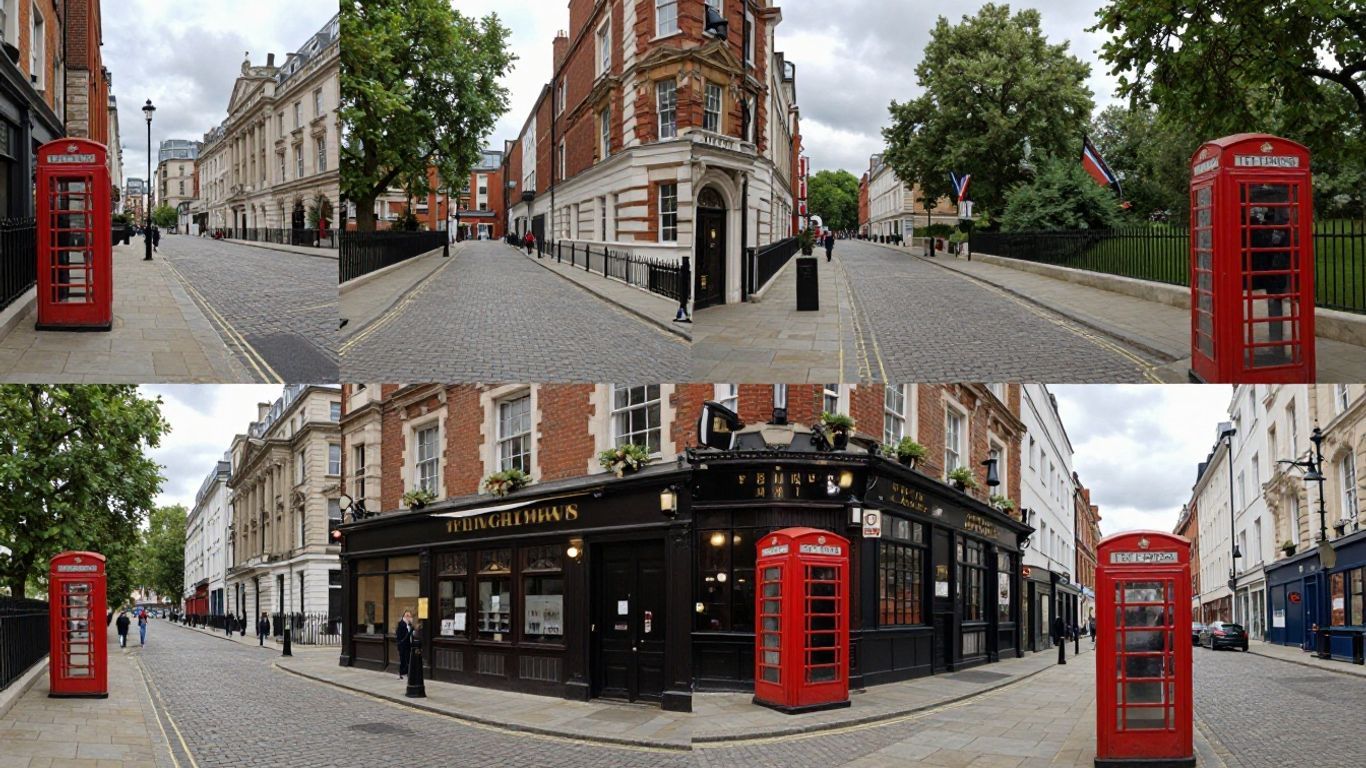
The City of London—a venerable locale profoundly steeped in centuries of commerce and culture—also proudly showcases a rich history of establishments where individuals converged to dine, imbibe, and freely exchange concepts. Long predating the ascendancy of contemporary financial institutions across its skyline, the City's narrow thoroughfares and intricate alleyways pulsated with the vibrant hum of coffee houses and taverns. These establishments, it's crucial to understand, functioned as far more than mere venues for a quick meal; they served as the veritable social and intellectual epicenters of their respective eras. Imagine, for a moment, stepping back into the 17th century, a time when coffee houses doubled as informal stock exchanges, and animated debates permeated the atmosphere. Remarkably, many of these venerable locales persist today, providing a tangible, enduring connection to the past.
- George & Vulture: Discreetly nestled in Castle Court, this venerable establishment traces its origins back to the 12th century. It famously served as a popular haunt for literary figures like Charles Dickens and even hosted the notorious Hellfire Club in its formative years. Today, it faithfully continues to offer traditional English fare.
- Ye Olde Cheshire Cheese: Situated on Fleet Street, this exceptionally atmospheric tavern stands as a remarkable survivor of the Great Fire of London. Renowned for its palpable historic charm, it has remained a cherished haunt for writers and patrons for centuries.
- The City's Coffee House Legacy: While numerous original coffee houses are no longer standing, their foundational spirit undeniably endures. These were the crucial spaces where news circulated freely, crucial deals were brokered, and the very bedrock of modern business practices was meticulously laid.
The City's taverns and coffee houses, it should be emphasized, transcended mere refreshment venues; they represented the vibrant epicenters of social and commercial life, where information flowed as unrestrictedly as the ale and coffee, thus profoundly shaping the very fabric of London's development.
Traditional Cafés and Chophouses
Beyond the more opulent taverns, the City also generously provided more unpretentious, down-to-earth dining experiences. Traditional cafés and chophouses delivered hearty, straightforward meals, frequently at accessible prices, thus serving the bustling workers and merchants of the district. These establishments were particularly celebrated for their generous portions and quintessential British cuisine.
- Simpson's Chophouse: Located on Cornhill, this venerable chophouse has been diligently serving patrons since the mid-18th century. It offers a genuine opportunity to still experience a distinct old-world charm, complete with traditional wooden tables and gleaming brass rails.
- Polo Bar: A venerable 24-hour institution positioned near Liverpool Street Station, the Polo Bar presents a quintessential café experience, featuring superb breakfasts and comforting dishes. It's precisely the sort of inviting spot where one can settle into a cozy booth and savour a proper cup of tea.
- Café Piccolo: A particular favourite among London's cab drivers, this locale is celebrated for its generous portions of pasta and substantial sandwich baps. It remains a straightforward, no-frills establishment that consistently delivers on both taste and exceptional value.
Dining in Edwardian Splendor
For those yearning for a taste of a distinct bygone era, several establishments within the City provide a tantalizing glimpse into Edwardian elegance. These particular venues frequently inhabit magnificent, historically significant edifices, thereby offering a luxurious dining experience designed to transport patrons back through time. The Ned, for instance, is splendidly housed within the former Midland Bank building, proudly featuring multiple distinct restaurants within its opulent setting, complemented by rich walnut counters and polished marble floors.
| Venue Name | Era Evoked | Notable Features |
|---|---|---|
| The Ned | Edwardian | Former Midland Bank, walnut counters, marble floors, 8 restaurants |
| Simpson's Chophouse | Mid-18th Century | Traditional chophouse, wooden tables |
Ultimately, these remarkable culinary destinations extend beyond merely offering a meal; they present a compelling opportunity to forge a tangible connection with the City of London's deeply stratified history—from its foundational genesis as a nascent trading post to its current esteemed standing as a preeminent global financial epicentre.
The City's Economic Evolution And Guilds
How the City Got Rich: Merchants and Monarchy
The City of London, frequently dubbed the 'Square Mile,' served as far more than a mere locale for worship and defense; for centuries, it functioned as the very engine room of England's burgeoning economy. Its considerable wealth, it must be noted, was not accumulated instantaneously. Rather, it burgeoned through the meticulous efforts of its merchants and the often-complex, sometimes-cooperative, yet occasionally demanding, relationship it cultivated with the monarchy. One might conceptualize this as a long-standing partnership wherein commerce channeled wealth into the kingdom, and the Crown, in reciprocity, bestowed privileges and vital protection. This intricate dynamic enabled the City to flourish remarkably, evolving into a central hub for both goods and financial activities.
The Legacy of Livery Companies
These were hardly mere social clubs; the venerable Livery Companies, in fact, formed the fundamental backbone of medieval trade and craftsmanship. Initially constituted by various guilds, they meticulously regulated their respective trades, established rigorous standards, and diligently oversaw the welfare of their members. Remarkably, a significant number of these companies continue to thrive today, occupying impressive halls strategically dispersed throughout the City. While certain trades, such as the Fan Makers, have understandably receded, others have adeptly adapted, powerfully demonstrating the enduring spirit of these long-established organizations. The Mercers, for example, once held preeminent status, dealing in luxurious fine fabrics, and their lasting influence remains palpable in the impressive properties they continue to possess.
Here's a look at some prominent Livery Companies and their historical roles:
- Mercers: Dealt in silks and velvets, holding significant economic power.
- Fishmongers: Regulated the fish trade, a vital food source.
- Goldsmiths: Controlled the standards and trade of precious metals.
- Apothecaries: Managed the trade and preparation of medicines.
From Londinium to Financial Centre
The City's remarkable trajectory, from a nascent Roman settlement to a dominant global financial powerhouse, represents a truly compelling narrative. Londinium flourished as a bustling port, and this strategic geographical advantage has consistently proven pivotal. Across the ensuing centuries, it progressively transformed from a bustling centre for the exchange of goods into a veritable hub for capital itself. The formal establishment of institutions such as the London Stock Exchange in 1801 signified a profound paradigm shift, firmly solidifying its indispensable role as a major international financial market. Presently, it stands proudly shoulder-to-shoulder with other formidable global financial giants.
The City's distinctive system of governance, characterized by its own esteemed Lord Mayor and deeply entrenched ancient rights, has uniquely enabled it to preserve a singular identity while astutely adapting to an ever-shifting economic landscape across two millennia.
Experiencing The City Of London Through Guided Walks
Expert City of London Guides for Intimate Exploration
Certainly, one could navigate the City of London armed with merely a map or a mobile application, yet doing so risks missing a vast wealth of understanding. The true magic, one might contend, unfolds when accompanied by an individual intimately familiar with the narratives etched into its very stones. Consider this scenario: you're casually traversing a street, and suddenly, your guide draws attention to a minuscule, almost concealed doorway. They then proceed to recount tales of the clandestine society that once convened within, or perhaps illuminate the history of a celebrated personality who resided just around the corner. Such profound details are, quite simply, unobtainable from a conventional guidebook. These guides, it must be emphasized, transcend mere fact recitation; they are, in essence, master storytellers. They breathe life into history, forging a connection to the past that resonates on a deeply personal level. They possess an intimate knowledge of optimal photographic vantage points, serene corners for contemplative moments, and the very taverns where historical luminaries may once have shared a drink.
Here’s what makes a good guided walk stand out:
- Local Knowledge: Guides who live and breathe the City, not just read about it.
- Engaging Narration: They make history interesting, not like a dry lecture.
- Flexibility: They can often adapt the pace or focus based on the group's interests.
- Hidden Gems: They show you places you'd never find on your own.
To embark on a walk with a knowledgeable guide truly transmutes a simple stroll into an profoundly immersive journey. One begins to discern the very strata of history—Roman walls subtly emerging from contemporary buildings, medieval alleyways converging into bustling squares. It's akin to meticulously peeling back the layers of time, one venerable street at a time.
Virtual Tours of London's Past
While physical presence may sometimes be unfeasible, this certainly doesn't necessitate foregoing the experience entirely. Virtual tours have, indeed, emerged as a splendid method for exploring the City of London, regardless of one's geographical location. These online experiences frequently leverage high-definition video and insightful commentary from expert guides to lead participants through particular themes or districts. Consider, for instance, a tour dedicated to the architectural legacy of Sir Christopher Wren, which might showcase his masterpieces—such as St. Paul's Cathedral—and elucidate the considerable challenges he confronted in rebuilding the city post-Great Fire. Alternatively, one might discover a tour that delves deeply into the City's rich Jewish heritage, tracing centuries of history through its ancient streets and pivotal sites. Moreover, certain virtual excursions even venture into the City's more shadowy historical facets, such as the compelling narratives surrounding Jack the Ripper or its turbulent history of civil unrest and rebellion. These digital explorations can serve as an excellent preliminary step, offering a taste of the City's extensive offerings and potentially inspiring a future in-person visit. They frequently illuminate specific points of interest, including:
- The archaeological finds from major projects like Crossrail.
- The history of Fleet Street and its connection to writers and printing.
- The architectural beauty of places like Leadenhall Market.
Tailored Private Tours for Specific Interests
Should one possess a distinct passion—be it Roman London, the intricate history of finance, or even the captivating filming locations from cherished motion pictures—a private tour undoubtedly represents the optimal approach. One can collaborate closely with a guide to meticulously craft an itinerary that flawlessly aligns with individual interests. Imagine dedicating an entire afternoon solely to the City's pivotal role as a financial epicentre, or perhaps embarking on an exclusive tour focused on the concealed courtyards and overlooked alleyways that the majority of passersby inadvertently bypass. Private tours afford a more personalized pace and the invaluable opportunity to pose all inquiries without any sense of haste or pressure. Ultimately, it offers the prospect of a truly bespoke experience of the City of London, meticulously tailored exclusively for you or your esteemed group.
Your City of London Adventure Awaits
Having now explored a considerable breadth of what renders the City of London truly exceptional—from its ancient origins to its vibrant contemporary pulse—it becomes clear that it is far more than merely a commercial district; it is, rather, a living history book, replete with narratives subtly tucked into every corner. Whether your inclinations lean towards the magnificent architecture of St. Paul’s, the resonant echoes of Fleet Street’s storied past, or the tranquil allure of its concealed alleyways, this remarkable locale offers something captivating for every individual. Therefore, one should not merely read about it—instead, venture forth and explore! Cast your gaze upward, meander down those intriguing side streets, and allow the City to gracefully unveil its myriad secrets to you. You may well be genuinely surprised by the treasures you discover.
Frequently Asked Questions
What makes the City of London special?
The City of London, familiarly known as the 'Square Mile,' stands as London's most ancient district, boasting its own distinctive governance and time-honoured traditions—quite separate from the broader UK. It is a captivating nexus where profound ancient history seamlessly converges with vibrant modern business, offering a rich tapestry of stories poised for discovery.
What kind of historical sites can I see in the City of London?
Visitors can explore an extensive array of historical sites, ranging from remnants of Roman ruins and medieval fortifications to magnificent structures such as St. Paul's Cathedral, a masterpiece conceived by Sir Christopher Wren. The area also boasts secluded alleyways, venerable taverns, and charming markets like Leadenhall Market, imbued with a distinctive Victorian allure.
Are there guided tours available for the City of London?
Indeed, a diverse array of guided tours awaits! One can participate in group excursions led by insightful guides who impart captivating narratives, embark on virtual tours from the comfort of home, or even arrange bespoke private tours tailored to specific interests—such as Jewish history, notable architecture, or renowned historical figures.
What are some of the famous landmarks in the City of London?
Among the essential landmarks to behold is the iconic St. Paul's Cathedral, an architectural triumph by Christopher Wren. Visitors will also encounter contemporary marvels such as The Gherkin and The Cheesegrater, juxtaposed with historic gems like Leadenhall Market, renowned for its exquisite Victorian architecture.
Can I learn about famous people or events in the City of London?
Most certainly! The City abounds with compelling narratives concerning celebrated personalities and momentous events. One can learn about influential figures such as Christopher Wren, investigate the history of widespread rebellion, or even explore the more shadowy tales connected to areas like Whitechapel, for those with an interest in historical true crime.
Where can I find places to eat in the City of London?
The City presents a diverse spectrum of dining experiences. One can savour traditional fare at historic taverns and venerable chophouses, some of which have existed for centuries, or discover contemporary eateries in venues such as The Ned. Additionally, classic cafes provide ideal spots for a swift, satisfying meal.


