
resources-malaysia
Your Essential Guide to an Unforgettable Batu Caves Malaysia Tour
Industry Expert & Contributor
12 Nov 2025

So, you're planning a trip to Malaysia? You'll definitely want to put the Batu Caves on your itinerary. This unique site is an incredible blend of natural wonder and deep spiritual significance, all nestled within a magnificent limestone hill. Whether you're eager to climb the iconic rainbow steps, marvel at the giant golden statue, or simply soak in the atmosphere, this guide will help you get the most out of your Batu Caves tour.
Key Takeaways
- Batu Caves is a major Hindu pilgrimage site and a breathtaking natural wonder located just outside Kuala Lumpur.
- Getting there is a breeze; you can use Grab or take the convenient KTM Komuter train from KL Sentral.
- To show respect at this religious site, be sure to dress modestly by covering your shoulders and knees.
- Prepare for Malaysia's tropical heat and humidity—bring some water and wear light, comfortable clothing.
- Keep an eye out for the macaques! These cheeky monkeys are known to be bold, so secure your belongings and avoid feeding them.
Planning Your Batu Caves Malaysia Tour
Preparing for your visit to Batu Caves is quite simple, but a little bit of planning can make all the difference to your experience. It's not just about turning up; thinking ahead about the best time to visit, how you'll get there, and what to wear will ensure your day goes smoothly. Plus, having an idea of what to expect helps you truly appreciate this special place.
Best Time To Visit Batu Caves
So, what’s the ideal time for a trip to Batu Caves? Honestly, your best bet for a less crowded experience is to avoid major public holidays and festivals. Weekdays are generally quieter than weekends, and it's wise to steer clear of huge events like Thaipusam unless you're specifically there for the festival. The weather is consistently tropical year-round, so expect warmth and humidity. That said, arriving early in the morning is a smart move. Not only will you beat the intense afternoon heat, but you'll also navigate smaller crowds. We aimed for about 8:15 AM on a weekday and found it manageable, though earlier is always better if you can swing it. The caves open at 7 AM, making an early start very achievable.
How To Get To Batu Caves
Getting from Kuala Lumpur to Batu Caves is surprisingly straightforward. The most wallet-friendly option is the KTM Komuter train. Just hop on the Batu Caves–Port Klang line from KL Sentral station; the journey takes about 30 minutes and drops you right near the entrance. It's incredibly convenient and affordable. If you prefer a more direct route, ride-hailing apps like Grab are another popular and reasonably priced choice, especially if you're travelling from the city centre. Located just north of KL, it's not a long journey at all.
What To Wear At Batu Caves
Now, this is an important one. As Batu Caves is a functioning religious site, dressing respectfully is key. This means you’ll need to cover both your shoulders and your knees. I opted for loose, lightweight clothing that was comfortable in the heat while still being appropriate for the temples. If your attire doesn't meet the dress code, don't worry—you can easily rent or buy sarongs near the entrance for a small fee. Some visitors even pass theirs on to others after they're done. Just keep it modest, and you'll be perfectly fine.
Batu Caves Entrance Fees
Here's some great news: visiting the main cave and climbing those famous 272 steps is completely free! There's no entrance fee for the primary attraction. However, if you're planning to check out some of the smaller, optional caves like the Art Gallery Cave or the Ramayana Cave, there may be a small charge to enter those specific areas. But for the main event—your wallet can stay comfortably in your pocket.
A friendly heads-up: the monkeys here are known for being quite bold. Keep your belongings zipped up and secure, and please try not to feed them, as they can become a bit too familiar if they spot food.
Exploring The Main Attractions
When you visit Batu Caves, there are a few key sights that really define the experience. It's not just about the climb; it's what you discover along the way and at the summit that makes the journey so memorable.
The Rainbow Steps
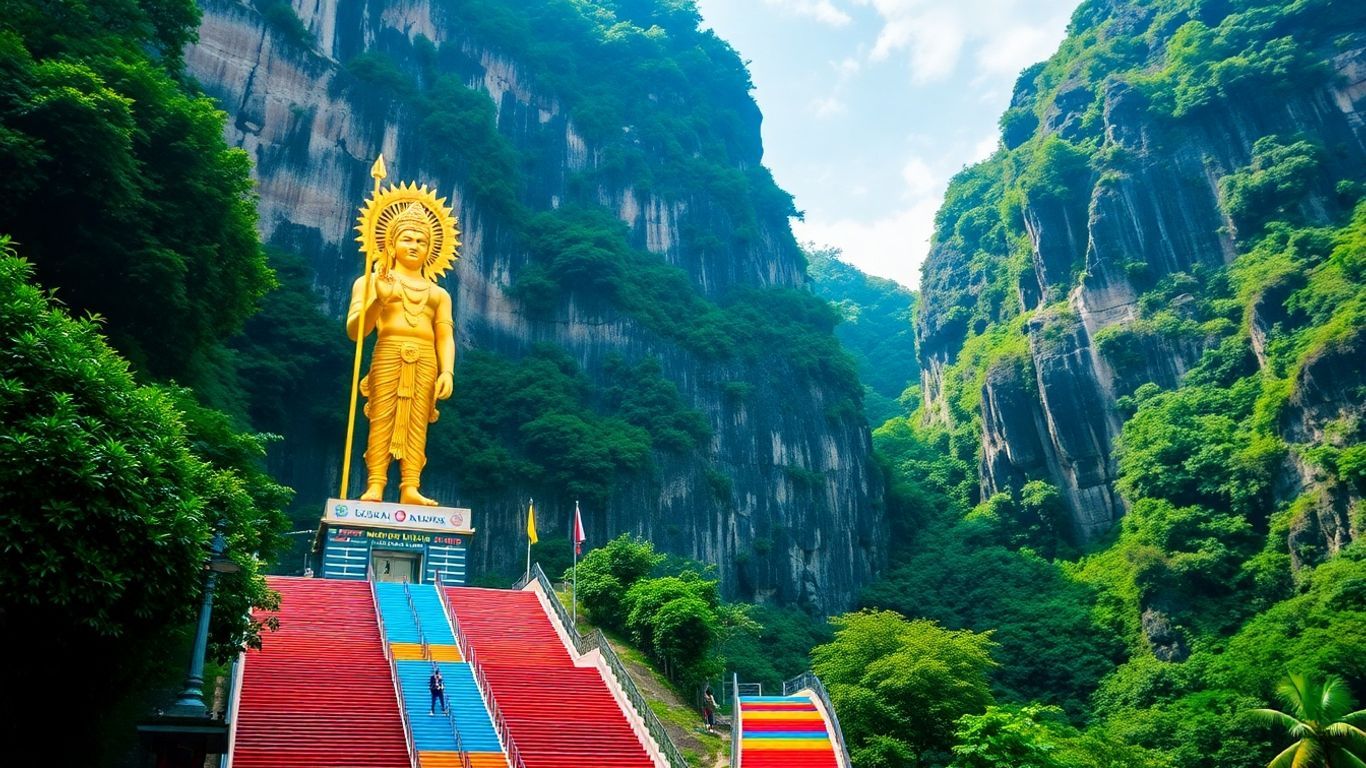
Alright, the first thing you'll notice—and likely the most photographed feature—is the magnificent staircase. There are 272 steps, each painted in incredibly vibrant, rainbow colours. It adds such a cheerful, almost playful feel to the ascent. As you climb, the view of the city unfolding below gets more impressive with every step. It's the perfect excuse to pause, catch your breath, and snap some fantastic photos. The combination of the towering limestone cliffs around you and the sprawling city in the distance creates a truly unique scene. Even if you're not an avid hiker, taking it at your own pace makes the climb entirely manageable.
Temple Cave
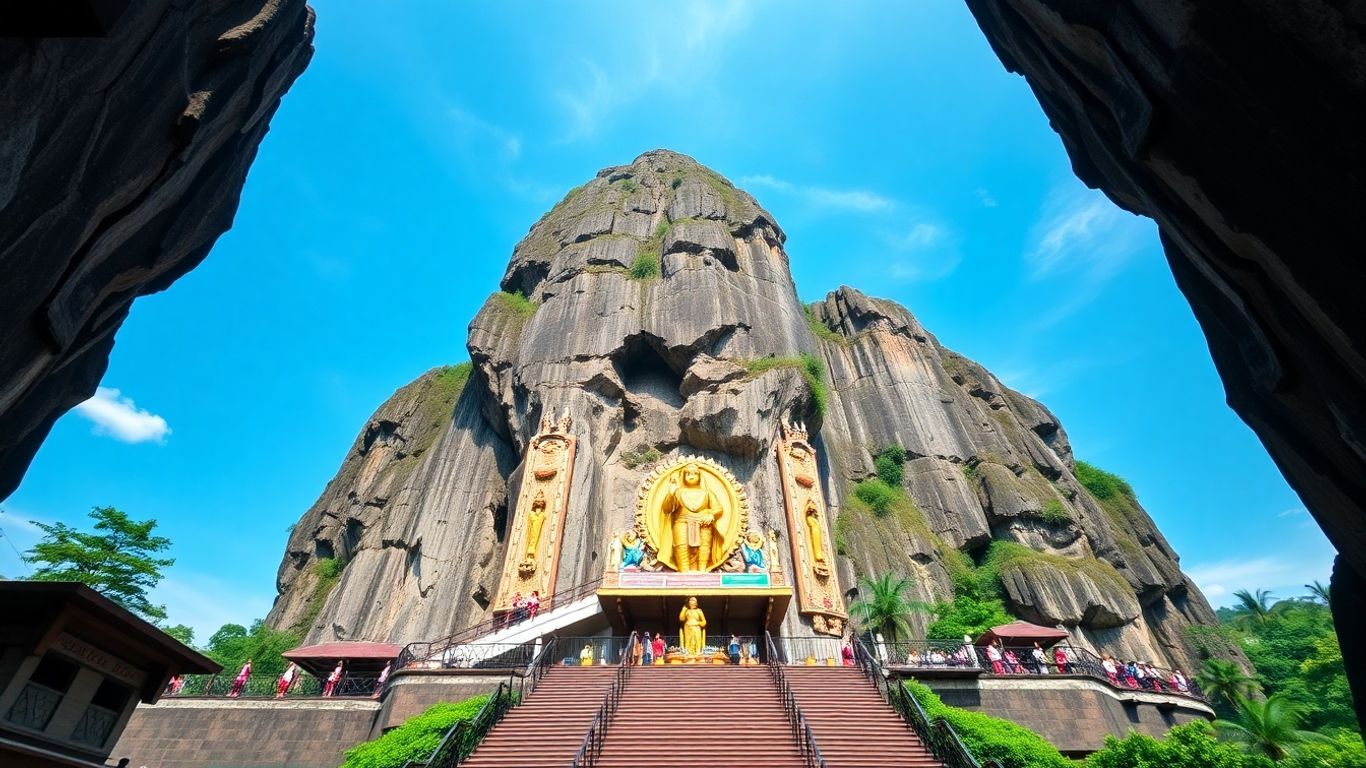
Once you’ve conquered those rainbow steps, you’ll arrive at the entrance to the main cave, known as Temple Cave. Walking through the massive archway feels like stepping into another realm. The cavern's ceiling is incredibly high, giving the space a grand, cathedral-like atmosphere. Inside, you'll find various temples and shrines that form the spiritual heart of the complex. It’s a bustling hub of devotion, with worshippers praying and making offerings, so it's a good time to be mindful and respectful of the sacred activities around you.
The Giant Lord Murugan Statue
You can't possibly miss it—before you even begin your ascent, the colossal golden statue of Lord Murugan stands guard over the entrance. It's a truly awe-inspiring sight, standing tall and majestic. This statue has become a powerful symbol of Batu Caves, adding a profound sense of spiritual energy to the entire site. As one of the tallest statues of Lord Murugan in the world, it's a sight to behold and makes for a fantastic photo opportunity before you start your climb.
Batu Caves is far more than just a tourist destination; it's a living, breathing Hindu pilgrimage site. The palpable energy here is a unique blend of the caves' natural grandeur and the deep devotion of the people who visit.
Understanding The History And Spirituality
The Batu Caves are so much more than a picturesque spot with a giant statue and a challenging flight of steps. These limestone formations are ancient—over 400 million years old, in fact—and have served as a place of great significance for Hindus for generations. It’s this fusion of natural wonder and profound spiritual heritage that makes the place so incredibly special.
Ancient Origins Of The Caves
Believe it or not, these caves are some of the oldest in the world, formed long before humans walked the earth. The limestone itself tells a story of immense geological time. It's quite humbling to think about how long they've been here, quietly waiting to become the spiritual hub they are today. The sheer natural beauty of the caves is a huge part of why they were ultimately chosen as a sacred place of worship.
Hindu Pilgrimage Site
For the Hindu community, especially in Malaysia, Batu Caves is a major pilgrimage destination. The main cavern, often called Temple Cave, is home to numerous shrines and altars dedicated to various Hindu deities. The most prominent is the shrine for Lord Murugan, whose massive statue you've already seen outside. As sunlight streams in from openings high above, the entire space feels even more sacred. It's a place where people come to pray, reflect, and deepen their connection to their faith.
The Significance Of Thaipusam Festival
Planning your trip during Thaipusam? It's an experience like no other. This vibrant festival typically occurs in late January or early February, coinciding with the full moon. For 2025, it's scheduled for February 11th. It's a massive event for the Hindu community, drawing devotees who walk for miles—sometimes barefoot—from Kuala Lumpur's Sri Mahamariamman Temple all the way to Batu Caves. They carry offerings and perform incredible acts of devotion to honour Lord Murugan. It’s a colourful, intense, and deeply spiritual occasion that attracts people from around the globe who come to witness the profound faith and unique traditions, such as the carrying of "kavadis" (decorated physical burdens).
A visit to Batu Caves offers a unique window into Malaysia's rich cultural diversity. It's a place where the grandeur of nature meets deep-rooted spiritual practices, creating an atmosphere that is both awe-inspiring and serene.
Beyond The Main Cave
While the main Temple Cave and its iconic steps undoubtedly steal the show at Batu Caves, there's plenty more to discover if you're feeling curious. The surrounding caves offer a variety of different experiences, from exploring natural ecosystems to appreciating religious art.
Discovering The Dark Cave
Just a short distance from the main attraction lies the Dark Cave, which offers a completely different kind of adventure. This cave system is a protected natural habitat for a host of unique creatures. Guided conservation tours focus on the cave's delicate ecosystem, showcasing its stunning limestone formations and the fascinating animals that call it home, including rare spiders and bats. It’s an excellent choice if you want to delve into the natural side of Batu Caves and enjoy a break from the crowds.
Exploring The Art Gallery Cave
If you have an appreciation for art and mythology, the Art Gallery Cave is well worth a look. Inside, you'll discover a collection of statues and colourful paintings. These artworks vividly depict scenes from Hindu mythology, taking you on a visual journey through ancient stories and legends. It's a much quieter space that adds a rich cultural layer to your visit, offering another way to connect with the site's spiritual heritage.
Visiting The Ramayana Cave
Another cave holding great significance, particularly for those familiar with Hindu epics, is the Ramayana Cave. As its name suggests, this cave is dedicated to the epic tale of Lord Rama. It is adorned with life-sized statues and dioramas that narrate key moments from the Ramayana, creating an immersive storytelling experience as you walk through. It's a place where history and spirituality converge through captivating visual art.
Exploring these additional caves can really complete your visit to Batu Caves. They provide a chance to appreciate different facets of the site beyond the main temple—from its precious natural environment to its rich cultural narratives.
Practical Tips For Your Visit
Ready for your trip to Batu Caves? Excellent! It's a truly amazing place, but as with any popular attraction, a little preparation can go a long way. Here are a few practical tips I picked up that should help make your visit even smoother.
Dealing With The Monkeys
Right, let's talk about the monkeys. You'll see them everywhere, and to be honest, they're quite bold. They are very accustomed to people and are always on the lookout for snacks. Don't feed them—no matter how tempting it might be. It's not healthy for them and can encourage aggressive behaviour. Keep your bags securely zipped and avoid flashing shiny items like your phone or camera too much, as their curiosity can get the better of them. If one gets a bit too close, just stay calm and move away slowly. They're usually more interested in an easy meal than anything else.
Batu Caves Weather Preparations
Kuala Lumpur's climate is tropical, meaning it's almost always warm and humid, with the chance of a sudden rain shower. Seriously, the weather can turn from bright sunshine to a downpour in minutes.
- Dress light: Opt for breathable fabrics like cotton or linen. You'll be doing a fair bit of climbing, and heavy clothing will quickly become uncomfortable.
- Sun protection: Sunscreen, a hat, and sunglasses are your friends. The sun can be quite intense, especially on the exposed staircase.
- Rain gear: It's always a good idea to pack a small, foldable umbrella or a light poncho, just in case the heavens open up.
Staying Hydrated And Comfortable
Climbing 272 steps is no small feat, especially in the Malaysian heat. You'll definitely want to have water with you. While there are vendors selling drinks on-site, you might find the prices get a little higher as you go up.
The steps themselves can become surprisingly hot, especially in the midday sun, so comfortable and sturdy footwear is an absolute must. You might want to leave the flip-flops at the hotel for this one!
Also, don't forget the dress code: shoulders and knees must be covered out of respect for the holy site. If you forget, you can typically rent a sarong near the entrance, but it’s much easier to just come prepared.
Rock Climbing Opportunities
Did you know that Batu Caves is also a world-renowned destination for rock climbing? The massive limestone cliffs that frame the caves feature a number of challenging routes for experienced climbers. If that's your kind of adventure, several local guides and companies can arrange climbing excursions. It offers a completely different way to experience the area, with incredible views from a unique vantage point. Just be sure to go with a reputable guide if you decide to scale these walls!
Extending Your Kuala Lumpur Adventure
So, you’ve conquered the steps and absorbed the spiritual atmosphere of Batu Caves. Fantastic! But don't start packing your bags just yet. Kuala Lumpur—or KL, as we locals call it—has so much more to see and do, with many of its top attractions just a short journey away. Think of it as adding a few more exciting chapters to your Malaysian adventure.
Exploring Kuala Lumpur City Centre
Just a quick ride from Batu Caves, KL's city centre is a vibrant hub of energy and iconic landmarks. You simply have to see the Petronas Twin Towers; they're even more breathtaking in person. Then there's the KL Tower, which offers panoramic views across the entire city skyline. If shopping is on your agenda, the Bukit Bintang area is your go-to destination, packed with sprawling malls and bustling street markets. For a dose of culture, the Islamic Arts Museum and the National Museum are well worth a visit. And for the foodies? The Jalan Alor night market is an absolute must—the food scene here is legendary for a reason.
Visiting Selangor State Park
If all the climbing and city exploration has you craving a dose of nature, Selangor State Park is the perfect remedy. It’s located not too far from Batu Caves and provides a peaceful escape into a lush, tropical rainforest. You'll find well-maintained walking trails perfect for a leisurely stroll and plenty of spots to simply sit, relax, and listen to the sounds of the jungle. It’s a wonderful way to get some fresh air and find a moment of tranquility after the city's hustle and bustle.
Experiencing Local Markets
Markets are where you get a real feel for a city's soul, wouldn't you agree? KL has some truly fantastic ones. Beyond the food-focused Jalan Alor, consider a trip to Central Market (Pasar Seni) for local handicrafts and souvenirs. Here you can find everything from beautiful batik fabrics to intricate wood carvings. It’s a great place to hunt for unique gifts and maybe even practice your friendly bargaining skills. You never know what hidden gems you might uncover!
Here’s a savvy traveller tip: download the Grab app before you arrive. It's the local equivalent of Uber and is incredibly useful for getting around KL and to places like Batu Caves. Also, consider getting a Wise card for favourable exchange rates on your spending.
Wrapping Up Your Batu Caves Adventure
So, there you have it—a guide to making the most of your visit to Batu Caves. It's a truly memorable destination, and climbing those 272 steps is an experience in itself, even if it seems a bit daunting at first. The views from the top are well worth the effort, and the unique atmosphere—with the giant statue and the sacred temples nestled inside the cavern—is something you won't soon forget. Just remember to dress appropriately, bring water, and watch out for your belongings (those monkeys are quick!). If you have time afterwards, exploring more of what KL has to offer is the perfect way to round out your trip. I hope this guide helps you plan your own amazing adventure!
Frequently Asked Questions
What is the best time to visit Batu Caves?
The ideal time to visit Batu Caves is early in the morning on a weekday. This allows you to avoid the largest crowds and the sweltering midday heat. An early visit also provides a more serene atmosphere for exploring the spiritual site. If you prefer a quieter experience, it's best to avoid public holidays and major festivals like Thaipusam.
How do I get to Batu Caves?
Getting to Batu Caves is quite straightforward! From Kuala Lumpur, you can take a taxi or a ride-hailing service like Grab for a quick and convenient journey. Alternatively, public transport is a great option; simply take the KTM Komuter train from KL Sentral station. The train stops at the Batu Caves station, which is just a short walk from the main entrance.
What should I wear when visiting Batu Caves?
As Batu Caves is a religious site, it's important to dress respectfully. This means ensuring your shoulders and knees are covered. Given the tropical weather, light and breathable clothing is recommended. If your outfit isn't suitable, you can easily buy an affordable sarong near the entrance to wear during your visit.
Are there any entrance fees for Batu Caves?
Good news—the main Batu Caves temple and the famous 272-step staircase are free to enter! There are no admission fees for the primary attraction. However, some of the smaller caves within the complex, such as the Art Gallery Cave or Ramayana Cave, may charge a small entrance fee.
What are the main things to see at Batu Caves?
The main highlight is climbing the 272 colourful steps to reach the expansive Temple Cave. At the base of the stairs, you'll be greeted by the giant golden statue of Lord Murugan. Inside the Temple Cave, you'll discover various shrines and impressive natural rock formations. You can also explore other nearby caves, like the Dark Cave for a nature tour or the Art Gallery and Ramayana Caves for cultural displays.
Should I be worried about the monkeys at Batu Caves?
The monkeys at Batu Caves are very active and can be quite mischievous! While they are fascinating to watch, it's best to maintain a respectful distance and refrain from feeding them. Be sure to keep your belongings, like bags, food, and sunglasses, secure, as they have been known to snatch items. It's best to treat them as wild animals and avoid direct interaction.
Share

Peyman Khosravani
Industry Expert & Contributor
Peyman Khosravani is a global blockchain and digital transformation expert with a passion for marketing, futuristic ideas, analytics insights, startup businesses, and effective communications. He has extensive experience in blockchain and DeFi projects and is committed to using technology to bring justice and fairness to society and promote freedom. Peyman has worked with international organisations to improve digital transformation strategies and data-gathering strategies that help identify customer touchpoints and sources of data that tell the story of what is happening. With his expertise in blockchain, digital transformation, marketing, analytics insights, startup businesses, and effective communications, Peyman is dedicated to helping businesses succeed in the digital age. He believes that technology can be used as a tool for positive change in the world.


