
resources
Unlocking Innovation: The Evolution of Amsterdam Smart City Initiatives
Industry Expert & Contributor
19 Jul 2025

Amsterdam has been doing some really cool stuff with its smart city projects. It’s not just about fancy tech; it’s about making the city work better for everyone who lives there. From how they got started to how they handle new ideas, Amsterdam shows us a different way to think about city improvements. They’re all about working together, being open, and learning from what doesn’t quite go to plan. It’s a pretty interesting story about how a city can change and grow with its people.
Key Takeaways
- Amsterdam started its smart city journey in 2009, bringing together lots of people and businesses to work on projects.
- The city really focuses on its residents, letting them help shape urban changes and using interactive tools to get everyone involved.
- Amsterdam’s smart city success comes from a neutral way of running things, being open about mistakes, and learning from them.
- They have real-world projects like an app for parking, smart streetlights, and systems to watch traffic in real time.
- Amsterdam is big on making sure everyone benefits from new tech, like making public services easier to use and being clear about how algorithms work.
The Genesis of Amsterdam Smart City
The story of Amsterdam as a smart city really took off back in 2009. It wasn’t just about slapping some tech onto existing systems; it was a conscious effort to rethink how the city operated. It’s pretty cool how it all started, actually.
A Collaborative Beginning in 2009
Amsterdam’s smart city journey kicked off with a simple idea: let’s get everyone involved. The initiative wasn’t driven by a single entity but by a collective of residents, businesses, and the government. This collaborative spirit is what really set the stage for everything that followed. It wasn’t just about top-down directives; it was about figuring out what people actually needed and wanted from their city.
Engaging Innovators and Projects
To make this collaborative vision a reality, Amsterdam actively sought out innovators and projects that aligned with its smart city goals. This wasn’t just about funding; it was about creating a platform where ideas could be tested, refined, and scaled. The city became a living lab, where new technologies and approaches could be tried out in real-world settings. It’s like they were saying, "Hey, got a cool idea? Let’s see if it works here!"
- Open calls for proposals
- Pilot programs in different neighborhoods
- Partnerships with universities and research institutions
The city’s approach was less about imposing solutions and more about facilitating experimentation. This meant creating an environment where failure was seen as a learning opportunity, not a setback.
The Annual Amsterdam Smart City Challenge
To keep the innovation pipeline flowing, Amsterdam launched the annual Amsterdam Smart City Challenge. This competition invites residents, entrepreneurs, and organizations to submit their ideas for making the city smarter, more sustainable, and more livable. It’s a great way to tap into the collective intelligence of the community and discover new solutions to urban challenges. The Amsterdam Smart City Challenge is a great way to get people involved.
| Year | Focus Area | Winning Project |
|---|---|---|
| 2023 | Sustainable Mobility | Electric Vehicle Sharing Program for Low-Income Residents |
| 2024 | Circular Economy | Waste Recycling System Using AI |
| 2025 | Inclusive Digitalization | Digital Literacy Program for Senior Citizens |
A Citizen-Centric Approach to Innovation
Amsterdam’s smart city initiatives place people at the heart of progress. It’s not just about fancy tech; it’s about making life better for everyone who lives there. The city actively seeks input from its residents, ensuring that projects address real needs and concerns. This approach helps to build trust and ensures that innovation benefits all members of the community.
Empowering Residents for Urban Evolution
Amsterdam believes that the best ideas come from the people who experience the city every day. The city actively involves residents in the design and implementation of smart city projects. This might involve workshops, online forums, or community meetings where people can share their thoughts and suggestions. By giving residents a voice, Amsterdam ensures that its smart city initiatives are truly responsive to the needs of its population. For example, citizen engagement is a key factor in the success of Zurich, Oslo, and Canberra’s urban development.
Blending Local Issues with Global Topics
Amsterdam recognizes that local challenges are often connected to broader global issues. The city uses the "Doughnut Economics" model to address both planetary and human needs. This framework helps to align local decisions with global goals, such as reducing carbon emissions and promoting social equity. By connecting local action with global challenges, Amsterdam ensures that its smart city initiatives contribute to a more sustainable and equitable future. The city’s approach to inclusive urban innovation was recently shared at the #CIPPCD2025 conference in Aveiro.
Interactive Platforms for Community Engagement
Amsterdam uses a variety of interactive platforms to engage with its residents. These platforms allow people to share ideas, provide feedback, and participate in decision-making processes. One example is the Amsterdam InChange platform, which allows residents to propose and vote on smart city projects. These platforms help to create a sense of community ownership and ensure that smart city initiatives are truly collaborative. Regular Demo Days allow project teams to showcase progress, get feedback, and adapt.
By actively involving residents in the design and implementation of smart city projects, Amsterdam ensures that its initiatives are truly responsive to the needs of its population. This approach helps to build trust and ensures that innovation benefits all members of the community.
Key Pillars of Amsterdam’s Smart City Success
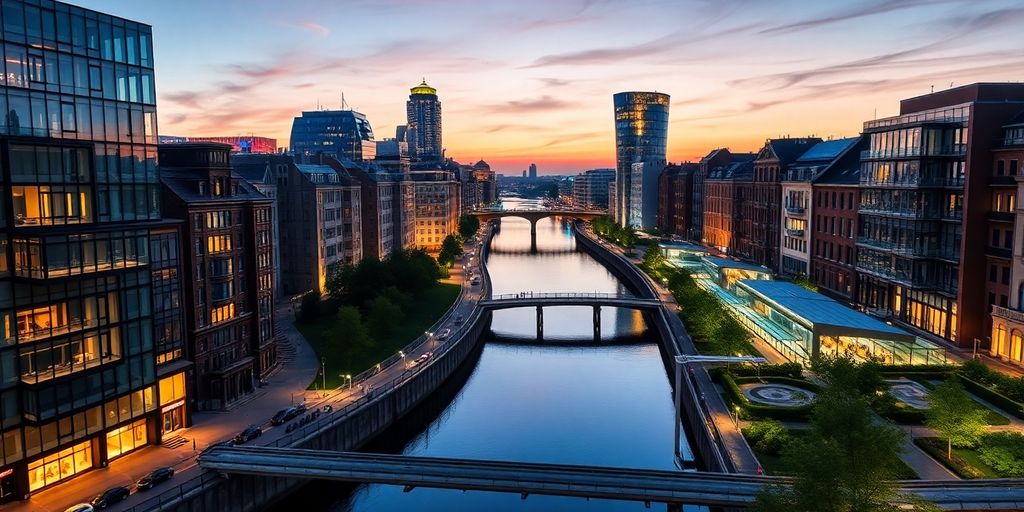
Amsterdam’s journey to becoming a leading smart city isn’t just about tech; it’s about a specific way of doing things. It’s a combination of governance, transparency, and a willingness to learn, even from mistakes. It’s about putting people first and using technology as a tool to improve lives, not the other way around.
The Governance Model: Neutral Facilitation
The secret to Amsterdam’s success lies in its governance model: small, neutral facilitation teams guiding large multi-stakeholder coalitions, anchored by public trust and shared purpose. Instead of top-down mandates, Amsterdam uses small teams to guide different groups toward common goals. These teams don’t dictate; they help everyone work together. This approach builds trust and ensures that projects align with what the community actually needs. Regular "Demo Days" allow project teams to showcase progress, get feedback, and adapt.
Embracing Transparency and Iteration
Transparency is key. Amsterdam believes in showing how things work, what data is being collected, and how decisions are made. This builds trust with residents and allows for better collaboration. The city also embraces iteration, constantly refining its approach based on feedback and results. This means projects are never really "finished" but are always evolving to meet changing needs. This is also a key component of the SustHack model.
Learning from Failure: The ‘Innovation Graveyard’
No one likes to fail, but Amsterdam sees it as a learning opportunity. They even have something called the "Innovation Graveyard," which isn’t a literal graveyard, but a collection of projects that didn’t quite work out. The city openly shares the lessons learned from these failures, helping others avoid the same pitfalls. This willingness to be open about what didn’t work is a big part of what makes Amsterdam’s smart city approach so successful. Reports openly list lessons, from the importance of strong leadership to the need for viable business models and continuous user involvement.
Amsterdam’s smart city approach isn’t a rigid plan; it’s a way of thinking. It starts with identifying local challenges, bringing the right people together, and creating space for experimentation. It’s about building connections between local needs and global goals, and most importantly, putting citizens at the center of everything.
Practical Applications of Smart City Initiatives
Amsterdam’s smart city vision isn’t just theoretical; it’s brought to life through a range of practical applications that directly impact residents and visitors. These initiatives showcase how technology and data can be used to improve urban living, making the city more efficient, sustainable, and enjoyable.
Mobypark: Smart Parking Solutions
Tired of circling the block looking for parking? Mobypark offers a solution. This app allows people with parking spaces – whether they’re private residents or businesses – to rent them out to others. This clever system not only makes it easier to find parking, but it also helps to optimize parking space usage across the city. The data generated by Mobypark is also super useful for the city, giving them insights into parking demand and traffic patterns. It’s a win-win!
Smart Lighting for Urban Management
Amsterdam has implemented smart lighting systems that go beyond simply illuminating the streets. These systems can adjust brightness based on real-time conditions, such as traffic flow or pedestrian activity. This saves energy and reduces light pollution. Plus, some systems can even detect sounds like gunshots or breaking glass, adding an extra layer of security. It’s a great example of how smart lighting can improve safety and sustainability.
Real-Time Traffic Monitoring and Management
Traffic congestion is a major headache in any city. Amsterdam uses real-time traffic monitoring to understand traffic flow and provide drivers with up-to-date information. This helps people plan their routes more effectively and avoid traffic jams. The city also uses this data to optimize traffic light timings and make other adjustments to improve traffic flow. It’s all about making getting around the city easier and faster. The Smart Mobility Amsterdam program is key to this effort.
Amsterdam’s approach to smart city initiatives is all about finding practical solutions to everyday problems. It’s not just about flashy technology; it’s about using data and innovation to make the city a better place to live, work, and visit.
Fostering Inclusive Urban Development
Amsterdam’s smart city vision goes beyond just tech and data. It’s about making sure everyone benefits from urban progress. The focus is on creating a city where technology helps to reduce inequalities and improve the quality of life for all residents, regardless of their background or circumstances. It’s about building a city that works for everyone, not just a select few.
Designing Inclusive Mobility Systems
One of the biggest challenges in any city is making sure everyone can get around easily and affordably. Amsterdam is working on inclusive mobility systems that consider the needs of all residents, including those with disabilities, low-income individuals, and the elderly. This means thinking about things like accessible public transportation, affordable fares, and safe routes for pedestrians and cyclists. The goal is to create a transportation network that is accessible, affordable, and convenient for everyone.
- Accessible public transport for all residents.
- Affordable fares to reduce mobility poverty.
- Safe routes for pedestrians and cyclists.
Humanizing Digital Government Services
As more government services move online, it’s important to make sure they are easy to use and accessible to everyone. This means designing digital services that are user-friendly, available in multiple languages, and accessible to people with disabilities. It also means providing support for people who may not be comfortable using technology. The aim is to make sure that everyone can access the services they need, regardless of their digital skills or access to technology.
Prioritizing Pedestrians and Cyclists
Amsterdam is famous for its cycling culture, and the city is committed to making it even easier and safer for people to get around on foot or by bike. This means investing in infrastructure like bike lanes, pedestrian walkways, and traffic calming measures. It also means creating policies that prioritize pedestrians and cyclists over cars. The goal is to create a city where walking and cycling are the most convenient and enjoyable ways to get around.
By prioritizing pedestrians and cyclists, Amsterdam aims to create a more livable and sustainable city for all residents. This approach not only promotes physical activity and reduces traffic congestion but also contributes to a more vibrant and inclusive urban environment.
Responsible Technology and Data Transparency

Amsterdam is really trying to make sure tech is used responsibly and that data is open. It’s not just about having cool gadgets; it’s about making sure these things actually help people and don’t create new problems. They’re thinking hard about how to build trust in a digital world.
The World’s First Algorithm Register
Amsterdam has created the world’s first Algorithm Register. This is a big deal because it lets people see how the city uses algorithms in things like traffic management and housing applications. It’s all about showing how these systems work and making sure they’re fair. It’s a way to keep things in check.
Ensuring Tech Transparency in Public Services
It’s not enough to just have algorithms; you need to be open about how they’re used. Amsterdam is working to make sure all public services that use tech are transparent. This means explaining how the tech works, what data it uses, and how it makes decisions. The goal is to make sure people understand what’s going on and can trust the system.
Building Trust Through Open Data
Open data is a big part of Amsterdam’s approach. The city believes that making data available to the public can help build trust and encourage innovation. By sharing data, they’re hoping to get more people involved in solving problems and making the city better. It’s about working together to create a smarter, more transparent city.
Amsterdam is really focused on making sure technology serves the people, not the other way around. They’re trying to create a system where everyone has a say and where data is used in a way that benefits the community.
Here’s a quick look at some of the values they’re trying to uphold:
- Accountability
- User-centric design
- Transparency
- Openness
- Sovereignty
Amsterdam’s Global Influence and Mindset
Amsterdam’s journey as a smart city isn’t just a local story; it’s a narrative that resonates globally. The city’s experiences, successes, and even its failures, offer lessons and inspiration for other urban centers striving to become smarter and more sustainable. It’s less about copying Amsterdam’s exact solutions and more about adopting its mindset of collaboration, experimentation, and citizen-centric innovation.
A Blueprint for Other Cities
Amsterdam doesn’t present its smart city initiatives as a one-size-fits-all solution. Instead, it offers a model—a way of thinking and approaching urban challenges. The core idea is to start with the biggest local challenge, bring together the right people, create space for experimentation, and build bridges between local needs and global knowledge. This adaptable approach allows other cities to tailor solutions to their specific contexts, resources, and priorities.
From Global Goals to Local Action
Amsterdam actively translates global goals, such as the UN’s Sustainable Development Goals (SDGs), into concrete local actions. This involves:
- Identifying specific SDGs relevant to Amsterdam’s urban challenges.
- Developing projects and initiatives that directly contribute to those goals.
- Measuring and reporting on progress to ensure accountability.
By connecting local initiatives to global frameworks, Amsterdam demonstrates how cities can play a vital role in addressing global challenges like climate change, inequality, and digital inclusion.
The Amsterdam Innovation Trail
To share its experiences and inspire other cities, Amsterdam has created the "Amsterdam Innovation Trail." This initiative involves:
- Organizing study visits and workshops for city officials and urban planners from around the world.
- Showcasing successful smart city projects and initiatives.
- Facilitating knowledge exchange and collaboration between cities.
Through the Innovation Trail, Amsterdam aims to:
- Promote the adoption of smart city principles and practices globally.
- Build a network of cities committed to sustainable urban development.
- Accelerate the transition to a smarter, more inclusive, and resilient urban future.
Amsterdam’s influence extends beyond specific projects or technologies. It’s about fostering a culture of innovation, collaboration, and citizen engagement that can be replicated and adapted in cities worldwide.
Looking Ahead: Amsterdam’s Path Continues
Amsterdam’s journey as a smart city shows what happens when people work together. It’s not just about new technology; it’s about making daily life better for everyone. The city’s way of doing things, with open discussions and a willingness to learn from mistakes, sets a good example. Other cities can take ideas from Amsterdam’s experience. They can start by looking at their own big problems, getting different groups of people involved, and trying out new things. The main idea is to always keep the people who live in the city at the center of all efforts. This approach helps create places that are not just smart, but also fair and good for all.
Frequently Asked Questions
When did the Amsterdam Smart City project begin?
The Amsterdam Smart City project started in 2009. It brings together people, the government, and businesses to work on new ideas for the city.
What makes Amsterdam’s approach to being a ‘smart city’ different?
It’s special because it focuses on involving regular people in making the city better. They use technology, but also simple, human-centered ideas.
How does Amsterdam manage its smart city projects?
The city has a special team that helps guide projects without taking sides. They also share what they learn, even if things don’t go as planned, so everyone can learn from it.
Can you give examples of smart city projects in Amsterdam?
Yes, they have apps like Mobypark for finding parking. They also use smart streetlights and systems to watch traffic in real-time to help people get around.
How does Amsterdam make sure its smart city ideas include everyone?
They try to make sure everyone can use city services and transportation easily. They even have a ‘Mobility Wallet’ idea to help people pay for travel.
How does Amsterdam make sure technology is used fairly and openly?
Amsterdam has the world’s first ‘Algorithm Register.’ This lets people see how the city uses computer programs and AI in public services, which helps build trust.


