
resources
The Future is Now: How Smart Infrastructure is Revolutionizing Urban Living
Industry Expert & Contributor
19 Jul 2025

Ever wonder how cities are getting smarter? It’s not just a sci-fi movie thing anymore. Places all over the world are using cool new tech to make urban life better for everyone. We’re talking about smart infrastructure, which is basically making city systems work together using data. This stuff is changing how we get around, how we use energy, and even how safe we feel. Let’s dig into how smart infrastructure is making our cities more modern and efficient.
Key Takeaways
- Smart infrastructure uses connected tech and data to make city systems run better.
- It helps traffic move smoother and makes public transportation more useful.
- These systems are good for the planet, helping cities save energy and manage waste.
- Smart tech can make cities safer by improving emergency response and keeping an eye on things.
- It’s also changing how cities are planned and built, making them stronger and more efficient.
Defining Smart Infrastructure

What Constitutes Smart Infrastructure?
Okay, so what is smart infrastructure? It’s more than just slapping some tech onto old stuff. It’s about integrating technology into the very fabric of our cities to make them more efficient, sustainable, and livable. Think of it as upgrading a regular city into a connected community. It involves a whole bunch of things working together, from sensors and data analytics to smart grids and connected systems. It’s about using these tools to improve how we manage resources, move around, and generally live our lives in urban areas. It’s not just about the technology itself, but how that technology improves the lives of people living in the city.
The Role of Data in Smart Infrastructure
Data is the lifeblood of smart infrastructure. Without it, all those fancy sensors and gadgets are just expensive paperweights. We’re talking about massive amounts of data generated by everything from traffic cameras to environmental sensors. This data is then analyzed to give us insights into how the city is functioning. For example, big data analytics can help city planners make informed decisions about traffic flow, energy consumption, and public safety. It’s about turning raw information into actionable intelligence that can be used to improve city services and optimize resource allocation. The more data we have, the better we can understand and respond to the needs of the city and its residents.
Key Technologies Powering Smart Infrastructure
Smart infrastructure relies on a bunch of different technologies working together. Here are a few key players:
- Internet of Things (IoT): IoT devices, like sensors and actuators, collect and transmit data from all over the city. These devices can monitor everything from streetlights to waste bins, providing real-time data for analysis.
- Artificial Intelligence (AI): AI algorithms analyze the massive amounts of data generated by IoT devices to identify patterns, predict trends, and automate tasks. This helps cities make better decisions and respond more quickly to changing conditions.
- Cloud Computing: Cloud platforms provide the infrastructure needed to store, process, and analyze the vast amounts of data generated by smart infrastructure. This allows cities to scale their operations and access advanced analytics tools.
- 5G Connectivity: Fast and reliable connectivity is essential for smart infrastructure to function effectively. 5G networks provide the bandwidth and low latency needed to support a wide range of applications, from autonomous vehicles to real-time video surveillance.
Smart infrastructure isn’t just about technology; it’s about creating a more responsive, efficient, and sustainable urban environment. It’s about using data and technology to improve the quality of life for all residents and build a better future for our cities.
Revolutionizing Urban Mobility
Urban mobility is undergoing a massive transformation thanks to smart infrastructure. We’re not just talking about slightly better traffic lights; we’re talking about a complete overhaul of how people and goods move within cities. It’s about making things faster, safer, and more sustainable for everyone. Think of it as upgrading from a horse-drawn carriage to a self-driving electric car – the difference is that significant.
Optimizing Traffic Flow with Smart Infrastructure
One of the most visible impacts of smart infrastructure is on traffic flow. Smart traffic management systems use real-time data from sensors and cameras to adjust traffic signals dynamically. This means less time stuck in gridlock and more time getting where you need to go. It’s not just about timing the lights better; it’s about predicting traffic patterns and proactively managing congestion. Imagine a system that can reroute traffic around accidents before you even know they’ve happened. This is the power of smart city mobility.
Enhancing Public Transportation Networks
Smart infrastructure is also revolutionizing public transportation. Real-time tracking of buses and trains allows riders to plan their trips more effectively. Smart payment systems make it easier to pay fares, and data analytics help transit agencies optimize routes and schedules. The goal is to make public transportation more convenient, reliable, and attractive, encouraging more people to use it and reducing reliance on private vehicles. Here’s a quick look at some potential improvements:
- Real-time bus and train tracking
- Mobile ticketing and payment options
- Predictive maintenance for vehicles
- Optimized route planning based on demand
Promoting Sustainable Commuting Options
Beyond traditional transportation, smart infrastructure is also promoting sustainable commuting options. Bike-sharing programs, electric scooter rentals, and pedestrian-friendly streets are all part of the equation. Smart parking systems can help drivers find available parking spaces quickly, reducing the time spent circling the block and emitting pollutants. The idea is to create a transportation ecosystem that is both efficient and environmentally friendly.
By integrating various modes of transportation and providing real-time information, smart infrastructure can encourage people to choose more sustainable options. This not only reduces emissions but also improves air quality and creates more livable cities.
Advancing Environmental Sustainability
It’s no secret that cities face big environmental challenges. Smart infrastructure is stepping up to help, offering ways to make urban areas more sustainable and reduce their impact on the planet. It’s not just about being ‘green’; it’s about using technology to create healthier, more livable cities for everyone.
Smart Energy Management Systems
Imagine a city where energy is used efficiently, reducing waste and lowering carbon emissions. That’s the goal of smart energy management systems. These systems use sensors and data analytics to monitor energy consumption in real-time, adjusting usage based on demand and availability. For example, streetlights can dim automatically when there’s no traffic, and buildings can optimize their heating and cooling systems based on occupancy and weather conditions. The result is a significant reduction in energy consumption and a smaller carbon footprint.
Here’s a quick look at the potential impact:
| Feature | Traditional System | Smart System | Improvement |
|---|---|---|---|
| Energy Consumption | 100% | 75% | 25% |
| Carbon Emissions | 100% | 70% | 30% |
| Operational Costs | 100% | 80% | 20% |
Smart grids are a key component, allowing for better distribution of electricity and integration of renewable energy sources like solar and wind. This means cities can rely less on fossil fuels and more on clean, sustainable energy.
Intelligent Waste Management Solutions
Trash. We all make it, but what happens to it? Traditional waste management is often inefficient, leading to overflowing landfills and environmental pollution. Intelligent waste management solutions aim to change that. These systems use sensors to monitor fill levels in trash bins, optimizing collection routes and reducing unnecessary trips. This not only saves fuel and reduces emissions but also prevents overflowing bins and unsightly streets. Check out these sustainable cities for more information.
Here are some benefits of intelligent waste management:
- Reduced fuel consumption for collection vehicles
- Lower greenhouse gas emissions
- Improved efficiency of waste collection routes
- Real-time monitoring of waste levels
- Better data for waste management planning
Smart waste management also promotes recycling by providing residents with information and incentives to sort their waste properly. This can lead to higher recycling rates and a reduction in the amount of waste sent to landfills.
Real-Time Environmental Monitoring
Knowing what’s in the air we breathe and the water we drink is pretty important. Real-time environmental monitoring systems use sensors to track air and water quality, noise levels, and other environmental factors. This data is then used to identify pollution sources, assess environmental risks, and implement targeted interventions. For example, if air quality sensors detect high levels of pollutants, traffic can be rerouted to reduce emissions in affected areas.
These systems can also provide early warnings of environmental hazards, such as floods or landslides, allowing for timely evacuation and disaster response. It’s all about using data to protect public health and the environment.
Here’s what these systems typically monitor:
- Air quality (e.g., particulate matter, ozone, nitrogen dioxide)
- Water quality (e.g., pH, dissolved oxygen, pollutants)
- Noise levels (e.g., traffic noise, construction noise)
Improving Public Safety and Security
Smart infrastructure plays a big role in keeping people safe and secure in cities. It’s not just about cameras; it’s about using data and tech to prevent problems and respond quickly when things happen. Think of it as a city-wide security system that’s always learning and improving.
Leveraging Smart Infrastructure for Emergency Response
When an emergency hits, every second counts. Smart infrastructure can make a huge difference in how quickly and effectively emergency services respond. For example, sensors can detect things like gas leaks or structural damage in buildings, automatically alerting the fire department. Real-time location tracking of emergency vehicles can help dispatchers send the closest units to the scene, and smart traffic management systems can clear routes to allow ambulances and fire trucks to get through quickly. It’s about using data to make sure the right people get to the right place at the right time.
- Automated alerts for incidents like accidents or fires.
- Optimized routing for emergency vehicles.
- Real-time information sharing between agencies.
Enhancing Urban Surveillance Capabilities
Surveillance often gets a bad rap, but when done right, it can be a powerful tool for keeping cities safe. Smart surveillance isn’t just about having more cameras; it’s about using AI and data analytics to make those cameras smarter. For example, cameras can be programmed to detect suspicious activity, like someone loitering in a restricted area or a car driving the wrong way down a street. This allows security personnel to focus on potential threats, rather than spending hours watching video feeds. The global body-worn camera market is projected to grow, reflecting the increasing demand for safety solutions.
Smart surveillance systems should be designed with privacy in mind. Data should be encrypted, access should be limited to authorized personnel, and there should be clear policies about how data is stored and used.
Proactive Crime Prevention Through Data
Smart infrastructure can also help prevent crime before it happens. By analyzing data from various sources, like crime statistics, social media, and even weather patterns, cities can identify areas that are at high risk for crime. This allows law enforcement to deploy resources more effectively, like increasing patrols in high-risk areas or implementing community outreach programs. AI-enabled predictive policing solutions analyze crime patterns to identify high-risk areas. It’s about using data to understand the root causes of crime and address them proactively.
| Data Source | Application |
|---|---|
| Crime Statistics | Identifying crime hotspots |
| Social Media | Monitoring potential threats |
| Environmental Sensors | Predicting weather-related crime increases |
Transforming Urban Planning and Development
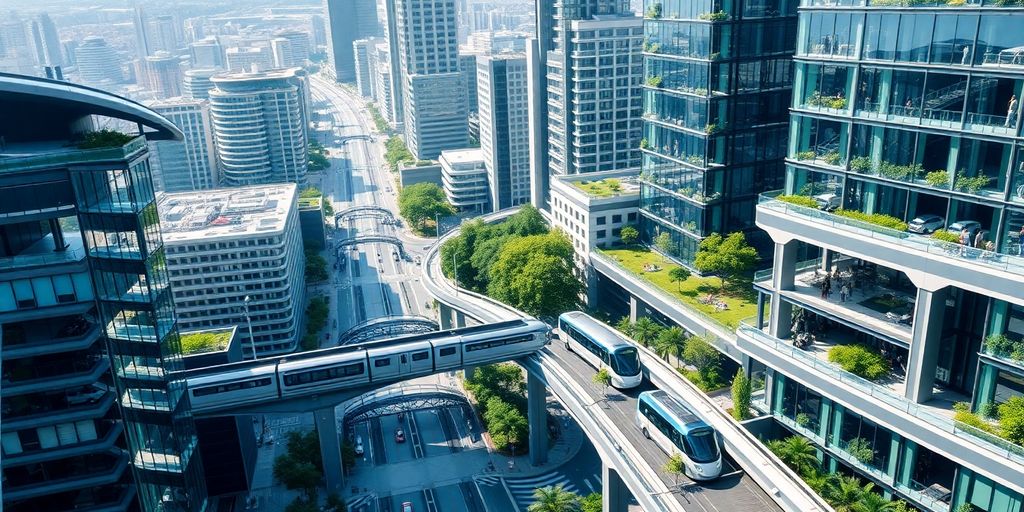
Smart infrastructure isn’t just about making cities run smoother; it’s also changing how we plan and build them. We’re talking about using data to make better decisions, keep things running longer, and create cities that can handle whatever the future throws at them. It’s a big shift from how things used to be done, and it’s pretty exciting.
Data-Driven Urban Design Decisions
Remember when city planning relied mostly on gut feelings and old data? Those days are fading fast. Now, we can use real-time data from sensors and other sources to see how people actually use the city. This helps urban planners make informed decisions about everything from where to put new parks to how wide sidewalks should be. For example, imagine using smart city examples to see how different cities have tackled similar problems. It’s like having a crystal ball, but instead of magic, it’s data.
- Analyzing traffic patterns to optimize road layouts.
- Identifying areas with high pedestrian traffic to prioritize sidewalk improvements.
- Using data on park usage to determine the best locations for new recreational facilities.
Predictive Maintenance for City Assets
Think about all the stuff that keeps a city running: roads, bridges, water pipes, power lines. Keeping all that in good shape is a huge job. Smart infrastructure lets us predict when things are likely to break down, so we can fix them before they cause problems. This saves money, reduces disruptions, and makes the city more reliable. It’s like having a check-engine light for the whole city.
Predictive maintenance is a game-changer. Instead of waiting for something to break, we can use data to anticipate problems and fix them proactively. This not only saves money but also minimizes disruptions to city services and improves the overall quality of life for residents.
Here’s a simple example of how predictive maintenance might work for water pipes:
| Sensor Data | Predicted Outcome | Action Taken |
|---|---|---|
| Increased Pressure | Potential Leak | Inspection and Repair |
| Decreased Flow | Blockage | Cleaning and Clearing |
| Temperature Spike | Corrosion | Protective Coating Applied |
Fostering Resilient Urban Environments
Cities face all sorts of challenges, from natural disasters to economic downturns. Smart infrastructure can help cities become more resilient, meaning they can bounce back from these challenges more quickly and effectively. This might involve building systems that can withstand extreme weather, diversifying the economy, or creating social programs that support vulnerable populations. It’s about making the city strong and adaptable.
- Developing early warning systems for natural disasters.
- Creating redundant infrastructure to ensure essential services continue during emergencies.
- Implementing smart grids to improve energy efficiency and reduce reliance on fossil fuels.
By using sustainable and inclusive urban services, cities can create environments that are not only efficient but also equitable and prepared for the future. It’s about building cities that are not just smart, but also strong and sustainable.
The Economic Impact of Smart Infrastructure
Smart infrastructure isn’t just about making cities more convenient or sustainable; it’s also a significant economic driver. Think about it: more efficient systems, better resource allocation, and new tech all contribute to a healthier economy. It’s not just about saving money; it’s about creating new opportunities and attracting investment. Let’s take a look at how smart infrastructure is changing the economic landscape.
Driving Economic Growth and Innovation
Smart infrastructure acts as a catalyst for economic growth by creating new markets and opportunities. The development and deployment of smart technologies require innovation, leading to the creation of new products, services, and business models. For example, companies that specialize in connected public transportation solutions or smart energy grids are emerging and expanding, driving job creation and economic activity. Plus, the data generated by smart infrastructure can be used to improve decision-making across various sectors, leading to increased efficiency and productivity.
Attracting Investment in Smart Cities
Smart cities are becoming magnets for investment. Investors are increasingly interested in projects that promise long-term sustainability and efficiency. Cities that embrace smart infrastructure are seen as forward-thinking and attractive places to do business. This investment can take many forms, from venture capital funding for startups developing smart city technologies to public-private partnerships for large-scale infrastructure projects. The result is a virtuous cycle: investment fuels innovation, which in turn attracts more investment. For example, cities that have successfully implemented smart city development initiatives often see a boost in foreign direct investment and increased economic activity.
Creating New Job Opportunities
Smart infrastructure is creating a wide range of new job opportunities. These jobs span various sectors, from technology and engineering to data analysis and urban planning. The deployment of smart technologies requires skilled workers to install, maintain, and operate these systems. Moreover, the data generated by smart infrastructure creates a need for data scientists and analysts who can extract insights and inform decision-making. This shift towards a more technologically advanced urban environment is creating high-paying jobs and driving economic growth. For example, the demand for professionals with expertise in growth rate (CAGR) of 19% and IoT is rapidly increasing as cities invest in smart infrastructure projects.
Smart infrastructure is not just a technological upgrade; it’s an economic transformation. By driving innovation, attracting investment, and creating new job opportunities, smart infrastructure is laying the foundation for a more prosperous and sustainable urban future. It’s about building cities that are not only smarter but also more economically vibrant.
Challenges and Considerations for Smart Infrastructure
Smart infrastructure promises a lot, but it’s not without its hurdles. Rolling out these systems involves some serious thinking about privacy, fairness, and just getting everything to work right. It’s not always a smooth ride, and we need to be ready for the bumps.
Addressing Data Privacy and Security Concerns
One of the biggest worries with smart infrastructure is data security. All those sensors and systems collect tons of information about our daily lives. Keeping that data safe from hackers and misuse is super important. We need strong rules and tech to protect people’s privacy. Think about it: who has access to this data, and what are they allowed to do with it? It’s a question we need to answer.
- Strong encryption methods are a must.
- Clear rules about who can access the data.
- Regular security checks to find and fix weaknesses.
It’s not just about stopping hackers. We also need to make sure the data isn’t used in ways that discriminate against certain groups or violate people’s rights. Transparency is key.
Ensuring Equitable Access to Smart Technologies
Smart infrastructure should benefit everyone, not just some. It’s easy for these technologies to widen the gap between the haves and have-nots if we’re not careful. We need to make sure that smart city initiatives are available and affordable for all residents, regardless of their income or background. This might mean offering subsidies, creating public access points, or designing systems that are easy for everyone to use.
- Offer low-cost internet access.
- Provide training programs to help people use the new technologies.
- Design systems that are easy to understand and use, regardless of tech skills.
Overcoming Implementation Hurdles
Getting smart infrastructure up and running can be a real challenge. There are often technical problems, funding issues, and bureaucratic red tape to deal with. Cities need to plan carefully, work with experts, and find creative ways to pay for these projects. It’s also important to get the public involved and make sure everyone understands the benefits of smart infrastructure.
- Develop a clear plan with specific goals and timelines.
- Find the right partners with the necessary expertise.
- Secure funding from a mix of public and private sources.
The Road Ahead for Smart Infrastructure
So, we’ve talked a lot about how smart infrastructure is changing our cities. It’s pretty clear that these new systems, with all their tech, are making urban life better in many ways. We’re seeing improvements in how we get around, how safe our neighborhoods are, and even how we use energy. It’s a big step forward for cities everywhere. Of course, there are always things to figure out, like making sure everyone can benefit and keeping our data safe. But the general idea is that these smart systems are here to stay, and they’re going to keep evolving. It’s an exciting time to be living in a city, that’s for sure. The future of urban living looks pretty bright, and smart infrastructure is a big reason why.
Frequently Asked Questions
What exactly is smart infrastructure?
Smart infrastructure means using advanced technology and data to make cities work better. It’s like giving a city a brain and a nervous system so it can manage things more efficiently, from how cars move to how electricity is used.
How does smart infrastructure benefit a city?
Smart infrastructure helps cities in many ways! It makes transportation smoother, improves public safety, helps save energy, and makes urban areas more pleasant and easier to live in for everyone.
What kind of technology is used in smart infrastructure?
Smart infrastructure uses all sorts of cool tech, like sensors that detect things, cameras for monitoring, super-fast internet (like 5G), and special computer programs that can analyze huge amounts of information to make smart decisions.
Does smart infrastructure help with environmental issues?
Yes, it definitely helps the environment! Smart systems can manage energy better, reduce waste, and even help cities use less water. This means less pollution and a healthier planet.
Are there any problems or difficulties with smart infrastructure?
A big challenge is making sure everyone’s personal information is safe and secure. Also, we need to make sure these new technologies are fair and available to everyone, not just certain parts of the city. Getting everything set up can also be tricky.
How does smart infrastructure affect jobs and the economy?
Smart infrastructure can create new jobs in technology, engineering, and urban planning. It also makes cities more appealing for businesses, which can bring more money and opportunities to the area.


