
resources
Comprehensive Guide to Atlanta Cities and Zip Codes: Maps, Listings, and Insights for 2025
09 Oct 2025

Thinking about making a move to the vibrant Atlanta area? It’s completely understandable if the sheer number of cities and zip codes to choose from feels a little overwhelming at first. Some prospective residents naturally gravitate toward the buzz of downtown, while others are truly seeking the tranquility of quieter suburbs or family-centric neighborhoods. And let’s be honest, with Atlanta’s often-discussed traffic, commute times aren’t just a detail—they’re a deal-breaker for many. This comprehensive guide is designed to help you navigate the diverse landscape of cities, neighborhoods, and zip codes surrounding Atlanta. Whether your priorities lie with finding affordable rent, securing a spot in a top-tier school district, or simply identifying areas experiencing exciting growth, you’ll find plenty of valuable insights here. Let’s dive in and help you pinpoint the perfect spot to call home.
Key Takeaways
- Atlanta’s cities and zip codes truly encompass a vast array of neighborhoods, stretching from bustling urban cores to serene, outlying suburbs.
- Suburban gems like Alpharetta, Marietta, and Duluth consistently rank high in popularity, largely due to their excellent schools, abundant parks, and more accessible rent prices compared to the immediate downtown area.
- Keep an eye on up-and-coming locations such as Johns Creek, Milton, and Cumming—these areas are increasingly attracting both families and young professionals year after year.
- Interactive maps and detailed zip code guides prove invaluable, simplifying the process of comparing commute times, typical rental costs, and local amenities.
- Understanding your prospective zip code offers more than just mail delivery info; it’s a critical tool for pinpointing school zones, assessing neighborhood safety ratings, and even discovering nearby events or parks.
Overview of Atlanta Cities and Zip Codes
Understanding the Atlanta Metropolitan Area
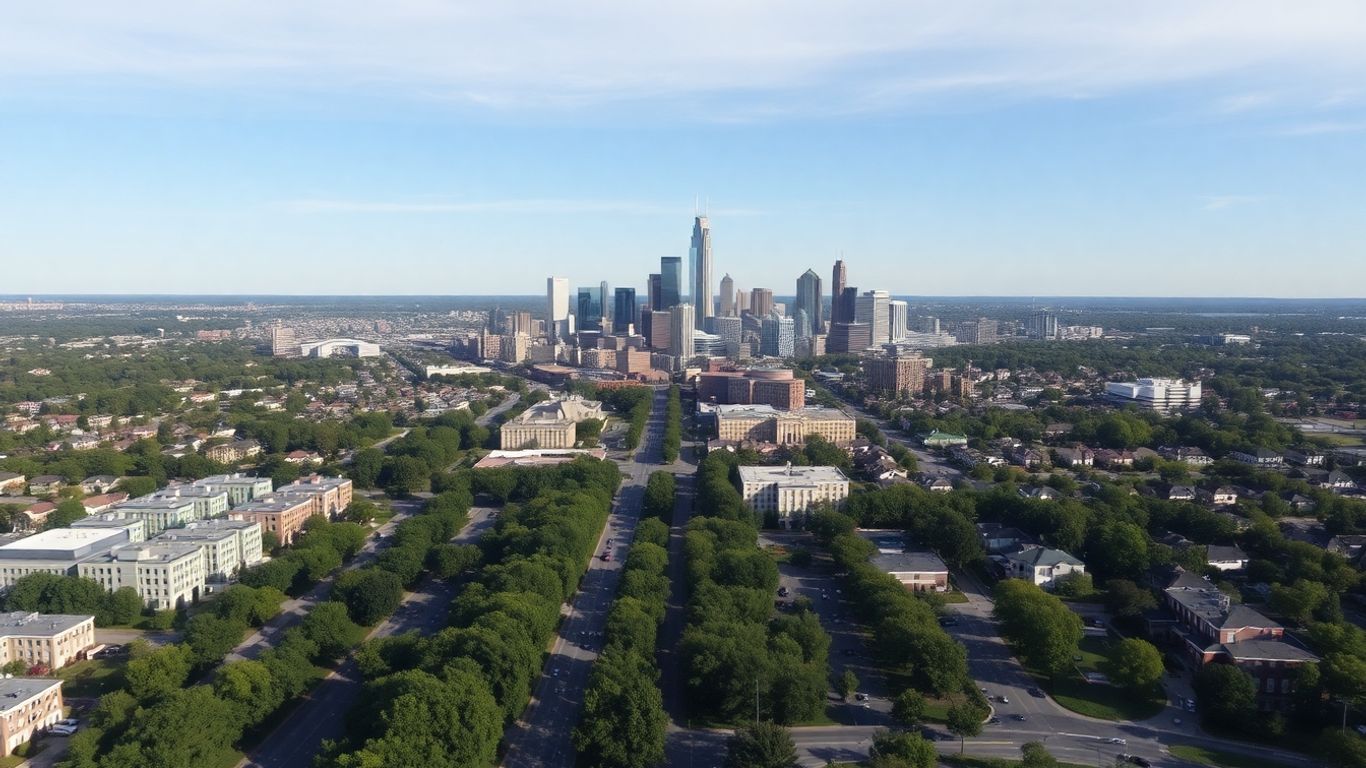
Atlanta isn’t merely a single city; rather, it’s an intricate tapestry of interconnected neighborhoods, towns, and suburbs that seamlessly feed into one another. The expansive Metro Atlanta region spans several counties, stretching out in every conceivable direction—this means your personal perception of "Atlanta" might significantly differ from someone living just a few miles away, don’t you think?
- The very heart of Atlanta primarily includes Fulton, DeKalb, Clayton, and Cobb counties.
- Each distinct area truly boasts its own unique flavor, whether it’s steeped in history, strikingly modern, purely residential, or undeniably trendy.
- Commuting patterns, the quality of local school systems, and even the variety of restaurant options can fluctuate considerably, all depending on which particular section of the metropolitan area you eventually call home.
Living in Atlanta truly means getting acquainted with not just the downtown core, but also the myriad suburban cities and distinct neighborhoods that beautifully cluster around it. Most newcomers, in fact, are often quite surprised by the sheer amount of variety available within what’s considered a short drive.
How Zip Codes Are Assigned in Atlanta
Once you’re settled in, one aspect that often catches people off guard is just how profoundly zip codes influence daily life in Atlanta. The city and its surrounding areas are intricately divided into dozens of zip codes, each defined by unique borders—sometimes, these even bisect well-known neighborhoods right down the middle, making things a bit complex.
- The United States Postal Service, quite logically, assigns zip codes based on practical factors such as delivery routes, population density, and existing geography.
- It's worth noting that some zip codes can actually cross city or even county boundaries, which, as you can imagine, might make it a little tricky to pinpoint which city you technically reside in.
- Atlanta’s central urban core typically utilizes zip codes beginning with 303 (think 30303 and 30309), while many suburbs frequently start with 300 or 301.
Here’s a quick, handy breakdown of Atlanta’s most common zip code prefixes:
| Zip Code Start | Area |
|---|---|
| 303 | Central Atlanta & close-in neighborhoods |
| 300 | East and north suburbs |
| 301 | Western and far-out suburbs |
The Importance of Zip Codes for Residents and Businesses
While it might sound a bit mundane, your zip code profoundly impacts more than just where your mail arrives. In Atlanta, it can genuinely influence crucial factors such as housing prices, available school options, insurance rates, and even your perception of neighborhood safety. For businesses, knowing these codes is essential for targeted advertising and making informed decisions about where to establish a storefront or office. You’ll even encounter zip codes when reviewing Atlanta crime statistics for 2025—data that can certainly help you make more informed decisions about where to live or invest, particularly when identifying the safest neighborhoods.
Here are a few compelling reasons why Atlanta zip codes matter more than you might initially think:
- Real estate listings and rental searches are heavily filtered by zip code, streamlining your search significantly.
- School attendance zones, quite often, are directly tied to or follow zip code boundaries.
- Insurance rates and various utility costs can, at times, shift based on your specific zip code.
- Even local mail delivery times and which restaurants offer delivery can hinge on your address's zip code.
So, when you’re diligently searching for that ideal spot to settle down in Atlanta, don’t simply gloss over those zip codes. These seemingly small numbers carry a surprisingly substantial impact on your everyday routine and long-term quality of life.
Top Suburban Cities Around Atlanta and Their Zip Codes
Venturing just beyond Atlanta’s immediate boundaries, you’ll discover a rich tapestry of cities offering a little bit of everything: acclaimed schools, vibrant community events, and, quite often, far more green space than you might ever find within Atlanta proper. Many individuals make the intentional switch to suburban life here, drawn by the allure of quieter streets, larger homes, and—dare we say it—slightly less arduous commutes. Here’s a detailed exploration of the most popular suburbs, those currently on the rise, and how exceptional school districts factor into the decision-making process.
Popular Suburbs: Alpharetta, Marietta, and Duluth
Alpharetta, Marietta, and Duluth consistently distinguish themselves as some of Atlanta’s most sought-after suburban cities. This enduring popularity stems from their active, engaging downtown areas, a broad spectrum of housing options, and a clear emphasis on family-oriented amenities. Whether you find yourself captivated by a walkable city center, expansive public parks, or a perpetually packed events calendar, these cities, without a doubt, tick a multitude of boxes.
| City | Main Zip Codes | Population | Avg 1BR Rent | Avg 2BR Rent | Median Income |
|---|---|---|---|---|---|
| Alpharetta | 30004, 30005 | 67,056 | $1,856 | $2,306 | $141,042 |
| Marietta | 30060, 30062 | 62,769 | $1,209 | $1,431 | $67,589 |
| Duluth | 30096, 30097 | 32,350 | $1,568 | $1,964 | $88,915 |
Key reasons people frequently choose these towns:
- Well-established and thriving shopping, dining, and entertainment districts.
- Convenient access to downtown Atlanta via major highway arteries.
- An abundance of housing styles, ranging from contemporary townhomes to sprawling single-family residences.
If you’re genuinely craving close proximity to Atlanta without fully immersing yourself in the city’s relentless pace, these suburbs are precisely where countless individuals discover their perfect balance—their ideal compromise.
Up-and-Coming Areas: Johns Creek, Milton, and Cumming
For those with a keen eye on growth potential and future value, Johns Creek, Milton, and Cumming are definitely garnering increasing attention each year. These areas typically boast newer residential developments, generous yard spaces, and lovely neighborhood parks.
| City | Main Zip Codes | Population | Avg 1BR Rent | Avg 2BR Rent | Median Income |
|---|---|---|---|---|---|
| Johns Creek | 30022, 30097 | 81,108 | $1,100+ | $1,705+ | $153,882 |
| Milton | 30004 | 41,296 | $1,600+ | $1,950+ | $128,559 |
| Cumming | 30040, 30041 | 7,318 | $1,500+ | $1,900+ | $87,484 |
If you're currently on the hunt for a location that shows strong signs of appreciating in value, or perhaps you're even contemplating building a home from the ground up, these areas certainly represent smart places to begin your search.
Features that make them particularly appealing:
- Consistently highly regarded public school systems.
- Lower population density, offering more opportunities for larger properties or brand-new constructions.
- A palpable strong community focus, evident in local festivals and active sports clubs.
Family-Friendly Locations and School District Insights
Making a move when you have children in tow? It’s no secret that school districts often prove to be the ultimate deciding factor. The suburbs encircling Atlanta are renowned for housing some of Georgia’s most highly respected public school systems, a key draw for families from across the entire region.
- Fulton County (which includes cities like Alpharetta, Milton, and Johns Creek) and Forsyth County (home to Cumming) schools consistently receive top marks statewide.
- A great many suburban towns actively support robust PTA programs and an impressive array of extracurricular activities—something families truly value.
- These communities frequently rally around their high school sports, fostering a collective spirit and sense of belonging you simply won't encounter in larger cities.
When families diligently evaluate potential places to live, three primary factors typically rise to the very top of their list:
- School performance and overall reputation.
- Safety rankings and the prevailing neighborhood atmosphere.
- Convenient access to after-school activities and public parks.
For many, selecting the right zip code means more precious time spent outdoors, a blessedly shorter school drop-off, and an easier, more organic sense of community. Choosing carefully, you see, can genuinely mean the difference between merely a good experience and a truly outstanding one for years to come.
Atlanta City Neighborhoods and Their Zip Codes
Atlanta itself is composed of an intricate patchwork of wonderfully diverse neighborhoods, each boasting its own distinct identity and unique vibe. When locals refer to living "in-town," they’re typically talking about areas situated within the I-285 perimeter—and truly, every street corner seems to offer something unique. With dozens of neighborhoods and zip codes spanning from 30301 to 30350, Atlanta's city neighborhoods showcase everything from charming historic bungalows to sleek, shiny new apartments. If you’re contemplating a move, familiarizing yourself with the zip code layout will undoubtedly help you narrow down your options, thoughtfully considering factors like commute, community feel, and overall cost of living. For a bit more context, you can explore additional details about Atlanta’s various neighborhoods and their zip code ranges in this incredibly useful overview of Atlanta neighborhoods.
Historic Districts and Inner-Loop Neighborhoods
Many of Atlanta’s most venerable neighborhoods are predominantly found within the city’s inner loop. These areas provide a fascinating glimpse into Atlanta’s storied past, characterized by picturesque tree-lined streets, majestic Craftsman homes, and clusters of century-old businesses that exude character. Key historic districts, along with their primary zip codes, include:
| Neighborhood | Primary Zip Codes | Characteristic Features |
|---|---|---|
| Inman Park | 30307 | Victorian homes, spring festival |
| Grant Park | 30312 | Park space, Zoo Atlanta, homes |
| Old Fourth Ward | 30312, 30308 | BeltLine access, trendy eateries |
| West End | 30310 | Craftsman houses, MARTA access |
| Cabbagetown | 30316 | Mill town roots, murals |
- Many of these historic areas are wonderfully walkable and enjoy close proximity to MARTA rail stops—a huge plus for commuters.
- It’s worth noting that some neighborhoods are proudly listed on the National Register of Historic Places, preserving their unique heritage.
- Residents in these areas frequently engage in active and vibrant neighborhood associations, fostering a strong sense of community.
Living in Atlanta’s historic districts truly offers a delightful blend of charm and urban convenience, but naturally, prices often reflect the high demand for these timeless gems. What's not to love about history right outside your door?
Trendy Areas: Decatur, Midtown, and Westside
If your heart is set on being at the epicenter of Atlanta’s arts, entertainment, and nightlife scenes, these neighborhoods undeniably stand out. Midtown, Decatur, and the burgeoning Westside particularly appeal to young professionals and students, thanks to a surge of new residential towers and incredibly easy access to a constant stream of events.
| Area | Zip Codes | Highlights |
|---|---|---|
| Midtown | 30309, 30308 | Arts District, Piedmont Park |
| Decatur | 30030, 30033 | Indie shops, top schools |
| Westside | 30318, 30314 | Mixed-use spaces, breweries |
Here’s why these areas consistently draw people in, year after year:
- Midtown positively buzzes with culture, frequently hosting captivating concerts, world-class museums, and lively parades.
- Decatur masterfully blends city perks with an appealing small-town feel, boasting a truly family-friendly downtown.
- The Westside has emerged as a veritable hotspot for industrial-chic apartments and a thriving ecosystem of small business startups.
Affordable Options Close to Downtown Atlanta
With development accelerating rapidly inside the perimeter, finding truly affordable housing within a short, manageable commute isn't always a simple task. However, several neighborhoods still manage to offer lower rent or more accessible home prices, often coupled with convenient access to public transportation.
Some popular, more affordable options include:
- Adair Park (30310): Characterized by quiet streets, an active neighborhood watch program, and just minutes from Mercedes-Benz Stadium.
- Edgewood (30317): Features a growing restaurant scene, direct MARTA access, and older homes currently undergoing exciting transitions.
- Lakewood Heights (30315): Predominantly single-family houses, benefiting from recent significant investments in schools and local amenities.
Achieving that ideal balance among price, neighborhood ambiance, and convenient access to city amenities is indeed possible—especially if you're open to diligently exploring some of Atlanta's lesser-known, yet promising, pockets.
So, don't allow the headlines about skyrocketing rents to deter you—some Atlanta neighborhoods remarkably close to downtown still offer genuinely affordable places to call home, provided you keep an open mind and conduct your search intelligently.
City Maps and Visual Guides to Atlanta Zip Codes
Navigating Atlanta can, at times, feel like a bit of a labyrinth, especially with so many distinct cities, neighborhoods, and zip codes intricately packed into the metropolitan area. However, arming yourself with the right visual tools—specifically detailed maps and insightful guides—can make planning your move or launching your rental search infinitely easier. Whether your sights are set on apartments in a serene suburb or you're meticulously hunting for homes closer to the heart of downtown, a well-chosen map genuinely saves both time and unnecessary stress.
Interactive Map of Atlanta Cities and Zip Codes
A dynamic, user-friendly map that precisely highlights Atlanta’s various cities and their corresponding zip codes truly represents a game-changer for keen house hunters and new residents alike. Here’s how such an interactive guide can prove profoundly helpful:
- Effortlessly locate neighborhoods that perfectly align with your specific commute needs or budgetary considerations.
- Directly compare different zip codes to assess nearby schools, available amenities, and prevailing rental rates at a glance.
- Quickly identify emerging hot spots or, conversely, pinpoint quieter, often less expensive areas, all directly on the map.
Most modern digital maps allow you to simply hover over or tap specific zip code regions to reveal detailed information, such as average rents, precise city boundaries, and even direct links to local services. This really streamlines your preliminary research.
By utilizing a thoughtfully designed map, you can remarkably narrow your search—from dozens of potential options down to just a handful of zip codes or neighborhoods that truly resonate with your needs—in practically no time at all.
How to Use Maps for Apartment and Home Searches
Maps, as it turns out, aren’t solely about pinpointing a location; they are powerful strategic tools that help you optimize your search for the absolute best fit. Why not try this practical, step-by-step approach?
- Precisely pinpoint your workplace or school location directly on the map.
- Next, carefully draw a desired radius or establish clear boundaries that define your ideal commute time.
- Then, diligently check which zip codes fall within this designated area and proceed to compare typical rent ranges or available housing types.
- Finally, strategically filter out any zones that unfortunately lack your absolute must-haves, such as reliable public transit options or beloved parks.
Here's a sample table illustrating common Atlanta suburbs and their approximate average commutes:
| City | Distance to Downtown (miles) | Avg. Commute by Car (min) |
|---|---|---|
| Decatur | 6.3 | 15 |
| Marietta | 18.2 | 25 |
| Duluth | 29.4 | 34 |
| Cumming | 39.8 | 47 |
Navigating Transit and Commute Times by Zip Code
Atlanta’s traffic, let's face it, is legendary—but shrewdly understanding commute times by zip code can genuinely help you circumvent daily headaches. Here’s precisely what you should be considering:
- MARTA stations and bus lines: Meticulously check which zip codes are adequately served to ensure an easier, more sustainable ride into the city center.
- Major highways: While I-75, I-85, and I-285 effectively connect most suburbs, they are notorious for becoming incredibly busy during peak hours.
- Bike or walk scores: Some areas, quite frankly, are far more accommodating to cyclists and pedestrians than others, influencing your daily activity.
A quick, informed glance at the map will readily reveal which neighborhoods will significantly cut down on your drive time, particularly those seamlessly linked with expressways or direct MARTA routes.
Even if you fall head over heels for a particular neighborhood, a well-interpreted map can surprisingly reveal a hidden commute issue—perhaps train lines that cease operation before your typical work hours, or traffic bottlenecks that are anything but obvious on a static, two-dimensional map. Forewarned is forearmed, right?
Ultimately, maps and detailed visual guides effectively remove the guesswork from your relocation process. They empower you to efficiently plan apartment tours, thoroughly research school districts, and accurately budget for your actual commute—thereby eliminating unwelcome surprises on moving day.
Rental Trends and Housing Insights by Atlanta Zip Code
Average Rents for One-Bedroom and Two-Bedroom Apartments
Rent prices across Atlanta and its numerous nearby cities are, admittedly, in constant flux. However, certain clear patterns emerge when one meticulously examines the numbers by zip code. Indeed, different parts of the expansive Atlanta area truly come with their own distinctive price tags and specific expectations.
Here’s a snapshot detailing recent average rental rates, broken down by area:
| City | Zip Code(s) | Avg. 1-Bedroom ($) | Avg. 2-Bedroom ($) |
|---|---|---|---|
| Downtown ATL | 30303, 30308 | 1,730 | 2,190 |
| Marietta | 30060, 30062 | 1,209 | 1,431 |
| Decatur | 30030, 30033 | 1,682 | 1,920 |
| Alpharetta | 30004, 30005 | 1,856 | 2,306 |
| Duluth | 30096, 30097 | 1,568 | 1,964 |
| Johns Creek | 30022, 30097 | 1,100 (start) | 1,705 (start) |
| Stone Mountain | 30083, 30087 | 1,614 | 1,625 |
- Downtown Atlanta, with its enviable walkable access and robust public transit, naturally commands higher rental rates.
- Conversely, suburbs such as Marietta and Stone Mountain present much lower rents, though this often comes with the trade-off of longer commutes.
- Cities like Alpharetta and Decatur successfully attract residents with higher earnings and newer, desirable amenities, a fact clearly reflected in their price points.
Expect rents to continue their ascent in highly walkable areas close to major job centers, while some outer suburbs may still enjoy more stable prices, particularly if housing supply remains strong. It's all about supply and demand, isn't it?
Comparing Housing Options in Different Cities
When you're carefully considering where to make your home, it's certainly not just the price that matters. The type of housing available, the commute involved, and the array of neighborhood amenities are all equally crucial.
- High-End Suburbs (Alpharetta, Johns Creek, Milton):
- These areas often feature newer luxury apartment complexes and expansive single-family homes.
- You'll typically find top-rated schools here, though this comes with a higher price tag.
- Walkability, in general, tends to be lower in these more spread-out communities.
- Mid-Priced Neighborhoods (Decatur, Duluth):
- These offer a pleasant mix of walkable streets and charming older townhomes.
- Residents benefit from good access to public transit and major job centers.
- They are consistently popular with young professionals and growing families alike.
- Budget-Friendly Areas (Stone Mountain, Marietta):
- These areas generally provide excellent value for the space you receive.
- Expect more options for older, perhaps less updated, apartments and rental homes.
- While growing, they are typically less central to the bustling city core.
- It's wise to pay close attention to the building’s age and the specific amenities included. Some cities with seemingly lower rents might, in fact, mean older, less updated units.
- Keep an eye out for lease specials—like an enticing one month free—which are more commonly found in newer developments situated on the edge of the metropolitan area.
- In more established, desirable neighborhoods, anticipate stiffer competition for updated rentals, especially those conveniently located near MARTA stations.
- Zip codes in Alpharetta and Johns Creek consistently show higher average household incomes (surpassing $140,000 in some pockets) when compared to areas like Marietta or Stone Mountain, which typically average closer to $60,000-$70,000.
- Areas boasting higher rents often correlate with newer construction, highly sought-after schools, and notably lower crime rates.
- Student-heavy or creatively vibrant areas (think Midtown, Decatur) tend to attract younger renters, featuring a greater concentration of smaller apartments and shared housing options.
- Family-friendly suburbs generally draw in long-term renters, while some neighborhoods experience faster turnover and welcome a continuous stream of new residents each year.
- Commute: Seriously, how long are you genuinely willing to endure traffic? Or is seamless, easy access to MARTA a non-negotiable for you?
- Local amenities: What truly matters more—walkable coffee shops, state-of-the-art fitness centers, convenient big-box retailers, or tranquil nature trails?
- Nightlife vs. Quiet: Do you yearn to be close to Decatur’s acclaimed arts and dining scene? Or is a tucked-away, serene community like Milton more truly your speed?
- Diligently review GreatSchools.org for comprehensive test scores, authentic parent reviews, and overall ratings across the entire metro Atlanta region.
- Visit the official Georgia Department of Education’s website for authoritative data concerning graduation rates, enrollment figures, and available programs.
- Utilize insightful online maps (such as those provided by Trulia, NeighborhoodScout, or even city police dashboards) to pinpoint current crime trends specifically by zip code—a truly invaluable resource.
- Many of Atlanta's most popular suburbs—like Johns Creek and Suwanee, for instance—are home to top-rated public schools, whereas inner-city options can, admittedly, be a bit more varied. If private or charter schools are on your radar, make sure to note their locations and application deadlines well in advance.
- Make it a point to check each city’s official website or events calendar to get an authentic sense of the community’s pulse.
- Actively look up local Facebook groups, Nextdoor communities, or Meetup events for neighborhood-level happenings and social opportunities.
- Atlanta’s park system is absolutely enormous—so don’t overlook which zip codes strategically place you next to well-loved green spaces or fantastic recreation centers.
- Alpharetta: Downtown events, lively food festivals, beautiful parks
- Marietta: Historic square, diverse theaters, picturesque walking trails
- Decatur: Bustling farmers markets, captivating street art, charming cafes
- Duluth: Engaging outdoor concerts, exciting arena events
- Westside: Trendy bars, convenient BeltLine access, innovative art studios
Demographic and Economic Trends by Area
As you move through Atlanta, you'll find that the local population and economic landscape can appear remarkably different depending on the specific zip code. Here are a few key trends to keep in mind:
If you're willing to look beyond just the raw price figures, you’ll quickly discern that walk scores, school ratings, and robust local job growth are all significant drivers of demand in Atlanta’s most coveted zip codes. These aren’t just numbers; they tell a story, don’t they?
Expert Tips for Choosing the Right Atlanta City and Zip Code
Balancing Commute, Amenities, and Lifestyle Needs
Choosing precisely where to plant your roots around Atlanta invariably involves a careful weighing of your commute, the amenities you desire close by, and your overall day-to-day lifestyle vibe. Some individuals, quite understandably, end up sacrificing a bit of drive time to live near abundant green space or within the peaceful embrace of quieter suburbs, while others simply cannot do without short, convenient access to exciting neighborhoods and vibrant nightlife.
Here are some key considerations to ponder:
| Area Type | Typical Commute to Downtown | Vibe |
|---|---|---|
| Midtown/Old Fourth Ward | 10–20 mins (car) | Urban, busy |
| Alpharetta | 30–45 mins (car) | Suburban, upscale |
| Decatur | 20–30 mins (car/MARTA) | Trendy, family |
| Duluth | 30–40 mins (car) | Quiet, diverse |
| Cumming | 40–55 mins (car) | Suburban, peaceful |
Before you even consider signing a lease or making a formal offer, please—for your own sanity—try the drive to your job or favorite hangout during actual rush hour. You’ll be incredibly grateful you didn’t solely trust Google Maps during off-peak times, trust us on this one.
Resources for Researching Schools and Neighborhood Safety
It’s simply not just about the apartment itself—parents, or really anyone planning for the long haul, typically want to ascertain how safe a prospective area truly is and what the local schools are genuinely like. Thankfully, there are several reliable avenues to thoroughly investigate this before committing to a decision.
Exploring Local Events and Recreation by Area
The local scene can truly transform how you feel about a place—whether that involves vibrant farmer's markets, outdoor concerts, or simply the ease with which you can hit a nearby trail for an invigorating jog. These subtle aspects often make all the difference, don't they?
Summary List:
The genuine energy of a city isn’t solely reflected in its real estate data—it’s truly found in what you stumble upon on a leisurely Saturday afternoon, or perhaps an unexpected, delightful community fair right on your very own street. It's those little moments that build a connection, isn't it?
Conclusion
Wrapping up, it's clear that Atlanta and its vibrant surrounding cities genuinely offer something for virtually everyone. Whether you're actively seeking a bustling downtown experience, the tranquility of a peaceful suburb, or simply a spot with convenient access to nature, there truly is a place that aligns perfectly with your needs. Each distinct city near Atlanta comes with its own unique vibe, varying rent prices, and a wonderfully diverse mix of activities and amenities. Some are undoubtedly better suited for families, others prove ideal for dynamic young professionals, and a select few are simply perfect if you're yearning for a slower, more deliberate pace of life. Given all these fantastic options, it’s always a prudent idea to thoughtfully consider what matters most to you—perhaps it's efficient commute times, excellent local schools, or abundant outdoor recreational opportunities. Hopefully, this guide has provided you with a much clearer picture of what’s available for 2025. Take your time, thoroughly explore the maps and listings, and you’ll undoubtedly be one significant step closer to discovering your next cherished home near Atlanta.
Frequently Asked Questions
What are the most popular cities near Atlanta for families?
Some of the most popular cities near Atlanta for families, consistently ranking high, are Alpharetta, Marietta, and Johns Creek. These cities are particularly well-regarded for their strong school systems, numerous parks, and a palpable sense of safety within their neighborhoods.
How do I find the right zip code for my new home in Atlanta?
To effectively find the right zip code, you can easily utilize online maps or specialized search tools to look up zip codes by city or even specific neighborhoods. Furthermore, many leading real estate websites conveniently allow you to filter your search for homes or apartments directly by zip code.
Are there affordable places to live close to downtown Atlanta?
Yes, indeed! There are several genuinely affordable areas quite close to downtown Atlanta, such as Stone Mountain and certain parts of Decatur. These locations typically offer lower rental rates while still maintaining convenient access to many of the city's popular attractions.
What should I know about commute times from the suburbs to Atlanta?
Commute times can fluctuate quite significantly, largely depending on traffic conditions. While some suburbs like Marietta and Decatur might be a manageable 20-30 minutes away by car, others such as Cumming or Buford could easily extend to an hour or even more, particularly during peak rush hour periods.
How do Atlanta zip codes affect school choices?
In Atlanta, school districts are quite often directly delineated by zip codes. Therefore, if having your child attend a specific school is a top priority, it's crucial to diligently check which zip codes fall within that particular school’s district *before* you finalize your move.
Where can I find maps showing Atlanta cities and their zip codes?
You can readily find interactive maps online that clearly display Atlanta cities and their corresponding zip codes. Reputable real estate websites and official local government pages are generally excellent starting points for your search.


