
resources
Exploring the Major Cities in Texas: An Illustrated Map Guide for 2025
09 Oct 2025

Texas is an enormous state, and it’s truly remarkable how each city possesses its own distinct personality. A quick glance at a cities in Texas map will immediately illustrate just how vast and spread out everything truly is. While some locales are undeniably defined by their towering skyscrapers and bustling highways, others offer a quieter charm, perhaps with more cattle than residents. Whether your agenda involves mapping out an epic road trip or you're simply curious about what makes each city tick, this comprehensive guide aims to provide you with a clear understanding of the geographical layout and the unique experiences you might encounter along the way. So, why not grab a map, and let’s uncover what the Lone Star State has in store for 2025?
Key Takeaways
- Texas’s major cities are strategically scattered across various regions, each boasting its own distinct character and rich history.
- Ongoing population shifts and the development of new highways continually reshape the visual representation of cities on the Texas map each year.
- Houston stands as the state's largest city, widely recognized for its sprawling metropolitan area and diverse tapestry of neighborhoods.
- The expansive Dallas–Fort Worth area encompasses a significant landmass, offering an abundance of attractions packed into one dynamic region.
- For those eager to venture beyond the major urban hubs, a wealth of scenic drives, charming hidden towns, and natural wonders await exploration.
Mapping the Lone Star State: An Overview of Texas’s Major Cities
Truly understanding Texas requires looking beyond its iconic wide-open spaces; it means delving into its vibrant, bustling cities and appreciating their distribution across the map. From the sun-drenched Gulf Coast to the rugged Panhandle, the intricate layout of Texas’s urban centers narrates a compelling tale of growth and evolution, a story discernible in nearly every corner of this expansive state.
Defining Major Urban Centers on the Texas Map
So, what exactly constitutes a "major" city in Texas? Typically, most observers consider factors like population, economic vitality, and regional significance. For your convenience, here’s a straightforward table outlining the cities that virtually everyone agrees are the biggest players in 2025:
| City | Estimated 2025 Population | Region |
|---|---|---|
| Houston | 2,420,000 | Southeast TX |
| San Antonio | 1,650,000 | South TX |
| Dallas | 1,350,000 | North TX |
| Austin | 1,090,000 | Central TX |
| Fort Worth | 985,000 | North TX |
| El Paso | 720,000 | West TX |
| Arlington | 410,000 | North TX |
| Corpus Christi | 325,000 | Coastal TX |
Texas’s most significant cities aren’t merely spread out—they actually form distinct, dynamic hubs that solidly anchor entire regions.
- These urban centers effectively serve as vital gateways for culture, transportation, and robust business activity.
- You'll discover everything from world-class art museums in Dallas to the profoundly historic missions of San Antonio.
- While Houston leads impressively in sheer size, each city proudly boasts its own unique flavor—and, indeed, its own economic engine.
How Population Trends Shape the Cities in Texas Map
Growth across Texas cities shows no signs of abatement. Individuals continue to relocate here, drawn by job opportunities, milder winters, and that distinctive Texas ethos. Over the past decade, several key factors have undeniably altered the visual representation of the state’s urban landscape:
- Austin and San Antonio are both experiencing considerable booms, largely attributable to flourishing tech sectors, expanding educational institutions, and significant military bases.
- The suburban areas surrounding Dallas and Houston continue to sprawl outwards, accommodating a steady influx of new residents.
- West Texas cities, such as El Paso, demonstrate consistent growth, bolstered by cross-border trade and robust industrial activity.
| Area Region | Growth Trend | Notes |
|---|---|---|
| Central (Austin) | Surging | Tech, music, startups |
| North (DFW) | Rapid expansion | Suburbs + urban infill |
| East (Houston) | High growth | Energy, diversity |
| South (San Antonio) | Steady | Military, tourism, culture |
| West (El Paso) | Moderate | Border trade, manufacturing |
The contours of Texas cities on a map are far from static—every annual update brings new lines and expansions as neighborhoods stretch and populations invariably shift.
Connecting Regions: Highways, Interstates, and Accessibility
Texas is renowned for its extensive highway network, which profoundly influences where people reside, work, and visit. This dense web of roads efficiently links these cities, facilitating large-scale travel and commerce. A few pivotal connections include:
- Interstate 35: This crucial artery extends from Laredo, passing through San Antonio, Austin, and ultimately Dallas.
- Interstate 10: A true coast-to-coast route, stretching from El Paso eastward to Houston and beyond.
- U.S. Highway 59: Effectively connects the Gulf Coast northward, cutting directly through Houston.
These highways aren't just stretches of concrete—each one gracefully bridges historical and economic divides across the state.
If you're meticulously planning an excursion or even crafting your own personalized map, consulting a reliable collection of city maps can be incredibly beneficial. Websites featuring free Texas city maps, like thousands of royalty-free city map images, can help you thoroughly visualize the layout long before you embark on your actual journey.
Unveiling Houston: The Largest City on the Cities in Texas Map
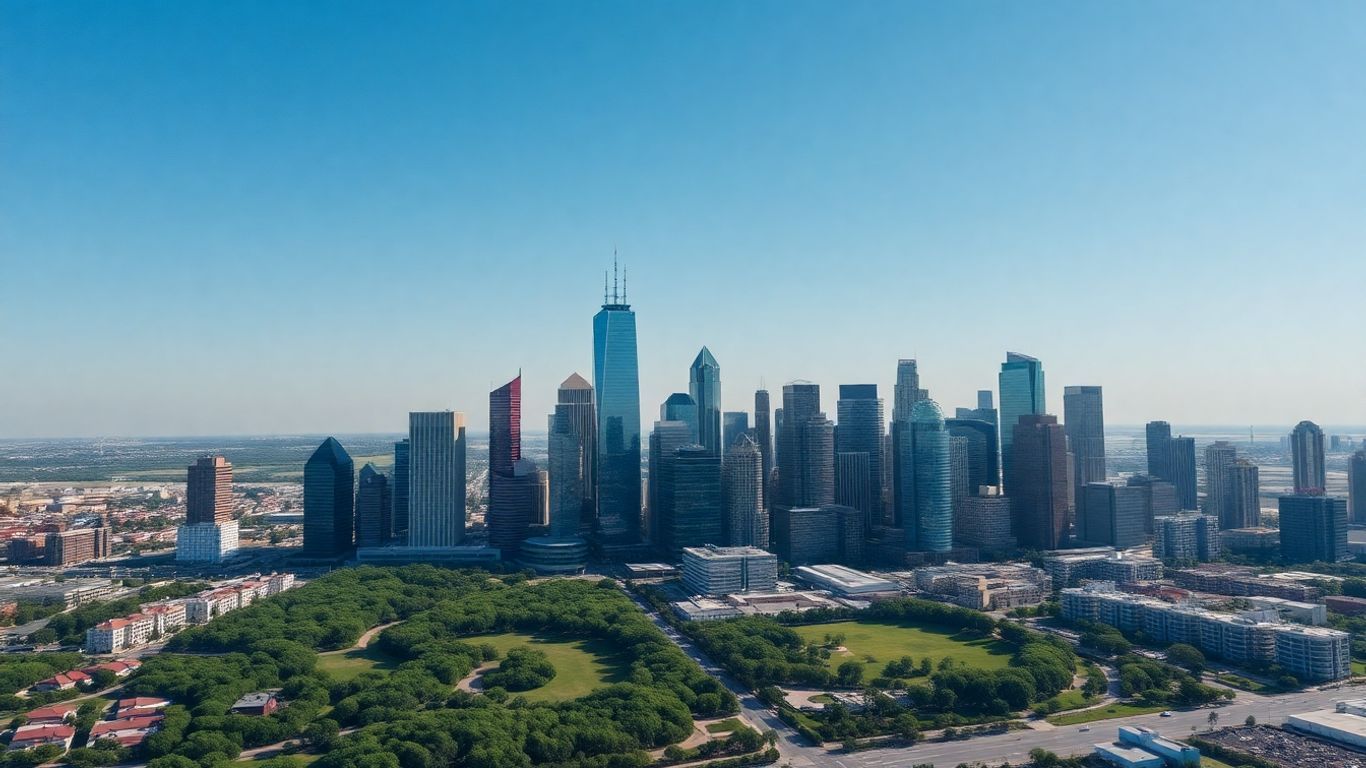
Houston firmly holds the top spot on Texas's city roster, not only in sheer size but also in its expansive influence. As the undisputed largest city in Texas, Houston sprawls across an immense area, presenting a distinctive blend of vibrant neighborhoods, diverse cultures, and dynamic commercial hubs. Below, we'll delve into various captivating facets of this truly major urban center.
Houston’s Expansive Metropolitan Layout
The Houston metropolitan area impressively covers more land than many smaller nations. Here are a few essential facts to consider:
| Statistic | Figure (2025 est.) |
|---|---|
| City Population | 2.4 million |
| Metro Area Population | 7.4 million |
| Total City Area (sq mi) | 665 |
| Number of Districts | 88+ |
| Major Suburbs | 40+ |
- The city is thoughtfully composed of dozens of both official and unofficial districts, each with its own character.
- Urban development stretches seemingly uninterrupted for miles in every cardinal direction.
- Various zones seamlessly blend business, residential, healthcare, and educational purposes.
Houston’s intricate patchwork of districts ensures that every corner possesses its own distinct ambiance, ranging from the lively energy of Midtown to the verdant, more tranquil expanses of West University.
Key Landmarks and Districts in Houston
Houston's identity is truly defined by its prominent landmarks and its collection of unique districts:
- Downtown: A vibrant core, home to impressive skyscrapers, world-class performance venues, an extensive tunnel system, and major sports arenas.
- Museum District: A concentrated cluster of globally recognized museums and art galleries, complemented by the expansive Hermann Park.
- Medical Center: An internationally acclaimed hub featuring leading hospitals and groundbreaking research institutions.
- Space Center Houston: The compelling public gateway to NASA’s iconic Johnson Space Center.
- The Heights & Montrose: Areas characterized by charming historic homes, an array of independent shops, and a palpable sense of community spirit.
Navigating Houston’s Roadways and Green Spaces
Houston's road system, while complex, proves remarkably practical for a city of its sheer scale. Here’s what you’ll likely notice right away:
- The city’s structure is organized around a distinctive series of concentric loops: the 610 Loop, Beltway 8, and the Grand Parkway.
- Major freeways (I-10, I-45, and US 59) efficiently cut through the urban fabric, often making longer distances feel considerably shorter.
- Traffic is an almost constant consideration, so having knowledge of alternate routes can be immensely helpful.
Houston skillfully balances its busy roadways with a surprising abundance of green space options:
- With over 370 parks nestled within city limits, Buffalo Bayou Park stands out as a beloved favorite for running, kayaking, and enjoying stunning skyline views.
- Trails like those found in Terry Hershey Park provide a welcome escape into nature right within the city’s bustling environment.
- The city’s numerous bayous serve a dual purpose, functioning as both critical natural drainage systems and inviting public recreation corridors.
Even amidst its notorious traffic and relentless development, Houston manages to weave in tranquil pockets of calm and expansive stretches of green space directly into its urban fabric. That, perhaps, is part of what makes exploring Houston such a uniquely different experience with every visit.
Dallas–Fort Worth Metroplex: Mapping North Texas’s Urban Powerhouse
The Dallas–Fort Worth Metroplex, affectionately known as "DFW," stands out as one of the largest and most dynamically diverse urban regions across the U.S. This expansive area stretches over 9,200 square miles and is home to more than 8 million residents. With its sprawling suburbs, significant business districts, and vibrant cultural venues, DFW unequivocally serves as a central powerhouse for North Texas.
Distinguishing Dallas from Fort Worth on the Map
While Dallas and Fort Worth are indeed close neighbors on any map, they each possess a remarkably distinct identity and inherent pulse. Here are a few key points to help differentiate between the two:
- Dallas is widely recognized for its sleek, modern skyline, impressive high-rise buildings, and a robust, thriving business center.
- Fort Worth, by contrast, steadfastly preserves its Western heritage, famously embodied by its historic Stockyards and charming downtown area.
- Though separated by roughly 35 miles, the two cities are seamlessly linked by an efficient network of highways and the busy DART and TRE rail lines.
A concise table effectively summarizes their primary differences:
| Feature | Dallas | Fort Worth |
|---|---|---|
| Core Identity | Modern, Urban | Western, Historic |
| Main Attraction | Arts District, Uptown, Downtown Skyline | Stockyards, Sundance Square |
| Population (2025 est.) | 1.32 million | 967,000 |
| Notable Industry | Business, Tech, Healthcare | Aerospace, Logistics, Defense |
DFW brilliantly combines the energetic pulse of two very different cities, ensuring there’s something for everyone—from thrilling rodeos to chic rooftop bars—making it an effortlessly appealing destination.
Major Attractions Within the Metroplex
The list of captivating sights and activities throughout DFW is extensive. Be sure to allocate time for some of these notable highlights:
- Immerse yourself in art at the prestigious Dallas Museum of Art or the acclaimed Kimbell Art Museum in Fort Worth.
- Catch an exciting game at AT&T Stadium (the proud home of the Dallas Cowboys) or head to Globe Life Field for Texas Rangers baseball.
- Enjoy a leisurely stroll through the breathtaking Dallas Arboretum and Botanical Garden, or find tranquility at the Fort Worth Water Gardens.
- Absolutely do not miss out on the vibrant fun in Deep Ellum (Dallas) or the historic, lively Stockyards District (Fort Worth).
Interstate Connections and the DFW Regional Map
Traveling within the vast Metroplex can truly be an adventure in itself. The entire region is expertly covered by an intricate network of interstates, tollways, and efficient rapid transit rail lines:
- I-35E and I-35W cleverly diverge between Dallas and Fort Worth, effectively connecting both to the broader reaches of Texas.
- I-30 serves as a vital link between downtown Dallas and central Fort Worth, consistently maintaining traffic flow between the two urban centers.
- I-20 forms a crucial southern beltway around the urban core, proving invaluable for bypassing peak-hour downtown traffic.
- DFW International Airport, strategically positioned right between the cities, firmly places the region at a global crossroads for both business and tourism.
Roads stretch for countless miles across the Metroplex, making it remarkably simple for residents to commute, visit family, or discover something new every single weekend.
If you're meticulously charting your Texas adventure for 2025, the dynamic Dallas–Fort Worth Metroplex undoubtedly deserves a prominent place at the very top of your list. Its compelling blend of urban energy, authentic cowboy spirit, and highly accessible travel routes truly makes it a standout feature on any map.
Austin and San Antonio: Mapping Central Texas’s Dynamic Duo
Austin and San Antonio stand out as two of the most recognizable cities nestled in the heart of Texas. Their geographical proximity places them approximately 80 miles apart, yet in terms of personality, rich history, and urban layout, they are quite distinct. Exploring both—and truly grasping how they fit together on the map—requires delving into each city’s unique growth trajectory, what truly distinguishes them, and how they seamlessly connect.
Austin’s Unique Cultural and Geographic Features
Austin, perched at the very edge of the beautiful Texas Hill Country, naturally feels a bit different from much of the rest of the state. It's characterized by its rolling hills, the scenic Colorado River, and several inviting lakes sprinkled throughout the city. Here are a few elements that genuinely showcase Austin's distinctive character:
- Globally renowned festivals like SXSW and Austin City Limits consistently draw visitors from across the world.
- The city is celebrated for its extensive greenbelt trails, which make engaging in outdoor activities effortlessly convenient.
- Sixth Street and Rainey Street remain local favorites, buzzing with live music venues and vibrant nightlife.
- State government buildings gracefully cluster around the Capitol downtown, solidifying Austin’s role as the state’s political epicenter.
Austin’s map is uniquely marked by a delicate balance between its beloved natural spaces and its rapid, relentless growth—a dynamic that leads to new districts and development continually stretching outwards year after year.
San Antonio’s Historical Sites and River Walk
San Antonio, in almost direct contrast, is deeply rooted in its profound historical heritage. While most people are familiar with the iconic Alamo, the city’s layout is also beautifully shaped by ancient missions, the meandering San Antonio River, and a charming, older network of neighborhoods. Some prominent highlights you’ll spot on the map include:
- The enchanting downtown River Walk, which gracefully winds through the city center, lined with quaint shops, welcoming hotels, and local art.
- Several historically significant missions, most notably the Alamo and Mission San José.
- An ever-expanding ring of northern and western suburbs, clearly reflecting the city’s impressive recent growth.
- Market Square, a lively hub where vibrant Mexican culture and delicious food are celebrated throughout the year.
If you follow the maps closely enough, you'll observe how San Antonio elegantly expanded outward from its ancient Spanish colonial core, meticulously preserving its cherished older traditions.
Travel Routes and Distances Between Central Texas Cities
The relatively short distance between Austin and San Antonio has fostered robust connections via major highways and has even spurred discussions about regional rail. For a quick reference, here’s a summary:
| From | To | Route | Distance (miles) | Usual Drive Time |
|---|---|---|---|---|
| Austin | San Antonio | I-35 South | 80 | 1-1.5 hours |
| San Antonio | Austin | I-35 North | 80 | 1-1.5 hours |
| Austin | New Braunfels | I-35 South | 48 | ~45 min |
| Austin | San Marcos | I-35 South | 30 | ~35 min |
Drivers often make a few key observations about this particular stretch of road:
- Traffic can become quite heavy, especially during weekends and major holidays.
- Construction on I-35 is remarkably common—staying updated with local traffic applications proves immensely helpful.
- Alternative, smaller roads, such as Highway 281 or various backcountry Hill Country routes, often offer wonderfully scenic alternatives.
While Austin and San Antonio undeniably attract the lion's share of visitors, the charming towns in between—San Marcos, New Braunfels, and Buda—are certainly worth a stop for their beautiful rivers, inviting parks, and delightful local cuisine.
Traveling between Austin and San Antonio is a breeze, with new businesses and vibrant communities consistently emerging along the corridor each year. This ongoing growth relentlessly reshapes the map, solidifying the region as a central hub for those choosing to make Texas their home.
Exploring Texas’s Coastal Cities on the Map
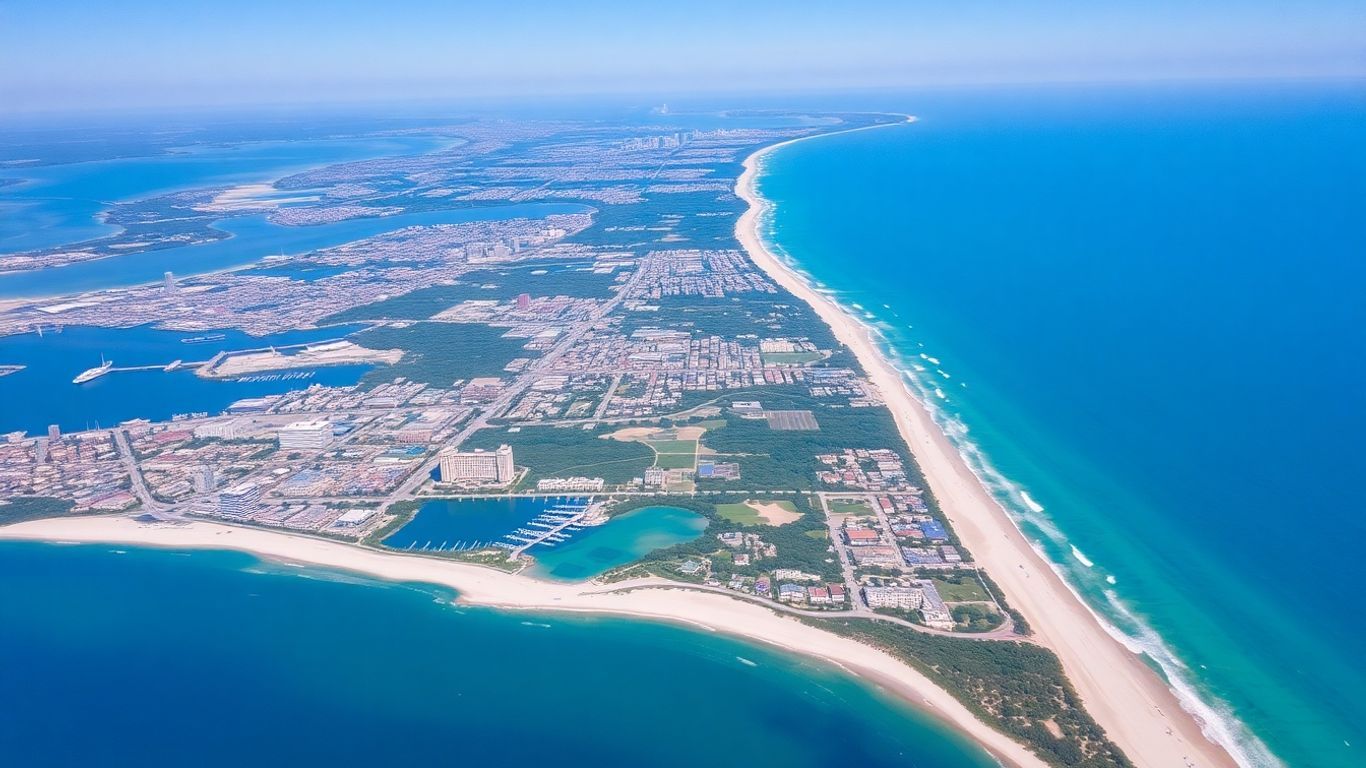
With an impressive expanse of over 350 miles of shoreline, Texas’s coastal cities present a rich tapestry of scenery and activities—from relaxing beach outings to significant historic landmarks and vibrant port districts. Each community along the Gulf Coast narrates its own compelling story, and understanding their layout on a map significantly aids travelers in crafting truly unique, unforgettable journeys.
Corpus Christi’s Harbor and Beach Access Points
Corpus Christi distinctly stands out as a city where the dynamic urban coastline gracefully converges with wild, expansive beaches. The downtown area offers commanding views of Corpus Christi Bay, while an intricate network of bridges links the mainland to picturesque barrier islands and the Gulf itself. Key locations like North Beach, Whitecap Beach, and the pristine Padre Island National Seashore are all clearly marked on the map, complete with precise signage for parking and available amenities.
- North Beach: The closest option to downtown, also famously home to the USS Lexington Museum.
- Padre Island National Seashore: Renowned as one of the longest stretches of undeveloped barrier island anywhere in the world.
- Mustang Island: Celebrated for its laid-back atmosphere and incredibly easy public access.
| Beach Name | Distance from Downtown | Type of Access |
|---|---|---|
| North Beach | 2 miles | City streets |
| Whitecap Beach | 15 miles | Highway 358 east |
| Padre Island Natl Shore | 27 miles | Park Rd 22 |
For anyone weighing the choice between bustling city beaches or the allure of quieter, more secluded sands, having a clear understanding of distances and road connections truly makes trip planning much smoother and decidedly less stressful.
Galveston’s Island Geographies and Landmarks
Galveston gracefully occupies a narrow strip of island situated southeast of Houston, proudly showcasing both a captivating historic downtown and broad, inviting Gulf beaches. What makes Galveston’s location particularly remarkable on any map is the sheer concentration of island attractions, all within remarkably close proximity—with virtually everything reachable via a swift drive or a pleasant walk. A few noteworthy features include:
- The Seawall: This impressive structure stretches over 10 miles, originally constructed for essential flood protection, but now also a lively promenade lined with charming shops and inviting restaurants.
- Strand Historic District: Comprising blocks of beautifully preserved 19th-century buildings, now housing delightful art galleries, unique boutiques, and host to vibrant seasonal festivals.
- Pleasure Pier: A classic amusement pier extending directly over the waves, prominently mapped right at the heart of the island’s primary recreational area.
Main Landmarks Table
| Landmark | Location (Relative to Center) |
|---|---|
| Strand District | North Historic Core |
| Pleasure Pier | Mid-Island |
| Moody Gardens | West End |
Galveston’s refreshingly manageable size makes it effortlessly simple to organize your route, ensuring you can experience both a stunning beachfront sunrise and a compelling dose of history without needless backtracking.
Scenic Coastal Drives and Wildlife Routes
Picturesque routes gracefully connect these cities, revealing Texas’s untamed, wilder coast. Key highways, clearly marked on every reliable Texas regional map, allow travelers to seamlessly transition between pristine sandy beaches, vast salt marshes, and vital bird sanctuaries:
- Highway 35: This road runs remarkably parallel to the Gulf, elegantly linking quaint bay towns such as Rockport, Port Lavaca, and Palacios.
- Bluewater Highway: A beautiful stretch from Surfside Beach all the way to Galveston, traversing a series of scenic bridges.
- Route 361: Conveniently connects Corpus Christi, Mustang Island, and Port Aransas, often facilitated by a charming ferry ride.
These coastal corridors are celebrated not just for the journey itself, but also for:
- Dozens of exceptional wildlife observation sites and meticulously protected waters.
- Numerous fish fries and authentic seafood shacks dotted along the serene waterfront.
- Well-mapped boardwalks and convenient kayaking launches designed for easy access.
For many, these drives truly become the highlight of a Texas road trip, offering both spontaneous stops and sweeping ocean views that often go unmentioned in typical city guides. Planning your stops thoughtfully using a current map will ensure these journeys feel as smooth and refreshing as the Gulf breeze itself.
West Texas and the Panhandle: Mapping the Frontier Cities
If you’ve ever embarked on a road trip through West Texas and the Panhandle, you undoubtedly know it feels like a world distinctly separate from the rest of the state. The region is notable for its seemingly endless stretches of open land, immense sky, and cities that brim with an understated, hidden character—a truly unique part of the Lone Star State.
El Paso’s Borderland Mapping Characteristics
El Paso is strategically situated at the far western extremity of Texas, positioned directly against the borders of both New Mexico and Mexico. It holds the unique distinction of being one of the only major Texas cities closer to the Pacific Ocean than to Houston. El Paso is widely recognized for its distinctive cross-border culture and its dramatic mountain backdrop—a feature largely absent in most other parts of Texas. When you locate El Paso on a Texas map, it unmistakably signals the transition from the familiar rolling plains into the vast, expansive Southwest desert.
Key map features that undeniably set El Paso apart include:
- The imposing Franklin Mountains, which dramatically bisect the city, profoundly influencing its road layout and urban development.
- Significant border crossings that shape both local traffic patterns and crucial international trade routes.
- Interstate 10, which runs directly through El Paso, serving as a vital link to the rest of Texas and points further west.
Crossing into El Paso isn’t merely a transition into a new city—it often evokes the sensation of entering a different time zone, a distinct culture, and at times, even another country. The city’s map eloquently reflects this intricate blend in its unique roadway patterns and diverse neighborhoods.
Amarillo and the Panhandle Plains
Amarillo serves as the primary hub of the Texas Panhandle, squarely nestled in the heart of cattle country and the renowned High Plains. The city initially developed as a crucial stop along the historic Route 66, and its map features are largely shaped by its agricultural heritage and the vast open range.
Main highlights that conspicuously appear on an Amarillo map include:
- An orderly grid network of streets, gracefully surrounded by immense farmland.
- Convenient access points to the stunning Palo Duro Canyon and the meandering Canadian River.
- Clear visibility of classic attractions like Cadillac Ranch, located just off I-40.
Here’s a concise snapshot of population trends and distances for this distinctive region:
| City | 2025 Population | Distance to Dallas | Distance to El Paso |
|---|---|---|---|
| El Paso | 685,000 | 635 miles | 0 |
| Amarillo | 200,000 | 365 miles | 370 miles |
| Lubbock | 270,000 | 345 miles | 345 miles |
Major Highways Through Texas’s Western Region
The highways stretching through this region aren't just long—they’re truly legendary. Honestly, some days on I-27 or I-40, you might drive for an hour before encountering more than three other vehicles. This vast region is expertly connected by several key arteries:
- Interstate 10 (I-10): This crucial route extends from El Paso toward San Antonio and Houston, effectively slicing across hundreds of miles of diverse desert landscape.
- Interstate 40 (I-40): The celebrated old Route 66, a vital east-west highway passing through Amarillo, then continuing toward Oklahoma City and Albuquerque.
- U.S. Highway 87 & 287: These represent crucial north-south routes, seamlessly connecting the Panhandle with Central and North Texas.
If you meticulously study the evolving Texas city maps over time, it becomes abundantly clear that these highways not only dictated early settlement patterns but also significantly spurred economic growth across the entire frontier region.
- Most major towns originally sprang up as essential stops along these pivotal highways or historic rail lines.
- These expansive highways serve to connect often-isolated ranches and towns to larger, more distant markets.
- Surprisingly, the vast, empty stretches between cities can often be as memorable as the destinations themselves.
Spending even a single day in the Panhandle or Far West Texas, it’s almost impossible to truly forget just how unbelievably huge and wide-open this part of the state genuinely is. The maps, frankly, barely do it justice; the profound sense of space remains with you long after you’ve departed.
Lesser-Known Cities and Scenic Routes on the Texas Map
Texas is absolutely brimming with delightful surprises, especially if you venture beyond its prominent, largest cities. Charming hidden towns, historic byways, and breathtaking nature routes crisscross the entire state, offering a more intimate and personal way to experience Texas. If you’ve ever pondered where to discover quiet Main Streets, intriguing abandoned landmarks, or the most picturesque springtime scenery, this lesser-explored part of Texas is unequivocally for you.
Identifying Ghost Towns and Historical Stops
Across the vast expanse of Texas, forgotten towns whisper tales of boom and bust cycles. These captivating ghost towns are magnetic destinations for explorers keenly interested in old architecture, silent rail stations, and poignant remnants of lives once lived.
- Terlingua: Formerly a mercury mining hotspot, it’s now celebrated for its dramatic desert landscapes and quirky, intriguing ruins.
- Indianola: Devastated by hurricanes in the 1800s, today only markers and profound memories endure along the coast.
- Thurber: Once home to thousands of diligent miners, only a distinctive smokestack and a poignant museum remain today.
Here’s a quick comparative overview of some famous ghost towns:
| Town | Region | Best Time to Visit | Key Feature |
|---|---|---|---|
| Terlingua | West Texas | Fall, Winter | Mining ruins |
| Indianola | Gulf Coast | Spring, Fall | Cemetery, plaques |
| Thurber | I-20 Corridor | Year-round | Smokestack museum |
You might find these places eerily empty, but the palpable sense of Texas history and the profound silence of the landscapes combine to make the journey truly unforgettable. Be sure to bring a camera and allow yourself ample extra time—the past feels remarkably close in these quiet, evocative places.
The Texas Hill Country Wine Trails and Bluebonnet Routes
Springtime in Texas ushers in a breathtaking rush of color, with vibrant bluebonnets unfurling along highways and tranquil back roads alike. The Hill Country is arguably at its most splendid in March and April, coinciding with local wineries opening their doors for delightful tastings and special events.
- The Willow City Loop: Consistently rated as one of the premier wildflower drives, especially when the bluebonnets are in full, glorious bloom.
- Fredericksburg Wine Road 290: Boasts a multitude of tasting rooms, rich German heritage, and abundant peach orchards.
- Marble Falls to Burnet: Two charming towns connected by gracefully rolling hills and numerous scenic overlooks.
Some delightful stops to consider during your exploration:
- Sample exquisite wine at one of the many superb Hill Country vineyards.
- Pack a charming picnic and pause for stunning wildflower photographs along Highway 16.
- Stop at a local roadside fruit stand or a quaint small-town café for authentic regional treats.
Natural Wonders and Birding Centers Along the Map
Texas is an undisputed haven for nature enthusiasts, and many of its finest spots are wonderfully secluded, far from major highways. Birders, hikers, and casual sightseers will all find something truly special to captivate them.
- Aransas National Wildlife Refuge: A prime location for observing majestic whooping cranes during the winter months.
- Davis Mountains State Park: Featuring unique "sky islands," refreshingly cool air, and spectacular West Texas stargazing opportunities.
- Laguna Atascosa National Wildlife Refuge: Home to diverse coastal birds, intriguing alligators, and miles of picturesque trails.
A few practical trip ideas for maximizing your experience:
- Arrive early for the best birdwatching opportunities and to avoid larger crowds.
- Always bring binoculars—a little patience might just reward you with rare wildlife sightings.
- Explore one of the local walking trails; many centers offer short, easy loops perfect for all abilities.
Exploring these lesser-known Texas towns and serene nature routes will undoubtedly unveil a different, captivating side of the Lone Star State—one truly filled with hidden narratives and quiet, profound beauty.
Conclusion
Embarking on a journey to explore the major cities in Texas is, without a doubt, an adventure brimming with delightful surprises. Each city, from the music-filled nights in vibrant Austin to the bustling streets of sprawling Houston and the historic grandeur of San Antonio, tells its own unique story. With the aid of an excellent map guide, such as the comprehensive Texas Map Road Atlas 2025/2026, planning your itinerary becomes immeasurably simpler. You’ll gain access to clear directions, invaluable local tips, and an insightful look at some of the finest places to pause and explore along your route. Whether you're a lifelong resident or merely passing through, having a reliable map in hand can truly help you unearth new favorite spots and thoroughly savor the journey. So, the next time you contemplate hitting the road in Texas, why not grab your atlas and see what fresh discoveries await? There's invariably something new and exciting waiting just around the corner.
Frequently Asked Questions
What are the biggest cities shown on the Texas map for 2025?
For 2025, the major cities prominently featured on the Texas map include Houston, Dallas, Fort Worth, Austin, San Antonio, El Paso, and Corpus Christi. These are the state's largest urban centers and are clearly marked for ease of navigation.
How does the Texas Map Road Atlas 2025/2026 help with travel planning?
The Texas Map Road Atlas 2025/2026 provides clear, up-to-date maps detailing all the principal highways, city streets, and scenic routes. Beyond navigation, it also thoughtfully highlights engaging stops like scenic drives, historic landmarks, and natural wonders, making the process of planning road trips or even daily commutes considerably more straightforward.
Are there maps for smaller towns and scenic routes in Texas?
Absolutely, the atlas extends beyond focusing solely on major cities. It also thoughtfully includes smaller towns, intriguing ghost towns, and picturesque scenic routes such as the Texas Hill Country Wine Trails and the famous Bluebonnet Routes. These additional features significantly assist travelers in discovering hidden gems and truly beautiful drives.
Does the atlas show distances between Texas cities?
Yes, the atlas conveniently incorporates practical references for distances between major cities, enabling you to effortlessly calculate how far you'll need to travel from one location to another.
Can I find maps of Texas’s coastal and frontier areas in the atlas?
Indeed! The atlas features meticulously detailed maps for coastal cities like Corpus Christi and Galveston, as well as comprehensive coverage of West Texas and the Panhandle regions. You’ll be able to locate beaches, harbors, and even the extensive desert highways with ease.
What makes the Texas Map Road Atlas 2025/2026 different from other maps?
This particular atlas distinguishes itself by being far more than just a navigational tool—it serves as an invaluable travel guide. It includes vibrant photographs of iconic landmarks, diverse wildlife, and stunning landscapes, alongside practical tips for sightseeing and exploring new destinations. It truly is the perfect companion for both local Texans and visiting adventurers eager to experience all that the Lone Star State generously offers.


