


resources
How to Understand the Different Types of Ball Valves and Their Specific Uses
12 Aug 2025

Ball valves are widely recognized for their ability to control fluid flow with minimal resistance. They consist of a spherical disc, the ball, which rotates to open or close the valve. Their design is relatively simple, yet the variety of ball valves available today can be overwhelming for those unfamiliar with them.
Different types serve unique functions across various industries, from oil and gas to water treatment. Understanding the differences between these types can help select the right one for a specific application and optimize efficiency and performance. Keep reading to learn more.

Types of Ball Valves
Among the various types of ball valves, the most commonly used are the floating ball valve and the trunnion ball valve. Floating ball valves are designed in a way that the ball is not fixed to any stem attachment. Instead, it floats within the valve body, held in place by the sealing action of the valve seats. This type is ideal for low-pressure applications where fluid pressure creates a seal. A trunnion ball valve supports the ball on both top and bottom through trunnions, offering greater stability. This design makes them suitable for high-pressure environments where precision and durability are a necessity. If you require a specific type of ball valve for a critical operation, precision ball valves might fit your needs perfectly. These valves provide a high level of accuracy in controlling flow in chemical processing and pharmaceutical manufacturing. The choice between these valves boils down to the operational demands of your specific system. Knowing the differences can facilitate better decision-making, saving costs, and minimizing downtime.
Working Mechanism
A ball valve operates on a relatively straightforward principle. Fluid enters a chamber where the ball regulates its passage through a central opening. When the handle is rotated, the ball pivots and restricts the flow. The sealing capability of this valve is primarily attributable to the elastomeric or metal seats that encompass the ball. In contrast to other valve types, ball valves exhibit very little pressure drop when fully opened. They are the most ideal in environments requiring minimal turbulence and energy loss.
The mechanics of different types of ball valves can vary based on their design and the materials used. Plastic ball valves find use in low-pressure applications, whereas metallic variants excel in high-pressure systems. The choice of material impacts the valve’s durability and resistance to corrosion, relevant in chemical applications or industries where aggressive fluids are handled.
Applications of Ball Valves
Ball valves find applications across numerous industries, each leveraging their unique design for specific tasks. In the oil and gas sector, they are employed in pipelines to manage the flow of liquid and gas. They function under high-pressure conditions and achieve a reliable shut-off mechanism. In water treatment facilities, ball valves are used to control the flow of water, making it easier to manage various purification processes.
Ball valves are even used in food processing and HVAC systems. They facilitate precise temperature control in refrigeration units and improve efficiency. Their design allows for rapid and smooth operation, which is beneficial in systems requiring swift adjustments. The adaptability of ball valves across different applications demonstrates their significance in industrial operations.
Benefits of Using Ball Valves
The advantages of using ball valves go beyond their straightforward operation and durability. The main benefit is their ability to provide a tight seal. This characteristic minimizes the risk of leaks, safeguarding various systems from harmful emissions or losses. Ball valves maintain a low-pressure drop, which can result in energy savings in larger installations.
Next up is their long lifespan. Most ball valves are constructed from robust materials, which resist wear and corrosion. Regular maintenance is minimal due to their self-cleaning action, making them low-maintenance components for various processes. The quick action of a ball valve, operating from fully open to fully closed in just a quarter turn, promotes efficient control during operations.
Choosing the Right Materials
The selection of materials in ball valve construction determines performance, durability, and suitability for specific industrial or commercial applications. Different materials bring unique properties that impact how the valve will perform under various conditions. Stainless steel is highly resistant to corrosion, heat, and pressure for demanding environments: chemical processing, oil and gas operations, and marine applications are on top of that list.
Brass is more cost-effective and suitable for moderate pressures and temperatures used in residential plumbing and HVAC systems. Plastic valves, including those made from PVC or CPVC, are known for their lightweight nature and resistance to a wide range of chemicals, making them well-suited for laboratory, water treatment, and light-duty industrial processes. The specific operating environment (temperature, pressure, and chemical exposure) must guide material selection. Choosing the correct material extends operational life and reduces the need for maintenance or replacement.
Installation and Maintenance Tips
When installing ball valves, evaluate the environment and operational parameters. Compatibility between the valve materials and the fluids it will manage can prolong the life of the valve. Adhere to manufacturer guidelines during installation concerning torque specifications when tightening bolts or fittings. Balancing the installation correctly can contribute to optimal performance. Improper alignment may lead to uneven wear or reduced sealing capacity.
Once installed, routine inspections are necessary to check for leaks at the connection points. Regular maintenance can catch any wear issues early, preventing complications that could arise from neglect. If you’re dealing with high-temperature or corrosive fluids, selecting valves designed to handle those specific conditions will boost longevity. Using lubricant on the stem and sealing surfaces prevents premature wear so that the valve continues to function throughout its lifecycle.
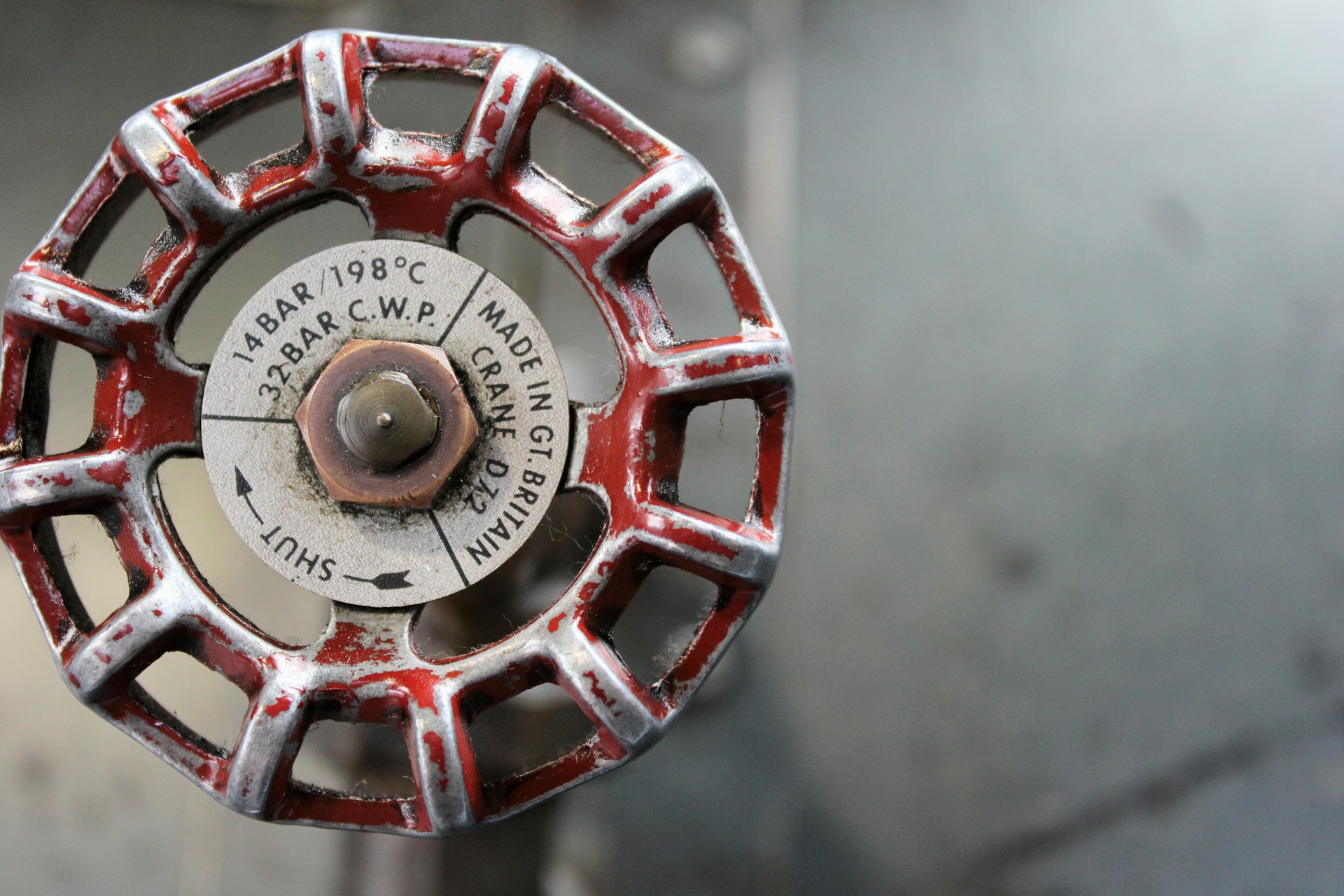
Understanding the different types of ball valves and their specific uses can optimize industrial processes. Each type offers unique advantages tailored to various applications, providing efficient fluid control with minimal resistance.
The operational efficiency and reliable sealing capabilities of ball valves contribute to their widespread adoption in diverse sectors. By selecting the appropriate valve for your specific needs and following proper installation and maintenance practices, you can improve reliability and reduce the likelihood of failures in your systems.


