
resources-malaysia
Navigate Kuala Lumpur: Your Essential City Map Guide
Industry Expert & Contributor
13 Oct 2025

So, you're planning a trip to Kuala Lumpur? This city is a fantastic whirlwind of sights, sounds, and flavours, and figuring out how to get around can feel a little overwhelming at first. But don't you worry—with the right tools, you'll be navigating the city like a true local in no time. This guide is all about making your journey as smooth as possible, especially by tapping into the city's public transport. We'll show you how to read the maps, make sense of the transit system, and discover the very best of KL without any hassle. Grab your city map of Kuala Lumpur, and let's begin this adventure!
Key Takeaways
- Think of the Rapid KL integrated transit map as your secret weapon for understanding the LRT, MRT, and Monorail lines, making travel both simple and efficient.
- Major transit hubs like KL Sentral are your connection points, crucial for switching between different lines and reaching the city's top attractions.
- Pairing a city map of Kuala Lumpur with transit route maps is the best way to plan your journeys, helping you find both popular landmarks and those wonderful hidden gems.
- Getting familiar with Malaysian road signs and having GPS apps on standby will definitely boost your confidence when navigating the city's bustling roads.
- Exploring Kuala Lumpur's incredible districts—from the lively markets of Chinatown to the vibrant nightlife of Bukit Bintang—is so much easier with a solid grasp of the city map and your transit options.
Mastering Kuala Lumpur's Public Transport Network
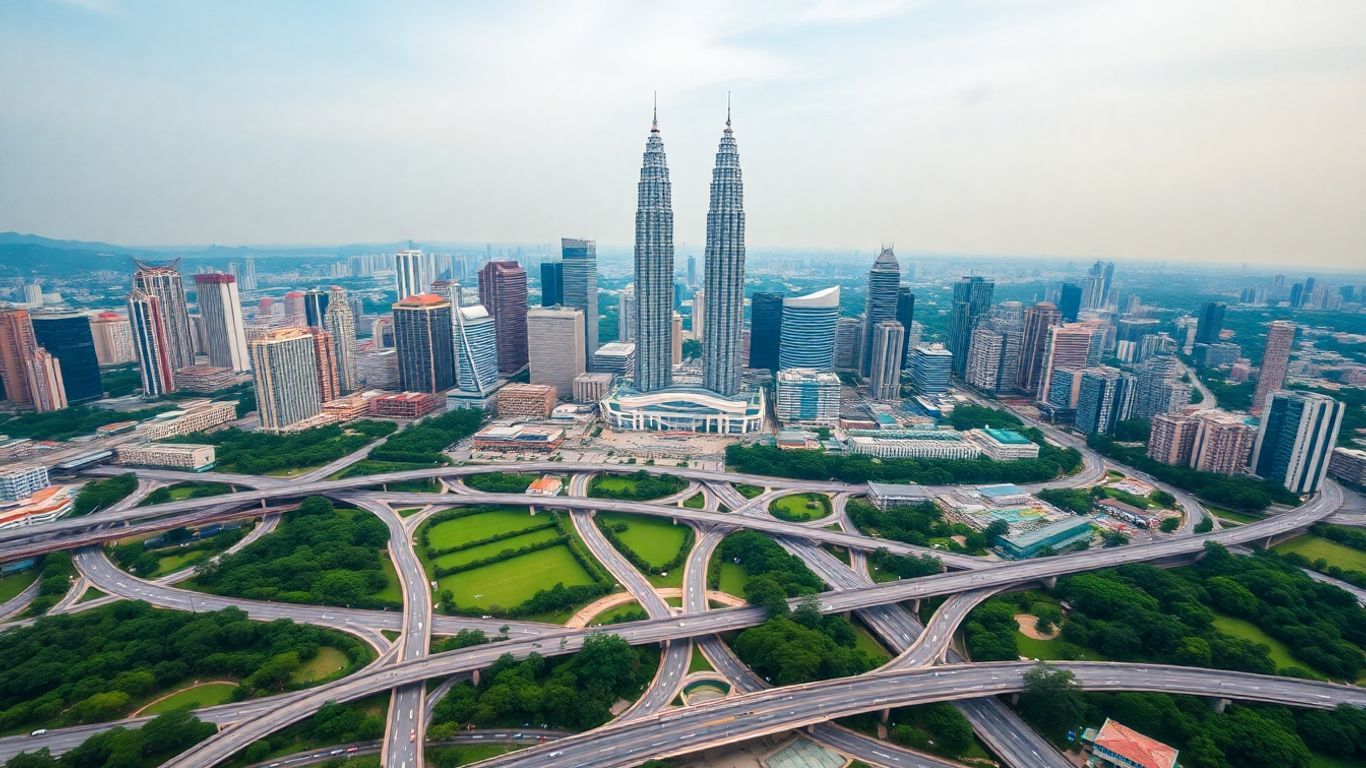
Getting around Kuala Lumpur doesn't have to be a headache. The city actually has a pretty solid public transport system that can make exploring quite straightforward once you get the hang of it. We're talking about the Rapid KL network, which is essentially your key to unlocking most of the city's main attractions. It weaves together the LRT, MRT, and Monorail lines, all working in harmony to get you where you need to be.
Understanding the Rapid KL Integrated Transit Map
For navigating this system, the Rapid KL Integrated Transit Map is your new best friend. Picture it as a colourful web that shows all the different train lines and precisely where they connect. It lays out the LRT (Light Rail Transit), MRT (Mass Rapid Transit), and Monorail lines, plus connections to the KTM Komuter trains and even the airport express. Having this map handy, whether as a physical copy or on your phone, is absolutely essential for planning your trips efficiently. It helps you see which line to hop on, where you need to switch trains, and how to reach your destination without much fuss. You can usually pick up a free map at any station or simply download one from the Rapid KL website before you even land.
Navigating with LRT, MRT, and Monorail Lines
Kuala Lumpur's public transport is built around three main rail systems:
- LRT (Light Rail Transit): This is one of the more established systems, featuring lines like the Ampang, Sri Petaling, and Kelana Jaya lines. They connect many popular neighbourhoods and are perfect for getting to spots like the Batu Caves or making your way into the city centre.
- MRT (Mass Rapid Transit): This is the newer, high-capacity system. The main lines currently in operation are the Sungai Buloh-Kajang (SBK) line and the Sungai Buloh-Serdang-Putrajaya (SSP) line. They're known for being modern, spacious, and comfortable—making those longer journeys far more pleasant.
- Monorail: This line is your go-to for the city centre, offering a unique route that often serves areas not directly reached by the LRT or MRT. It’s a great option for zipping between the main shopping districts and entertainment hubs.
Each line is assigned its own colour on the map, which makes following your route a lot easier. You’ll find clear signs at the stations guiding you to the correct platform for your line. Don't ever hesitate to ask the station staff if you're unsure; they're generally quite helpful.
Key Transit Hubs and Stations
A few stations act as major crossroads, where you can seamlessly switch between different lines or modes of transport. Knowing these hubs can save you a significant amount of time:
- KL Sentral: This is the big one. It's more than just a train station—it's a massive transportation hub. Here, you can connect between the LRT, MRT, Monorail, KTM Komuter, and the ERL (Express Rail Link) to the airport. It can be a busy place, but it's remarkably well-organised.
- Pasar Seni: Situated near Chinatown and Central Market, this station serves as a convenient interchange point, especially between the LRT and MRT lines.
- Muzium Negara: Located right next to KL Sentral, this MRT station is another key access point for the city centre and beyond.
These hubs are always clearly marked on the transit map and are your best bet for making smooth connections. They often have handy amenities like food stalls and shops, so you can grab a quick bite while you plan your next move.
Using public transport in Kuala Lumpur is generally safe and very efficient. Stations are usually well-lit, and trains run frequently, particularly during peak hours. Just remember to keep an eye on your belongings, as you would in any bustling city.
When you're planning your journey, keep in mind that fares are typically based on the distance you travel. You can buy single-journey tokens or, for more convenience, get a reloadable Touch 'n Go card, which makes hopping on and off much quicker. Most stations have ticket machines, but the queues can sometimes be long, so a card is a smart move if you plan to use public transport often during your stay.
Essential Kuala Lumpur City Map Guide
So, your flight is booked and your hotel is sorted—now for the fun part: figuring out how to actually get around Kuala Lumpur. This is where a good city map, especially one showing the transit system, becomes invaluable. Forget about getting lost or spending a fortune on taxis; with the right map in hand, you can explore this incredible city just like a local.
Exploring Attractions with Your City Map
Kuala Lumpur is bursting with sights, from the iconic Petronas Twin Towers to the vibrant streets of Chinatown. A good city map will help you pinpoint these major landmarks with ease. But it's not just about ticking off the big names. The real magic begins when you use your map to connect these points and uncover what lies in between. Think of it as a city-wide treasure hunt. You might be heading towards the Batu Caves, but your map could reveal a cool little market or a historic temple just a short walk away. It’s often these unexpected discoveries that make a trip truly memorable.
Here’s a quick way to approach using your map for sightseeing:
- Pinpoint your must-sees: Make a list of the top 3-5 places you absolutely have to visit.
- Locate them on the map: See where they are in relation to each other and where you're staying.
- Look for connections: Are they clustered together? Can you walk between them, or is a short train ride a better option?
- Spot points of interest: Notice any parks, museums, or food streets that aren't on your main list but look intriguing.
Using a physical map alongside a digital one can be incredibly helpful. Sometimes, seeing the entire city laid out without needing to scroll gives you a much better sense of scale and distance. Plus, you never have to worry about your phone battery dying!
Planning Journeys with Route Maps
Once you've decided where you want to go, you need to figure out the best way to get there. This is where the Rapid KL integrated transit map really shines. It clearly shows all the LRT, MRT, and Monorail lines. You can easily see which stations are closest to your attractions and how to transfer between lines if necessary. For instance, if you're at KL Sentral and want to head to Bukit Bintang, you'll see that you can take the Monorail directly from there. Planning your route in advance saves so much time and potential stress.
Here’s a simple planning process to follow:
- Start Point: Know your current location.
- Destination: Identify where you're headed.
- Map Check: Use the transit map to find the nearest stations to both your start and end points.
- Route Selection: Figure out the best line (or lines) to take and any transfers you might need to make.
- Journey Time: Get a rough estimate of how long the trip will take, including the walk to and from the stations. ol>
- Green Signs: These typically point you towards expressways or highways, like the PLUS Expressway or the LDP.
- Blue Signs: These are for Federal Routes, such as Jalan Kuching.
- White Text on a Green Background: You'll see these for major tourist attractions, like KLCC or Bukit Bintang.
- Brown Signs with White Text: These often indicate other significant tourist sites, such as the Batu Caves or the National Museum.
- Yellow or Orange Text: These direct you to main roads, which are usually heavily used routes like the Federal Highway or Jalan Tun Razak.
- Plan Ahead: Before you start your journey, take a moment to study a map or your GPS to get a general sense of the route. Memorising a few key junctions can be more helpful than trying to remember every single street name.
- Use Service Lanes: If service lanes are available, make use of them. They can help you avoid those sudden, last-minute lane changes that are all too common and can be quite stressful.
- Stay Calm and Steady: Driving too fast when you're unsure of your route is a recipe for missed turns. Maintain a steady pace to give yourself more time to react and observe your surroundings.
- Look for Landmarks: Besides road signs, keep an eye out for major landmarks near your destination. These can serve as great visual cues to let you know you're on the right track.
- Chinatown (Petaling Street): Best for street food, souvenir hunting, and a lively, buzzing atmosphere.
- Central Market: Ideal for arts, crafts, and finding unique Malaysian souvenirs to take home.
- Getting there: Both are easily accessible via the LRT (hop off at Masjid Jamek or Pasar Seni stations).
- Shopping: Pavilion Kuala Lumpur and other major malls line the streets.
- Dining: Jalan Alor for an authentic street food feast, plus numerous restaurants and cafes.
- Nightlife: A huge selection of bars, clubs, and live music venues to choose from.
- Suria KLCC: Located right at the base of the Petronas Towers, this is a high-end mall featuring international brands and an excellent food court. It's a great place to start if you want to see the iconic towers and get some shopping done. You can find out more about attractions accessible via public transport on the Explore Kuala Lumpur City Centre Map.
- Pavilion Kuala Lumpur: Another major mall in Bukit Bintang, celebrated for its mix of luxury and high-street fashion, all set within a lively, energetic atmosphere.
- Central Market: As mentioned, this is your go-to spot for authentic Malaysian handicrafts and souvenirs.
- Jalan Tuanku Abdul Rahman: This street offers a wonderful mix of traditional shops and department stores, often with better prices than the upscale malls.
- Nasi Lemak: This is practically the national dish of Malaysia. It's fragrant rice cooked in coconut milk, served with a spicy sambal, crispy fried anchovies, roasted peanuts, and a hard-boiled egg. It's perfect for breakfast, lunch, or dinner!
- Roti Canai: A flaky, pan-fried flatbread that's usually served with dhal (lentil curry) or other flavourful curries. It's simply divine for dipping.
- Hokkien Mee: A rich, savoury noodle dish, typically stir-fried with pork, shrimp, and vegetables in a dark, wonderfully fragrant sauce that is truly addictive.
- Satay: Skewered and grilled meat (usually chicken or beef) served with a thick, spicy peanut sauce. You'll find these being grilled at many night markets.
- Char Kway Teow: Stir-fried flat rice noodles with prawns, bean sprouts, chives, and sometimes Chinese sausage. It's famous for that smoky 'wok hei' flavour that's just unbeatable.
- Cendol: For dessert, this is a must-try. It’s a bowl of shaved ice topped with green pandan jelly noodles, creamy coconut milk, and sweet palm sugar syrup. Incredibly refreshing on a hot day.
- Jalan Alor: This famous food street in Bukit Bintang comes alive at night. You can find almost everything here, from fresh seafood to local desserts. It's a sensory feast in the best way possible. You can find some amazing street food here, making it a popular stop for visitors. Jalan Alor Food Street
- Chinatown (Petaling Street): While known for its shopping, Chinatown is also home to incredible street food stalls and small, traditional restaurants. Look for stalls selling dim sum, roasted meats, and cooling herbal teas.
- KL Sentral Area: Around the main transport hub, you'll find numerous restaurants and food courts offering a wide variety of both local and international cuisine. It's a super convenient place to grab a bite before or after your travels.
- Little India (Brickfields): This vibrant area is a haven for Indian food lovers. Here, you can find authentic Nasi Kandar, various aromatic curries, and delightful sweet treats.
- Currency: Malaysian Ringgit (MYR)
- Language: While Malay (Bahasa Melayu) is the official language, English is widely spoken.
- Best Time to Visit: Generally, the drier months from March to September offer pleasant weather, though KL is truly a year-round destination.
- Tipping: Tipping isn't customary in Malaysia, but rounding up the bill or leaving a small amount for exceptional service is always a nice gesture.
- Police: 999
- Ambulance/Fire Brigade: 999
For a more interactive way to see how everything connects, you can check out the Explore Kuala Lumpur City Centre Map. It’s a fantastic tool for visualising your travel options.
Discovering Hidden Gems
Beyond the well-trodden tourist paths, Kuala Lumpur is filled with countless hidden gems. We're talking about the local eateries, quiet parks, and unique shops that you might otherwise miss if you're just following a strict itinerary. Your map is your key to finding them. Take a look at the areas *between* the major attractions. Zoom in and see what's marked. You might stumble upon a street market not listed in every guidebook or a small art gallery tucked away on a side street. Don't be afraid to wander a little—sometimes the best discoveries happen when you take a slight detour. This is how you can truly get a feel for the city's everyday rhythm, far from the tourist crowds.
Navigating Kuala Lumpur Roads Confidently
Let's be honest, driving in Kuala Lumpur can sometimes feel like solving a tricky puzzle, can't it? Signs can seem to vanish at crucial moments, and roads might take an unexpected turn. While your phone's GPS is an absolute lifesaver, understanding the local road signs and a few driving tricks can really help you get around smoothly—even if your battery happens to die.
Understanding Malaysian Road Signs
Malaysian road signs use a colour-coding system that's actually quite useful once you get the hang of it. It’s not just about the name of the destination; the colour of the sign tells you a lot about the type of road you're on or where it leads. Paying attention to these colours can help you make quicker decisions on the road, especially when signs are few and far between.
Here's a quick guide:
Strategies for Tricky Driving Situations
KL's road network can be a bit of a maze. Sometimes, a sign for your destination might disappear at a junction, only to reappear a little later. The key is not to panic! Often, the sign assumes you know the general direction. A good trick is to look for other nearby destinations that were listed on the same sign. For example, if you were heading to KLCC and saw it listed alongside Jalan Duta, keep an eye out for signs to Jalan Duta too, as your destination is likely linked.
Sometimes, the best way to get comfortable with KL's roads is to take shorter trips in areas you're somewhat familiar with. Try driving around Jalan Tun Razak or the Federal Highway without relying solely on GPS. You'll soon start to recognise the patterns and key turns.
Utilizing GPS and Navigation Apps
Apps like Waze and Google Maps are incredibly useful in Kuala Lumpur, no doubt about it. They offer real-time traffic updates, which are a massive help given the city's notorious traffic. However, it's wise to use them as a guide rather than a command. Always cross-reference what the app is telling you with the road signs you see. If the app says to turn left, but the sign clearly indicates that lane leads somewhere else, it's usually best to trust the sign. Also, be aware that GPS signals can sometimes be weak in certain spots, like under flyovers or between tall buildings.
Your Guide to Kuala Lumpur's Vibrant Districts
Kuala Lumpur is a city that truly comes alive once you start exploring its diverse neighbourhoods. Each district has its own distinct personality, offering something unique whether you're a history buff, a foodie, or just someone who loves soaking up the local atmosphere. Getting to know these different areas is the key to really experiencing all that KL has to offer.
Exploring Chinatown and Central Market
These two iconic spots are practically neighbours and offer a wonderful contrast. Chinatown, or Petaling Street as it's locally known, is a bustling hub of constant activity. Here, you'll find everything from affordable souvenirs and replica goods to some seriously mouth-watering street food. It's a place where you can test your haggling skills for a good bargain and truly feel the energetic pulse of the city. Just be prepared for the crowds, especially on weekends.
Right next door, you'll find Central Market. This place is a bit more organised and shines a spotlight on local arts and crafts. It's the perfect spot to pick up unique gifts like beautiful batik fabrics, intricate wood carvings, or traditional Malaysian handicrafts. Inside, you'll also discover small eateries and art stalls. It’s a great place to escape the afternoon heat for a while and appreciate local creativity.
The energy in Chinatown is simply infectious. It’s a sensory overload in the best possible way—with vendors calling out, the fragrant smell of spices in the air, and a kaleidoscope of colours everywhere you look.
Experiencing the Nightlife of Bukit Bintang
When the sun sets, Bukit Bintang truly comes to life. This is KL's premier entertainment and shopping district. Think bright lights, trendy bars, chic rooftop lounges, and a vibrant street scene that goes on late into the night. Jalan Alor, a world-famous food street, is located here and transforms after dark with countless food stalls serving up beloved local favourites. It’s the perfect place to grab dinner before exploring the area's many entertainment options.
Here's a quick glimpse of what you can find:
Shopping Destinations from Malls to Markets
Kuala Lumpur is a shopper's paradise, offering an incredibly diverse range of options. You can go from the ultra-modern, air-conditioned luxury of a mega-mall to the vibrant, open-air chaos of a street market, sometimes all in the same day. It really just depends on what you're looking for and your budget.
Here are a few key shopping areas to check out:
No matter what your shopping style is, KL has a district that will surely satisfy your retail cravings. Just remember to wear comfortable shoes—you'll definitely be doing a lot of walking!
Culinary Adventures Across Kuala Lumpur
Kuala Lumpur is a genuine food lover's paradise. Honestly, you could spend your entire trip just eating your way through the city and you wouldn't be disappointed. The food scene here is a glorious fusion of Malay, Chinese, and Indian influences, creating unique flavours that you simply won't find anywhere else. The best part? The city's public transport makes it incredibly easy to hop from one delicious spot to the next.
Must-Try Local Dishes
When you're in KL, there are a few classic dishes that you absolutely have to try. Don't even think about leaving without tasting these:
Foodie Hotspots Along Transit Routes
Getting to all these amazing food destinations is a breeze with the Rapid KL network. Here are a few areas you should definitely add to your list:
Gastronomic Experiences for Every Palate
Whether you're after a quick street food snack or a more leisurely sit-down meal, KL has you covered. Don't be shy about trying the hawker stalls—that's often where you'll find the most authentic and delicious food. Many local eateries are conveniently located near LRT and MRT stations, so you can easily plan your culinary adventures around your sightseeing itinerary.
Kuala Lumpur's food scene is a true reflection of its diverse culture. Each dish tells a story, passed down through generations. Exploring these flavours is just as much a part of the city's experience as visiting its famous landmarks. Don't just eat; savour the moment and the rich history behind every single bite.
From the early morning rush for Roti Canai to late-night cravings for Satay, your taste buds are in for an unforgettable journey in Kuala Lumpur. Just follow the scent of spices, and you'll likely discover your next favourite meal.
Practical Tips for Exploring Kuala Lumpur
Alright, so you're all set to dive into the vibrant energy of Kuala Lumpur! It's a truly fantastic city, but like any major metropolis, a few local pointers can make your trip that much smoother. Think of these as some friendly neighbourhood advice before you head out on your adventure.
Traveler Information and City Facts
Kuala Lumpur is a city that never fails to buzz with life. It's a captivating blend of old and new, where towering skyscrapers stand proudly next to historic temples. The weather here is pretty consistent all year round—warm and humid, so be sure to pack light clothing. It's also a good idea to bring an umbrella or a light rain jacket, as afternoon showers are quite common. The local currency is the Malaysian Ringgit (MYR). While credit cards are widely accepted in most hotels, malls, and larger restaurants, it’s always smart to have some cash on hand for smaller shops, street food vendors, and local markets. English is widely spoken, especially in tourist areas, so you shouldn't have much trouble communicating or asking for directions.
Here are a few quick facts to keep in mind:
Remember that many attractions have specific opening hours. It’s always a good idea to double-check these online before you plan your visit, especially if you’re aiming to be there at a particular time.
Emergency Contacts and Safety Guidelines
Kuala Lumpur is generally a safe city for tourists, but it's always wise to be aware of your surroundings, particularly in crowded places like markets or on public transport. Keep your valuables secure and be mindful of your belongings to avoid pickpockets. If you ever need to contact emergency services, here are the numbers to know:
It's also a good idea to have the contact information for your country's embassy or consulate handy, just in case. Stay hydrated, especially when you're out exploring under the sun, and don't forget your sunscreen. If you're using ride-sharing apps, always make sure the car and driver details match what's shown in the app before you get in.
Accessibility for Travelers with Disabilities
Kuala Lumpur is making positive strides in becoming more accessible. Many of the newer public transport systems, like the MRT and certain LRT lines, are equipped with features like ramps and elevators. Major shopping malls and newer hotels are generally well-outfitted with facilities for people with disabilities. However, older parts of the city or smaller establishments might pose more of a challenge. When using public transport, don't hesitate to ask the station staff for assistance; they are usually more than happy to help. It's always a good idea to research specific attractions or venues beforehand if you have particular accessibility needs. The local tourist information centres can also provide valuable guidance on accessible routes and facilities.
Your KL Adventure Awaits!
So there you have it—the lowdown on navigating Kuala Lumpur. We've covered how to master the Rapid KL system, from the LRT to the Monorail, and even shared a few tips on driving if that's more your style. It might seem like a lot to take in at first, but honestly, once you get the hang of it, moving around this city is pretty straightforward. Just remember to grab a map, perhaps download a helpful app, and never be afraid to ask for directions if you find yourself a little turned around. Kuala Lumpur has so much to offer, and with a little bit of planning, you'll be exploring its markets, towers, and hidden food gems like a seasoned pro in no time. Have an amazing trip!
Frequently Asked Questions
What are the main public transport options in Kuala Lumpur?
In Kuala Lumpur, you've got a fantastic public transport system at your fingertips! Your main options are the LRT (Light Rail Transit), MRT (Mass Rapid Transit), and the Monorail. These train lines connect most parts of the city, making it easy to get around with a transit map.
How can I get a map of Kuala Lumpur's public transport?
It's easy! You can find official Rapid KL route maps on their website, or you can often find them within helpful travel apps. These maps clearly show all the train lines like the LRT and MRT, which is a great help for planning your trips.
Is it easy to travel around Kuala Lumpur using public transport?
Yes, it's actually quite simple! The Rapid KL network, which includes the LRT and MRT, is very well-connected. Using a route map will make it even easier to navigate your way between popular spots like the Petronas Towers and Chinatown.
What are some key places to visit in Kuala Lumpur?
Oh, Kuala Lumpur is packed with amazing places! You definitely shouldn't miss the iconic Petronas Towers, the bustling streets of Chinatown and Central Market for great food and shopping, and the vibrant nightlife in Bukit Bintang. The best part is, public transport can take you to all these exciting locations.
What should I know about driving in Kuala Lumpur?
Driving in KL can be a bit of an adventure due to the traffic. While GPS apps are a huge help, it's also a good idea to pay close attention to the road signs. Honestly, if you're not used to it, using public transport like the LRT and MRT is a much more relaxed way to experience the city.
Where can I find good food in Kuala Lumpur?
Kuala Lumpur is a food lover's dream! You can find delicious local dishes just about everywhere, from lively street food stalls in Chinatown to modern restaurants near the main transit hubs. Exploring different neighbourhoods is the best way to uncover some truly amazing culinary experiences.
Share

Peyman Khosravani
Industry Expert & Contributor
Peyman Khosravani is a global blockchain and digital transformation expert with a passion for marketing, futuristic ideas, analytics insights, startup businesses, and effective communications. He has extensive experience in blockchain and DeFi projects and is committed to using technology to bring justice and fairness to society and promote freedom. Peyman has worked with international organisations to improve digital transformation strategies and data-gathering strategies that help identify customer touchpoints and sources of data that tell the story of what is happening. With his expertise in blockchain, digital transformation, marketing, analytics insights, startup businesses, and effective communications, Peyman is dedicated to helping businesses succeed in the digital age. He believes that technology can be used as a tool for positive change in the world.


