
resources-malaysia
Understanding Earthquake Risk in Malaysia: Latest Updates and Preparedness
Industry Expert & Contributor
13 Oct 2025

We've all likely felt those occasional tremors, haven't we? Perhaps you've heard about the recent shakes in Sabah or felt a faint rattle in Johor. It’s a common belief that Malaysia is completely safe from major earthquakes, given our location away from the notorious 'Ring of Fire'. However, the reality is a little more nuanced than that. This article aims to provide a clearer understanding of earthquake risks in Malaysia, explore the latest developments in geological science and safety measures, and most importantly, guide us on how we can all be better prepared. Let's get started.
Key Takeaways
- While Malaysia isn't situated on major tectonic plate boundaries, it does experience seismic activity—including intraplate earthquakes—with Sabah identified as having a higher risk.
- Updated geological and seismic hazard maps are crucial tools for understanding our earthquake risk and informing safer construction practices.
- For structural resilience, it's vital to implement earthquake-resistant building codes like Eurocode 8 and to retrofit older, more vulnerable structures.
- A comprehensive national strategy is needed, one that involves cross-sectoral preparedness, early warning systems like tsunami sirens, and well-defined evacuation plans.
- At the end of the day, household preparedness is a personal responsibility; this includes having emergency kits, assessing home hazards, and creating a family emergency plan to ensure safety during and after a quake.
Understanding Malaysia's Seismic Landscape
It's easy to think of Malaysia as a safe haven from major natural disasters, and for the most part, we are fortunate. We aren't perched on the edge of the Pacific Ring of Fire, which spares us the intense volcanic activity and massive earthquakes that affect some of our neighbours. Furthermore, we're located a good distance from the main tectonic plate boundaries. This has led many to believe that earthquakes just aren't a significant concern here—but that's not the complete picture.
Geographical Factors Influencing Earthquake Risk
Malaysia's location, while generally stable, doesn't grant us total immunity. The country is situated away from the major plate collisions that trigger the world's most powerful quakes. However, the movement of these distant plates, particularly near Sumatra, can send seismic ripples our way. Think of it like dropping a pebble into a pond—the ripples can travel surprisingly far. This means that even without active volcanoes or major fault lines crisscrossing the nation, we can still feel the tremors from distant seismic events.
Historical Tremors and Seismic Activity
While large, destructive earthquakes are rare, Malaysia has certainly experienced its share of seismic activity. Sabah, in particular, has a history of moderate earthquakes. Between 1900 and 2019, the state recorded 67 light to moderate tremors. Peninsular Malaysia has also felt its share, with 59 earthquakes recorded between 1922 and 2020. What’s interesting is that a significant number of these peninsular quakes occurred more recently, between 2007 and 2020. This uptick has prompted researchers to take a closer look at the potential causes.
Here’s a quick overview of some recorded seismic activity:
- Sabah: A magnitude 6.0 earthquake struck Ranau in 2015, which tragically resulted in fatalities.
- Peninsular Malaysia: Several tremors have been felt, with epicentres noted in areas like Bukit Tinggi in Pahang and Kuala Pilah in Negeri Sembilan.
- Sarawak: Although less active than Sabah, it has also recorded tremors, including a 5.3 magnitude quake back in 1994.
The notion that Malaysia is entirely free from earthquake risk is a common misconception. While we are fortunate to be in a relatively stable region, historical data and recent trends show that seismic activity is a reality we must acknowledge.
Intraplate Earthquakes and Their Triggers
So, what’s causing these tremors if we're not on a plate boundary? Many of the earthquakes felt in Malaysia are classified as 'intraplate' earthquakes, which occur within a tectonic plate rather than at its edges. A leading theory suggests these events can be triggered by large earthquakes happening nearby, such as those in Sumatra. When a massive quake occurs there, it can shift stresses within the Earth's crust, sometimes reactivating smaller, dormant faults within our region. This might lead to a series of smaller, harmless tremors, but it also raises questions about the potential for larger events down the line. The Ministry of Natural Resources, Environment and Climate Change has confirmed that Malaysia does have the potential for earthquakes, making it important to stay informed, especially for those living in places like Sabah and Sarawak.
Assessing Earthquake Hazards in Malaysia
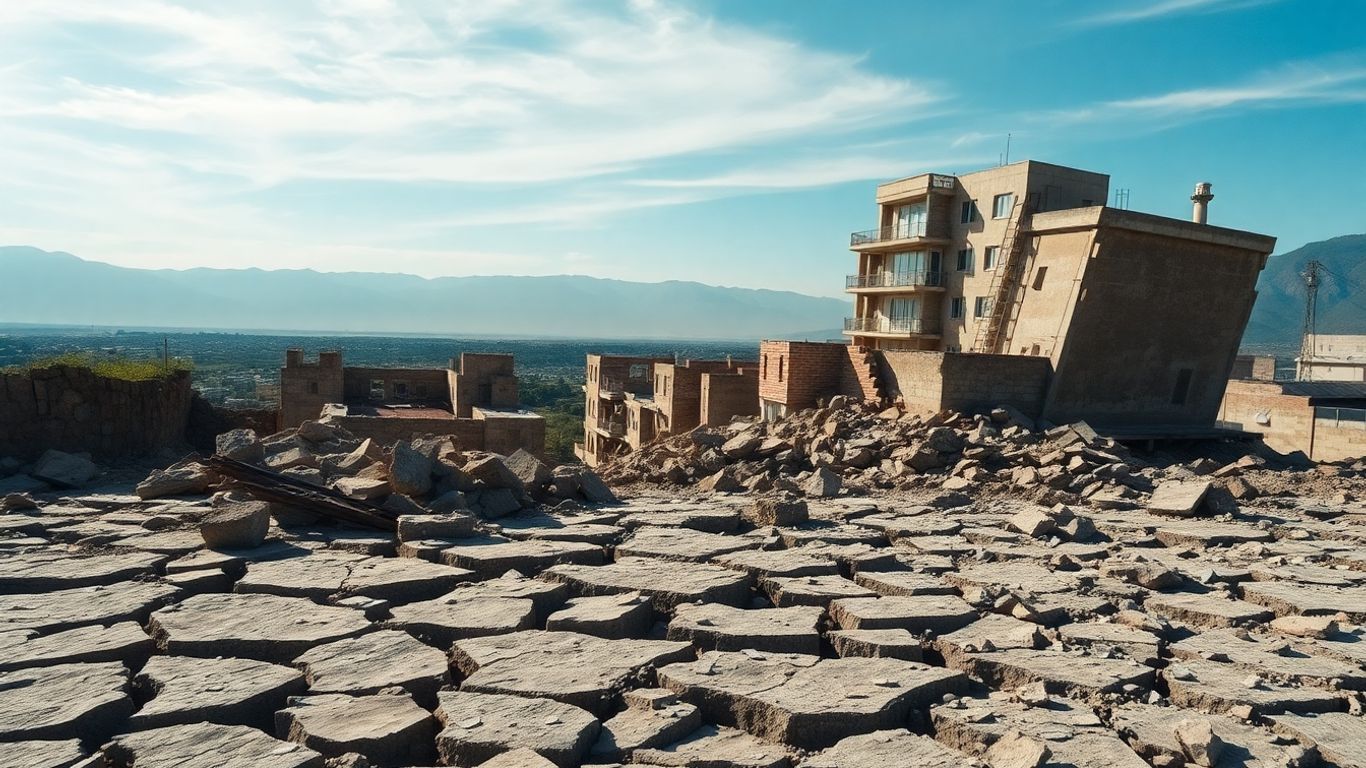
While Malaysia isn't situated on the edge of major tectonic plates like some of our neighbours, it doesn't mean we're completely off the hook when it comes to earthquakes. The situation is more complex than simply being far from the 'Ring of Fire'. We've actually experienced a number of tremors over the years, especially in Sabah, and even a few in Peninsular Malaysia that have raised concerns. Understanding these seismic patterns and their potential impact is absolutely key to being prepared.
The Role of Geological Mapping Updates
Geological mapping is essentially creating a detailed blueprint of the ground beneath our feet. For assessing earthquake risk, these maps are incredibly important. They help us identify where fault lines are and gauge how active they might be. The Department of Minerals and Geoscience (JMG) has been diligently updating these maps, which is fantastic news because it gives us a much clearer picture of potential seismic activity across Peninsular Malaysia, Sabah, and Sarawak. These updates aren't just for scientists—they are a vital tool for city planners and construction professionals.
Interpreting Seismic Hazard Maps
Seismic hazard maps are visual guides that show how likely different areas are to experience ground shaking from an earthquake. They often use a colour-coded system to indicate varying levels of risk. These maps are typically based on historical earthquake data and detailed geological studies. They help us understand where the ground might shake most intensely during a quake. It's not about predicting exactly when or where an earthquake will strike, but rather about understanding the general level of shaking we might expect in different regions.
Peak Ground Acceleration and Building Vulnerability
Peak Ground Acceleration, often abbreviated as PGA, is a technical term for measuring how strong the shaking from an earthquake might be at a specific location. You can think of it as the maximum speed the ground moves during a quake. Higher PGA values mean stronger shaking. This is incredibly important for building codes because it tells engineers how much force their structures need to be designed to withstand. Naturally, buildings in areas with higher PGA values need to be more earthquake-resistant to prevent damage or collapse.
Here’s a glance at some PGA values for different parts of Malaysia:
| Region | Highest Recorded PGA | Notes |
|---|---|---|
| Peninsular Malaysia | 9%g | Recorded in Manjung (Perak) and Bukit Tinggi (Pahang) |
| 7%g | Kuala Lumpur | |
| Sarawak | 9%g | Recorded in Niah; most areas are below 4%g |
| Sabah | Varies | Generally higher risk, with specific values requiring detailed maps. |
It's easy to assume Malaysia is safe from major earthquakes because we're not on the edge of major tectonic plates. However, historical data and recent events demonstrate that tremors do occur, and understanding the potential shaking intensity through measures like Peak Ground Acceleration is a necessary step in building safer structures and communities.
Building Resilience: Structural and Regulatory Measures
When we talk about making Malaysia more resilient to earthquakes, it’s about more than just knowing what to do when the ground starts to shake. A huge part of this effort revolves around our buildings and the regulations that govern their construction. It’s all about ensuring our structures can handle seismic activity—a crucial consideration, as we're not entirely immune to tremors, even if we are outside the main earthquake zones.
Implementing Earthquake-Resistant Building Codes
Malaysia has been progressively enhancing its building codes, with a strong focus on ensuring new constructions can withstand seismic forces. This involves applying specific design principles and materials that allow buildings to flex and absorb energy during an earthquake, rather than rigidly resisting the force and potentially breaking. It's a proactive, forward-thinking approach to public safety.
- Adoption of Standards: Malaysia has adopted international standards, such as Eurocode 8, which provides comprehensive guidelines for designing earthquake-resistant structures. This is a significant step towards a more standardised and safer built environment.
- National Annexes: To adapt these international codes to our local conditions, Malaysia has developed National Annexes. These documents provide specific rules and parameters relevant to our unique geological context, making the codes both practical and effective.
- Material and Design Requirements: The codes now specify requirements for factors like the ductility of materials, the strength of connections, and the overall structural system to ensure buildings perform better during seismic events.
Retrofitting Older Structures and Critical Infrastructure
While new buildings are generally designed with seismic resistance in mind, many older structures and essential facilities were built before these stricter codes were established. This is where retrofitting comes into play. It involves going back and strengthening these existing buildings to improve their ability to withstand earthquakes. Think of critical infrastructure like bridges, older government buildings, and even some residential blocks. Making these structures safer is a massive undertaking, but it is incredibly important for public safety.
- Assessment of Existing Buildings: The first step is to identify which older buildings and critical infrastructure are most at risk and would benefit most from retrofitting.
- Strengthening Techniques: A variety of methods can be employed, such as adding shear walls, reinforcing columns and beams, or even installing base isolation systems that help decouple the building from the ground's motion.
- Prioritization: Given the scale of the task, efforts are often prioritized for critical facilities like hospitals, schools, and emergency response centres, as well as densely populated areas with older buildings.
The Significance of Eurocode 8 and National Annexes
Eurocode 8 is a set of European standards for designing earthquake-resistant structures. Its adoption in Malaysia, along with a specific National Annex, marks a significant milestone. It means that our engineers and developers now have a clear, internationally recognised framework to follow. The National Annex is particularly crucial because it tailors these general rules to Malaysia's specific seismic characteristics, including local ground conditions and expected ground motion.
The implementation of robust building codes and retrofitting programs is about more than just meeting regulations; it's about creating a tangible difference in how communities fare when an earthquake strikes. It's a long-term investment in safety and stability for all of us.
Here’s a look at how Peak Ground Acceleration (PGA) values can indicate risk, with higher values suggesting a greater potential for damage:
| Region/Area | Peak Ground Acceleration (PGA) | Potential Impact on Ordinary Buildings |
|---|---|---|
| Most Landmasses | Above 4%g | Generally safe, but minor issues might arise in weaker structures. |
| Ranau | 15%g | Significant damage possible, including large cracks affecting stability. |
| Lahad Datu | 16%g | High risk of severe damage, including broken frames and beams. |
| Kudat | 14%g | High risk of severe damage, including broken frames and beams. |
It's important to remember that buildings constructed before 2017, and especially before 2021 when the standard became mandatory, might not meet current earthquake-resistant requirements. This underscores the ongoing need for assessment and potential strengthening of older structures as we work towards building a more resilient Malaysia.
Preparedness and Response: A National Strategy
When it comes to earthquakes, being ready is truly half the battle. Although Malaysia is not situated on a major fault line, we still experience tremors, and having a solid national strategy is essential to keeping everyone safe. This requires a coordinated effort from many different groups, from government agencies to local communities.
Enhancing Cross-Sectoral Disaster Preparedness
This isn't just one agency's job; everyone needs to be on the same page. This means ensuring that rescue teams, emergency responders, and local authorities are all trained and equipped to handle an earthquake. Think of it like a well-rehearsed stage play where every actor knows their role perfectly. This level of coordination helps prevent confusion and significantly speeds up the process of getting help where it's needed most. A unified approach simply means faster, more effective aid during a crisis.
The Function of Tsunami Sirens and Early Warning Systems
While we're on the topic of earthquakes, we must also consider related risks like tsunamis. Malaysia has a system of tsunami sirens strategically placed along its coastal areas. These are designed to provide an early warning, giving people precious minutes to evacuate to higher ground. The Malaysian Tsunami Early Warning System (SAATNM) is tasked with getting these alerts out as quickly as possible after an earthquake is detected. It's all about buying time and giving people a crucial window to react.
Evacuation Strategies and Population Relocation
Sometimes, the safest course of action is to move people out of harm's way. This is where carefully planned evacuation strategies come in. For areas deemed to be at higher risk, or in the event of a major incident, having clear plans for relocating large groups of people to safer locations is vital. This is more than just telling people to leave; it involves planning evacuation routes, setting up temporary shelters, and ensuring that everyone, especially vulnerable populations, can get to safety. It's a complex logistical challenge, but an absolutely necessary component of a robust national plan.
Planning for a worst-case scenario, even if it seems unlikely, is the very essence of preparedness. It's about building resilient systems and educating people so that when an event does occur, its impact is significantly lessened.
Household Earthquake Preparedness Checklist
Even though Malaysia isn't on the edge of major tectonic plates, we've certainly seen tremors here and there, especially in places like Sabah. This serves as a good reminder that being ready for an earthquake at home is never a bad idea. Think of it as putting together a personal safety net for your family—it’s not about being fearful, but about being smart and prepared.
Assembling Your Emergency Kit
This is your go-to stash for when things get shaky and essential services might be disrupted. You'll want to have enough supplies to last for at least three days.
- Water: Plan for at least four litres per person, per day.
- Food: Stock up on non-perishable items like canned goods, energy bars, and dried fruit. Don't forget a manual can opener!
- First Aid: A well-stocked kit should include bandages, antiseptic wipes, pain relievers, and any personal medications.
- Light & Communication: A flashlight with extra batteries, a battery-powered or hand-crank radio, and a whistle to signal for help are essential.
- Documents: Keep copies of important papers like your IC, insurance policies, and emergency contact lists in a waterproof bag.
- Sanitation: Don't forget toiletries, moist towelettes, and garbage bags.
Keeping your kit in an easy-to-grab location, like a sturdy backpack or a storage bin near an exit, is key. Make sure everyone in the household knows where it is.
Conducting a Home Hazard Assessment
Take a walk around your home and identify things that could fall, break, or become a hazard during a quake.
- Secure heavy furniture: Tall bookshelves, cabinets, and heavy appliances should be anchored to the wall using straps or brackets.
- Check hanging items: Ensure that mirrors, large pictures, and ceiling fans are securely fastened. Anything that could swing wildly needs attention.
- Clear pathways: Keep sleeping areas and main walkways free from windows or heavy objects that could topple over.
Developing a Family Emergency Plan
It’s not enough just to have a kit; you also need a plan. Sit down with your family and talk through what to do.
- Meeting spots: Designate two places to meet if you get separated—one just outside your home and another further away in your neighbourhood, in case you can't return.
- Out-of-area contact: Choose a friend or relative who lives in another state or city to be your family's main contact person. Everyone can call them to check in.
- Practice: Go over your plan regularly. Practice what to do during an earthquake, like 'Drop, Cover, and Hold On,' and discuss how you'll reunite if you're separated.
Having these simple steps in place can make a world of difference when it matters most.
During and After the Tremors: Safety Protocols
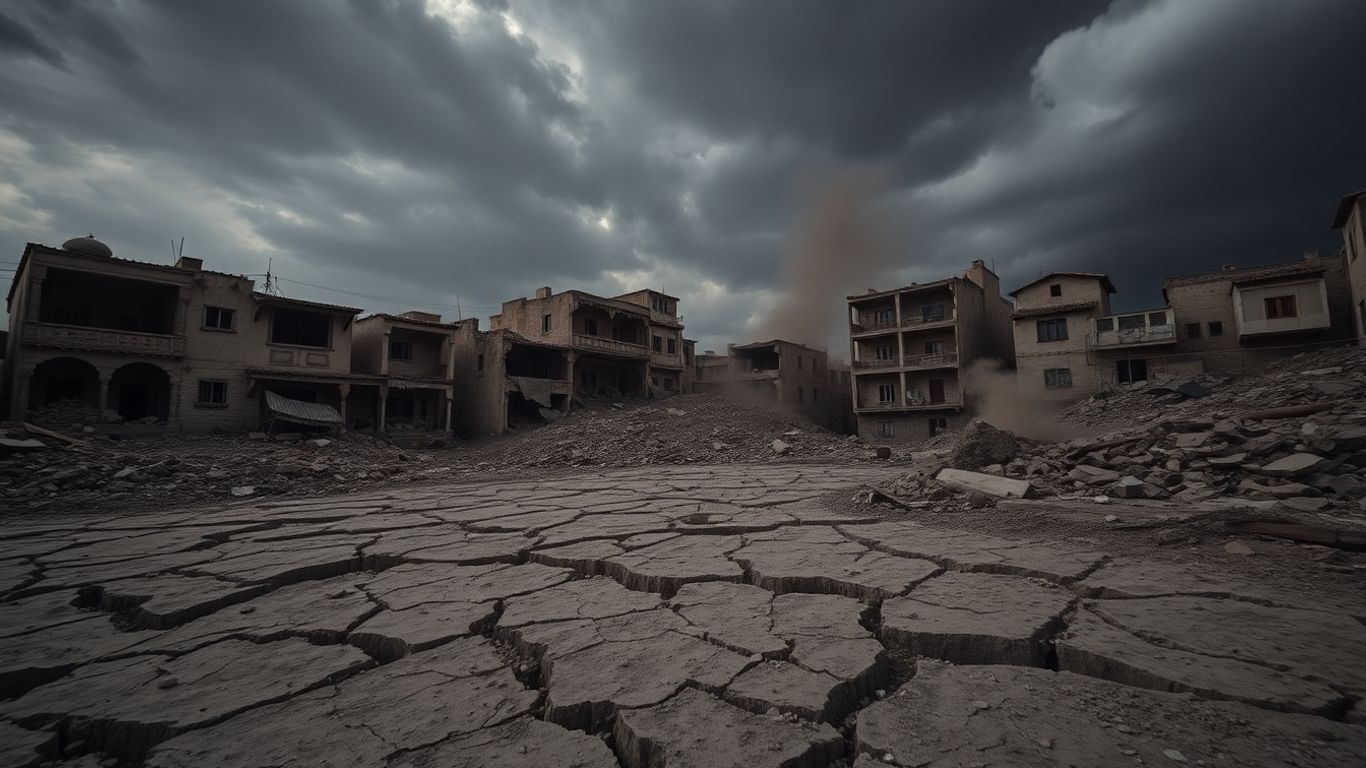
When the ground begins to shake, it’s natural to feel a surge of panic, but knowing the right actions to take can make a huge difference. The single most important thing to remember is the 'Drop, Cover, and Hold On' technique. This isn't just a catchy phrase; it's a proven method to protect yourself from falling objects and potential injuries.
Essential 'Drop, Cover, and Hold On' Techniques
The moment you feel the shaking, act quickly. Don't try to run outside—this is often more dangerous due to falling debris. Instead, focus on finding immediate protection right where you are:
- Drop down onto your hands and knees. This position helps prevent you from being knocked over by the violent motion.
- Cover your head and neck with your arms. If you can, crawl under a sturdy piece of furniture like a strong table or desk, which can act as a shield.
- Hold On to your shelter. Stay under the furniture and hold on tightly until the shaking stops completely. If there's nothing sturdy to get under, cover your head and neck with your arms and stay close to an interior wall, away from windows.
It's also crucial to stay away from windows, mirrors, tall furniture that could tip over, and anything else that could fall on you. A word of caution: never use elevators during an earthquake. Stairs are a safer option if you absolutely must move, but staying put is usually the best course of action.
Post-Earthquake Safety and Damage Assessment
Once the shaking has stopped, your immediate safety remains the top priority. Take a moment to compose yourself and assess your surroundings before you move.
- Check for Injuries: Look around and check yourself and others for any injuries. Administer basic first aid if you can, but don't hesitate to call for professional medical help for anything serious.
- Inspect for Hazards: Carefully check for potential dangers like gas leaks. If you smell gas or hear a hissing sound, turn off the main gas valve if you know how and can do so safely. Open windows to ventilate the area, and avoid using any open flames, electrical switches, or devices that could create a spark.
- Assess Structural Integrity: Look for visible damage to your home or building. Be extremely cautious of cracked walls, damaged foundations, or leaning structures. If you suspect significant damage, evacuate the building carefully and move to an open area away from any structures that could collapse.
After the main shaking subsides, it is vital to remain vigilant. The ground may continue to move, and secondary hazards like falling objects or structural collapses can still pose a threat. Always prioritize your safety and the safety of those around you.
Staying Informed and Preparing for Aftershocks
Earthquakes rarely occur as a single event. Aftershocks are common and can be strong enough to cause further damage or even bring down already weakened structures. Staying informed is key to navigating the aftermath safely.
- Listen to Official Updates: Tune in to a battery-powered radio or a reliable local news source for information from emergency services. Try not to rely solely on your mobile phone, as networks can quickly become overloaded.
- Be Ready for Aftershocks: Understand that aftershocks can happen hours, days, or even weeks after the main quake. Be prepared to 'Drop, Cover, and Hold On' again if the shaking resumes.
- Avoid Damaged Areas: Steer clear of buildings that have sustained damage, as they are at a higher risk of collapse during aftershocks. Keep a safe distance from downed power lines and other debris.
Community Engagement and Public Awareness
Getting everyone on the same page about earthquake safety is a massive undertaking, but an incredibly important one. It's not just about individuals knowing what to do when the ground shakes, but about fostering a community that's prepared to support one another. When we all understand the risks and know our roles, we become much stronger and more resilient together.
The Importance of Disaster Drills and Education
Think of disaster drills just like the fire drills we had in school, but for earthquakes. They are absolutely essential for familiarising people with the correct procedures. Practising actions like 'Drop, Cover, and Hold On' helps build muscle memory, making it an automatic response during a real event. Education goes hand-in-hand with these drills. It's about ensuring people understand *why* these steps are so important and what they can expect. For instance, it's been noted that even in areas that have experienced significant quakes, like parts of Sabah after 2015, public awareness can remain surprisingly low. This is precisely why programs targeting schools and the general public, especially in regions with higher seismic activity, are so necessary. It's about shifting the public mindset from one of surprise to one of readiness.
Leveraging Community Networks for Alerts
Official channels are vital, but sometimes local networks can be just as effective—if not more so—for disseminating information quickly. This could involve neighbourhood watch groups, local community leaders (*ketua kampung*), or even a strong social media presence for local emergency services. When people know who to turn to in their immediate community for updates or assistance, it makes a world of difference. It's about creating a web of communication that can spread the word fast, whether it's an alert from MetMalaysia or an on-the-ground update from NADMA. These local connections mean help can be coordinated far more effectively when it's needed most.
Bridging the Awareness Gap in High-Risk Areas
It's quite concerning to learn that even in places that have experienced earthquakes, such as Ranau, the general understanding of seismic risks is not as high as it should be. This awareness gap is something that needs to be actively addressed. It means that official agencies must step up their outreach efforts. They can't just assume that people know what to do or that past events are enough to maintain a high level of awareness. This requires more than just putting up posters; it means active community engagement, clear and consistent communication, and ensuring that vital information reaches everyone, including those who may not be actively seeking it out. We need to ensure that preparedness isn't just a buzzword, but a practical reality for all Malaysians, especially those in higher-risk areas.
The reality is, predicting earthquakes with any precision is still a long way off. Therefore, our best strategy is to focus on what we can control: ensuring people know how to react and how to make their homes and communities safer. This requires a dual focus on strengthening building codes and, just as importantly, on public education and drills. It’s a two-pronged approach that we simply can't afford to ignore.
Wrapping Up: Staying Ready for What Might Come
So, while Malaysia isn't exactly perched on the edge of a major earthquake zone, it’s clear that ignoring the possibility entirely isn't a wise approach. We've seen that tremors do happen, and even if they are usually minor, it's always smart to be prepared. Experts are rightly pushing for better geological mapping and ensuring our buildings—especially older ones—are robust enough to handle a shake. For us at home, it really boils down to having a plan. Knowing what to do when the ground moves, having a kit ready with essentials, and talking with your family about how to reunite if you get separated are simple steps that can make a huge difference. This isn't about living in fear, but about being sensible and ready, just in case. Let's all take a moment to think about our own preparedness, because a little effort now can go a long way when it truly matters.
Frequently Asked Questions
Is Malaysia at risk of big earthquakes?
While Malaysia isn't located on the main tectonic plate edges where most large earthquakes occur, we can still feel tremors. Areas like Sabah are more likely to experience stronger shakes due to their proximity to active seismic zones. Even Peninsular Malaysia has recorded earthquakes, and experts agree that while the risk is generally low, it's something we should be prepared for.
What should I do if an earthquake happens?
The safest thing to do is 'Drop, Cover, and Hold On.' Immediately drop to your hands and knees, take cover under a sturdy table or desk, and hold on firmly until the shaking stops. Make sure to stay away from windows and heavy furniture that could fall over.
How can I make my home safer from earthquakes?
You can make your home safer by securing heavy furniture like bookshelves and cabinets to the wall so they don't topple over. Also, ensure that items hanging on walls, like mirrors and large picture frames, are securely fastened. It's also a good idea to keep beds and sitting areas away from windows.
What should be in an earthquake emergency kit?
Your emergency kit should contain essentials to last for at least three days. This includes water, non-perishable food, a first-aid kit with any personal medications, a flashlight with extra batteries, a whistle to signal for help, and a battery-powered radio for updates. Don't forget copies of important documents like your IC and contact lists.
What is a seismic hazard map and why is it important?
A seismic hazard map is a tool that shows which areas are more likely to experience earthquakes and estimates how strong the ground shaking might be. In Malaysia, these maps are crucial for engineers and builders, helping them understand how strong buildings need to be in different regions. They are updated periodically to provide the most accurate information for safer construction.
How can my family be prepared for an earthquake?
Your family can prepare by creating a simple emergency plan. Decide on safe meeting places—one just outside your home and another in your neighbourhood—in case you get separated. It's also helpful to choose an emergency contact person living in another state that everyone can call to check in. Practice your plan together regularly so everyone knows what to do.


