


resources
Navigating Atlanta: A Comprehensive Guide to Cities and Zip Codes
24 Oct 2025

Considering a move to the vibrant Atlanta metropolitan area? As a sprawling region with a multitude of distinct towns and zip codes, navigating its complexities can initially feel a little overwhelming. Some individuals naturally gravitate towards the dynamic energy of the city center, while others might seek out something inherently quieter or more conducive to family life. And let's be candid, Atlanta's notorious traffic is a significant factor—so, your residential choice truly impacts your daily commute. This comprehensive guide aims to help you gain a clear understanding of the diverse cities, neighborhoods, and zip codes that collectively form the Atlanta area. Whether your priority is more affordable rent, access to an excellent school district, or simply an area experiencing robust growth, you'll find invaluable insights here. Let’s embark on finding your perfect spot.
Key Takeaways
- Atlanta's cities and zip codes encompass a broad spectrum of locales, ranging from bustling downtown environments to tranquil suburban enclaves.
- Highly sought-after suburbs, such as Alpharetta, Marietta, and Duluth, are frequently chosen for their reputable schools, abundant parks, and often more accessible rental costs compared to the urban core.
- Areas like Johns Creek, Milton, and Cumming are experiencing increasing popularity among families and professionals alike.
- Utilizing maps and comprehensive zip code guides can significantly streamline the process of comparing commute times, rental expenditures, and local amenities.
- A thorough understanding of zip codes proves instrumental in identifying school zones, assessing local safety, and discovering community events.
Understanding the Atlanta Metropolitan Landscape
Defining the Metro Atlanta Region
Indeed, Atlanta extends far beyond a singular urban core; it functions as a sprawling, interconnected network of towns and suburbs. The Metro Atlanta region truly covers a multitude of counties, stretching out impressively in all cardinal directions. This expansive reach means your personal conception of "Atlanta" might be quite distinct from that of someone residing merely a few miles away. The core counties typically include Fulton, DeKalb, Clayton, and Cobb—but the region's influence is far wider. Given its immense scale, the precise location you select for your residence can, quite dramatically, reshape your daily experience.
Distinct Flavors of Atlanta's Areas
Each segment of the metro area possesses its own unique character and ambiance. You'll encounter everything from historically rich neighborhoods to ultra-modern districts, serene residential pockets, and vibrant, bustling locales. These distinctions aren't purely aesthetic; they profoundly influence practical aspects of life, such as your daily commute, the quality of local schools, and even your options for a casual dinner out.
Here’s a concise overview of some general areas and their distinguishing features:
- Downtown Atlanta: Primarily serving as the central business hub, it's densely packed with corporate offices and governmental institutions.
- Midtown Atlanta: Renowned for its thriving arts scene, numerous cultural venues, and a striking skyline of tall buildings.
- Buckhead: An undeniably upscale district, celebrated for its luxury shopping and exclusive residential neighborhoods.
- North Fulton: Encompasses affluent suburbs like Alpharetta and Roswell, frequently recognized for their excellent public schools.
- South Fulton: Characterized by its diverse communities, many of which are particularly popular with families.
- West Atlanta: Home to historically significant African American communities and vital cultural sites.
The methodology behind zip code assignments can occasionally surprise newcomers. These codes delineate the city and its surrounding areas, and it's not uncommon for a single zip code to bisect a well-known neighborhood, which can certainly introduce a degree of confusion when attempting to define precise boundaries.
Impact of Location on Daily Life
Your ultimate choice of city and zip code truly holds significant weight. It profoundly influences the duration of your daily commute, the variety of nearby dining establishments, and the overall atmosphere of your neighborhood. For instance, residing closer to the city center might afford shorter travel times to work but often comes with a higher cost of living. Conversely, suburban areas may offer greater living space and quieter streets, albeit often requiring longer commutes. Grasping these fundamental differences is paramount to discovering a place that perfectly aligns with your lifestyle. For a more detailed examination of specific areas within Cobb County, you might consider exploring Atlanta, Georgia, which spans an impressive 90 ZIP codes.
Here are several crucial factors to meticulously consider:
- Commute: How will you navigate to your workplace or children's school? Are you conveniently situated near major highways or public transit options like MARTA?
- Schools: For families with children, the caliber of the local school district frequently emerges as a primary deciding factor.
- Cost of Living: Rent and housing prices can exhibit substantial variations from one zip code to another.
- Amenities: What truly matters most to you? Access to parks, expansive shopping centers, diverse restaurants, or vibrant cultural attractions?
Navigating Atlanta Cities and Zip Codes with Maps
Atlanta's expansive urban sprawl can, at times, feel rather like an intricate puzzle, with its numerous cities and distinct zip codes scattered across the landscape. Yet, honestly, possessing the right map can make all the difference when you're trying to pinpoint an ideal place to live or simply planning an itinerary. It’s not merely about knowing where things are; it’s about making astute decisions based on geographical location.
The Power of Interactive Maps
Imagine interactive maps as your very own personalized Atlanta guide. These are certainly not your grandmother's antiquated paper maps. They empower you to zoom in, click through various layers, and instantly access information. This type of dynamic tool can truly streamline your search process and alleviate a considerable amount of stress. You can effortlessly identify neighborhoods that align with your commute requirements or budget, meticulously compare different areas side-by-side, and even uncover details about local parks or schools simply by clicking on a specific zip code.
Interactive maps prove exceptionally useful for:
- Swiftly gauging the distances between various areas.
- Developing a clear understanding of neighborhood delineations.
- Pinpointing locations with desired amenities in close proximity.
- Comparing rental rates across a spectrum of zip codes.
Leveraging these sophisticated digital tools means you can transition from surveying the entire metropolitan area to focusing intently on just a few promising zip codes in a matter of minutes. This truly aids in narrowing down your options with remarkable efficiency.
Strategic Map Usage for Home Searches
When actively seeking a place to reside, maps transcend mere directional aids. They evolve into potent strategic planning instruments. Rather than embarking on a haphazard search, consider adopting this methodical approach:
- Identify your non-negotiables: What truly holds paramount importance? A truncated commute? Access to exceptional schools? Proximity to specific attractions?
- Employ a map to locate areas that fulfill your criteria: Scrutinize zip codes that are ideally situated for your commute or lifestyle preferences.
- Delve into specific zip codes: Once you've identified a handful of potential areas, utilize the map to thoroughly explore their immediate vicinities. Check for nearby businesses, recreational parks, and public transportation stops.
- Cross-reference with additional data: Leverage the zip code information gleaned from the map to investigate school ratings, crime statistics, or prevailing rental market trends.
Finding Online Map Resources
So, where precisely can one discover these highly beneficial maps? A commendable starting point is often found on prominent real estate websites. Many of these platforms feature their own interactive map functionalities that display property listings alongside clear zip code and city boundaries. Additionally, you might explore official city or county government websites; they occasionally provide detailed maps designed for public use. Even general mapping services can prove quite valuable if you're adept at layering information such as zip codes and points of interest. Just be sure to prioritize resources that explicitly showcase city lines and zip code divisions to maximize their utility.
Key Zip Code Prefixes and Their Significance
Understanding Zip Code Assignment
The United States Postal Service thoughtfully assigns zip codes based on practical considerations like efficient delivery routes, population density within an area, and existing geographical features. It’s worth noting that, at times, a single zip code can actually span multiple cities or even counties—a detail that can admittedly make it a little confusing when trying to pinpoint your exact municipal affiliation.
Common Zip Code Starts and Their Areas
Atlanta's zip codes frequently commence with particular numerical prefixes that can offer a useful clue about the general region. While these aren't immutable rules, they represent common patterns you'll often observe:
- 303: This prefix is typically associated with Central Atlanta and the neighborhoods situated in very close proximity to downtown. Think of these as the core urban areas.
- 300: You’ll frequently encounter this starting sequence for zip codes located in Atlanta’s eastern and northern suburban expanses.
- 301: This prefix is more commonly found in areas comprising the western and further-out suburbs, suggesting a slightly greater distance from the city center.
The Broader Impact of Your Zip Code
Your zip code performs a function far beyond simply directing mail carriers to your address. In a dynamic city like Atlanta, it can, in fact, influence a surprising number of aspects of your daily existence. It often plays a role in determining housing prices, the specific schools available within your district, and even the premiums you might pay for services such as car insurance. For businesses, understanding these codes is crucial for strategically deciding where to advertise or establish new premises. Even when analyzing crime statistics, for instance, for the upcoming year 2025, zip codes prove invaluable in identifying areas that might offer greater safety or possess distinct community characteristics.
Here are just a few ways your zip code truly plays a pivotal role:
- Real Estate: When you're searching for apartments or houses, zip codes serve as a primary filter for refining your search.
- Schools: School district boundaries are frequently tethered to zip codes, meaning your residential address directly impacts which educational institutions your children can attend.
- Costs: Insurance rates and even certain utility costs can fluctuate considerably depending on your specific zip code.
- Services: Practical matters like the speed of your mail delivery or which restaurants offer food delivery to your doorstep can hinge on your zip code.
It's tempting to view a zip code merely as a postal designation, but within a sprawling metropolitan area like Atlanta, it functions as a practical marker that shapes access to vital services, community resources, and even economic opportunities. Paying careful attention to these prefixes can offer a rapid, insightful glimpse into the general location and characteristics of an area even before you begin to scrutinize specific streets.
For example, if you're evaluating properties within a 303 area code, you're likely considering something closer to the bustling city center. This might imply a shorter commute to downtown employment but potentially higher rental costs and a more pronounced urban soundscape. Conversely, a 301 zip code could suggest a more suburban setting, potentially featuring larger homes and yards, yet possibly necessitating a longer drive into the heart of the city.
Exploring Neighborhoods Within the Perimeter
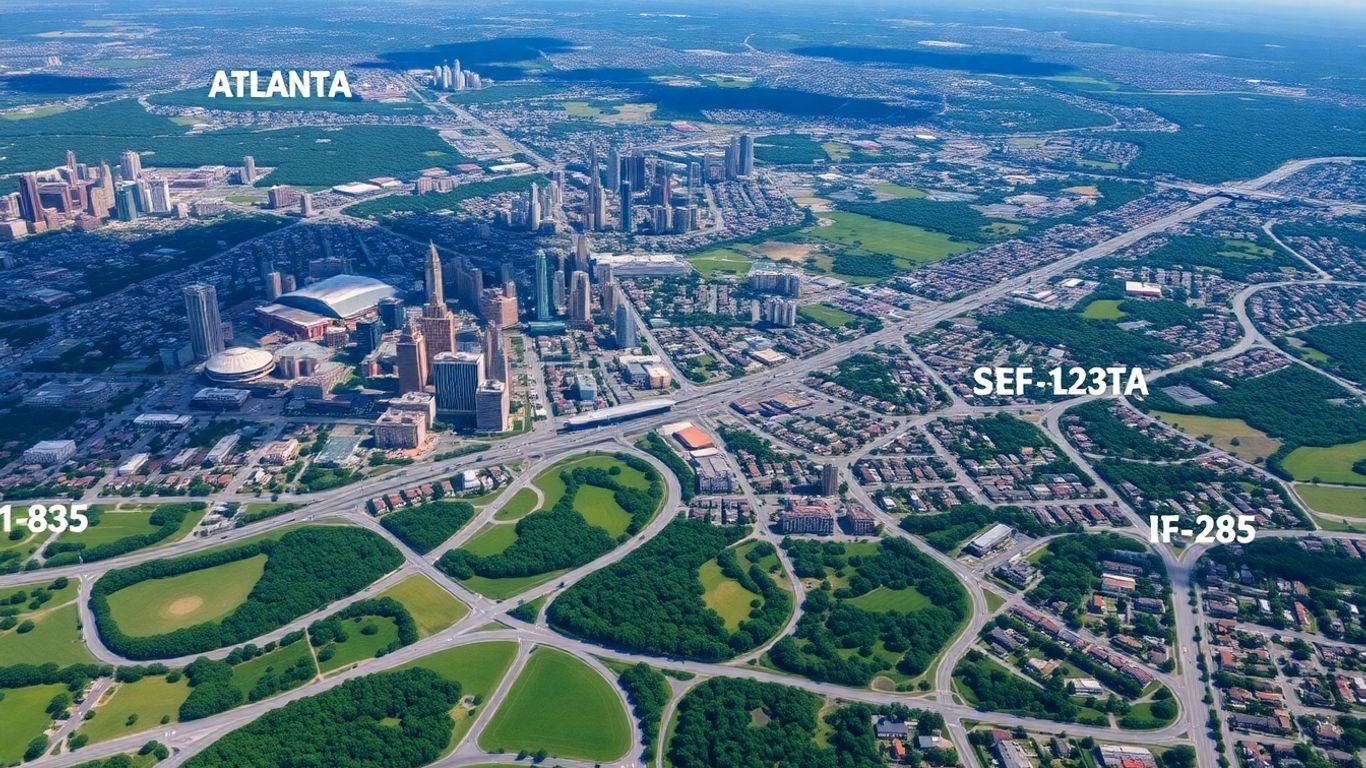
When locals refer to living "in-town" in Atlanta, they're typically indicating areas situated inside the I-285 loop. This particular segment of the city is an extraordinary meld, boasting dozens of distinct neighborhoods, each radiating its own unique character and appeal. You’ll discover everything from charming, venerable houses replete with historic character to sleek, brand-new apartments. Familiarizing yourself with the zip codes here can prove immensely beneficial in discerning where you might ultimately wish to settle, weighing factors like commute duration, neighborhood ambiance, and, of course, the cost of living.
Characteristics of Inner-Loop Areas
Inside the perimeter, Atlanta unfurls as a rich tapestry of communities. Some areas are celebrated for their historic residences and charming, tree-lined thoroughfares, while others pulse with burgeoning businesses and contemporary living spaces. You'll encounter districts that are remarkably walkable, others that are more serene and residential, and still others that sit squarely in the midst of all the action. It's truly a place where, depending on your chosen neighborhood, you can often stroll to local coffee shops, diverse restaurants, and verdant parks with ease.
Historic Districts and Their Zip Codes
Atlanta proudly hosts several truly venerable neighborhoods that offer an palpable sense of the city's storied past. These locales frequently showcase exquisite older homes and streets that have stood for generations. Here are a few notable examples:
- Inman Park (30307): Renowned for its stunning Victorian architecture and a popular annual spring festival.
- Grant Park (30312): Features an expansive park, the acclaimed Zoo Atlanta, and an appealing blend of older housing styles.
- Old Fourth Ward (30308, 30312): Provides enviable access to the BeltLine and an increasing array of trendy dining establishments.
- West End (30310): Characterized by its distinctive Craftsman-style houses and convenient MARTA (Metropolitan Atlanta Rapid Transit Authority) access.
- Cabbagetown (30316): Possesses deep roots as a mill town and is widely recognized for its vibrant street art scene.
Vibrant Neighborhoods and Their Unique Offerings
Beyond its historic enclaves, the inner-loop is home to numerous neighborhoods that are both lively and brimming with activities. These areas frequently foster a strong sense of community and present a diverse range of attractions. You might discover:
- Midtown: A bustling urban core replete with apartments, an abundance of restaurants, and diverse entertainment options. It's a particularly sought-after locale for young professionals.
- Little Five Points: Famed for its eclectic boutiques, thriving live music venues, and truly unique, alternative atmosphere. It stands as a genuine hub for counter-culture.
- Poncey-Highland: Conveniently situated near the BeltLine, this area offers a pleasant mix of residential streets and commercial establishments, providing effortless access to parks and varied dining experiences.
Opting for residence inside the perimeter often means you're nestled close to the very heart of the city's activities, yet it's crucial to acknowledge that traffic can be a significant—even debilitating—factor. Consider carefully your transportation methods and the kind of daily pace you ultimately desire.
Ultimately, selecting the ideal neighborhood within the perimeter frequently boils down to what you prioritize most, be it historical significance, contemporary amenities, walkability, or simply proximity to your workplace and leisure pursuits.
Suburban Gems and Up-and-Coming Locations

Popular Suburban Choices
When you're searching for that ideal balance between the excitement of city life and a more tranquil pace, Atlanta's suburbs truly distinguish themselves. Cities such as Alpharetta, Marietta, and Duluth consistently attract a steady stream of residents. These communities offer an appealing blend of activities, housing options, and amenities that families frequently prioritize. Picture vibrant downtown areas, an abundance of green parks, and a calendar full of engaging events throughout the year. There's a compelling reason these places maintain such a solid reputation.
| City | Main Zip Codes | Population | Avg 1BR Rent | Avg 2BR Rent | Median Income |
|---|---|---|---|---|---|
| Alpharetta | 30004, 30005 | 67,056 | $1,856 | $2,306 | $141,042 |
| Marietta | 30060, 30062 | 62,769 | $1,209 | $1,431 | $67,589 |
| Duluth | 30096, 30097 | 32,350 | $1,568 | $1,964 | $88,915 |
People often select these appealing towns because:
- They boast well-established and diverse shopping, dining, and entertainment opportunities.
- Accessibility to downtown Atlanta from these locations is generally quite straightforward.
- You can find a wide array of housing styles, from contemporary townhouses to more spacious homes with private yards.
Emerging Areas for Families and Professionals
If you're contemplating where to invest your time and resources, or simply seeking a locale brimming with future potential, areas such as Johns Creek, Milton, and Cumming are currently garnering considerable attention. These promising spots frequently showcase newer construction, more expansive yards, and beautifully maintained community parks. They are increasingly perceived as burgeoning areas with significant potential for future value appreciation.
| City | Main Zip Codes | Population | Avg 1BR Rent | Avg 2BR Rent | Median Income |
|---|---|---|---|---|---|
| Johns Creek | 30022, 30097 | 81,108 | $1,100+ | $1,705+ | $153,882 |
| Milton | 30004 | 41,296 | $1,600+ | $1,950+ | $128,559 |
| Cumming | 30040, 30041 | 7,318 | $1,500+ | $1,900+ | $87,484 |
These burgeoning areas appeal for several pivotal reasons:
- They generally feature highly-rated public school systems—a significant draw for families.
- Often, there's more available land, facilitating larger properties or new construction.
- A strong sense of community is often palpable, evidenced by local events and vibrant clubs.
When deliberating a move, particularly for those with children, the quality of the local school district invariably ranks as a top priority. Many of Atlanta's surrounding suburbs are justly celebrated for hosting some of Georgia's finest public schools, presenting a powerful incentive for families.
Comparing Suburban Commute Times
Navigating one's daily routine is a considerable aspect of everyday life, and it's certainly something to ponder carefully when selecting a suburb. While numerous suburbs offer a quieter lifestyle and more expansive living spaces, it's essential to realistically assess the time it will take to reach your workplace or other frequently visited destinations. Major highways indeed connect many of these areas to the city, but traffic congestion can still pose a challenge. Some suburbs benefit from closer proximity to MARTA train lines, which can be an invaluable asset for bypassing road snarls. It's always a prudent strategy to map out typical commute routes during peak hours for any area you are seriously contemplating.
Factors Influencing Your Choice of Atlanta Cities and Zip Codes
Picking where to settle in the Atlanta area isn't merely about finding a house; it's about discovering the perfect fit for your entire lifestyle. Several key considerations truly come into play when you're weighing different cities and their corresponding zip codes. It’s quite easy to become solely focused on rental prices or immediate proximity to your job, but there's undeniably much more to evaluate.
Commute Times and Transit Options
Let's face it, Atlanta traffic can be an imposing challenge. Your daily commute has the potential to profoundly impact your overall quality of life. Therefore, meticulously considering how long it will take to get to work, school, or even just the local grocery store is exceptionally important. Are you prepared to accept a longer drive if it means acquiring a larger home, or is a significantly shorter commute your absolute top priority? It’s also well worth investigating public transportation options. MARTA, Atlanta's comprehensive public transit system, services many areas, but its reach and frequency certainly vary. Some neighborhoods are conveniently located right on a train line, facilitating effortless car-free movement, while others are considerably more reliant on personal vehicles.
Here’s a brief overview of how commute times might diverge:
- Inner-City Atlanta (e.g., 303xx zip codes): Often closer to major employment centers but can experience the most intense traffic. Public transit options are generally more robust here.
- Close-in Suburbs (e.g., parts of 300xx, 301xx): Commute times can be moderate, depending significantly on the specific route and time of day. Public transit might be less frequent.
- Further Out Suburbs (e.g., outer 300xx, 301xx): Typically entail longer commutes into the city, but potentially less localized traffic congestion once you're on the main thoroughfares. Transit options are frequently limited.
Grasping the typical rush hour patterns for any areas you're actively considering can spare you a great deal of frustration down the road. Checking real-time traffic applications during the precise times you'd normally commute can provide you with a truly realistic picture.
School District Quality and Research
If you have children, or indeed plan to, the caliber of the local school district undoubtedly ranks high on your list of priorities. School assignments are often intrinsically linked to specific zip codes or even more granular zones within them. Certain suburbs are acclaimed for their highly-rated public schools, a factor which can naturally drive up both housing demand and prices. It is unequivocally a sound strategy to diligently research school ratings, standardized test scores, and available programs for any area you are seriously contemplating. Websites dedicated to comprehensive school reviews can prove to be an invaluable resource in this endeavor.
Local Events and Recreational Opportunities
What truly captures your interest during your leisure hours? Some areas are celebrated for their vibrant arts scenes, an abundance of parks, and dynamic community events, while others might offer a quieter, more purely residential experience. Reflect on the kind of lifestyle you genuinely desire. Do you wish to be close to scenic hiking trails, bustling farmers' markets, lively music venues, or family-friendly festivals? The specific zip code you ultimately choose can profoundly influence your access to these various types of activities. For example, areas like Decatur or Sandy Springs often foster a strong sense of community with numerous local happenings, whereas more geographically spread-out suburbs might offer more in the way of expansive parks and extensive outdoor recreation.
Rental Trends and Housing Insights by Atlanta Zip Code
When you're discerning where to establish roots in the Atlanta area, rental prices can truly fluctuate quite dramatically depending on the specific zip code. It’s not solely about the sticker price, however; the prevalent type of housing, the anticipated commute duration, and the surrounding neighborhood amenities all play a significant, interconnected role. Different sectors of Atlanta and its adjacent cities each present their own distinct pricing structures and expectations.
Understanding Rental Price Variations
Rent prices across the Atlanta metropolitan area are in a constant state of flux. Nevertheless, when one meticulously examines the figures by zip code, certain clear patterns invariably emerge. Areas situated closer to the city center—especially those boasting excellent walkability and robust public transit access—typically command higher rental rates. Consider downtown Atlanta (30303, 30308), where you'll encounter elevated average rents for both one and two-bedroom apartments. Conversely, suburbs such as Marietta (30060, 30062) and Stone Mountain (30083, 30087) frequently offer more approachable rents, though this often translates into a lengthier commute to work.
- Newer developments on the outskirts occasionally extend lease incentives, such as a complimentary month, which can enhance their appeal.
- Established, highly popular neighborhoods often witness increased competition for updated rental properties, particularly those in close proximity to MARTA stations.
- Building age and included amenities are crucial considerations. A lower rent in an older structure might signify fewer modern updates or fewer amenities compared to a slightly more expensive but contemporary unit.
Average Rents Across Key Areas
Here is an illustrative snapshot of some recent average rental rates across various parts of the metro area. Do bear in mind that these are averages and can exhibit considerable variation even within a single zip code.
| City | Zip Code(s) | Avg. 1-Bedroom ($) | Avg. 2-Bedroom ($) |
|---|---|---|---|
| Downtown ATL | 30303, 30308 | 1,730 | 2,190 |
| Marietta | 30060, 30062 | 1,209 | 1,431 |
| Decatur | 30030, 30033 | 1,682 | 1,920 |
| Alpharetta | 30004, 30005 | 1,856 | 2,306 |
| Duluth | 30096, 30097 | 1,568 | 1,964 |
| Johns Creek | 30022, 30097 | 1,100 (start) | 1,705 (start) |
| Stone Mountain | 30083, 30087 | 1,614 | 1,625 |
Housing Insights by Specific Zip Codes
When one delves more deeply into specific zip codes, the influence of local factors on housing patterns becomes readily apparent. For instance, areas such as Alpharetta and Johns Creek frequently report higher average household incomes, a trend which is clearly mirrored in their corresponding rental prices. These particular zip codes tend to feature newer construction, boast highly-rated schools, and exhibit lower crime rates. On the other hand, zip codes in locales like Marietta or Stone Mountain might present more economically accessible options, though potentially coupled with longer commutes and an older housing stock. Student-dense areas or those renowned for a vibrant arts scene—like portions of Midtown or Decatur—might offer a greater prevalence of smaller apartments and shared living arrangements, thus attracting a younger demographic. Family-oriented suburbs generally observe longer-term renters, while certain urban neighborhoods might experience more rapid turnover.
The local population dynamics and economic climate can indeed look remarkably different from one zip code to another. Areas with notably higher rents often correlate directly with newer buildings, highly sought-after educational institutions, and safer streets. It's truly worthwhile to look beyond merely the rental price to fully appreciate what else a specific zip code offers—such as its walkability or job growth potential—which are significant attractions for many individuals seeking Atlanta housing data.
Ultimately, discovering a residence that harmoniously balances cost, neighborhood ambiance, and convenience is certainly achievable. Even in the face of escalating rents in popular spots, there remain promising neighborhoods that present more affordable living solutions. Approaching your search with an open mind and conducting thorough research can undeniably help you pinpoint an excellent place to call home without unduly straining your finances.
Wrapping Up Your Atlanta Area Search
So, we’ve thoroughly explored a considerable expanse, from the dynamic thoroughfares of downtown Atlanta to the more serene locales further afield. It's abundantly clear that the Atlanta metropolitan area is a vast and varied region, boasting a wealth of distinct neighborhoods, each with its own unique character and defining zip code. Whether your quest is for a place offering exceptional schools, a remarkably short commute, or simply a neighborhood that resonates deeply with you, a solid grasp of these cities and their respective zip codes will prove immensely beneficial. Remember to consistently leverage maps and online resources to gain a genuine appreciation for what each area truly offers. Locating that perfect spot invariably requires a bit of diligent research, but armed with this information, you are undoubtedly much better prepared to make a judicious choice and seamlessly settle into your new Atlanta home. Best of luck with your search!
Frequently Asked Questions
What exactly is the Atlanta metropolitan area?
Envision the Atlanta metro area as an expansive family of towns and cities, all intricately linked around the central city of Atlanta itself. It's not a singular entity, but rather an entire region encompassing numerous distinct neighborhoods and suburbs, each possessing its own unique atmosphere. It spans across several counties, meaning your personal residential experience could be quite different from someone else's, even if they reside relatively nearby.
How do I figure out which zip code is best for me?
Your chosen zip code holds immense importance! It's instrumental in various aspects, such as identifying local schools, understanding average rental prices, and even gauging the perceived safety of an area. You can effectively utilize online maps and comprehensive guides to pinpoint which zip codes are conveniently located near your desired destinations, be it your workplace or preferred parks. It truly represents a critical piece of information for making well-informed decisions about where to reside.
Are there common starting numbers for Atlanta zip codes that tell me where they are?
Indeed, there are! Zip codes commencing with '303' are typically found within, or in very close proximity to, downtown Atlanta. Those beginning with '300' or '301' generally signify suburban locations, with '300' often pointing to the eastern or northern reaches, and '301' indicating areas to the west or further out. It's a handy heuristic for quickly gaining a general geographical orientation.
What's the difference between living inside the I-285 perimeter and outside?
The I-285 highway acts like a significant loop encircling the core of Atlanta. Living 'inside the perimeter' (often referred to as 'in-town') typically implies closer proximity to downtown, characterized by a wealth of historic neighborhoods, trendy hotspots, and a vibrant urban tempo. Outside the perimeter, you'll generally encounter more expansive suburbs, which often afford greater space, quieter residential streets, and can be particularly appealing for families—though commutes might tend to be longer.
How can maps help me find a place to live in Atlanta?
Maps are incredibly powerful tools! You can leverage interactive online maps to precisely visualize the locations of different cities and their corresponding zip codes. They are invaluable for comparing distances to your workplace, exploring nearby schools, and even examining average rental prices all within a single interface. This greatly simplifies and de-stresses the process of identifying the ideal neighborhood.
Which Atlanta suburbs are popular, and what makes them good choices?
Suburbs such as Alpharetta, Marietta, and Duluth are genuinely popular choices. Residents are often drawn to them because they typically boast excellent schools, abundant parks catering to families, and rental rates that can be more accessible than those found directly within the city. Furthermore, areas like Johns Creek and Milton are experiencing growing popularity, particularly among young professionals and families seeking conducive environments for growth and community.


