
resources-malaysia
Navigating the Airports of Kuala Lumpur: Your Essential Guide to KUL and Beyond
Industry Expert & Contributor
20 Oct 2025

Planning a trip to Kuala Lumpur and feeling a little puzzled about the airports? It's a common question, with KLIA, KLIA2, and Subang all in the mix. This guide is here to clear up any confusion about the airports in Kuala Lumpur, ensuring you know precisely where you're headed and what to expect. We'll walk you through the main terminals, what you'll find inside, and how to navigate between them with ease. Consider this your go-to companion for mastering the airports Kuala Lumpur offers.
Key Takeaways
- Kuala Lumpur is served by two primary airports: KLIA (Terminal 1) for full-service airlines and KLIA2 (Terminal 2), which is dedicated to budget carriers. Subang Airport functions as a smaller, secondary hub.
- Terminal 1 is the original, grander terminal, serving as the base for Malaysia Airlines and numerous international carriers. Terminal 2, on the other hand, is a modern facility built to accommodate low-cost airlines like AirAsia.
- Essential services such as complimentary Wi-Fi, prayer rooms (surau), and currency exchange counters are readily available in both terminals. For a more comfortable wait, airport lounges are also an option.
- To ensure a smooth journey, it's wise to confirm which terminal your airline operates from and understand how to transfer between them if necessary. Standard security and immigration procedures apply.
- From KLIA, you can connect to a vast network of domestic and international destinations, thanks to the wide array of airlines operating from its two terminals.
Understanding Kuala Lumpur's Airports
So, your travels are bringing you to Kuala Lumpur? That's fantastic. It’s a vibrant city, and arriving here is generally a breeze, but there's one key detail every visitor should know from the get-go: KL isn't served by just one airport. There are a couple, each with a distinct purpose. Knowing which one you'll be using can save you a world of time and potential stress.
Kuala Lumpur International Airport (KLIA) Overview
This is the grand dame of Malaysian aviation, the country's main international gateway. KLIA, as it's universally known, is situated in Sepang, roughly 45 kilometres south of the city centre. It's a sprawling, impressive facility designed to handle an immense volume of passengers and flights daily. Think of it as the principal hub for most major airlines, catering to long-haul international journeys and domestic travel across Malaysia. It first opened its doors in 1998, taking over from the older Subang Airport, and still feels remarkably modern. The architect famously envisioned an "airport in the forest," which you can see reflected in its airy, open spaces and abundant natural light.
KLIA2: The Low-Cost Carrier Hub
Now, here's where it pays to know the details. KLIA2 functions as the second terminal within the larger KLIA complex, but it operates almost like a separate entity. This is the exclusive domain of budget airlines. If you're flying with carriers like AirAsia or other low-cost operators, this is almost certainly where you'll be. It was purpose-built for efficiency, designed to manage the high passenger traffic synonymous with budget travel. Do keep in mind that it's located a short distance from the main terminal, a crucial point if you ever need to transfer between the two.
Subang Airport: A Secondary Gateway
Then we have Subang Airport, or Sultan Abdul Aziz Shah Airport as it's officially named. Before KLIA was constructed, this was Kuala Lumpur's main international airport. Today, its role has shifted. It no longer accommodates large international jets; instead, it primarily serves smaller aircraft like turboprops for select regional flights. It's also a hub for private jets. Airlines such as Firefly operate out of Subang, so unless you're booked on a specific regional route with a smaller carrier, you're unlikely to find yourself landing here.
Here’s a quick summary to keep things clear:
- KLIA Main Terminal (Terminal 1): This is your destination for most major international airlines and many full-service domestic flights. It is the primary, original hub.
- KLIA2 (Terminal 2): A dedicated terminal for low-cost carriers. If your ticket says AirAsia or another budget airline, this will be your stop.
- Subang Airport: Primarily for smaller turboprop aircraft and certain regional routes. It is not the typical arrival point for international visitors.
Understanding the distinction between KLIA (with its two terminals) and the separate Subang Airport is truly essential. The vast majority of international travellers will pass through KLIA, but the specific terminal—1 or 2—is determined by your airline. Subang is a different story altogether, generally serving shorter flights on smaller planes.
Navigating Terminal 1 and Terminal 2
Kuala Lumpur International Airport (KLIA) is composed of two main passenger terminals: Terminal 1 (the original KLIA Main Terminal) and Terminal 2 (KLIA2). Knowing which one you're flying out of is crucial, as they are distinct buildings not connected by a simple walkway. Your airline booking will always specify the correct terminal, so be sure to double-check it. As a rule of thumb, Terminal 1 is for full-service carriers, while Terminal 2 is the bustling hub for budget airlines.
KLIA Main Terminal (Terminal 1) Features
Terminal 1 is where you’ll find our national carrier, Malaysia Airlines, alongside most other major international players. It consists of a Main Terminal Building and a Satellite Terminal, which handles many of the long-haul international flights. Getting to the Satellite Terminal is a breeze—you just hop on the Aerotrain for a quick, automated ride. This terminal has a more classic airport feel with a solid selection of shops, restaurants, and comfortable lounges if you're looking to escape the hustle and bustle. Its layout is quite intuitive, so finding your way around is usually straightforward.
KLIA2 (Terminal 2) Amenities
KLIA2 is a massive, modern complex built specifically to handle the high volume of low-cost travel. It's the primary base for AirAsia and many other budget airlines. One of its most impressive features is the gateway@klia2, a huge shopping mall integrated directly with the terminal. Here, you can find a vast array of retail stores, food courts, and even capsule hotels for a quick rest. A word to the wise: some of the departure gates at KLIA2 can be a considerable walk from the main building, but thankfully, there are travelators to ease the journey. It's a perpetually busy place, so always allow yourself a generous amount of time.
Seamless Transit Between Terminals
So, what if you find yourself needing to transfer from Terminal 1 to Terminal 2, or the other way around? They are about 2 kilometres apart, so walking isn't an option. Fortunately, getting between them is quite simple:
- Free Shuttle Bus: A complimentary bus service operates 24/7 between the two terminals. The journey typically takes around 10 minutes, with buses departing every 15-20 minutes.
- KLIA Transit Train: As part of the KLIA Ekspres line, this is the fastest option. The train whisks you between T1 and T2 in just about 3 minutes, though you will need to purchase a ticket for the ride.
When transferring between terminals, don't forget that your journey might require you to clear immigration and customs, depending on your flight itinerary. Always confirm the specific requirements with your airline beforehand.
While getting between the terminals is straightforward, it does require a bit of time. Planning your airport transfers in advance can save you from a world of stress, particularly if you have a tight connecting flight.
Essential Services and Facilities at KLIA
Staying Connected: Wi-Fi and Communication
Need to fire off a quick work email or update your family on your travels? KLIA makes it easy to stay connected. Free Wi-Fi is available across both Terminal 1 and Terminal 2. Simply connect to the 'AIRPORT Free WiFi' network and follow the on-screen instructions—it's usually a straightforward process. For those who require a more stable connection, paid Wi-Fi options are also available. If you need to make calls or get a local data plan, you'll find numerous mobile service provider kiosks around the terminals, ready to set you up with a Malaysian SIM card.
Comfort and Convenience: Lounges and Prayer Rooms
Sometimes, all you need is a peaceful corner to unwind or catch up on work away from the crowds. KLIA has several airport lounges where you can do just that. Access typically depends on your airline, ticket class, or through the purchase of a day pass. These lounges offer comfortable seating, complimentary food and beverages, and often shower facilities—an absolute blessing during a long layover. For Muslim travellers, you will find well-maintained prayer rooms, or 'Surau', clearly signposted in both public and transit areas of the terminals, providing a quiet space for prayer and reflection.
Dining and Shopping Experiences
Whether you're feeling peckish or in the mood for some retail therapy, KLIA has an extensive range of options. You'll discover a wide variety of F&B outlets, from quick fast-food bites to full-service restaurants offering everything from local Malaysian delights like Nasi Lemak to international dishes. As expected, prices can be a little higher than in the city, but there’s something to suit every budget. Shopping is also a major highlight, with countless duty-free stores selling perfumes, chocolates, electronics, and local handicrafts. It’s the perfect spot to grab some last-minute gifts or souvenirs.
Pro Tip: If you're facing a long layover and want to explore the city without being weighed down, make use of the baggage storage services available at the airport. You'll find them clearly marked. It's a game-changer when you want to sightsee or enjoy a meal unencumbered.
Here's a quick glimpse of what's on offer:
- Food: Cafes, fast food, fine dining, and authentic local Malaysian cuisine.
- Shopping: Duty-free goods, souvenirs, fashion boutiques, electronics stores, and bookshops.
- Other Services: Currency exchange, ATMs, pharmacies, information counters, and baggage handling services.
Streamlining Your Journey Through Airports Kuala Lumpur
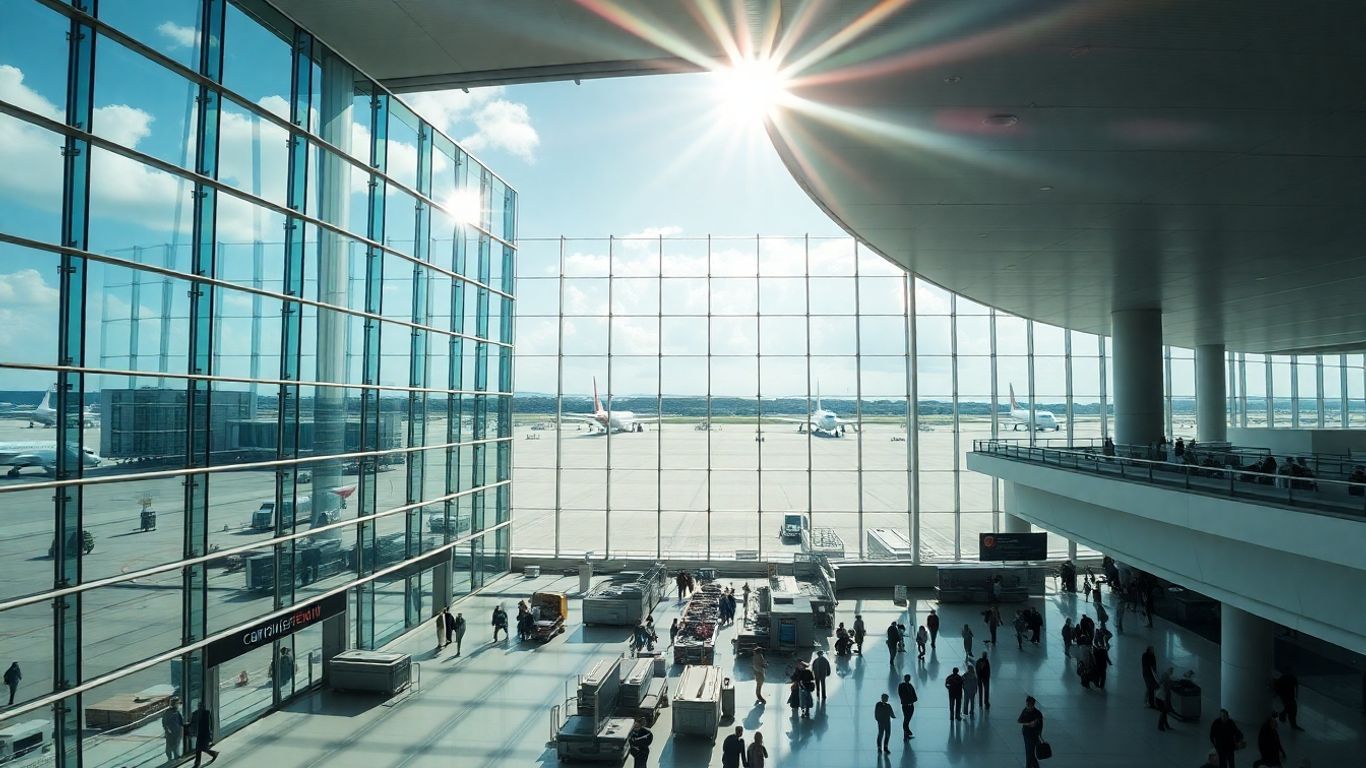
Navigating any major airport can feel a bit overwhelming, but both KLIA and KLIA2 are designed to make your journey as smooth as possible. Trust us when we say that a little preparation can make all the difference—a lesson many of us have learned after a last-minute dash to the gate!
Efficient Security and Immigration Procedures
After you’ve checked in your bags, your next steps are security screening and immigration. These are standard international travel protocols designed to ensure everyone's safety. To make things quicker, have your passport and boarding pass easily accessible. At the security checkpoint, you'll need to place your carry-on luggage, electronic devices, and any liquids (in containers of 100ml or less, of course) into trays for scanning. Having your gadgets and liquids in an easy-to-reach spot really helps speed things along. Next is immigration, where an officer will verify your documents. For Malaysian citizens, the automated e-gates are a fantastic time-saver. Just remember, these areas can get busy, especially during peak travel seasons like school holidays or festivals, so always give yourself plenty of buffer time.
Baggage Services and Storage Options
Facing a long layover and don't fancy dragging your luggage around? KLIA offers convenient baggage storage services. This can be a real lifesaver if you want to pop into the city for a few hours. These facilities are typically located in the arrivals hall or main transit areas. It's a good idea to check the airport's official website for their exact locations and hours of operation before you land.
Planning Airport Transfers in Advance
Figuring out how to get to or from the airport can be a headache if left to the last minute. Since KLIA is located a fair distance from the city centre, arranging your transport in advance is a smart move. You’ve got a few great options:
- Airport Express Train (ERL): This is often the fastest and most reliable way to get to KL Sentral, the city's main transportation hub, as it completely bypasses road traffic.
- Taxis and Ride-Sharing: These are widely available, but fares can fluctuate. For fair pricing, it’s best to use the official airport limo counters or trusted ride-sharing apps.
- Buses: Various bus services connect the airport to different parts of Kuala Lumpur and beyond. They are typically the most budget-friendly choice.
Booking your transfer ahead of time gives you one less thing to worry about when you arrive or when you're rushing to catch a flight. It not only saves time but can often save you money, especially if you snag a good online deal.
Here’s a quick overview of typical transfer times and costs (note that these are estimates and can change):
| Transfer Method | Estimated Time | Approximate Cost (MYR) |
|---|---|---|
| Airport Express Train | 30-40 minutes | 55 |
| Taxi/Ride-Sharing | 45-75 minutes | 70-100 |
| Bus | 60-90 minutes | 10-15 |
Airlines and Destinations from KLIA
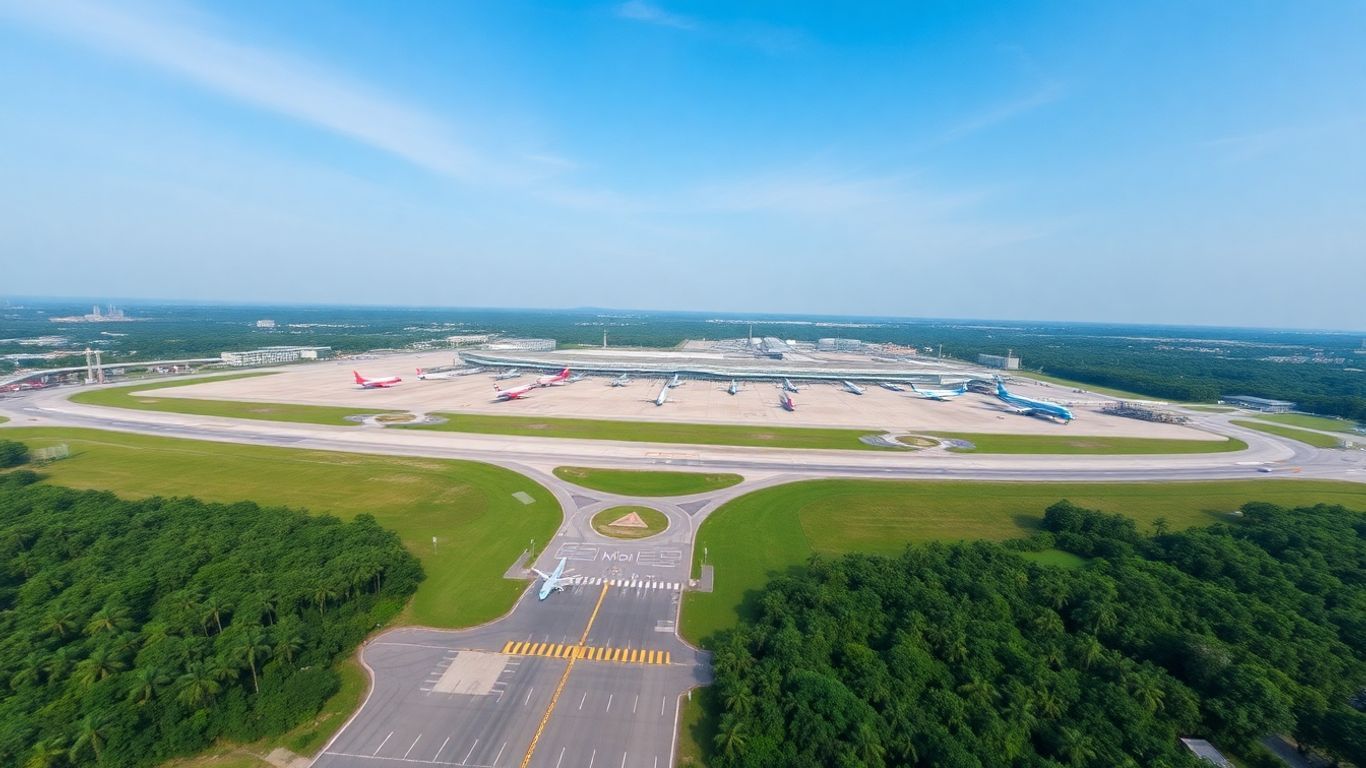
As a premier aviation hub, Kuala Lumpur International Airport (KLIA) is teeming with airlines that can connect you to destinations across the globe. It truly serves as a major crossroads for travel in Southeast Asia and further afield. The key local players based here are Malaysia Airlines, AirAsia, and Batik Air Malaysia, which together offer an extensive network covering just about any destination you can think of.
Major International Carriers at Terminal 1
Terminal 1 is the home of full-service international airlines. If you're embarking on a long-haul journey with a major carrier, your adventure will most likely begin here. Malaysia Airlines, our national flag carrier, operates its primary base from this terminal, with a vast network of flights to Asia, Australia, Europe, and the Middle East. You'll also find other global giants like Qatar Airways, Singapore Airlines, and Emirates operating from here. It's always good to be aware of which airline is where, especially if you have a connecting flight.
- Oneworld Alliance: Includes Cathay Pacific, Qatar Airways
- Star Alliance: Includes Singapore Airlines, ANA
- SkyTeam Alliance: Represented by various member airlines
- Other Major Carriers: Emirates, Japan Airlines, British Airways, Batik Air (full-service routes)
Low-Cost Airlines Operating from Terminal 2
Terminal 2, better known as KLIA2, is the vibrant heart of budget travel in the region. This is the domain of AirAsia and other low-cost carriers. It’s incredibly convenient if you’re planning to explore Southeast Asia without breaking the bank. From here, you can catch a flight to nearly every major city in the region.
- AirAsia: Boasts an extensive network across Asia, Australia, and the Middle East.
- Other Low-Cost Carriers: A host of regional airlines provide affordable travel options.
Exploring Domestic and Regional Routes
From KLIA, the possibilities for exploring Malaysia and its neighbours are endless. Planning to relax on the beaches of Langkawi or wander through the heritage streets of Penang? You'll find plenty of domestic flights to get you there. If a multi-country Southeast Asian adventure is on your mind, KLIA serves as the perfect launchpad. Flights to popular destinations like Singapore, Bangkok, and Ho Chi Minh City are frequent and easily accessible, especially from Terminal 2.
Planning your itinerary in advance is absolutely key. Knowing which terminal your airline departs from can save you from a lot of unnecessary stress, particularly if a transfer between Terminal 1 and Terminal 2 is required. It's always best practice to allow a generous amount of time for connections, just to be safe.
Here's a glimpse at some popular routes from KLIA:
| Route | Terminal | Typical Airlines |
|---|---|---|
| Kuala Lumpur to Langkawi | T1 & T2 | Malaysia Airlines, AirAsia |
| Kuala Lumpur to Penang | T1 & T2 | Malaysia Airlines, AirAsia |
| Kuala Lumpur to Singapore | T1 & T2 | Multiple carriers |
| Kuala Lumpur to Bangkok | T1 & T2 | Multiple carriers |
Wrapping Up Your KLIA Journey
So, there you have it—a comprehensive look at navigating Kuala Lumpur's airports. KLIA and KLIA2 are indeed large and busy, but with a bit of forward planning, you can navigate them like a seasoned traveller. Just remember to double-check which terminal your airline uses, give yourself ample time, and perhaps indulge in some delicious local food before you fly. At the end of the day, it's all about making your journey as smooth as possible. We hope this guide helps you feel more prepared for your travels through KUL. Selamat jalan and safe travels!
Frequently Asked Questions
What's the quickest way to get from KLIA to the city?
Without a doubt, the fastest way to travel from KLIA to Kuala Lumpur's city centre is by taking the KLIA Ekspres train. It provides a non-stop service directly to KL Sentral, the city's main transport hub, in just 28 minutes, allowing you to bypass any potential road traffic.
How much time should I give myself before my flight at KLIA?
For international flights, it's highly recommended to arrive at KLIA at least three hours before your departure time. For domestic flights within Malaysia, two hours should suffice. However, if you're travelling during peak periods like public holidays, it’s always wise to allow extra time for potential queues.
Can I see where my flight is in real-time at KLIA?
Yes, absolutely! KLIA has numerous flight information display screens throughout both terminals showing real-time updates for all arrivals and departures. For added convenience, you can also check the official KLIA website for the latest flight status.
What's the difference between KLIA Terminal 1 and Terminal 2?
The main difference lies in the airlines they serve. KLIA Terminal 1 is the primary terminal for full-service airlines, such as Malaysia Airlines, handling both international and domestic routes. Terminal 2, also known as KLIA2, is a larger terminal dedicated to low-cost carriers, with AirAsia being its main operator.
How do I get between Terminal 1 and Terminal 2?
Although KLIA and KLIA2 are in separate buildings, transferring between them is easy. You can take the free 24-hour shuttle bus or use the KLIA Transit train for a quicker journey. If you are transferring between international flights, be aware that you may need to clear immigration.
Is there free Wi-Fi at the airport?
Yes, both KLIA and KLIA2 provide complimentary Wi-Fi access throughout their terminals. You can connect your devices to the airport's network by following the simple on-screen prompts to get online.


