


resources
Unlocking the Future: The Power of Sustainability in Innovation
Industry Expert & Contributor
18 Jul 2025

In today’s fast-paced world, businesses are realizing that just making money isn’t enough anymore. People care about how companies impact the planet and society. This means thinking about sustainability in innovation isn’t just a nice idea; it’s a must-do. We’re going to look at how businesses can build a better future by making sustainability a core part of everything they do, from new ideas to daily operations.
Key Takeaways
- Sustainability is a big picture thing, not just about carbon. It means looking at all environmental and social issues.
- Working with others, like in ‘open innovation,’ helps create stronger, more lasting solutions for everyone.
- Businesses can find new chances for growth by putting sustainability into their products and how they work.
- When a company has a clear purpose, and everyone helps out, it can make a real difference in being sustainable.
- Thinking about environmental, social, and governance (ESG) factors means looking at your whole supply chain and making sure things are fair and ethical.
The Imperative of Sustainability in Innovation
Sustainability isn’t just a buzzword anymore; it’s the bedrock upon which future innovation must be built. We’re moving beyond simple ‘green’ initiatives to a place where sustainability is woven into the very fabric of how we create and operate. It’s about recognizing that our actions today have profound consequences tomorrow, and that innovation must be a force for good, not just for profit.
Beyond Carbon: A Holistic View of Sustainability
When we talk about sustainability, it’s easy to immediately think of carbon emissions. But it’s so much bigger than that. It’s about looking at the whole picture – from resource depletion and waste management to social equity and ethical sourcing. A truly sustainable approach considers the interconnectedness of environmental, social, and economic factors. Companies need to broaden their focus to include all aspects of sustainability, not just the ones that are easiest to measure or market.
Addressing Complex Global Challenges
Sustainability isn’t just about feeling good; it’s about tackling some of the most pressing issues facing our planet. Climate change, resource scarcity, and social inequality are all complex problems that demand innovative solutions. These challenges require us to rethink how we design products, manage supply chains, and interact with our communities. It’s a call for bold ideas and collaborative action.
The Role of Innovation in Sustainable Transitions
Innovation is the engine that drives sustainable transitions. It’s about finding new ways to do old things – more efficiently, more responsibly, and with less impact on the environment. This could mean developing new materials, designing closed-loop systems, or creating business models that prioritize sustainability. The key is to embrace a mindset of continuous improvement and to always be looking for ways to do better. For example, sustainable transitions are not just about technology; they’re about changing mindsets and behaviors.
Sustainability is not a constraint on innovation; it’s a catalyst for it. By embracing sustainability, we can unlock new opportunities, create new markets, and build a more resilient future for all.
Here’s a simple breakdown of how innovation can drive sustainability:
- Developing cleaner energy sources
- Creating more efficient manufacturing processes
- Designing products that are easier to recycle or reuse
- Promoting sustainable consumption patterns
Embracing Open Innovation Ecosystems
Defining Open Versus Closed Innovation
For a long time, companies kept their innovation efforts under wraps. Think secret labs and proprietary research. That’s closed innovation in a nutshell. It relies heavily on internal resources and expertise. Open innovation flips this model on its head. It’s about collaborating with external partners – other companies, research institutions, even individual experts – to co-create and share knowledge. This collaborative approach can lead to faster, more effective problem-solving.
Benefits of Collaborative Innovation
Why go open? Well, there are a bunch of good reasons:
- Access to a wider pool of ideas: You’re not limited to what your internal team comes up with. Open innovation platforms let you tap into a global network of talent.
- Faster development cycles: Sharing resources and expertise can speed up the innovation process.
- Reduced costs: Spreading the risk and investment with partners can make innovation more affordable.
- Increased market reach: Collaborating with others can help you get your products and services to market faster and more effectively.
Open innovation isn’t just about getting more ideas; it’s about building a more resilient and adaptable innovation process. It allows companies to respond quickly to changing market conditions and emerging opportunities.
Building Resilient Solutions Through Ecosystems
Taking open innovation a step further, we arrive at innovation ecosystems. These are networks of diverse collaborators – businesses, startups, universities, government agencies – all working together toward a shared goal. Think of it as a community where everyone contributes and benefits. This approach is especially useful for tackling complex challenges that require a range of expertise and perspectives. By integrating different viewpoints, we can develop sustainable solutions that stand the test of time.
Integrating Sustainability Across Business Operations
It’s not enough to just talk about sustainability; it needs to be woven into the very fabric of how a business operates. This means looking at everything from where you source your materials to how you treat your employees. It’s about making sustainability a core part of your business strategy, not just an add-on.
From Risk Reduction to Opportunity Creation
For a long time, sustainability was seen as a cost center, something that companies did to avoid fines or bad press. But that’s changing. Now, more and more businesses are realizing that sustainability can actually be a source of innovation and profit. By identifying and addressing environmental and social risks, companies can unlock new markets, improve efficiency, and build stronger brands. For example, conducting climate risk audits can reveal vulnerabilities to extreme weather events, prompting investments in resilience that ultimately protect business continuity.
Sustainability in Product Development and Supply Chains
Think about where your products come from. Are the materials sourced responsibly? Are the workers treated fairly? These are the kinds of questions that businesses need to be asking themselves. It’s not always easy to trace every step of the supply chain, but it’s important to make the effort. Consumers are increasingly demanding transparency, and they’re willing to pay a premium for products that are made in a sustainable way. Here’s a simple example:
- Prioritize suppliers with strong environmental records.
- Design products for durability and recyclability.
- Reduce packaging waste.
Integrating sustainability into product development and supply chains isn’t just about doing the right thing; it’s about building a more resilient and competitive business. It’s about creating products that people want and that don’t harm the planet.
Shaping Workplace Culture for a Sustainable Future
Sustainability isn’t just about what you do; it’s also about how you do it. A sustainable workplace culture is one where employees are engaged, empowered, and committed to making a difference. This means providing training and resources, creating opportunities for employees to get involved in sustainability initiatives, and recognizing and rewarding sustainable behavior. It also means fostering a culture of transparency and accountability, where employees feel comfortable speaking up about environmental and social issues. Consider these steps:
- Establish a green team to champion sustainability initiatives.
- Offer incentives for employees who adopt sustainable practices.
- Provide regular training on sustainability topics.
Driving Purpose-Driven Business Models
It’s not just about profits anymore. Businesses are realizing that having a strong sense of purpose can actually drive success, especially when it comes to sustainability. This means thinking beyond just making money and considering the impact on the environment and society. Let’s explore how companies are making this shift.
The J.M. Huber Case Study
J.M. Huber, a family-owned company with a history spanning over 140 years, provides a compelling example of how to integrate sustainability into a business model. They operate across diverse industries, including food and beverage, personal care, agriculture, and building materials. Their success lies in weaving sustainability into the very fabric of their organizational culture.
Engaging Stakeholders at All Levels
Sustainability isn’t a top-down mandate; it requires buy-in from everyone. This means engaging stakeholders at all levels, from employees to board members. When everyone is on board, it creates a more comprehensive and effective approach to sustainability. Here are some ways to engage stakeholders:
- Regular communication about sustainability goals and progress.
- Seeking feedback and input from employees and customers.
- Involving stakeholders in decision-making processes related to sustainability.
By actively involving stakeholders, companies can build trust, foster collaboration, and create a shared sense of responsibility for achieving sustainability goals.
Every Employee’s Role in a Sustainable Future
It’s easy to think that sustainability is just for the sustainability department, but that’s not the case. Every employee has a role to play in creating a more sustainable future. Whether it’s reducing waste, conserving energy, or developing sustainable products, every action counts. Here’s how to empower employees:
- Provide training and resources on sustainability best practices.
- Encourage employees to come up with innovative ideas for reducing environmental impact.
- Recognize and reward employees who are making a difference.
| Department | Sustainability Action |
|---|---|
| Marketing | Promoting eco-friendly products and services |
| Operations | Reducing waste and energy consumption |
| Human Resources | Implementing sustainable workplace practices |
| Product Development | Designing products with sustainability in mind |
Innovation in Environmental, Social, and Governance (ESG)
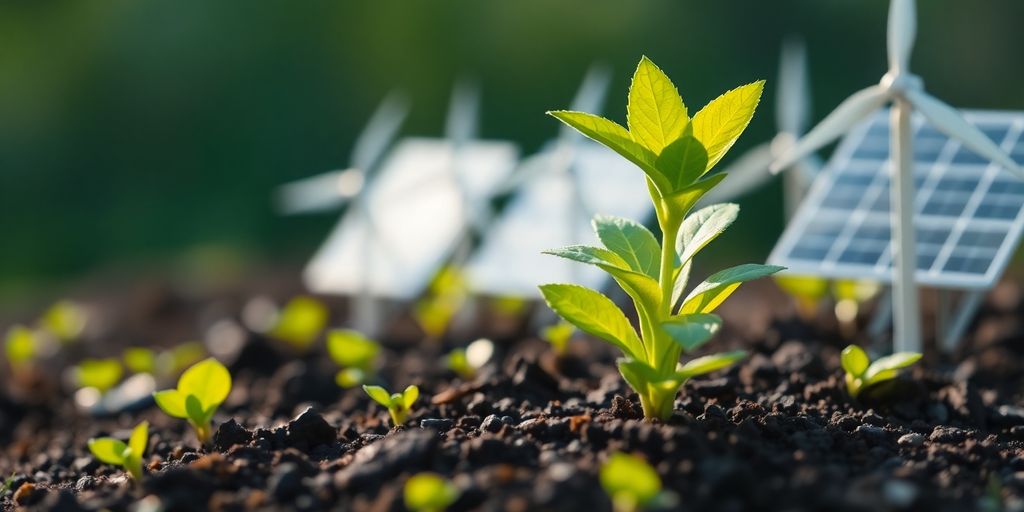
ESG isn’t just a buzzword; it’s a framework that’s reshaping how businesses operate and innovate. It’s about integrating environmental stewardship, social responsibility, and sound governance into the core of your business strategy. The pressure is on, coming from regulators, investors, customers, and employees alike. Everyone wants to see real, measurable progress. Let’s break down how innovation plays a vital role in each aspect of ESG.
Navigating the Complexity of Corporate Sustainability
Corporate sustainability can feel like a maze. There are so many factors to consider, from carbon emissions to labor practices. The key is to adopt a holistic approach, looking at the entire value chain. It’s not enough to just focus on one area; you need to understand how everything connects. Think about it: are your suppliers using sustainable materials? Are they treating their workers fairly? These questions are becoming increasingly important.
Beyond Scope 1: Addressing Scope 2 and 3 Emissions
When we talk about emissions, it’s easy to focus on Scope 1 – the emissions your company directly produces. But that’s just the tip of the iceberg. Scope 2 covers emissions from purchased electricity, while Scope 3 includes all other indirect emissions, like those from your supply chain. Tackling Scope 3 is tough, but it’s where the biggest impact can be made. It requires collaboration with suppliers and a commitment to transparency. For example, a company might invest in green innovation to reduce its overall carbon footprint.
Ensuring Ethical Sourcing and Fair Labor Practices
Ethical sourcing and fair labor are critical components of the ‘S’ in ESG. Consumers are more aware than ever of where products come from and how they’re made. Companies need to ensure their supply chains are free from exploitation and that workers are treated with respect. This means implementing robust auditing processes, working with suppliers to improve their practices, and being transparent about your efforts. It’s about building trust with your stakeholders and creating a more just and equitable world.
A siloed approach to ESG is an approach that’s bound to fail. Sustainability is much more than carbon. It’s a plethora of environmental issues and social issues, and companies need to focus on all of it.
Here are some key areas to focus on:
- Supply Chain Transparency: Track and trace your supply chains to ensure ethical practices.
- Worker Well-being: Implement programs to support the health and safety of workers.
- Community Engagement: Invest in the communities where you operate.
The Future of Sustainable Innovation
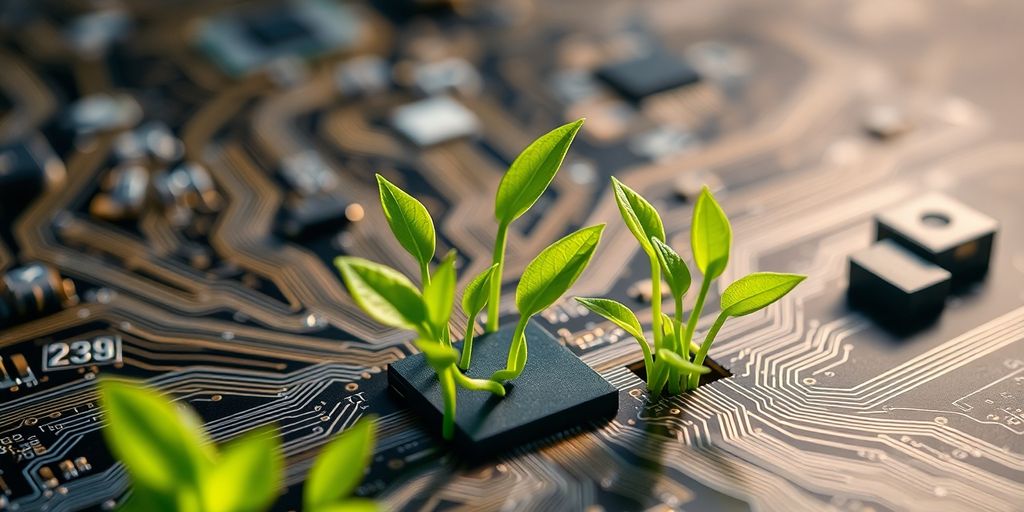
Sustainable innovation isn’t a static concept; it’s a constantly evolving field. What works today might not be enough tomorrow. The key is to stay ahead of the curve, anticipate changes, and adapt accordingly. It’s about seeing the bigger picture and understanding how different factors influence the future of sustainability.
Anticipating Emerging Growth Opportunities
New opportunities are constantly appearing in the sustainability space. Think about the rise of renewable energy or the growing demand for sustainable products. Businesses that can anticipate these trends and adapt their strategies accordingly will be the ones that thrive. This requires a proactive approach, constantly scanning the horizon for new technologies, changing consumer preferences, and evolving regulations. It’s about being ready to capitalize on the next big thing in sustainability.
Informed Decisions for Sustainable Success
Making the right choices is important for sustainable success. This means having access to reliable data, understanding the potential impacts of different decisions, and considering the long-term consequences. It’s not just about doing what’s good for the environment; it’s about making smart business decisions that also benefit society and the planet.
- Gathering comprehensive data on environmental and social impacts.
- Using life cycle assessments to evaluate the sustainability of products and services.
- Engaging with stakeholders to understand their priorities and concerns.
Sustainable success hinges on informed decision-making. This involves a commitment to transparency, a willingness to learn from mistakes, and a focus on continuous improvement.
Continuous Adaptation and Evolution
Sustainability is not a destination; it’s a journey. The world is constantly changing, and businesses need to be able to adapt and evolve to stay relevant. This means being flexible, open to new ideas, and willing to experiment. It’s about creating a culture of innovation where sustainability is embedded in everything the company does.
Here’s a simple table illustrating the need for adaptation:
| Year | Sustainability Focus | Emerging Challenge | Adaptation Required |
|---|---|---|---|
| 2020 | Carbon Reduction | Plastic Waste | Circular Economy Models |
| 2023 | Renewable Energy | Water Scarcity | Water Management Tech |
| 2025 | Ethical Sourcing | AI Bias | Algorithmic Auditing |
- Regularly reviewing sustainability goals and targets.
- Investing in research and development to find new solutions.
- Collaborating with other organizations to share knowledge and best practices.
The Path Ahead: Making Sustainability a Core Part of What We Do
So, we’ve talked a lot about how sustainability and new ideas go hand-in-hand. It’s clear that just thinking about profit isn’t enough anymore. Businesses, big and small, have a real chance to make a difference. By putting sustainable practices at the center of how they work, companies can come up with better products and services. This also helps them connect with customers who care about the planet. It’s not just about doing good; it’s about building a stronger, more lasting future for everyone. The time to act is now, and the possibilities are huge.
Frequently Asked Questions
What does ‘sustainability in innovation’ really mean?
Sustainability in business means more than just cutting down on carbon. It’s about looking at the big picture: how a company affects the environment, its workers, and the community. This includes everything from how products are made and shipped to how employees are treated. It’s about making sure the business helps the planet and people, not just makes money.
What’s the difference between open and closed innovation?
Open innovation is when companies work with outside partners, like other businesses, universities, or even customers, to come up with new ideas and solutions. It’s different from ‘closed’ innovation, where a company only uses its own people and ideas. Open innovation helps solve problems faster and creates better, more lasting solutions because it brings in many different viewpoints.
How can businesses truly add sustainability to their daily work?
Bringing sustainability into all parts of a business means thinking about it in every decision. This includes how products are designed, where materials come from, how things are made, and even how the company treats its employees. It’s not just about following rules; it’s about finding new chances to do good and make the business stronger.
What is a ‘purpose-driven’ business model?
A purpose-driven business model means a company has a clear goal beyond just making money. It’s about having a positive impact on the world. For example, J.M. Huber focuses on sustainability in everything they do, from their products to their company culture. This shows that every person in the company, from the top leaders to new hires, has a part to play in reaching that purpose.
What does ESG mean, and why is it important for innovation?
ESG stands for Environmental, Social, and Governance. It’s a way to measure how well a company is doing in terms of its impact on the environment (like pollution), its social responsibility (like fair labor practices), and how it’s run (like ethical leadership). Innovation in ESG means finding new ways to improve in these areas, like tracking all types of emissions, not just the obvious ones, and making sure all suppliers are ethical.
What’s next for sustainable innovation?
The future of sustainable innovation looks bright! It means always looking for new opportunities to grow while also helping the planet and people. Companies will need to keep learning and changing, using new technologies and ideas to make smart choices that lead to long-term success for everyone.


