


resources
From Desert to Digital: The Evolution of Bill Gates' Smart City
Industry Expert & Contributor
18 Jun 2025

So, everyone’s talking about smart cities these days, right? Places where technology is supposed to make everything run smoother and life just a bit easier. Well, it turns out Bill Gates is actually trying to build one of these from the ground up. He’s got this big plan for a new community called Belmont out in the Arizona desert. It’s a pretty ambitious idea, aiming to be a fully connected and modern place. This whole bill gates smart city project could really change how we think about urban development.
Key Takeaways
- Bill Gates is backing a new smart city called Belmont in the Arizona desert.
- The location was picked because it’s mostly empty land and gets a lot of sun for power.
- Belmont plans to use advanced technology to manage daily life, from traffic to city services.
- A big challenge for this desert city will be managing resources, especially water.
- This project could serve as an example for how other new cities might be built in the future.
The Vision for Belmont: A Bill Gates Smart City
Conceptualizing a Connected Community
So, Bill Gates wants to build a smart city, huh? It’s called Belmont, and the idea is to create a place where technology is baked into everything. Think about it: a city designed from the ground up to be completely connected. The goal is to make life easier, more efficient, and more sustainable for residents. It’s not just about having cool gadgets; it’s about integrating those gadgets into the very fabric of the city. Imagine a place where your home, your transportation, and even your city services are all working together seamlessly.
Investing in Future Urbanism
Gates’ investment firm dropped some serious cash – around $80 million – to buy up a big chunk of land in Arizona. This isn’t just a real estate deal; it’s a bet on the future of how we’ll live. The idea is that Belmont will be a testing ground for new technologies and urban planning strategies. It’s a chance to build a city that’s not just modern, but also adaptable to whatever comes next. This kind of investment could spur innovation in areas like renewable energy, autonomous vehicles, and high-speed internet. It’s a big swing, but if it works, it could change the way cities are built all over the world. The smart city trend is definitely gaining momentum.
A Template for Sustainable Development
Belmont isn’t just about tech; it’s also about sustainability. The plan is to make it a model for how cities can be built in an environmentally responsible way. This means using renewable energy sources, designing buildings that are energy-efficient, and managing resources carefully. Arizona’s solar energy opportunities are a big plus. The developers want to create a community that minimizes its impact on the environment and provides a high quality of life for its residents. It’s a tall order, but if they can pull it off, Belmont could be a blueprint for other cities to follow. The city would be about the size of Tempe, Arizona.
Building a sustainable city from scratch is no easy task. It requires careful planning, innovative technologies, and a commitment to environmental responsibility. Belmont’s success will depend on its ability to balance technological advancement with the needs of the planet.
Strategic Site Selection in Arizona
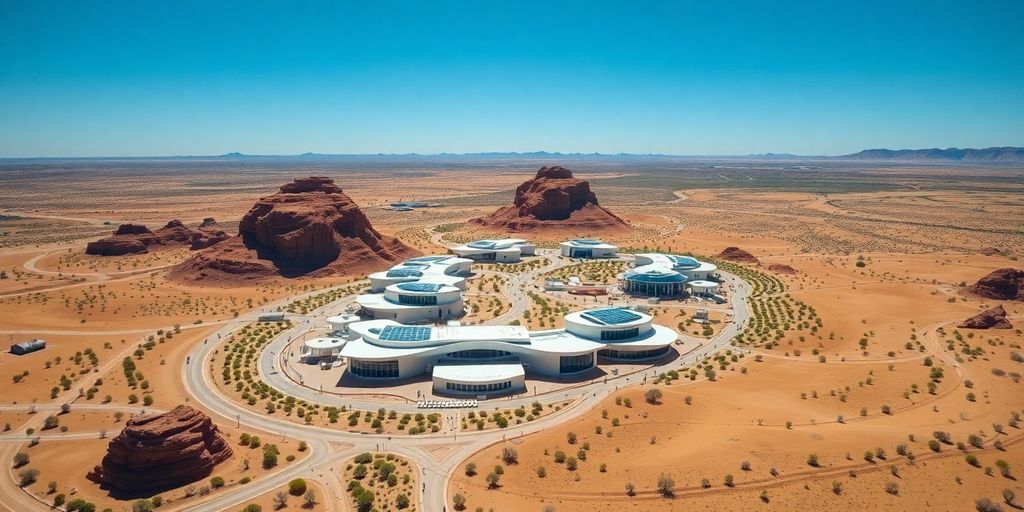
Arizona emerged as the prime location for Belmont, Bill Gates’ smart city project, thanks to a confluence of factors. The state’s unique landscape and regulatory environment presented an ideal canvas for pioneering a new model of urban development. Let’s explore the key reasons behind this strategic decision.
Advantages of Undeveloped Land
One of the most compelling reasons for choosing Arizona was the availability of large tracts of undeveloped land. This offered a blank slate for designing a city from the ground up, without the constraints of existing infrastructure or urban sprawl. The 25,000-acre plot secured for Belmont provided ample space for realizing the ambitious vision of a fully integrated smart city. This contrasts sharply with trying to retrofit smart technologies into existing, established urban areas, which often faces logistical and bureaucratic hurdles. Chamath Palihapitiya’s AI data center fund also recognized the value of Arizona land.
Harnessing Solar Energy Potential
Arizona’s abundant sunshine makes it an ideal location for harnessing solar energy. The state boasts some of the highest solar irradiance levels in the United States, presenting a significant opportunity for Belmont to achieve energy independence and sustainability. The plan is to integrate solar farms and distributed solar generation throughout the city, reducing reliance on fossil fuels and minimizing its carbon footprint. This commitment to renewable energy aligns with the broader goals of creating an environmentally responsible and future-proof urban center.
Progressive Regulatory Environment
Arizona has cultivated a business-friendly and forward-thinking regulatory environment, particularly regarding emerging technologies. This was a major draw for the Belmont project, as it streamlined the process of implementing innovative solutions in areas such as autonomous vehicles and smart infrastructure. The state’s openness to experimentation and its willingness to adapt regulations to accommodate new technologies made it an attractive destination for pioneering a smart city. This proactive approach reduces potential roadblocks and accelerates the deployment of cutting-edge urban solutions.
The selection of Arizona as the site for Belmont underscores the importance of strategic planning in urban development. By carefully considering factors such as land availability, renewable energy potential, and regulatory support, the project aims to create a blueprint for sustainable and technologically advanced cities of the future.
Technological Pillars of the Smart City
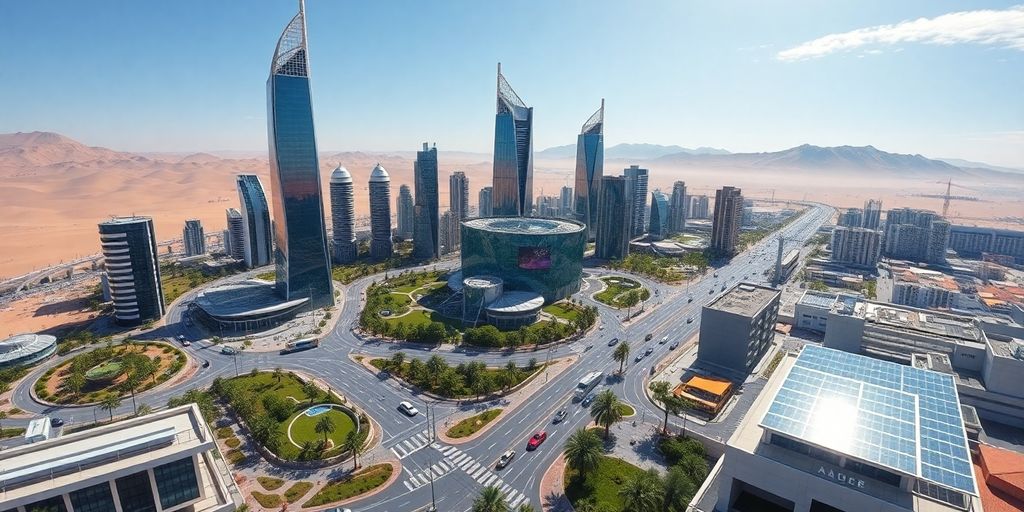
Belmont’s vision hinges on a robust technological foundation. It’s not just about flashy gadgets; it’s about creating an interconnected ecosystem that improves life for everyone. Think of it as building a digital nervous system for the city, allowing it to respond intelligently to the needs of its residents and the environment.
Advanced Digital Infrastructure
At the heart of Belmont lies its advanced digital infrastructure. This includes high-speed internet access, pervasive sensor networks, and a secure data management system. It’s the backbone that supports all other smart city applications. Imagine a city where every street light, every parking space, and every public transportation vehicle is connected and communicating in real-time. This IoT network generates a massive amount of data, which can be used to optimize city services and improve the quality of life for residents.
- Fiber optic cables providing gigabit internet speeds to every home and business.
- A city-wide Wi-Fi network offering free internet access to residents and visitors.
- A secure and reliable data management system that protects privacy and ensures data integrity.
Integration of Autonomous Systems
Autonomous systems are poised to revolutionize urban living, and Belmont aims to be at the forefront of this transformation. From self-driving vehicles to automated delivery drones, these technologies promise to make transportation more efficient, reduce congestion, and improve safety. The integration of autonomous systems requires careful planning and coordination, but the potential benefits are enormous. Think about it: self-driving buses that adjust their routes based on real-time demand, or delivery drones that can quickly and efficiently transport goods to residents’ doorsteps.
- Self-driving vehicles for public transportation and personal use.
- Automated delivery drones for package delivery and other services.
- Smart traffic management systems that optimize traffic flow and reduce congestion.
Data-Driven Urban Management
Data is the lifeblood of a smart city. By collecting and analyzing data from various sources, city managers can gain insights into how the city is functioning and make informed decisions about how to improve it. This includes everything from monitoring traffic patterns to tracking energy consumption to predicting crime rates. Data-driven urban management allows cities to be more responsive to the needs of their residents and more efficient in their operations.
Data-driven urban management isn’t just about collecting information; it’s about using that information to make better decisions. It’s about creating a city that is constantly learning and adapting to the needs of its residents.
Here’s a simple example of how data can be used to improve urban management:
| Data Source | Application |
|---|---|
| Traffic Sensors | Optimize traffic light timing |
| Energy Consumption | Identify areas for energy efficiency upgrades |
| Crime Statistics | Deploy police resources more effectively |
Addressing Environmental Considerations
Building a smart city from the ground up presents a unique chance to prioritize environmental sustainability. It’s not just about adding a few solar panels; it’s about weaving eco-conscious practices into the very fabric of the city. Let’s be real, though, it’s a tough balancing act, especially in a place like Arizona.
Designing for Resource Efficiency
Resource efficiency is key. Belmont needs to minimize waste and maximize the use of available resources. This means thinking about everything from building materials to energy consumption. For example, using locally sourced, sustainable materials can reduce the carbon footprint associated with construction. Smart grids can optimize energy distribution, reducing waste and improving reliability. It’s about making every resource count.
- Implementing smart waste management systems to reduce landfill waste.
- Using energy-efficient building designs to minimize energy consumption.
- Promoting the use of renewable energy sources like solar and wind.
Navigating Water Scarcity
Water is a big deal, especially in Arizona. Belmont will need to be super smart about how it manages this precious resource. Traditional approaches just won’t cut it. We’re talking about innovative solutions like rainwater harvesting, greywater recycling, and efficient irrigation systems. Also, educating residents about water conservation is a must. The city’s success hinges on responsible water use. It’s a challenge, no doubt, but one that must be addressed head-on. The benefits of digital public infrastructure can be seen in water management.
Smart water management is not just about technology; it’s about changing habits and creating a culture of conservation. Residents need to be aware of their water footprint and empowered to make responsible choices.
Implementing Green Building Practices
Green building practices are essential for reducing the environmental impact of Belmont. This includes using sustainable building materials, designing energy-efficient buildings, and incorporating green spaces into the urban landscape. Green roofs, for example, can help reduce stormwater runoff and provide insulation, lowering energy costs. The city should also prioritize building orientation to maximize natural light and minimize the need for artificial lighting. It’s about creating buildings that are not only functional but also environmentally friendly. Engineering for product-market fit is important in green building practices.
| Practice | Benefit |
|---|---|
| Sustainable Materials | Reduced carbon footprint, lower environmental impact |
| Energy-Efficient Design | Lower energy consumption, reduced utility costs |
| Green Spaces | Improved air quality, reduced stormwater runoff, enhanced aesthetics |
The Future of Daily Life in Belmont
Envisioning Resident Experiences
Imagine waking up in Belmont. Your home is connected, adjusting temperature and lighting based on your preferences. The city is designed to anticipate needs and provide convenience at every turn. It’s not just about technology; it’s about how technology improves your day-to-day life. Think about it: less time spent on mundane tasks, more time for what truly matters. The goal is to create a community where technology fades into the background, enhancing rather than overwhelming the human experience.
Smart Solutions for Urban Services
Belmont aims to redefine urban services through smart technology. Consider these potential improvements:
- Waste Management: Sensors in bins signal when they’re full, optimizing collection routes and reducing unnecessary trips.
- Public Safety: Real-time data analysis helps law enforcement respond quickly and effectively to incidents.
- Transportation: A network of autonomous vehicles and smart traffic management systems aims to reduce congestion and improve commute times.
These are just a few examples of how Belmont plans to use technology to make urban services more efficient and responsive to residents’ needs. The city’s infrastructure will be custom-made for autonomous vehicles and other innovations.
Scaling for a Growing Population
Belmont is designed to accommodate a substantial population, with plans for 80,000 residential units. But growth needs to be managed sustainably. The city’s infrastructure must be scalable to handle increasing demands on resources like water and energy. This requires careful planning and ongoing monitoring to ensure that the city can continue to provide a high quality of life for all residents as it grows. The city will be able to host an equivalent population to Salt Lake City.
The challenge lies in balancing technological advancement with the human element. Belmont’s success will depend on its ability to create a community that is not only smart but also livable, inclusive, and resilient.
Belmont’s Place in the Smart City Movement
Global Trends in Urban Innovation
The concept of smart cities is gaining traction globally, with numerous projects underway. Europe is leading the charge, driven by aggressive climate change policies. It’s interesting to see how different regions are approaching urban innovation. For example, China planned to build 100 new smart cities between 2016 and 2020, focusing on innovation and information-intensive infrastructure. These projects aim to improve efficiency, sustainability, and quality of life for residents.
Learning from Existing Smart Cities
Existing smart cities offer valuable lessons for new developments like Belmont. Barcelona, for instance, has reviewed its smart city agenda to ensure it keeps citizens at its heart. Copenhagen’s rise as a leading smart city can be traced back to its sustainability profile and smart city ecosystem. San Diego also has a smart city movement that is worth looking at. By studying these examples, Belmont can avoid common pitfalls and adopt best practices.
The Role of Private Sector Initiatives
Private sector initiatives play a crucial role in driving the smart city movement. Belmont, backed by Bill Gates, exemplifies this trend. Private companies often bring the necessary capital, expertise, and innovation to make these projects a reality. However, it’s important to ensure that these initiatives align with public interests and promote equitable development.
Smart city development is a crucial aspect of resource management. Other parts of the world are rapidly integrating innovative technologies into their cities, and the proposal for Belmont represents an excellent step from the U.S. on the path toward a more efficient future.
Potential Impact and Future Outlook
Pioneering New Urban Development
Belmont, and similar smart city projects, represent a bold step towards rethinking urban living. These initiatives are not just about implementing new technologies; they’re about creating entirely new ecosystems designed for efficiency, sustainability, and enhanced quality of life. The potential impact is far-reaching, influencing how future cities are planned and built. It’s a chance to start from scratch and integrate the best ideas from urban planning, technology, and environmental science.
Overcoming Implementation Hurdles
Of course, realizing the vision of a smart city like Belmont isn’t without its challenges. There are several hurdles that need to be addressed:
- Financial Investment: Smart cities require significant upfront investment in infrastructure, technology, and ongoing maintenance. Securing funding and ensuring a return on investment can be difficult.
- Technological Integration: Integrating various technologies and systems can be complex, requiring careful planning and coordination. Ensuring interoperability and data security is crucial.
- Regulatory Frameworks: Existing regulations may not be well-suited for smart city technologies, requiring updates and adaptations. Navigating the regulatory landscape can be time-consuming and challenging.
Overcoming these hurdles will require collaboration between governments, private companies, and residents. It’s about finding the right balance between innovation and regulation, and ensuring that the benefits of smart city technologies are shared equitably.
Setting a Precedent for Global Cities
If successful, Belmont could set a precedent for global cities around the world. It could demonstrate how technology can be used to create more sustainable, efficient, and livable urban environments. The lessons learned from Belmont could be applied to existing cities, helping them to become smarter and more resilient. It’s about creating a new model for urban development that prioritizes people and the planet. The project could also influence the evolution of smart city technology and its adoption worldwide.
Belmont’s Place in the Smart City Story
So, what’s the deal with Bill Gates’ big idea for Belmont, out there in the Arizona desert? It really shows us where things are headed for cities. This project isn’t just about putting up buildings. It’s about making a whole new place where technology helps everything run smoothly, from how people get around to how things are managed. It’s a pretty bold plan, you know? And it’s not the only one out there. Lots of other folks, and even whole cities, are trying to make urban areas smarter. They’re either building from scratch or adding new tech to older places. The main goal is usually the same: use modern tools to make city life better and maybe even help the environment. Belmont could teach us a lot. It might just be a key part of how cities will look and work in the future.
Frequently Asked Questions
What is the idea behind Bill Gates’ smart city project?
Bill Gates’ investment group bought a large piece of land in Arizona to build a brand new city from scratch. This city, called Belmont, is planned to be a super modern place that uses advanced technology to make daily life better and more efficient. It’s meant to be a model for future cities that are friendly to the environment and use smart systems.
Where exactly will this new smart city be located?
The city, named Belmont, is going to be built on about 25,000 acres of open desert land in Arizona, specifically west of Phoenix. This area was chosen because it’s undeveloped, which makes it easier to design and build a city with smart technology from the ground up.
Why was Arizona picked as the spot for this smart city?
Arizona was chosen for a few good reasons. First, the land there was not too expensive. Second, the area gets a lot of sunshine, which is great for using solar power. Also, Arizona has rules that are open to new technologies like self-driving cars, which fits well with the smart city plan.
What kind of smart technology will Belmont have?
Belmont plans to use a lot of cutting-edge technology. This includes super-fast internet, special centers for computer data, and public Wi-Fi. It will also have self-driving vehicles and use information to manage the city better, like knowing when trash cans are full or helping people find parking.
What would it be like to live in Belmont?
Living in Belmont is imagined to be very convenient and modern. The city will have homes, businesses, and schools, all connected by smart systems. Things like transportation, energy use, and even managing city services will be handled by technology to make life smoother and more organized for everyone living there.
Are other people or places also building smart cities?
Yes, Bill Gates isn’t the only one with big plans for smart cities. Other rich people, like Jeffrey Bern in Nevada and Marc Lore with his Telosa project, are also trying to build new, sustainable cities. Plus, many existing big cities around the world, like Dubai and Singapore, are adding smart technology to improve their current urban areas.


