
resources-malaysia
Understanding the Population in Kuala Lumpur: Trends and Projections for 2025
Industry Expert & Contributor
13 Oct 2025

Delving into Kuala Lumpur's population isn't just a numbers game; it's a fascinating story about who calls this city home, how it's transforming, and what we might expect down the road. This article will explore the population dynamics in Kuala Lumpur, taking a close look at the current situation and what the future could hold, especially as we approach 2025. We'll cover everything from growth patterns to the changing face of our residents and what it all signifies for the city's future.
Key Takeaways
- Kuala Lumpur's population is projected to hit its peak around 2031, after which it's expected to begin a gradual decline—a trend also anticipated for Malaysia as a nation, though much later, around 2059.
- By 2060, Kuala Lumpur is on track to have the highest proportion of elderly residents in Malaysia, exceeding 26% and officially earning it the status of a 'Super-aged Society'.
- The working-age population across Malaysia is expected to peak soon before starting to shrink, which will inevitably impact Kuala Lumpur's economic structure and the availability of its workforce.
- We're also looking at significant shifts in the national ethnic composition, with projections showing an increase in the Bumiputera proportion, while the Chinese and Indian proportions are expected to decrease.
- Factors like migration, birth and death rates, and overarching national policies will continue to be the key forces shaping the population and demographics of Kuala Lumpur.
Understanding Kuala Lumpur's Population Dynamics
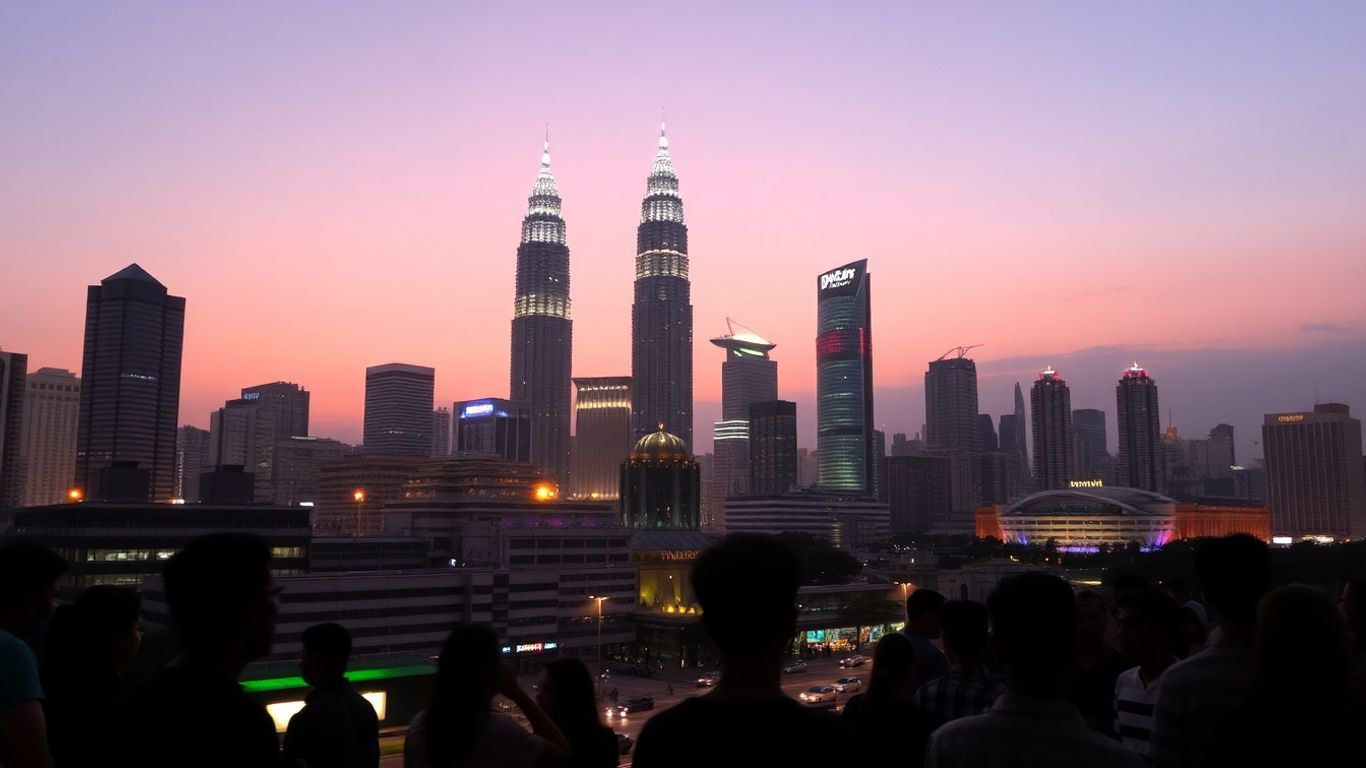
Kuala Lumpur, or KL as we all know it, is the bustling heart of Malaysia and a city in constant flux—and its population is certainly no exception. Getting a grasp on who lives here, how the numbers have evolved, and what shifts are on the horizon is crucial for anyone involved in shaping its future, whether you're a city planner, a business owner, or simply a resident. It's about more than just counting heads; it's about understanding the very forces that shape our urban landscape.
Current Population Estimates for Kuala Lumpur
Trying to get an exact, up-to-the-minute count of everyone in Kuala Lumpur is a bit like trying to catch smoke. However, we do have solid estimates to work with. As of mid-2025, the population is estimated to be hovering around 2 million people. This figure includes both Malaysian citizens and non-citizens residing within the Federal Territory, but it's worth noting that temporary residents (like tourists and short-term visitors) are typically excluded from these primary counts. The city's density is, as you can imagine, quite high, reflecting its status as a major metropolitan hub.
Historical Population Growth Patterns
Looking back, Kuala Lumpur has seen some truly remarkable growth over the decades. From its early days, it has been a magnet for people seeking opportunities. While this growth hasn't always been a straight, predictable line, the overall trend has been a significant increase, largely fuelled by migration from rural areas and, of course, from other countries. The city's development into the nation's economic and administrative centre has been—and continues to be—a major driver of this trend.
Key Demographic Shifts Expected
As we look to the future, several key demographic shifts are already making their presence felt. We're observing changes in the age distribution, with an ever-increasing proportion of older residents. The ethnic makeup of the city is also evolving, influenced by national migration patterns and differing birth rates among various communities. These shifts are far more than just numbers on a page; they point to fundamental changes in the city's social fabric and the future demands on its services.
The dynamic nature of Kuala Lumpur's population means that our planning needs to be just as flexible. What works today might not be the right fit in five or ten years. Keeping a close eye on these trends is absolutely essential to ensure the city continues to be a place where people aspire to live and work.
Here's a quick summary of the key points:
- Population Size: Steadily approaching the 2 million resident mark.
- Growth Driver: Primarily powered by internal migration and abundant economic opportunities.
- Urbanization: The city continues to be a major draw for people seeking the energy and convenience of urban life.
Understanding these foundational aspects of KL's population is the first, crucial step to fully appreciating the projections and challenges that lie ahead.
Projected Population Trends for Kuala Lumpur by 2025
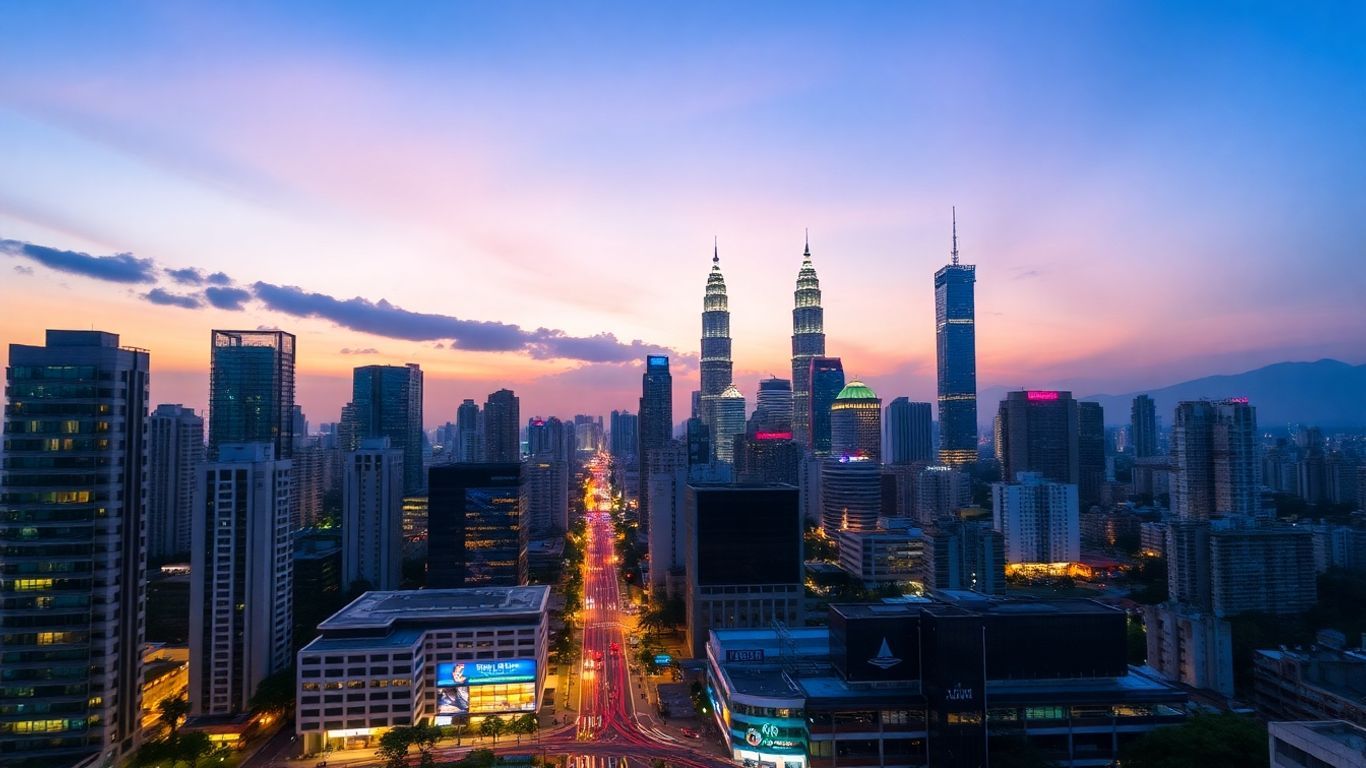
As 2025 approaches, Kuala Lumpur's population is poised for a continued, dynamic evolution. We're not just talking about a simple increase in numbers; we're referring to profound shifts in who makes up our city and how that impacts everything from public infrastructure to our daily lives. The city's demographic makeup is undergoing significant changes that will undoubtedly shape its future.
Population Growth Rate Forecasts
While the overall population growth rate for Malaysia is showing signs of slowing, Kuala Lumpur's trajectory is a little more nuanced. Projections suggest a continued—albeit perhaps more moderate—increase in the number of residents. This means the city will likely remain a vibrant hub for both domestic and international migration, with people drawn by its economic opportunities and its standing as a major urban centre.
Age Structure Evolution
One of the most notable shifts we'll see is in the age distribution within Kuala Lumpur. We're anticipating a gradual aging of the population, a trend that is mirrored right across Malaysia. In simple terms, this means a growing proportion of older adults and, potentially, a shrinking percentage of the very young.
Here’s a snapshot of what that might look like:
- Young Population (0-14 years): This group is expected to see a decrease in its share of the total population.
- Working-Age Population (15-64 years): While this group will likely remain substantial, its proportion might begin to plateau or even slightly decline as the older demographic expands.
- Elderly Population (65+ years): A clear and steady increase is projected for this segment of the population.
Ethnic Composition Changes
Malaysia's rich ethnic tapestry is also projected to change, and these shifts will naturally be reflected in a diverse city like Kuala Lumpur. The Bumiputera population is expected to constitute a larger share of the total population, while the proportions of the Chinese and Indian communities may see a decrease. This evolving ethnic mix is a vital consideration for social cohesion and policymaking within KL's wonderfully diverse urban environment.
The city's ability to adapt to these demographic shifts will be key to its continued success. Planning for an older population, supporting a dynamic working-age group, and embracing the changing ethnic tapestry are all crucial pieces of the puzzle for Kuala Lumpur's future.
Kuala Lumpur's Aging Population Landscape
There's no gentle way to put it—Kuala Lumpur is getting older, and not just by a little. We're talking about a significant shift in the demographic makeup of our city. By 2060, Kuala Lumpur is expected to have the highest percentage of elderly residents in all of Malaysia. This isn't merely a statistic; it signals that major changes are on the horizon for how the city functions day-to-day.
Proportion of Elderly Residents
The numbers are already pointing towards this trend. More and more of our citizens are reaching retirement age, while fewer young people are entering the workforce to replace them. This isn't a phenomenon unique to KL, of course, but our city appears to be on a faster track than most.
Here’s a quick glance at how the older population is projected to grow:
- 2020: The 65-and-over demographic made up a smaller portion of the population.
- 2025 (Projected): This proportion is set to increase, though specific figures for KL in this snapshot are still being refined.
- 2060 (Projected): This is where the trend becomes truly stark, with projections indicating a substantial rise in the elderly demographic.
Super-Aged Society Status
So, what does the term 'Super-Aged Society' actually mean? It's a classification used when more than 20% of a population is aged 65 or older. Based on current trajectories, Kuala Lumpur is well on its way to hitting this mark, and likely surpassing it. This puts KL in the same category as states like Selangor and Pulau Pinang, which are also navigating similar demographic transformations. It’s a clear sign that the city's age structure is undergoing a dramatic change.
This shift towards an older population isn't just about statistics; it's about people. It translates to a greater demand for healthcare, different housing needs, and potentially a smaller pool of younger workers to support the economy. Planning for this future is something that needs to start happening right now.
Implications for Social Services
When a city's population ages, the services it requires must also evolve. We are likely to see a much greater need for:
- Healthcare: More specialised geriatric care, home healthcare services, and facilities equipped to manage chronic diseases.
- Social Support: Tailored programmes for seniors, active community centres, and assistance for those who might need help with daily living activities.
- Infrastructure: Public transport that is accessible for older individuals, and housing options that cater to their needs—think single-story living or assisted living facilities.
This demographic shift means that our city planners and service providers need to begin thinking ahead—and fast. Adapting to an older population is set to be a major undertaking for Kuala Lumpur over the next few decades. It's a challenge, certainly, but it's also an opportunity to create a more inclusive and supportive city for everyone, at every stage of life. You can find more general information about population trends in Malaysia.
Factors Influencing Kuala Lumpur's Population
So, what's really driving the population changes we see in Kuala Lumpur? It's not just one single factor, but a complex mix of different forces. Think of it as a combination of people moving in and out, the number of births and deaths, and even the influence of government policies. All these elements play a crucial part in telling the population story of KL.
Urbanization and Migration Patterns
Kuala Lumpur has always been a beacon for people searching for better opportunities. As the economic and administrative heart of Malaysia, it naturally draws individuals from all over the country—and even from abroad—who are seeking jobs, education, and a different way of life. This continuous flow of people into the city, a process known as urbanization and migration, is a massive driver of its population growth.
- Rural-to-Urban Migration: Many people leave smaller towns and *kampungs* for the perceived advantages and excitement of city life.
- International Migration: KL is an attractive destination for skilled workers, expatriates, and professionals from other countries.
- Internal Migration: People also move between different cities and states within Malaysia, often with KL as their final destination.
This constant influx means more housing is needed, more public services are required, and the very character of the city evolves over time. It's a dynamic process that keeps KL bustling and vibrant.
Fertility and Mortality Rates
Beyond people moving around, the natural increase or decrease of the population is also incredibly important. This essentially comes down to two things: how many babies are being born (fertility) and how many people are passing away (mortality).
- Fertility Rate: This refers to the average number of children a woman is expected to have. While fertility rates were historically higher, they've been on a downward trend in many urban areas, including KL, as families today tend to be smaller.
- Mortality Rate: This is the number of deaths within a population. Thanks to advances in healthcare and improved living standards, mortality rates have generally decreased, meaning people are living longer, fuller lives.
When the birth rate is higher than the death rate, the population grows naturally. If the death rate starts to catch up to or surpass the birth rate, population growth slows, stagnates, or can even reverse.
The delicate interplay between birth and death rates, alongside migration, creates the overall population trend. It's a fine balance that is constantly shifting due to a variety of societal and economic factors.
Impact of National Policies
It's also crucial to remember the impact of national policies. What the government decides to do—or not do—can have a significant effect on population numbers. Policies related to family planning, immigration, healthcare, and even economic development can influence birth and death rates, as well as migration patterns.
- Economic Policies: Government initiatives that stimulate job creation in the city can attract more migrants.
- Healthcare Policies: Improvements in public health directly contribute to lower mortality rates and increased life expectancy.
- Immigration Laws: Stricter or more lenient immigration rules have a direct impact on the number of people entering the country and potentially settling in KL.
These national-level decisions create ripple effects that shape the demographic landscape of cities like Kuala Lumpur, influencing who lives here and how our population changes from one year to the next.
Kuala Lumpur's Demographic Future
Looking towards the horizon, Kuala Lumpur's population story is set for some significant new chapters. We're not just talking about a simple rise or fall in numbers, but a fundamental shift in the very makeup of our city's residents. The city's population is projected to peak and then begin a slow decline, a trend that will reshape urban planning and how we allocate our resources.
Population Peak and Decline Projections
Interestingly, Kuala Lumpur is expected to reach its population peak earlier than the rest of Malaysia. Projections suggest this peak will occur around the year 2031. After this point, the city's population is anticipated to begin a gradual decrease. This won't be a sudden drop, but rather a slow unwinding, which thankfully gives us time to adapt. This shift is largely influenced by broader national demographic trends, including falling birth rates and an aging population across the country. Understanding this trajectory is vital for effective long-term city development.
Working-Age Population Trends
The composition of our workforce is also on the move. While the overall working-age population (those aged 15-64) in Malaysia is expected to grow for a little while longer before shrinking, Kuala Lumpur's specific trends might differ slightly due to its unique internal migration patterns. However, the national trend points towards a shrinking proportion of younger workers and a growing number of older individuals in the workforce. This means we'll need to think strategically about how to keep our economy vibrant with a potentially smaller pool of young talent and how to support older workers who may choose—or need—to stay employed longer.
Future Planning Considerations
So, what does all this mean for Kuala Lumpur on the ground? It means we need to be incredibly smart and forward-thinking in how we plan for the future. Here are a few key considerations:
- Infrastructure Adaptation: As the population ages, there will be a far greater need for accessible public transport, more healthcare facilities, and housing that is suitable for seniors.
- Economic Strategy: We need to consider how to maintain economic productivity with a changing workforce. This might involve promoting lifelong learning, supporting small and medium enterprises, and creating policies to attract high-skilled talent.
- Social Support Systems: With more elderly residents, strengthening social welfare programmes and community support networks will become more important than ever.
- Urban Development: Future urban planning will need to account for a potentially stable or declining population, focusing on enhancing the quality of life and sustainable development rather than just continuous expansion.
The demographic shifts on the horizon present both challenges and opportunities for KL. Proactive, thoughtful planning today can help Kuala Lumpur navigate these changes smoothly, ensuring it remains a dynamic and liveable city for all its residents, regardless of their age.
It's a complex picture, to be sure, but by studying these trends, we can start preparing for what's to come. The future of Malaysia's population is a topic of ongoing study, with projections from bodies like the Department of Statistics Malaysia providing a vital roadmap for policymakers and citizens alike.
Wrapping Up: What's Next for Kuala Lumpur's Population?
So, when we put it all together, it's pretty clear that things are changing for Kuala Lumpur. We're witnessing a significant shift, with the city's population growth tapering off and an older demographic becoming much more prominent. By 2025, and certainly in the years that follow, we'll need to seriously consider how to support a larger elderly population and what that means for our job market and the overall rhythm of city life. It's not just about numbers on a chart; it's about adapting to a new kind of community. The trends are telling us that planning ahead is absolutely crucial to make sure KL remains a fantastic place to live for everyone, no matter their age.
Frequently Asked Questions
What is the current population of Kuala Lumpur?
Pinning down an exact, real-time number is always a challenge, but based on recent trends and projections, Kuala Lumpur is a bustling metropolis with a population approaching 2 million residents, all contributing to its vibrant, energetic atmosphere.
How fast is Kuala Lumpur's population growing?
Kuala Lumpur's growth rate has been quite steady for years, largely fuelled by people moving to the city for work and other opportunities. However, much like Malaysia as a whole, this growth is expected to slow down in the coming years.
Will Kuala Lumpur's population get older?
Yes, absolutely. Kuala Lumpur, like many other major cities around the world, is projected to have an older population in the future. This means there will be a higher proportion of people aged 65 and above, which brings with it new needs for city services and social support.
Why are people moving to Kuala Lumpur?
People are drawn to Kuala Lumpur for a variety of reasons, but the main pulls are job prospects, access to higher education, and the general opportunities that come with living in a major urban centre. It's the nation's primary hub for economic activity and a place where many come to build a better life.
What does it mean if Kuala Lumpur becomes a 'Super-Aged Society'?
Becoming a 'Super-Aged Society' is a demographic milestone. It means that a very large portion of the population—specifically, over 20%—will be 65 years old or older. This has a major impact on everything from healthcare demand to retirement planning and the types of community services that will be needed.
When will Kuala Lumpur's population stop growing?
Current projections suggest that Kuala Lumpur's population will reach its peak around the year 2031. After that point, it is anticipated to begin a slow and gradual decline, following a similar, though later, trend expected for Malaysia as a whole.
Share

Peyman Khosravani
Industry Expert & Contributor
Peyman Khosravani is a global blockchain and digital transformation expert with a passion for marketing, futuristic ideas, analytics insights, startup businesses, and effective communications. He has extensive experience in blockchain and DeFi projects and is committed to using technology to bring justice and fairness to society and promote freedom. Peyman has worked with international organisations to improve digital transformation strategies and data-gathering strategies that help identify customer touchpoints and sources of data that tell the story of what is happening. With his expertise in blockchain, digital transformation, marketing, analytics insights, startup businesses, and effective communications, Peyman is dedicated to helping businesses succeed in the digital age. He believes that technology can be used as a tool for positive change in the world.


