


resources-malaysia
Unveiling the Best Season to Visit Kuala Lumpur for Your Perfect Trip
Industry Expert & Contributor
13 Oct 2025

Trying to pinpoint the best time for a trip to Kuala Lumpur? It can certainly feel like a puzzle. After all, KL is a city that never sleeps, buzzing with energy and excitement all year round. But if you’re hoping for that perfect holiday—where the weather is on your side and you get to experience some fantastic local events—then timing really is everything. Let's dive into when you should start packing your bags for a memorable KL adventure.
Key Takeaways
- For the best weather, aim for the months between December and February. This period offers a drier spell, making it ideal for exploring the city and its surroundings.
- From March to May, you'll find warmer days with a bit more rain, but it’s still a great time to visit, especially if you're keen to experience cultural events like Ramadan.
- June through August is also a drier season on the west coast, perfect for outdoor activities, although the temperatures can climb a little higher.
- The months of September to November tend to be wetter, particularly on the east coast, which might make it less ideal—but certainly not impossible—for a visit.
- Planning your trip around festivals like Chinese New Year (January/February) or other cultural celebrations adds a truly unique and vibrant layer to your experience, though you should expect larger crowds.
1. December To February
The stretch from December to February is widely considered the sweet spot for visiting Kuala Lumpur, particularly if you want to dodge the heaviest downpours. Although this period is technically part of the northeast monsoon season, the west coast—where KL is situated—generally gets much less rain than the east coast. You can look forward to warm, humid days with temperatures comfortably sitting in the low 30s Celsius.
The weather during these months is generally more cooperative for taking in the city's sights and sounds. While the occasional shower is always a possibility in a tropical city, they tend to be brief and pass quickly, leaving the air feeling fresh. It’s still wise to have a small umbrella or a light raincoat handy, just in case.
Here's a quick glimpse of what to expect:
- Temperatures: Average highs are around 31-32°C (88-90°F), with nights cooling down to the low 20s°C (low 70s°F).
- Rainfall: Expect moderate rainfall, with frequent but typically short-lived showers.
- Crowds: December and early January can get quite busy thanks to the Christmas, New Year, and Chinese New Year holidays. February usually sees a slight dip in tourist numbers, making for a more relaxed atmosphere.
This time of year strikes a fantastic balance. You get weather that's pleasant enough for sightseeing, and while it isn't completely dry, the rain rarely puts a serious damper on your plans. Plus, the festive buzz around the holidays adds an extra layer of excitement to the city.
It's worth noting that while KL is perfectly accessible, many popular island getaways on the east coast of Peninsular Malaysia might be harder to reach or even closed during this time due to rough seas. So, if island hopping is a big part of your plan, you might want to consider another season. But for city exploration, shopping sprees, and diving into KL's incredible food scene, December to February is an excellent choice.
2. March To May
Springtime in Kuala Lumpur, from March to May, presents a rather good window for a visit. The weather begins to shift away from the heavier monsoon rains. You'll notice things getting warmer and a bit drier, particularly on the west coast where KL is located. Now, it's not completely rain-free—you can still expect some scattered showers, often in the late afternoon or evening, but they usually don't linger for too long.
This period is often seen as one of the more pleasant times to explore the city and its surroundings. The temperatures are warm without hitting their absolute peak, and the humidity, while always a factor, can feel a little more bearable than during the peak wet season. It’s a great time for strolling around, browsing the markets, and enjoying the city’s many outdoor cafes.
Here's a quick look at what to expect:
- Temperatures: Expect highs around 32-33°C (90-91°F) and lows around 24°C (75°F). It’s certainly warm, so light and airy clothing is essential.
- Rainfall: While drier than the months before, short, intense showers are still possible, especially in April and May. They're usually brief and can actually provide a welcome cool-down.
- Crowds: Visitor numbers begin to pick up a little compared to the start of the year, particularly around spring break and Easter. However, it's generally not as packed as the peak holiday seasons later on.
This time of year is perfect for balancing city adventures with day trips. You can easily head out to places like the Batu Caves or the Perdana Botanical Gardens without worrying too much about getting soaked, and the slightly smaller crowds mean a more relaxed experience at popular attractions.
If you're planning to visit during these months, packing light, breathable clothing is the way to go. Don't forget your sunscreen, a good hat, and maybe a small, foldable umbrella—just in case. It's a solid choice for a trip that offers a good balance of decent weather and a great city vibe.
3. June To August
Thinking about visiting Kuala Lumpur between June and August? This period lands smack in the middle of Malaysia's summer, typically bringing warm weather and, you guessed it, a bit of humidity. But don't let that put you off! The mornings are often bright and clear, making them perfect for getting out and exploring before the day's heat sets in. While it isn't the absolute peak tourist season, you'll find a healthy buzz around the city, especially in July and August with local school holidays and the nation's Independence Day celebrations in August.
This is a wonderful time to explore the west coast, including KL, as you'll generally get clear mornings followed by brief, refreshing afternoon showers. The east coast islands, such as Redang and the Perhentians, are at their absolute best during these months, with dry, sunny days that are perfect for a beach getaway.
Here's a quick look at what to expect:
- Weather: Temperatures usually hover in the low 30s°C (high 80s°F), with humidity as a constant companion. Afternoon showers are common but typically don't last very long.
- Crowds: You'll find moderate crowd levels. Expect to see more people than in the shoulder seasons, particularly families and domestic tourists. It's a smart move to book your accommodation in advance, especially if you have your heart set on popular areas.
- Activities: This season is great for exploring KL's city sights, indulging in street food, and visiting indoor attractions. If you're venturing to the islands, it's prime time for snorkelling and diving. The Cameron Highlands also offer a cool escape with their lush tea plantations and hiking trails.
Just a heads-up: while the weather is generally favourable, occasional haze from regional forest fires can occur. It’s always a good idea to check local air quality reports before your trip.
August is typically Malaysia's hottest month, with daytime temperatures reaching around 33°C before dropping to a more comfortable 23°C at night. While it's certainly hot, these temperatures are standard for the region. If you're around in August, try to catch the Merdeka celebrations—it’s a truly vibrant time to witness the nation's patriotic spirit.
4. September To November
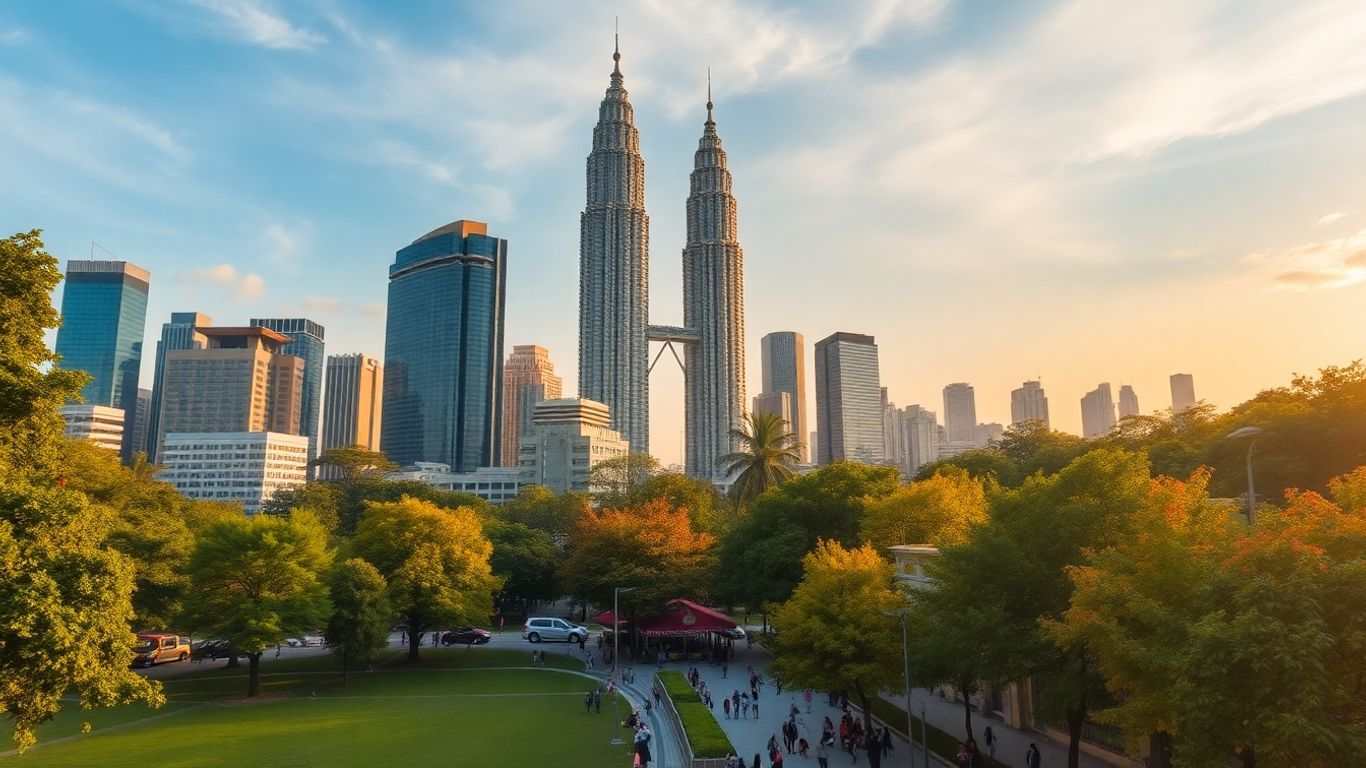
Visiting Kuala Lumpur during this period offers a bit of a mixed bag, weather-wise, as Malaysia transitions between monsoon seasons. September often marks the tail end of the southwest monsoon, so you might still experience some rain showers, especially on the west coast. The humidity can be quite high, making the air feel a tad muggy. As October arrives, the northeast monsoon begins to announce its presence, and by November, you can expect more frequent rain, particularly on the east coast. For Kuala Lumpur and the west coast, however, things tend to dry out a bit by November, bringing clearer skies and some lovely evenings.
The real magic of visiting during these months, however, lies in the vibrant festival scene.
Here's a glimpse of what you could experience:
- Mid-Autumn Festival: Usually held in September or October, this is a beautiful celebration of Chinese culture, complete with stunning lantern displays and, of course, delicious mooncakes. Kuala Lumpur's Chinatown is the place to be for this.
- Deepavali (Diwali): This Hindu festival of lights typically occurs in October or November. Brickfields, KL's Little India, absolutely comes alive with dazzling lights, intricate street decorations, and incredible food. It's a fantastic cultural immersion.
- Malaysia Lantern Festivals: Beyond the Mid-Autumn Festival, various temples and parks often host their own lantern festivals, usually accompanied by bustling food stalls and cultural performances.
Temperatures remain consistently warm throughout this period, hovering in the low 30s Celsius during the day and dipping into the low 20s at night. While the rain can be unpredictable, it often arrives in short, intense bursts, leaving you with plenty of time to get out and explore.
This season presents a unique opportunity to witness Malaysia's rich cultural tapestry firsthand. While the weather might not be as consistently dry as other times of the year, the festive atmosphere—and potentially smaller crowds—can make for an incredibly memorable trip, especially if you’re keen to experience local traditions and indulge in some amazing food.
5. January Festivals
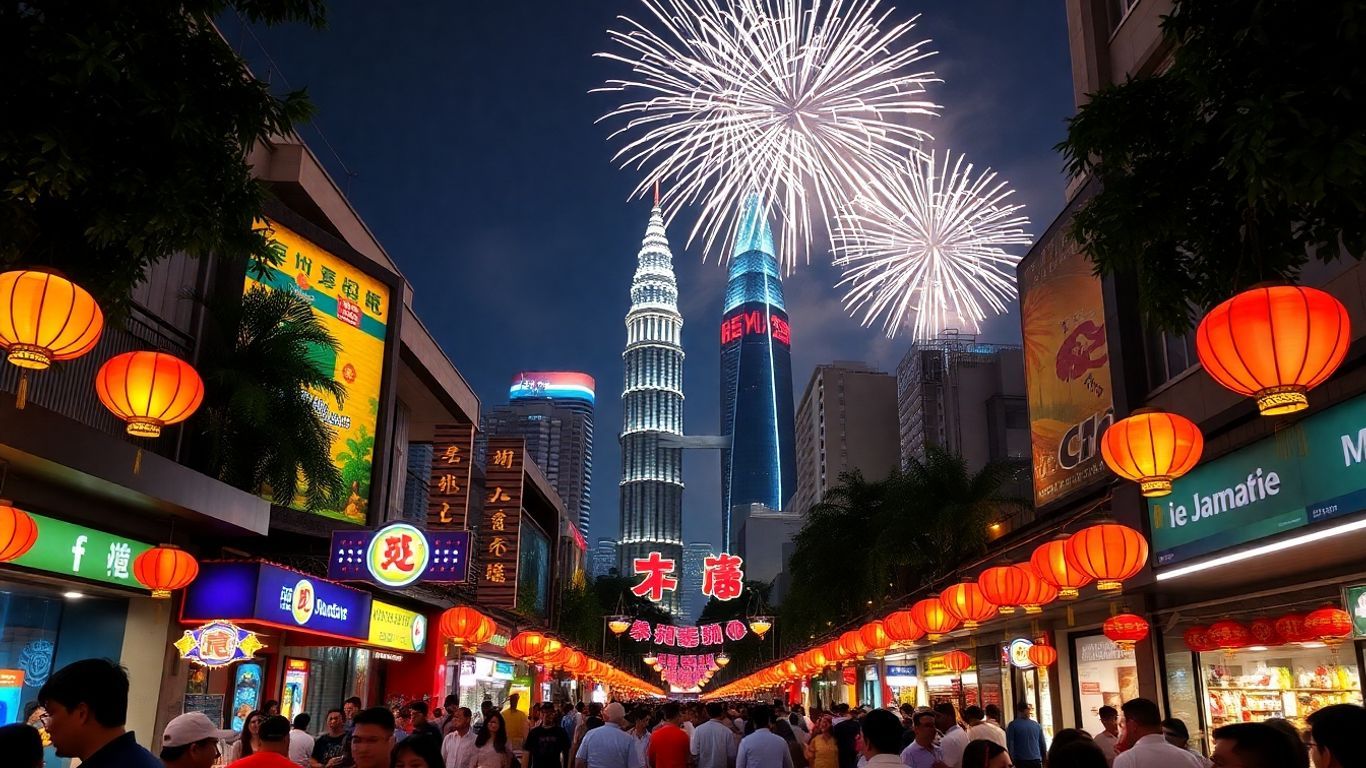
January in Kuala Lumpur can be a fascinating time for a visit, particularly if you love soaking up local culture. While the weather can be a little unpredictable with some rain, the city's festive spirit more than makes up for it.
One of the biggest celebrations in January, sometimes extending into February, is Chinese New Year. This is a massive event across Malaysia, and KL truly puts on a show. You'll see streets adorned with red lanterns, hear the pop of firecrackers (though more regulated these days), and witness lively lion dance performances. It’s also a fantastic time to sample special festive dishes.
Another major event that can fall in January is Thaipusam. This is a significant Hindu festival, and the celebrations at Batu Caves, just on the outskirts of KL, are nothing short of spectacular. It involves a grand procession, plenty of music, and a deeply spiritual atmosphere. It’s an incredible sight to behold, but be prepared for very large crowds if you decide to join in.
Keep in mind that visiting during these major festivals often means larger crowds and potentially higher prices for accommodation. It’s always a good idea to book everything well in advance if you can.
Here's a quick look at what to expect:
- Chinese New Year: Look forward to vibrant decorations, special foods, and cultural performances. As it's a public holiday, some smaller shops may close for a day or two.
- Thaipusam: A deeply religious Hindu festival, most famously celebrated at Batu Caves. It's a powerful visual and auditory experience.
- General Atmosphere: Even outside of specific festivals, there's a general buzz in the air. You might find special sales in the shopping malls or themed events happening around the city.
Although January can be a bit wet, the sheer energy from these celebrations makes it a truly memorable time to be in Kuala Lumpur.
6. February Festivals
February in Kuala Lumpur offers a really interesting travel window, especially for those who love to immerse themselves in local culture. While the weather can still be a bit unpredictable with some rain showers, it's often less crowded than the peak holiday months of December and January. What does this mean for you? You might just snag better deals on flights and accommodation, which is always a bonus.
One of the biggest events that can fall in February is, of course, Chinese New Year. This is a massive celebration throughout Malaysia, and KL becomes incredibly festive. You'll see streets decked out in red lanterns, hear the occasional sound of firecrackers, and find special festive foods just about everywhere. Many shops and businesses may close for a few days during the main holiday period, but the celebratory atmosphere lingers much longer. It's a fantastic time to witness traditional lion dances and feel the city's vibrant energy.
Another significant event that sometimes lands in February is Thaipusam. This is a major Hindu festival, and while the main celebrations are famously held at Batu Caves just outside KL, the city itself buzzes with the occasion. It's a very colourful and spiritual event, marked by processions and devotees demonstrating their faith. It is definitely something to witness if you're curious about Malaysia's diverse religious landscape—just be ready for huge crowds if you plan to visit Batu Caves during this time.
Beyond these major festivals, you might also stumble upon smaller community events or cultural performances. It's always a good idea to check local event listings closer to your travel dates to see what's happening.
A visit in February gives you the chance to witness some of Malaysia's most important cultural celebrations. While you might encounter some rain, the lively festivities and potentially smaller crowds can make for a truly memorable trip. Just pack an umbrella and embrace the experience!
Here's a quick rundown of what to expect:
- Chinese New Year: Look out for beautiful decorations, special foods, and cultural performances. It's a major holiday, so some places might be closed.
- Thaipusam: A significant Hindu festival, particularly notable at Batu Caves. Expect large crowds and vibrant processions.
- General Atmosphere: A blend of festive celebrations and slightly fewer tourists compared to the preceding months, offering a great balance.
7. March Festivals
March in Kuala Lumpur is a time when the city begins to transition from the slightly cooler, drier months into warmer, more humid weather. While it's not a month packed with major national holidays, it often coincides with significant cultural and religious observances that add a unique dimension to any visit.
One of the most notable periods in March can be Ramadan, the Islamic holy month of fasting. The exact dates for Ramadan shift annually according to the lunar calendar, so it's always wise to check the timing for your specific travel year. If your visit falls during Ramadan, you'll get to experience a different rhythm in the city. While many locals fast during daylight hours, tourist areas and services generally operate as usual. The real magic unfolds after sunset, when the city comes alive with vibrant night markets (bazaars) offering an incredible array of food to break the fast. It's a fantastic opportunity to try local delicacies like *Bubur Lambuk*, a comforting rice porridge, or *Kuih Lapis*, a colourful layered cake.
Experiencing Ramadan in Kuala Lumpur offers a unique cultural insight. The city's energy transforms as day turns to night, shifting to a focus on community and shared meals. It's a time of reflection for Muslims, but for visitors, it's a wonderful chance to witness cherished traditions and enjoy special culinary delights.
Beyond Ramadan, March can also sometimes overlap with Easter celebrations. While not a nationwide public holiday, it is observed by Christian communities and can be a time for special church services or events, particularly in areas with larger Christian populations. It’s a good idea to check local listings closer to your travel dates if you're interested in attending any public services or events related to Easter.
Overall, March offers a pleasant climate for exploring Kuala Lumpur, with temperatures typically ranging from highs of around 32.5°C to lows of 24.0°C. You might run into some brief, late-afternoon showers as the month wears on, but these rarely disrupt travel plans for long. It’s a good time to explore the city's landmarks and enjoy the local food scene—especially if you can catch the Ramadan bazaars. Remember to pack light, breathable clothing and perhaps a small umbrella, just in case. If you're planning a trip around this time, looking into Chinese New Year celebrations could also be worthwhile, as its dates can sometimes extend into early March depending on the lunar calendar.
8. April Festivals
April in Kuala Lumpur can be a really fantastic time to visit, especially if you're a fan of food and culture. The weather is usually warm, and while you might get some afternoon showers, they're often quick and don't typically disrupt your entire day. It's a great time to be out and about without the more intense heat that can arrive later in the year.
One of the biggest events that can fall in April is Hari Raya Aidilfitri, which marks the end of Ramadan. If your trip lines up with this celebration, you are in for a real treat. Cities and towns often feature 'open houses,' where people welcome others to share food and celebrate together. It's a wonderful way to experience Malaysian hospitality and sample a huge variety of local dishes. Think of it as a massive, country-wide feast!
Another event that might pop up in April is the Penang International Food Festival. While it takes place in Penang, it's close enough for a quick side trip from KL. Even if you stay in the capital, you'll find many of the same culinary influences and dishes being celebrated. It's a huge deal for food lovers, showcasing everything from humble street food to more elaborate creations.
Here’s a quick look at what you might find:
- Hari Raya Aidilfitri: If it falls in April, expect vibrant celebrations, open houses, and delicious festive foods like *ketupat* and *rendang*.
- Penang International Food Festival: Although held in Penang, its influence means KL will likely have its own great food events and special menus.
- General Foodie Scene: Even without specific festivals, April is a prime time to explore KL's hawker stalls and restaurants, trying out seasonal treats.
April can be a bit of a mixed bag weather-wise, with warm days and the possibility of rain. However, the cultural events and food celebrations—especially if Hari Raya Aidilfitri falls within this month—make it a genuinely exciting time to be in Kuala Lumpur. Just pack a light umbrella, and you'll be all set.
9. May Festivals
May in Kuala Lumpur can be quite an interesting month, especially for those who enjoy experiencing local culture. While it isn't packed with as many massive, nationwide holidays as other months, it often falls within the period leading up to or just after major celebrations like Ramadan and Hari Raya Aidilfitri. These celebrations, marking the end of the fasting month, are a huge deal in Malaysia. If your visit happens to coincide with the end of Ramadan, you're in for a treat. Imagine vibrant street bazaars popping up everywhere, selling all sorts of goodies, from festive clothes to mouth-watering food. It's a truly lively time.
The exact dates for Hari Raya Aidilfitri change each year as they follow the Islamic lunar calendar, so it’s worth checking when it falls for the specific year you plan to travel. If it lands in May, you can expect 'open houses,' where people invite friends and even strangers to share a meal and celebrate. It's a fantastic way to get a real feel for Malaysian hospitality.
Beyond the potential for Hari Raya, May can also sometimes overlap with Wesak Day, an important Buddhist holiday. This usually involves serene temple ceremonies and processions, offering a different cultural perspective. It's a quieter affair compared to Hari Raya but remains a meaningful event to witness if you're interested in the diverse religious landscape of KL.
Here's a quick rundown of what you might encounter:
- Hari Raya Aidilfitri (Eid al-Fitr): If the dates align, expect widespread celebrations, open houses, and festive food. This is a major public holiday.
- Wesak Day: A significant Buddhist festival, often marked by temple visits and ceremonies. The date varies annually.
- Street Bazaars: Leading up to and during festive periods, these markets pop up, offering a great chance to shop and eat like a local.
While May might not have a long list of fixed festivals, its timing often means you can catch the tail end of Ramadan preparations or the beginning of Hari Raya celebrations. This period is filled with a palpable sense of community and shared joy, making it a special time to be in the city. Just be sure to confirm the exact dates for religious holidays, as they shift each year.
10. June Festivals
June in Kuala Lumpur typically doesn't feature the major, nationwide festivals you might find in other months, but that certainly doesn't mean nothing is going on. It's often a quieter time, which can be a real advantage if you prefer to explore with fewer crowds. You might still catch smaller community events or local celebrations that pop up around the city.
The real highlight for June, especially if you're a foodie, is the peak of the durian season. This is when the 'King of Fruits' is at its absolute best, and you'll find markets and roadside stalls overflowing with them. It's a true Malaysian experience, whether you end up loving the pungent aroma or not!
While not strictly a festival, keep an eye out for local markets and *bazaars*. These often have a festive atmosphere, particularly in the evenings, offering a great chance to try local snacks and see what's popular with the residents.
June is something of a breather month when it comes to big public holidays. This often means you can find better deals on flights and accommodation, and popular attractions are generally less packed. It’s a great time to explore the city at your own pace and really soak in the local vibe without the hustle and bustle of major celebrations.
So, When Should You Pack Your Bags?
Alright, after covering all the seasons, what’s the final word on visiting Kuala Lumpur? Honestly, it's a fantastic city to visit almost any time of year. But if you're chasing that sweet spot, aiming for the drier months between December and February or even from May to July is likely your best bet. You'll get more sunshine for exploring iconic sights like the Petronas Towers and Batu Caves, and you can truly enjoy nearby beaches without constant drizzle. Plus, trips to places like Langkawi or the Cameron Highlands are far more pleasant when it's not pouring rain. Just remember, no matter when you decide to go, pack light, stay hydrated, and be ready for a bit of everything—that’s all part of the adventure, isn't it? Have an amazing trip!
Frequently Asked Questions
What's the weather like in Kuala Lumpur during the best visiting months?
During the prime visiting months—typically December to February and again from May to July—Kuala Lumpur enjoys warm temperatures with significantly less rain. You can expect plenty of sunny days, which are perfect for exploring the city and its surroundings without constantly worrying about downpours.
Are there any major festivals I should know about when planning my trip?
Absolutely, Malaysia is home to some vibrant festivals! Chinese New Year often falls in late January or early February, bringing lively celebrations. Ramadan, the Muslim fasting month, usually occurs in spring, and it's a great time to experience the special night markets and food. It's always a good idea to check a calendar for the specific dates when you plan your visit.
What kind of clothes should I pack for a trip to Kuala Lumpur?
You'll want to pack light, breathable clothing like cotton or linen, as it’s almost always warm and humid. Definitely bring an umbrella or a light rain jacket for those sudden tropical showers. Most importantly, comfortable walking shoes are a must for exploring the city!
Is it a good time to visit islands near Kuala Lumpur during the dry season?
For sure! The dry season, particularly from December to February on the west coast, is a fantastic time to visit islands like Langkawi. The weather is generally sunny and beautiful, making it perfect for beach activities and island hopping.
What are some must-try local foods during my visit?
Oh, you'll love the food! You have to try 'teh tarik,' a delicious pulled milk tea—it's especially comforting if it rains. During festive seasons, you might find 'bak kwa' (sweet grilled meat) or 'yee sang' (a special prosperity salad). And don't you dare miss out on street food classics like satay or nasi lemak!
How crowded is Kuala Lumpur during the peak season?
The city gets busiest around major holidays and during the west coast's dry season, from about December to February. If you'd prefer fewer crowds and potentially better deals, consider visiting during the shoulder months like April or May, though you might have to contend with a bit more rain.


